Balcony Garden Paradise is reader-supported. When you buy through links on our site,
we may earn a small affiliate commission. Happy Gardening from the team! 🌿
Microgreens are tiny vegetables or herbs that are harvested while the plants are still young and tender. Despite their small size, they’re a powerhouse of nutrition, delivering a concentrated burst of vitamins, minerals, and antioxidants. Incorporating microgreens recipes into your menus is a nutritious choice and a delightful culinary adventure. The fresh, intense flavors and delicate textures can elevate any dish, offering a blend of aesthetics and wellness on your plate.
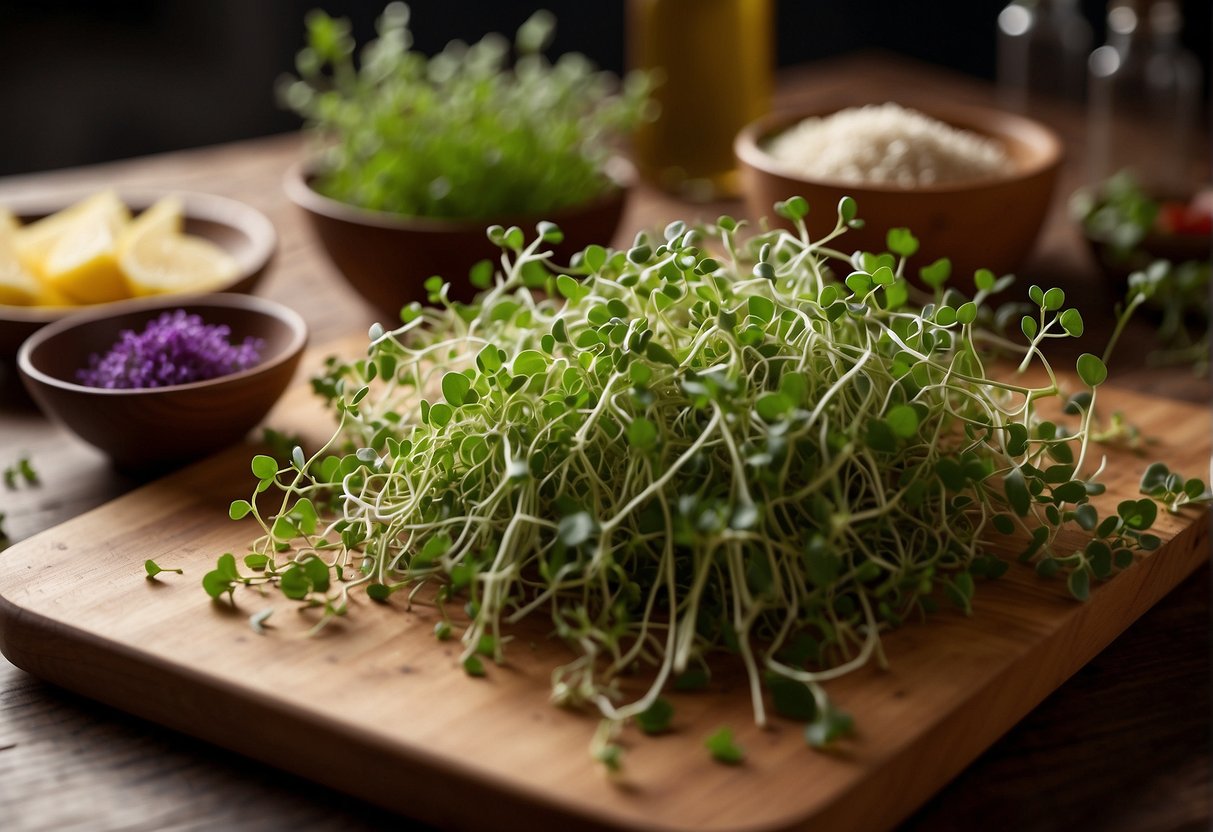
With every forkful, you’re engaging in a rich tapestry of tastes that surprisingly come from such small greens. These immature greens represent a diverse range of flavors from peppery to tangy, all while you enjoy a nutritional profile superior to their fully-grown counterparts. They are an excellent representation of how powerful seeds can be once sprouted, transforming into little leaves chock-full of valuable nutrients.
Experimenting with microgreens in your cooking can be as simple as tossing them in a salad for an extra kick or as creative as including them in complex dishes for texture and visual appeal. Your culinary journey with microgreens recipes not only boosts the nutritional value of your meals but also introduces a fresh, vibrant aesthetic that’s sure to impress.

The 2023 USDA Plant Hardiness Zone Map was created by Oregon State University (PRISM Climate Group) and released by the USDA.
What Are Microgreens?
Microgreens are young, tender, edible greens that represent the early stages of growth for vegetables and herbs. Think of them as the intermediary step between sprout and full-grown plant. Typically, they are harvested just after the first leaves – known as cotyledons – have developed.
- Varieties: A diverse range includes radish, pea, kale, arugula, sunflower, and various herbs. Each has a distinct flavor profile and nutritional offering.
- Size: They’re larger than sprouts but smaller than baby leafy greens, making them perfect for garnishes or flavor enhancements.
- Growth: Your microgreens garden can thrive indoors with minimal space; they often grow in shallow containers with soil or a hydroponic medium.
- Nutrition: These tiny plants are more than just a pretty garnish; they pack a nutritional punch with concentrated vitamins and minerals.
Composition & Uses in Microgreens Recipes
| Microgreen Type | Flavor Profile | Common Uses |
|---|---|---|
| Radish | Spicy, peppery | Salads, tacos, sandwich toppers |
| Pea | Sweet, crunchy | Stir-fries, salads, garnishes |
| Kale | Slightly bitter, earthy | Smoothies, salads, as a side |
| Arugula | Peppery, nutty | Pizzas, pastas, salads |
| Sunflower | Nutty, crunchy | Salads, sandwiches, wraps |
| Broccoli | Mild, fresh | Salads, omelets, mixed dishes |
| Spinach | Mild, versatile | Smoothies, dips, as a raw snack |
You can incorporate microgreens into your meals with ease, adding both nutrition and a touch of sophistication to your dishes. Whether you sprinkle them on top of a pizza or blend them into a revitalizing green smoothie, microgreens are a versatile and nutritious addition to your diet.
Preparation Techniques
In this section, you’ll learn the best practices for handling microgreens from cleaning to seasoning, ensuring their fresh flavors are preserved for your dishes.
Cleaning and Storage
Before you can enjoy the vibrant taste of microgreens recipes, proper cleaning is essential. Rinse your microgreens gently but thoroughly under cold water to remove any dirt or debris. Pat them dry with a clean towel or use a salad spinner. For storage, wrap the microgreens in a paper towel to absorb excess moisture, and place them in an airtight container. Store them in your kitchen refrigerator to maintain freshness for about 5-7 days.
Basic Seasoning
To let the delicate flavors of microgreens shine, use basic seasoning. Dress them with a simple vinaigrette consisting of olive oil and lemon juice; this will enhance their taste without overpowering. Sprinkle a bit of salt and pepper on your microgreens just before serving to maintain their texture and keep them from wilting.
Harvesting Methods
When you’re ready to harvest, the harvesting process should be done with care. Use clean scissors or a sharp knife to cut the microgreens just above the soil line when they are between 1 to 3 inches tall, typically 7-14 days after planting the seeds. Immediate harvesting ensures you get the boldest flavors for cooking, as the essential oils are at their peak right after cutting.
Microgreens Recipes
Microgreens recipes bring bold flavors and a delicate crunch to various dishes, elevating both taste and presentation.
Salad Creations
Incorporate microgreens into your salads for a nutrient-packed meal. Microgreen Salad: Blend a variety of microgreens with a fresh vinaigrette for a simple yet sophisticated dish. Or, combine them with quinoa, ripe tomatoes, and cucumbers, dressed lightly to enjoy a hearty quinoa salad.
Creative Sandwiches and Wraps
Sandwiches and wraps gain a fresh twist with microgreens. Layer spicy radish microgreens on avocado toast for a peppery bite, or tuck a mix into a pita with hummus and grilled veggies. Microgreens also add a unique element to burgers, transforming the meal with every bite.
Breakfast Options
Start your day with a dose of greens. Sprinkle a handful of microgreens over an omelet or mix them into scrambled eggs. For a green morning smoothie, blend microgreens with your favorite fruits for an energizing smoothie.
Standalone Dishes
Beyond garnishes, microgreens inspire standalone dishes. Craft a microgreen-centric pizza with a light sauce and fresh cheese, or stir them into warm pasta. Use them as a fresh topping for tacos or sushi to add a burst of flavor and texture.
Health Benefits
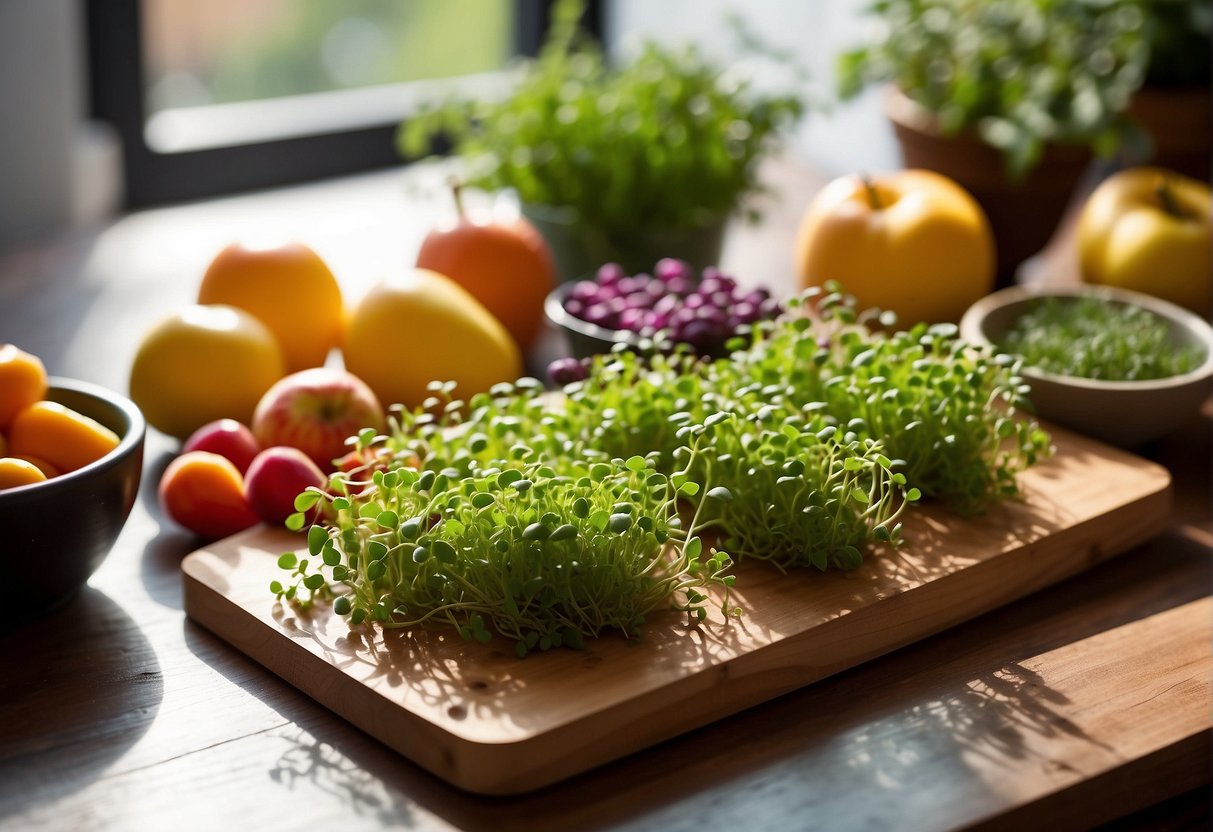
Incorporating microgreens recipes into your diet gives you a punch of nutrition in a tiny package. Often lauded for their concentrated nutrient content, microgreens are a versatile addition to any meal for both vegetarians and vegans. These small greens may help enrich your diet with essential nutrients that support overall health.
- Nutrient Density: Microgreens are a dense source of vitamins, minerals, and antioxidants. For example, varieties like broccoli microgreens may improve insulin resistance, which is beneficial for blood sugar management.
- Protein Content: Being a plant-based protein source makes microgreens a great addition to your vegetarian or vegan diet. Including them in salads, wraps, or sandwiches can effortlessly increase your protein intake.
| Nutrient | Benefit |
|---|---|
| Vitamins | Boosts immunity, improves skin health, and enhances eye health. |
| Minerals | Supports bone health and optimizes metabolic processes. |
| Antioxidants | Protects cells from oxidative stress and may reduce disease risk. |
You don’t have to consume large amounts to reap these benefits. Thanks to their concentrated nature, even a small serving of microgreens sprinkled over your dish can contribute to meeting your daily nutritional needs. Engaging in a diet that includes a variety of nutritious foods is key, and microgreens are an excellent component of such a diet.
Culinary Pairings
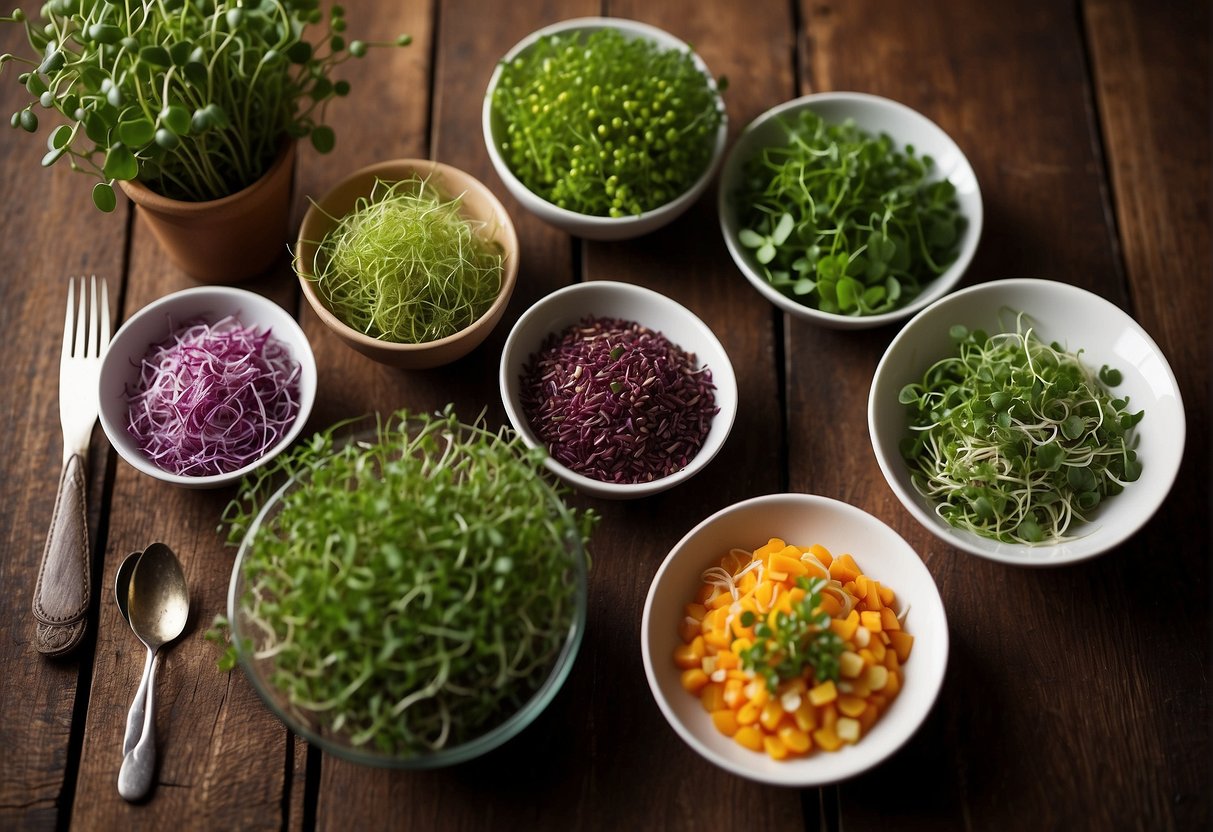
Microgreens add a fresh, intense flavor to a variety of dishes, and pairing them with the right ingredients can elevate your culinary creations. Knowing which microgreens complement proteins, vegetables, cheeses, and spices helps you craft perfectly balanced microgreens recipes.
Proteins
Pairing microgreens with proteins brings a vibrant freshness to rich dishes. For example, chicken benefits from the peppery taste of mustard microgreens, while salmon with lemony sorrel microgreens creates a harmonious balance:
- Beef: Try beet microgreens for a sweet, earthy contrast.
- Eggs: Kale microgreens can add a crunchy texture and a slight bitterness.
- Bacon: Pair with radish microgreens for a spicy kick.
Greens and Vegetables
Microgreens can be more than just a garnish; they can be the star in a medley of greens and vegetables. Their robust flavors pair well with multiple veggies:
- Avocado: A base of mild spinach microgreens complements its creamy texture.
- Cucumber: Pair with basil microgreens to enhance the freshness.
- Carrots: Fennel microgreens add a subtle licorice twist.
Cheeses and Creams
Soft cheeses and creams act as a canvas for the bold tastes of microgreens. The creaminess melds with the microgreen flavors:
- Goat Cheese: Top with zesty radish microgreens for a flavorful bite.
- Mozzarella: Basil microgreens blend seamlessly, reminiscent of Caprese.
- Burrata: Arugula microgreens give it a peppery snap.
- Cream: Chervil microgreens mix in to add a hint of anise.
Herbs and Spices
The essence of any dish often lies within its herbs and spices. When those include microgreens, they can unexpectedly amplify the flavor profile:
- Basil: Pairs with virtually any veggie, enhancing the dish’s freshness.
- Mustard: Sprinkle atop creamy dishes for a punchy contrast.
- Hummus: Top with onion microgreens for a burst of flavor.
Tips for Using Microgreens
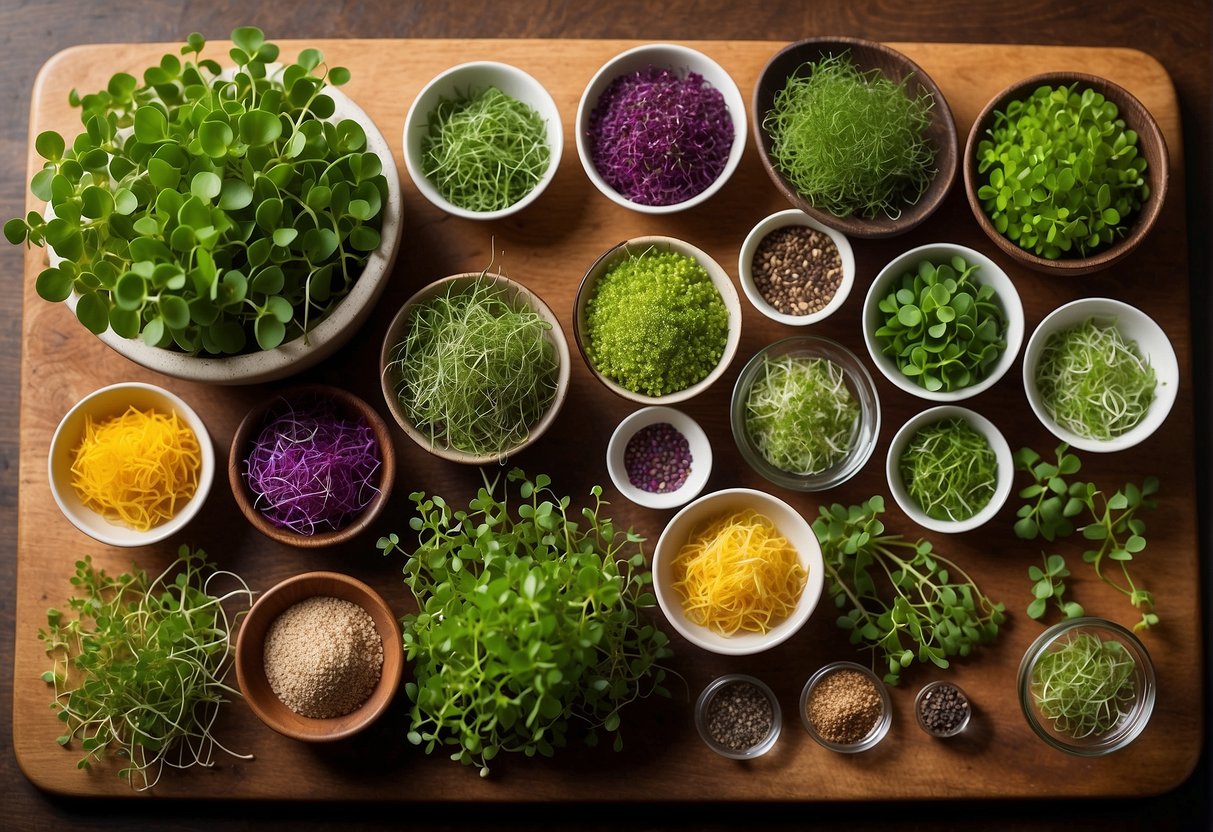
Microgreens can elevate your home cooking by adding fresh flavors, vibrant colors, and unique textures. With these techniques, you’ll enhance the visual appeal and taste of your dishes using these versatile greens.
As Garnishes
Use microgreens to add a pop of color and a fresh taste to virtually any dish. Simply sprinkle a handful of these delicate greens atop your completed dish for an instant uplift. For example, adding microgreens to your salad can introduce new flavor profiles and a gourmet touch.
Incorporating Into Sauces
Blend microgreens into sauces and dressings to infuse them with fresh flavors and nutrients. A classic pesto sauce can be given a twist by substituting traditional herbs with microgreens. You can also blend microgreens into a cream or olive oil-based dressing to drizzle over roasted vegetables.
For Textural Contrast
Microgreens are perfect for introducing a crunchy texture to smooth dishes. Their slight crunch contrasts beautifully with creamy textures, such as in risottos or pureed soups. Equally, they can enhance the mouthfeel in soft-textured foods like omelets and salsas, giving a pleasant and surprising bite.
Advanced Techniques
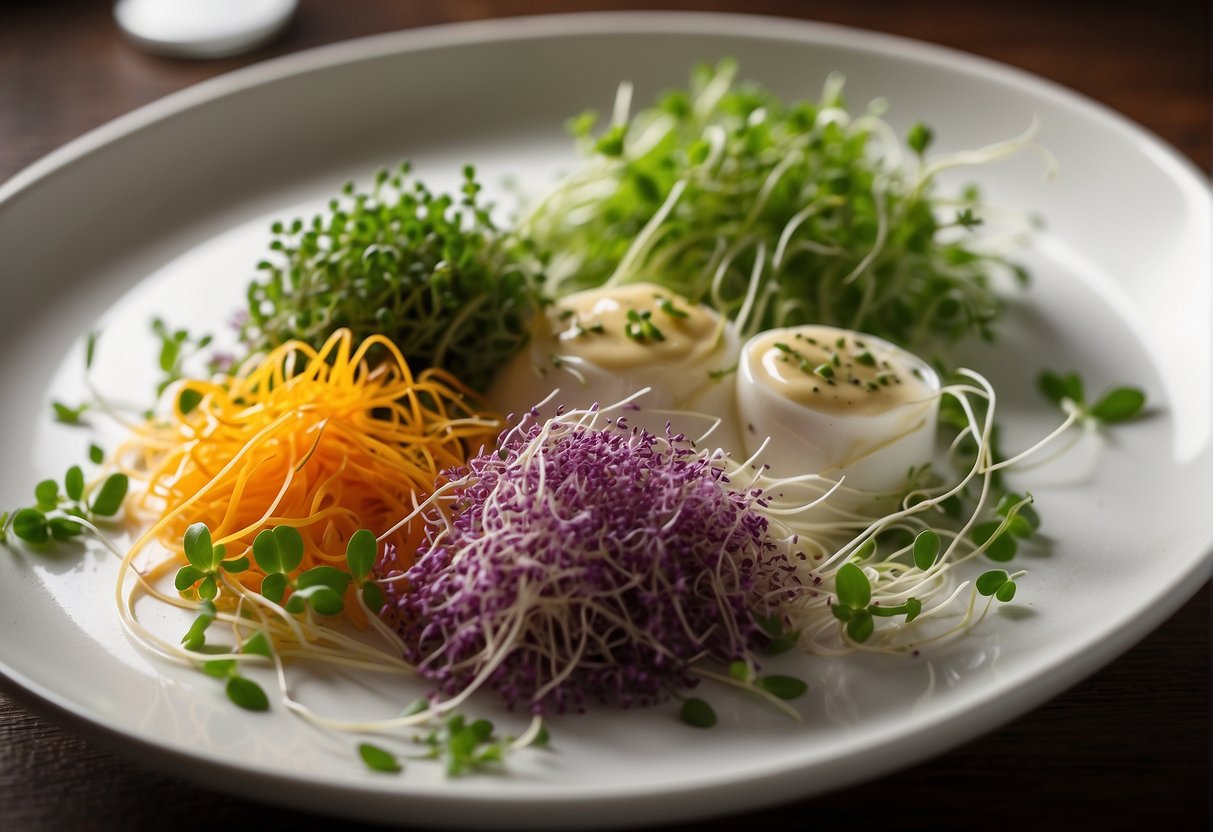
Expanding your culinary repertoire with microgreens recipes involves mastering advanced techniques that can elevate the flavor and texture of your dishes. These methods allow you to integrate the fresh taste of microgreens into your kitchen creations in more sophisticated ways.
Juicing and Smoothies
Adding microgreens to your juices and smoothies is an excellent way to boost their nutritional value and introduce complex flavors. For a vibrant kick, blend kale microgreens with fruits like pineapple or apple. For a more subtle taste, arugula microgreens pair well with citrus fruits. Utilize a high-powered blender to ensure that the greens are thoroughly incorporated, preserving the rich textures.
- Juicing Tips:
- Balance microgreen flavors with sweet or tart fruits.
- Use cold water or ice to maintain freshness.
- Smoothie Ideas:
- Kale microgreens, banana, and almond milk for creaminess.
- Arugula microgreens, frozen berries, and Greek yogurt for tang.
Making Homemade Pesto
Pesto is typically known for its use of basil, but taking it to the next level with microgreens like arugula can add a peppery dimension. For a flavorful twist, make a homemade pesto using a combination of basil and arugula microgreens, pine nuts, Parmesan cheese, garlic, olive oil, and a pinch of salt.
- Pesto Composition:
- Mix equal parts basil and arugula microgreens.
- Add nuts and cheese in a 2:1 ratio to microgreens.
Developing Rich Sauces
Incorporate microgreens into your sauces to achieve new layers of flavor. A cream sauce with kale microgreens can enrich pasta or chicken dishes with its creamy texture and complex taste. Simmer the microgreens in a mixture of butter, flour, and milk, stirring until the desired consistency is reached.
- Sauce Ingredients:
- Begin with a roux of butter and flour.
- Gradually incorporate milk and kale microgreens.
- Cooking Techniques:
- Cook on low heat to avoid separation.
- Stir continuously for a smooth texture.
Microgreens in Diet Plans
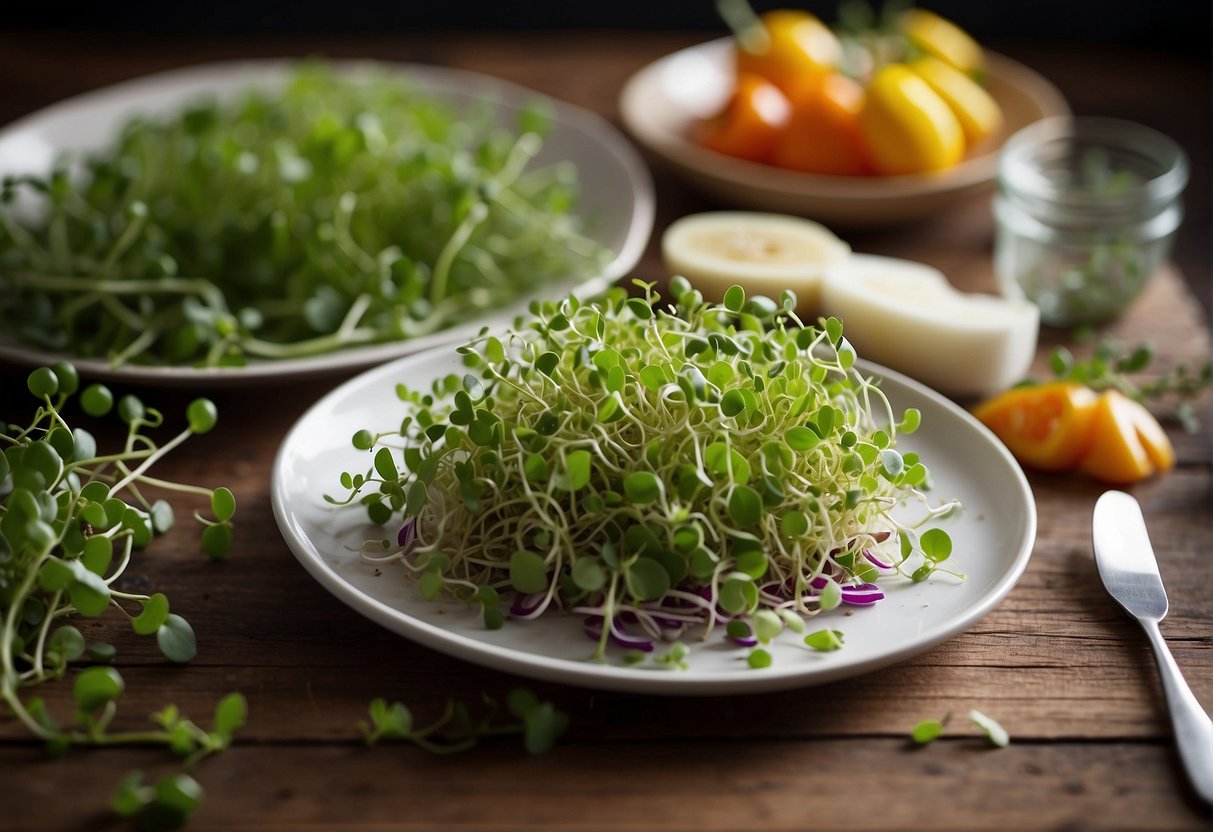
Incorporating microgreens into your diet plan can boost nutritional content while catering to various dietary preferences, whether you’re vegan, looking for high-protein options, or sticking to low-carb meals.
Integrating into Vegan Diets
Microgreens can be a nutritious addition to vegan diets. Nutrient density is key for vegan eaters, and these tiny plants pack a punch, offering vitamins and minerals in a small serving. You can top your avocado toast with radish microgreens or add a handful of pea shoots to your smoothies to enrich your meals with vitamins, minerals, and antioxidants.
High-Protein Variations
For a high-protein twist, choose microgreens from seeds like sunflower and peas. These greens can significantly up the protein content of your vegetarian meals. Consider garnishing your lentil soup with sunflower microgreens or blending pea shoots into your post-workout shakes to power your diet with both protein and nutrition.
Low-Carb Options
Microgreens are excellent for low-carb diets, providing flavor and nutrients without excessive carbohydrates. Use microgreens such as arugula or mustard greens to add zest to your dishes. Create a mixed green salad primarily composed of microgreens, topped with seeds like chia or flaxseeds, to keep your meal low-carb yet satisfying and nutritious.
Growing Your Own
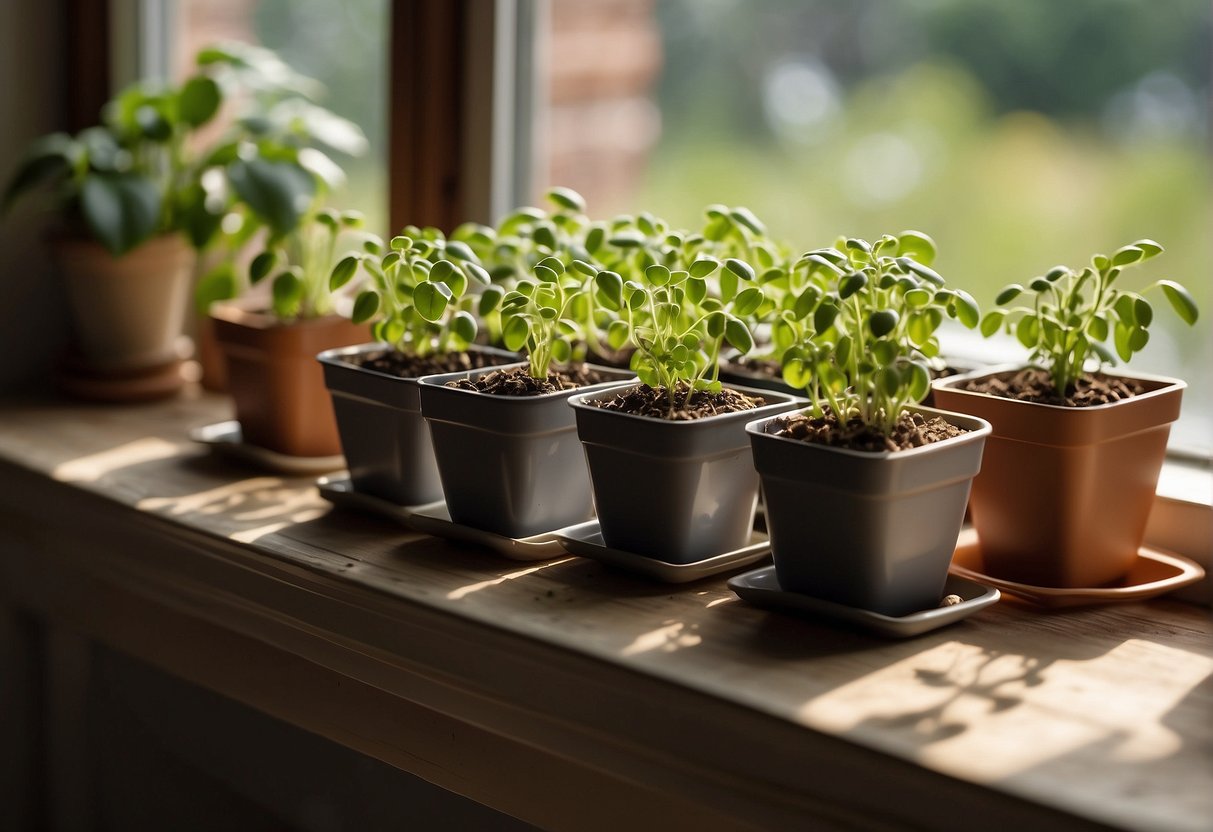
Embarking on the journey of nurturing microgreens at home allows you to harvest your own nutrient-packed plants right from your garden or indoor space.
Basic Home Gardening
To establish a successful microgreen garden, you’ll need quality seeds and a suitable growing medium. Begin by selecting a diverse range of microgreen seeds, ensuring you have a broad spectrum of flavors and nutrients. It’s essential to employ a well-draining growth medium, like a peat and perlite mix, which facilitates robust root development.
- Materials Needed:
- Microgreen seeds
- Growth trays
- Peat and perlite mix (or similar)
- Watering can or spray bottle
Procure small cups or containers to pre-soak certain varieties of seeds to accelerate germination. Measure seed quantities with precision to prevent overcrowding in your trays.
Indoor Cultivation Tips
Harnessing the right indoor conditions is central to a thriving microgreen harvest. Implement an optimal lighting setup, utilizing either natural light or artificial grow lights. Microgreens demand consistent, gentle light to photosynthesize effectively without the risk of drying out or burning.
- Lighting & Care:
- Position near a sunny window or use full-spectrum LED grow lights
- Water lightly with a spray bottle to keep the soil moist but not waterlogged
- Maintain a stable room temperature to support steady growth
Your microgreens will flourish with tender, attentive care and harvesting can typically begin just two to three weeks after planting. Regularly monitor moisture levels and adjust your watering routine to suit the humidity and temperature of your indoor environment. Keep an eye out for the first set of true leaves, a sign that your microgreens are ready to be enjoyed.
Buying and Storing
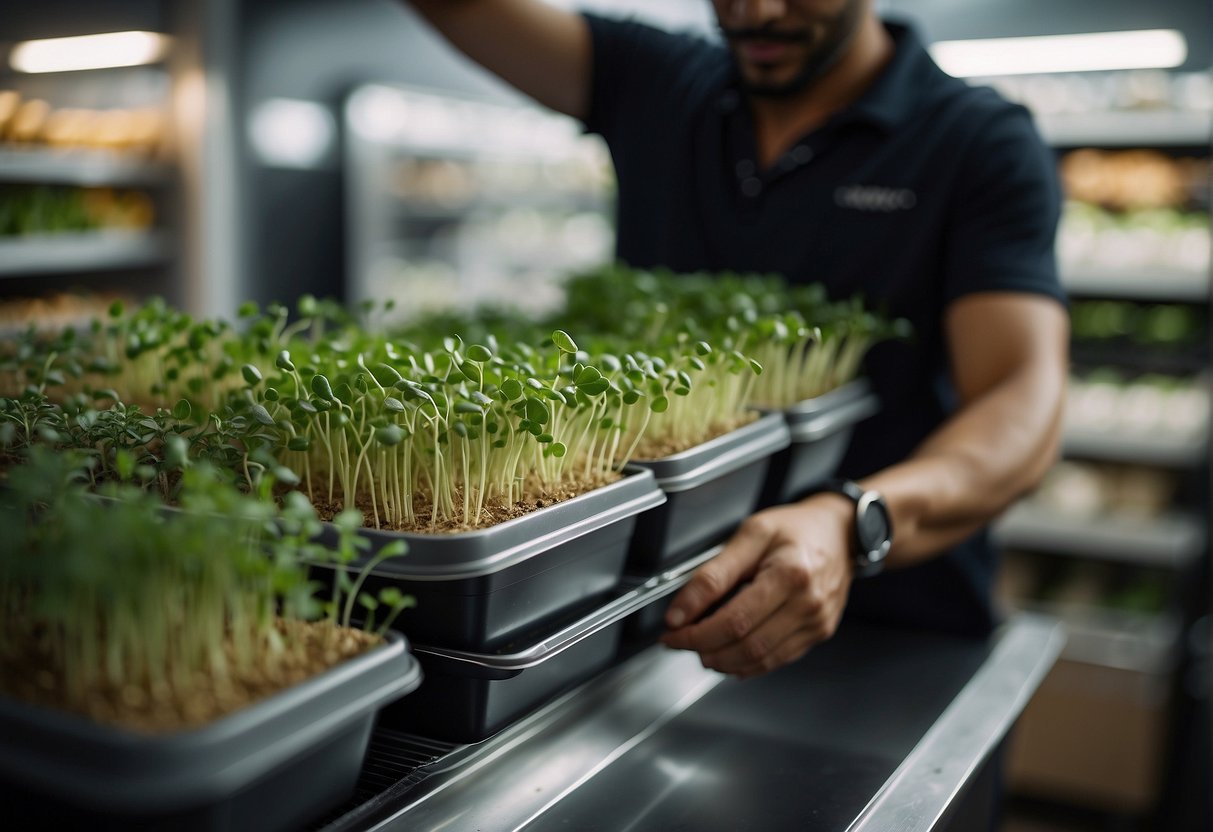
Ensuring the longevity and freshness of microgreens starts with the proper selection at the shopping stage and extends to efficient storage in your kitchen.
Selecting Quality Microgreens
When shopping, look for microgreens that are vibrant in color with no signs of wilting or yellowing. Freshness is key, so check for crispness and a fresh aroma. A simple sniff test can often indicate freshness — the microgreens should smell clean and slightly earthy.
- Appearance: Vibrant, uniform in color, and perky
- Touch: Crisp to the touch, not limp or soggy
- Smell: Fresh, earthy aroma without any sour or decayed odor
Long-Term Storage Solutions
Maximizing the shelf life of microgreens in your kitchen requires a balance of humidity and airflow. For best results, store microgreens in the refrigerator in an airtight container lined with paper towels to absorb excess moisture. This method can extend their storage life considerably.
- Refrigeration: Store microgreens between 2-5°C (35-41°F)
- Containers: Use an airtight container to limit exposure to air
- Paper Towels: Line containers with paper towels to control humidity
- Rotation: Use a “first in, first out” approach to ensure you’re using the oldest microgreens first, maintaining a cycle of freshness.
Food Safety and Microgreens
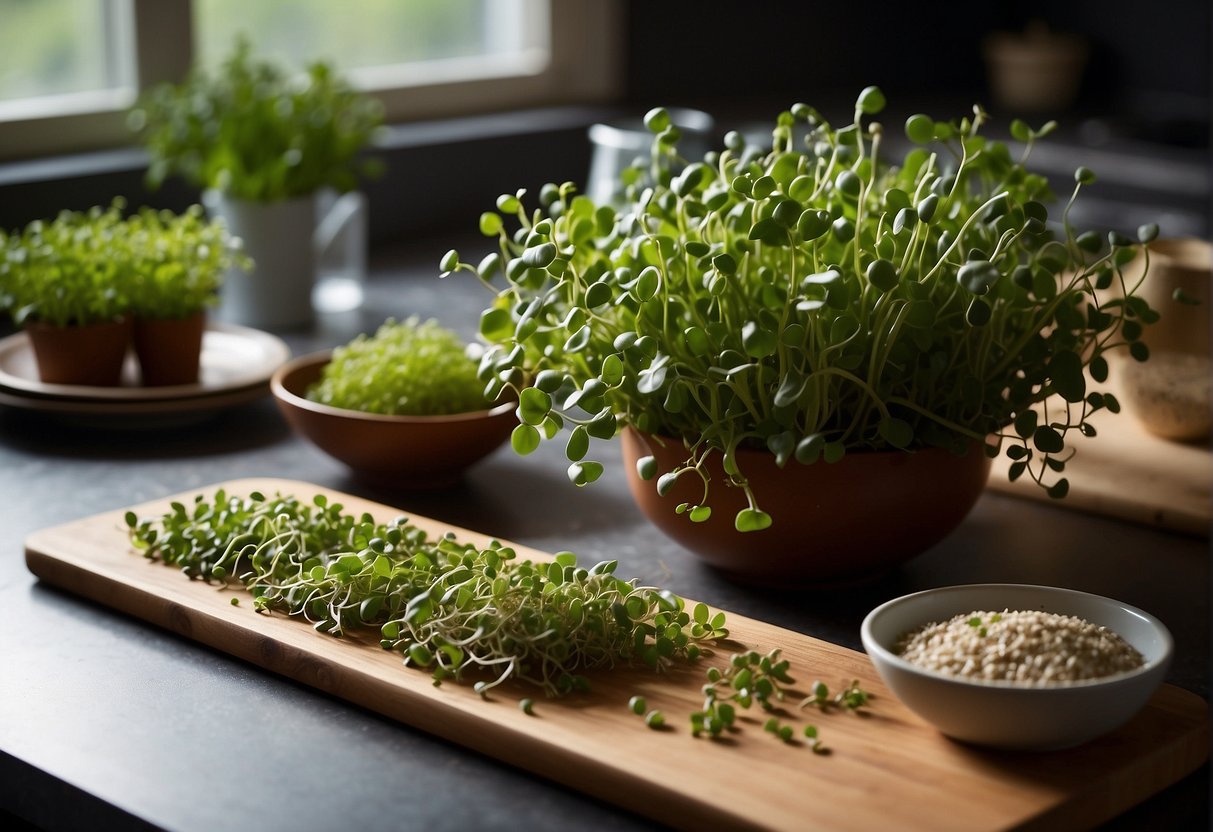
When incorporating microgreens recipes into your diet, being aware of food safety practices is vital. Microgreens have been recognized for their high nutritional value; however, like all fresh produce, certain safety measures should be taken to minimize risk.
Storage
To maintain freshness and minimize the growth of harmful bacteria, store microgreens at a temperature of 40°F or below. Use refrigeration to extend shelf life and preserve quality.
Cleaning
Before consuming or using microgreens in recipes, wash them thoroughly under running water. Although some microgreens are grown in controlled environments, washing helps reduce surface contaminants.
Safety Precautions
- Be cautious of the source of your microgreens; purchasing from reputable suppliers with good food safety records is crucial. A study comparing microgreen food safety and shelf life addresses the importance of clean production practices.
- Use proper hygiene when handling microgreens to prevent cross-contamination.
- If you grow your own microgreens, ensure clean growth mediums and water to avoid the presence of pathogens that can be more prevalent in sprout production.
Remember, microgreens should be treated with the same care as other fresh produce, with particular attention to cleanliness and cold storage. By following these steps, you can enjoy the diverse flavors and nutritional benefits of microgreens safely.
Conclusion
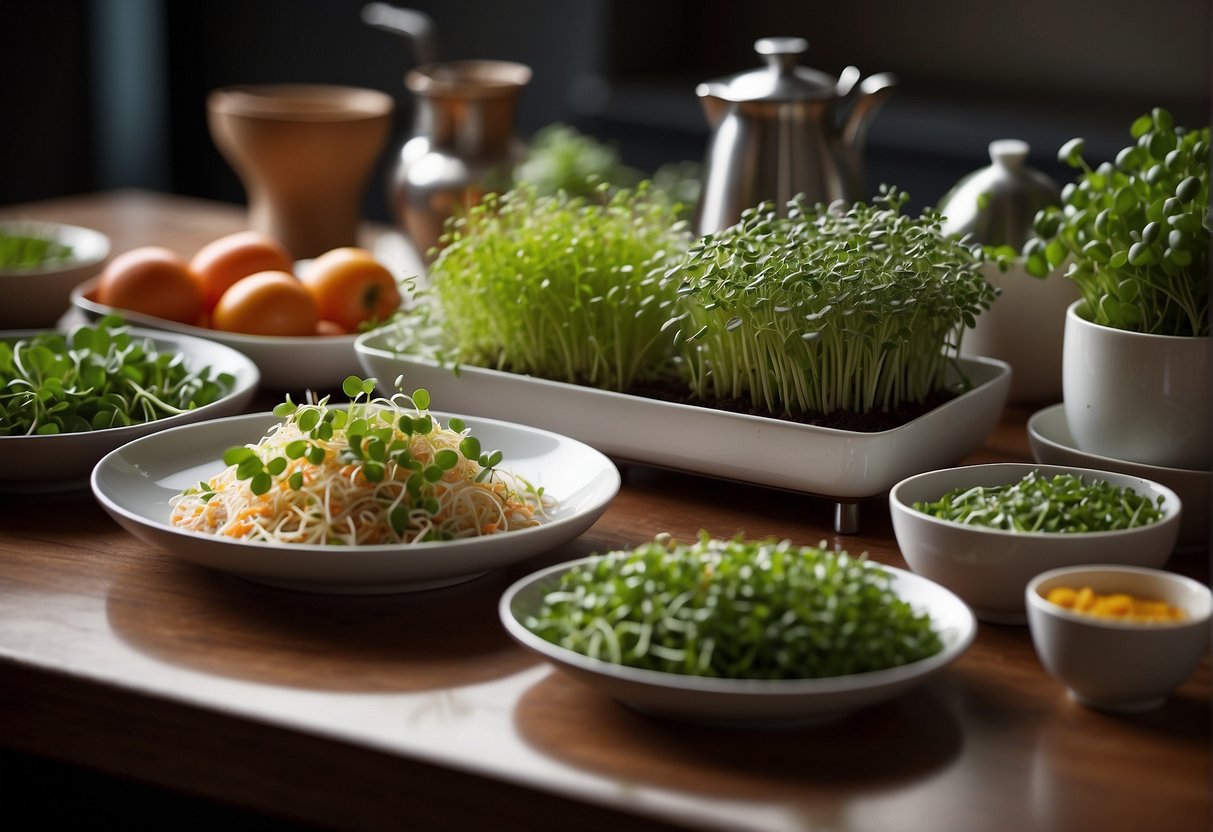
Microgreens pack a punch in both flavor and nutrition, redefining the way you enjoy recipes from your kitchen. These diminutive greens offer a quick, nourishing boost to any dish.
Mix them into salads or place them atop soups as garnishes to enhance flavor profiles. Utilize them in sandwiches for a flavorful, crunchy texture or blend them into smoothies for a nutritious addition that barely alters taste.
Remember: microgreens are not just garnishes but key ingredients that transform a meal with minimal effort.
Microgreens to Try:
- Arugula: peppery zest
- Radish: spicy punch
- Pea shoots: sweet crunch
Incorporate these tiny greens into your recipes to bring a new dimension of flavor and a boost of nutrition to your family’s table.
- Ease of Use: Just snip and sprinkle.
- Versatility: Fits a variety of cuisines.
- Nutrition: High in vitamins and minerals.
With microgreens recipes, your kitchen adventures go beyond tradition, inviting innovation and health into every meal. Experiment with different varieties to find your favorite flavors and textures. Your culinary creations will not only look spectacular but offer significant nutritional benefits as well.
[amazon box=”0789338122″]