Balcony Garden Paradise is reader-supported. When you buy through links on our site,
we may earn a small affiliate commission. Happy Gardening from the team! 🌿
Tom and I just returned from a trip to Portugal and Spain. Our first stop was in Lisbon, Portugal. Although it was a whirlwind trip, the sights, sounds, food, and of course, plants, were spectacular! It was an amazing trip that we enjoyed thoroughly. Some of the balcony gardens we saw across those two countries were truly amazing. I’ll be writing about the cities and villages we visited and include as many pictures of the balcony gardens as I can. The wrought iron on the balconies, doors, and windows was awe-inspiring. Such creativity and individuality you don’t often see in the States. Artisans and craftsmen across the ages appear throughout.
If you’re lucky enough to have a balcony in Lisbon, Portugal, you have the perfect opportunity to create a green oasis in the heart of the city. Balcony plants not only add a touch of nature to your living space but can also have a positive impact on your well-being. Whether you’re looking for plants that are easy to care for or want to create a lush jungle on your balcony, there are plenty of options to choose from.

One of the most important factors to consider when choosing balcony plants in Lisbon is the climate. Lisbon has a Mediterranean climate with hot, dry summers and mild, rainy winters. This means that plants that are adapted to dry conditions and can handle the heat are ideal. Some popular options include succulents, cacti, and Mediterranean herbs like rosemary, thyme, and lavender. However, there are also plenty of flowering plants and ferns that can thrive in the city’s microclimate. With a little research and care, you can create a beautiful and thriving balcony garden in Lisbon.

The 2023 USDA Plant Hardiness Zone Map was created by Oregon State University (PRISM Climate Group) and released by the USDA.
Lisbon has a Mediterranean climate, which is characterized by warm to hot, dry summers and mild, rainy winters. The city experiences an average of 2,799 hours of sunshine per year, making it one of the sunniest cities in Europe. This climate is ideal for growing a wide variety of balcony plants.
Temperature Factors
The temperature in Lisbon can fluctuate between 8°C (46°F) and 33°C (91°F), depending on the season. Therefore, it is important to choose balcony plants that can tolerate a wide range of temperatures. Some good options include:
Climate and Balcony Plants in Lisbon, Portugal
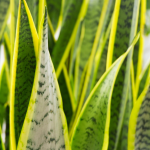
- Sansevieria trifasciata (mother-in-law’s tongue): This plant is extremely low-maintenance and can tolerate both sun and shade.
- Echeveria: This succulent plant is perfect for sunny balconies and can survive in temperatures up to 35°C (95°F).
- Bougainvillea: This flowering plant can tolerate high temperatures and is perfect for adding some color to your balcony.
Rainfall Considerations
Lisbon, Portugal receives an average of 774 millimeters (30 inches) of rainfall per year, with most of it occurring between November and March. Therefore, it is important to choose balcony plants that can tolerate both wet and dry conditions. Some good options include:
- Zinnias: These colorful flowers can tolerate both sun and shade and can survive in wet or dry conditions.
- Pelargoniums: These plants are also known as geraniums and can tolerate drought conditions.
- Begonias: These plants prefer shade and can tolerate wet conditions.
In addition to choosing the right plants, it is important to provide proper drainage for your balcony plants to prevent root rot. You can also consider using a watering system to ensure that your plants receive the right amount of water. With the right plants and care, your balcony can become a beautiful oasis in the heart of Lisbon.
Choosing the Right Plants
When it comes to choosing the right plants for your Lisbon balcony, there are several factors to consider. You’ll want to select plants that can thrive in the local climate and that are well-suited to the amount of sunlight your balcony receives. Here are some tips to help you choose the right plants for your balcony:
Native Plants
Native plants are a great choice for your balcony because they are well-adapted to the local climate. Some popular native plants in Portugal include cork oak, Portuguese laurel, and maritime pine. These plants can handle the intense sun that is common in Lisbon, Portugal, and are also well-suited to the local soil.
Non-Native Plants
If you’re looking for a wider variety of plants to choose from, non-native plants can be a great option. However, it’s important to choose plants that are well-suited to the local climate. Some non-native plants that do well in Lisbon include succulents, zinnias, pelargoniums, and coleus. These plants can handle the heat and sun and are also relatively low-maintenance.
When selecting plants for your balcony, it’s important to consider the amount of sunlight your balcony receives. If your balcony gets a lot of sun, look for plants that can handle the heat. If your balcony is in the shade for part of the day, consider plants that can still thrive in lower light conditions.
In addition to considering the climate and sunlight, you’ll also want to think about the size of your balcony and the weight of the plants you choose. Large plants in heavy pots can be difficult to move and may put too much weight on your balcony. Look for lightweight pots and smaller plants that can still add color and life to your balcony.
Overall, selecting the right plants for your Lisbon balcony is all about finding the right balance between climate, sunlight, and the size of your space. With a little bit of research and some careful planning, you can create a beautiful and thriving balcony garden that adds color and life to your home.
Plant Care Tips
Taking care of your balcony plants in Lisbon requires a bit of effort, but it’s worth it to have a beautiful and lush outdoor space. Here are some plant care tips to keep your balcony plants healthy and thriving.
Watering
Watering is crucial for the health of your plants, especially during hot and dry months. Be sure to water your plants regularly, but avoid overwatering, which can lead to root rot. Check the soil moisture level by sticking your finger into the soil. If the top inch of soil feels dry, it’s time to water. Use a watering can or hose with a gentle spray to avoid damaging the plants. Consider using a self-watering planter to make watering easier.
Fertilizing
Fertilizing provides essential nutrients to your plants, helping them grow and bloom. Use a slow-release fertilizer or liquid fertilizer every two weeks during the growing season. Be sure to follow the instructions on the fertilizer package, as over-fertilizing can damage your plants. Consider using organic fertilizers, such as compost or fish emulsion, to avoid chemical buildup in the soil.
Pruning
Pruning is essential to keep your plants healthy and looking their best. Regularly remove dead or yellowing leaves, as they can attract pests and diseases. Prune back overgrown or leggy branches to encourage bushier growth and more blooms. Use clean and sharp pruning shears to avoid damaging the plants. Consider training climbing plants to grow up a trellis or support to create a beautiful vertical garden.
By following these plant care tips, you can enjoy a beautiful and thriving balcony garden in Lisbon. Happy gardening!
Common Challenges and Solutions

This picture also has nothing to do with the subject matter, but I’ll bet there’s a bug in there somewhere!
Pest Control
One of the most common challenges that you may face is pest infestation. Pests such as aphids, spider mites, and whiteflies can quickly damage your plants if not dealt with promptly. To prevent pest infestations, it is important to keep your plants healthy by providing them with the right amount of water and nutrients.
If you do notice pests on your plants, there are a few natural solutions that you can try before resorting to chemical pesticides. For example, you can use neem oil, insecticidal soap, or a mixture of water and dish soap to control pests. You can also introduce natural predators such as ladybugs or lacewings to your balcony to help control pests.
Disease Prevention
Another challenge that you may face is plant diseases. Diseases such as powdery mildew, leaf spot, and root rot can quickly spread and damage your plants. To prevent plant diseases, it is important to keep your plants clean and dry. Make sure to remove any dead or diseased plant material and avoid overwatering your plants.
If you do notice signs of disease on your plants, there are a few natural solutions that you can try. For example, you can use a mixture of baking soda and water to control powdery mildew or a mixture of chamomile tea and water to prevent damping off. You can also use a copper-based fungicide to control fungal diseases.
Overall, with a little bit of knowledge and effort, you can easily overcome common challenges and keep your balcony plants thriving. By providing your plants with the right amount of water and nutrients, keeping them clean and dry, and using natural solutions to control pests and diseases, you can enjoy a beautiful and healthy balcony garden in Lisbon, Portugal.
Additional Resources
If you want to learn more about balcony plants in Lisbon, there are plenty of resources available. Here are a few options to consider:
- Atlas Lisboa: This website offers a comprehensive guide to the best balcony plants for Lisbon, including tips on how to care for them and where to buy them. They also have a helpful article on Lisbon balconies and nature, which includes information on which plants thrive in the city’s climate.
- The Portugal News: This online newspaper has several articles on balcony plants in Portugal, including a recent piece on plants for shady balconies. They also have a feature on blooming balconies, which offers advice on how to create a beautiful and fragrant outdoor space.
- Gardenia.net: This gardening website has a section dedicated to Portugal, with information on the best plants to grow in the country’s different climate zones. They also offer tips on how to care for container plants, which is especially helpful for those with limited outdoor space.
- Local nurseries and garden centers: If you want to see and touch the plants before you buy, head to one of Lisbon’s many nurseries or garden centers. Some popular options include Jardim da Estrela, Horto do Campo Grande, and Viveiros da Granja.
For further reading:
- The Ultimate Guide to Creating a Small Balcony Garden
- Balcony Gardening for Beginners: What You Need to Know
- How to Keep Your Fresh Flowers Looking Amazing
- Outdoor Entertaining in Your Balcony Garden: 5 Tips for a Big Party
Remember, the key to success with balcony plants is to choose the right plants for your space and to care for them properly. With a little research and effort, you can create a beautiful and thriving outdoor oasis right on your balcony.