Balcony Garden Paradise is reader-supported. When you buy through links on our site,
we may earn a small affiliate commission. Happy Gardening from the team! 🌿
If you’re looking for a peaceful escape from the hustle and bustle of city life in Chicago, the Chicago Botanic Garden is the perfect destination. This living museum and conservation science center is located in Glencoe, just a short trip from the city, and spans 385 acres of flora, footbridges, and waterways. With a variety of gardens, events, and programs, there’s always something new to explore at the Chicago Botanic Garden.
One of the highlights of the Chicago Botanic Garden is its diverse collection of plants. With over 2.6 million plants, including 27 display gardens and four natural areas, you can explore everything from bonsai and orchids to prairie and woodland habitats. The garden also offers a variety of educational opportunities, including classes, workshops, and tours, so you can learn more about the plants and ecosystems that make up this unique destination. Whether you’re a seasoned gardener or just looking for a peaceful stroll, the Chicago Botanic Garden has something for everyone.
History of Chicago Botanic Garden
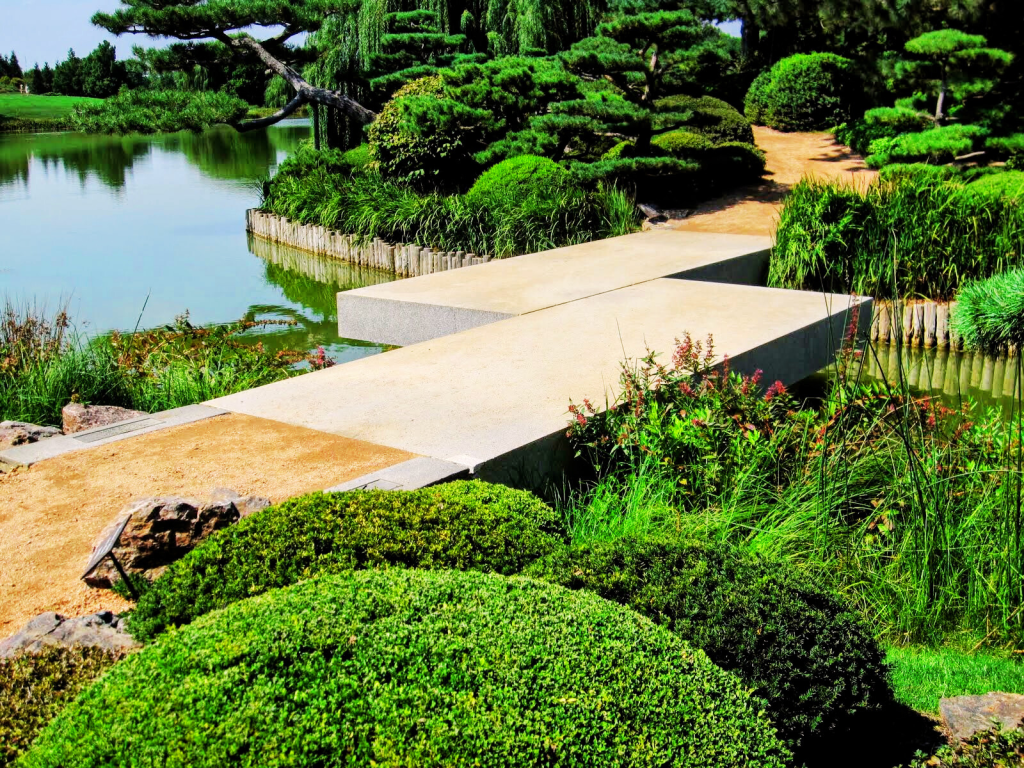
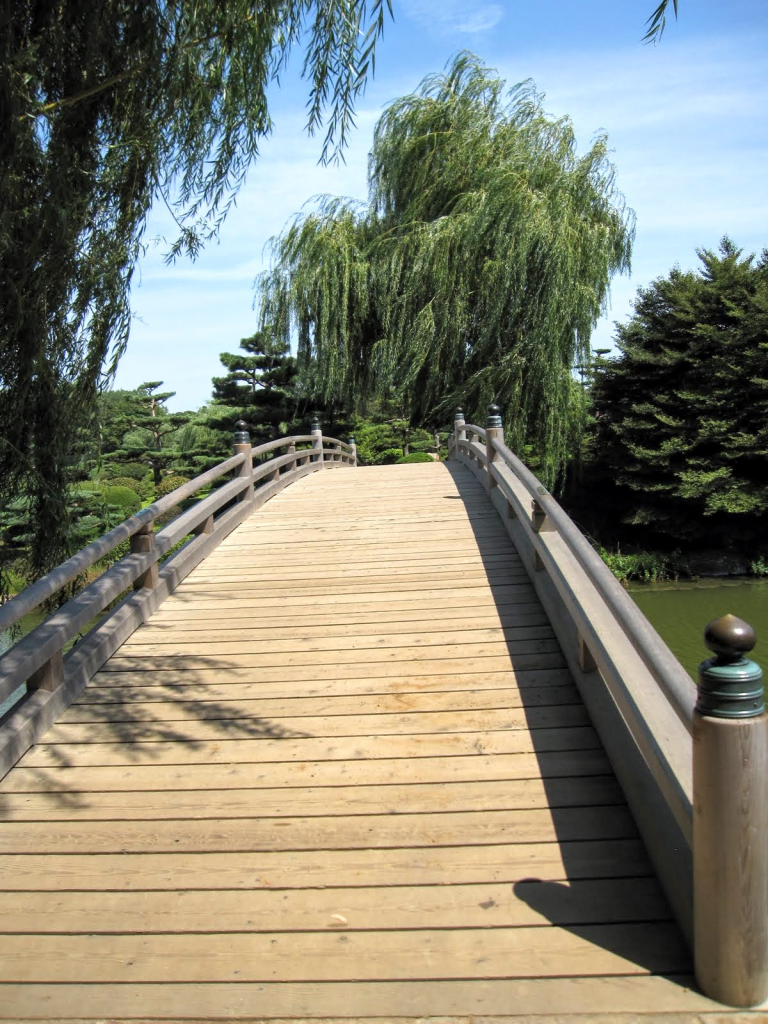
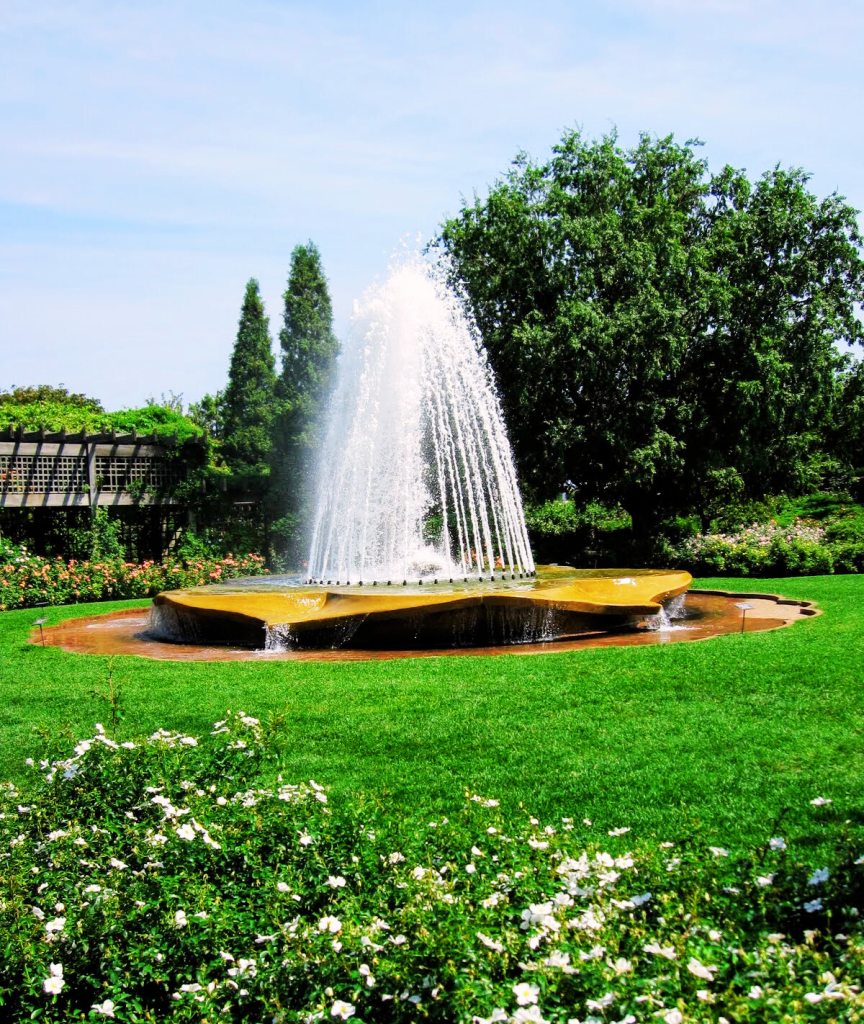
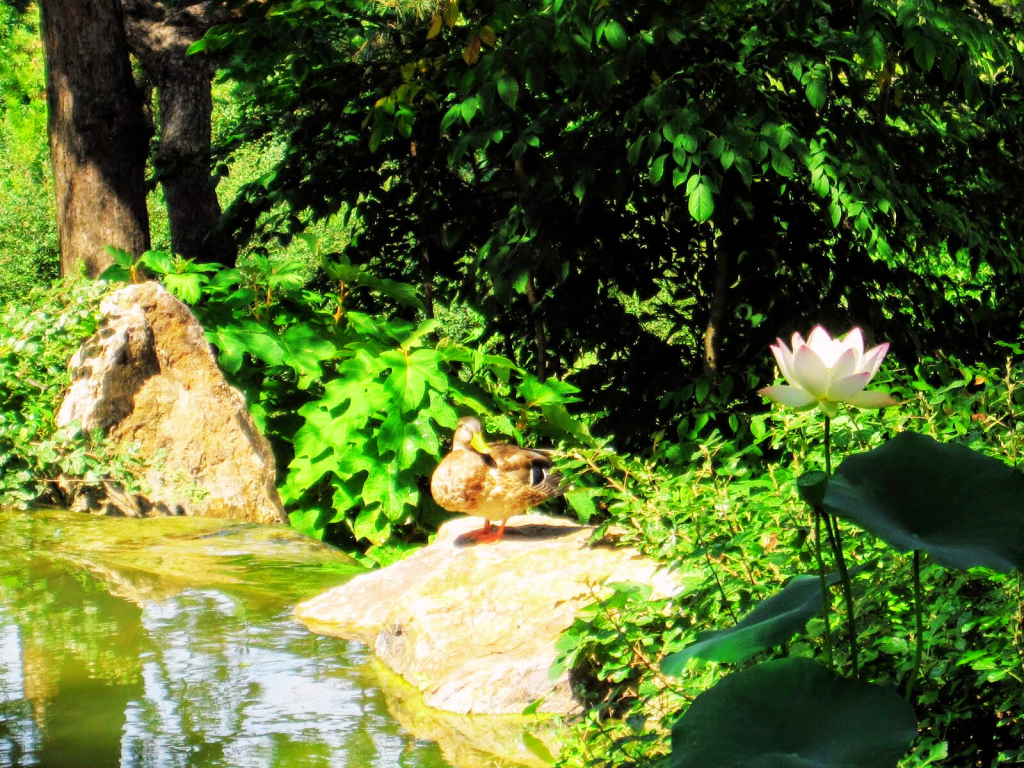
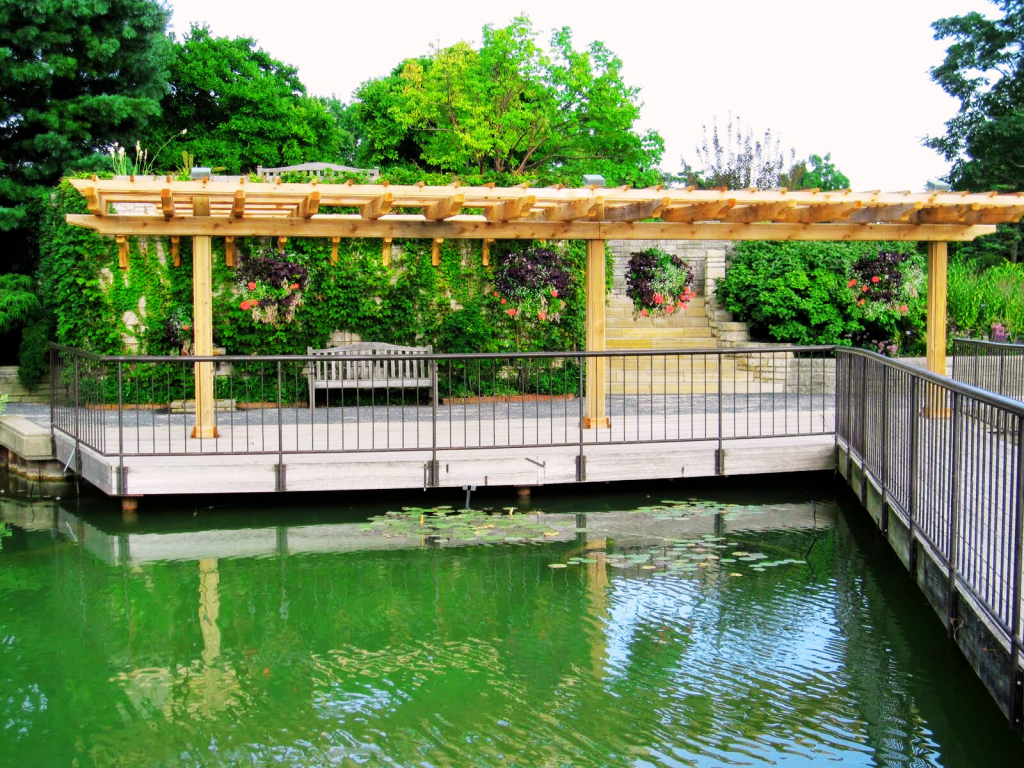
Chicago Botanic Garden is a living museum and conservation science center located in Glencoe, Illinois, United States. The garden opened to the public in 1972 and is spread over 385 acres of land. The garden is managed by the Chicago Horticultural Society, which was formed in 1890 to keep the city true to its motto of “Urbs in Horto” (Garden City).

The 2023 USDA Plant Hardiness Zone Map was created by Oregon State University (PRISM Climate Group) and released by the USDA.
Association with the Chicago Horticultural Society
The Chicago Botanic Garden is the culmination of nearly a century’s work by the Chicago Horticultural Society. The society lost much of its momentum in the early twentieth century, letting its charter lapse during the Great Depression. In the 1960s, the society began to reorganize under the leadership of William A. Johnson, who became the society’s president in 1966.
In 1968, the Chicago Horticultural Society purchased 385 acres of land in Glencoe, Illinois, with the help of a $1 million grant from the Illinois General Assembly. The land was originally a marshy area, and the society had to drain it and build up the soil before they could begin planting.
Designed by landscape architect John O. Simonds
The garden was designed by the landscape architect John O. Simonds and opened to the public in 1972. Since then, the garden has grown to include 27 display gardens and four natural areas. The garden is also home to the Joseph Regenstein Jr. School of the Chicago Botanic Garden, which offers educational classes and certificate programs.
Accreditations
The Chicago Botanic Garden is accredited by the American Alliance of Museums and is a member of the American Public Gardens Association. The garden attracts more than one million visitors each year and is an important center for plant research and conservation.
Location and Accessibility
If you’re looking for a place to escape the hustle and bustle of the city, the Chicago Botanic Garden is the perfect destination. Located at 1000 Lake Cook Road in Glencoe, Illinois, the garden is easily accessible by car or public transportation.
If you’re driving, you can take the Kennedy Expressway (I-90/94) west to Edens Expressway (I-94) and U.S. Route 41. Exit at Lake Cook Road and travel ½ mile east to the Garden. If you’re coming from the north, head south on U.S. Route 41 or I-294. Accessible parking is located in parking lots 1 and 2.
For those who prefer to use public transportation, the garden is accessible by train and bus. You can take the Metra Union Pacific North Line to the Braeside Station, which is located just a short walk from the garden. Alternatively, you can take the Pace Bus 213, which stops at the garden entrance.
Once you arrive at the garden, you’ll find that nearly all areas of the garden are accessible by wheelchair, as are the tram tours. Electronic Convenience Vehicles (ECVs) are also available for rent on a first-come, first-served basis. Wheelchairs are available free at the Information Desk in the Visitor Center.
In summary, the Chicago Botanic Garden is easily accessible by car or public transportation and offers a variety of options for visitors with disabilities. Whether you’re looking to escape the city for a few hours or spend the day exploring the garden’s 385 acres of nature, beauty, and respite, the Chicago Botanic Garden is the perfect destination.
Garden Layout
The Chicago Botanic Garden is spread across 385 acres of land. It features 27 display gardens and four natural habitats. The garden is divided into several sections, each with its unique features and attractions.
Main Island
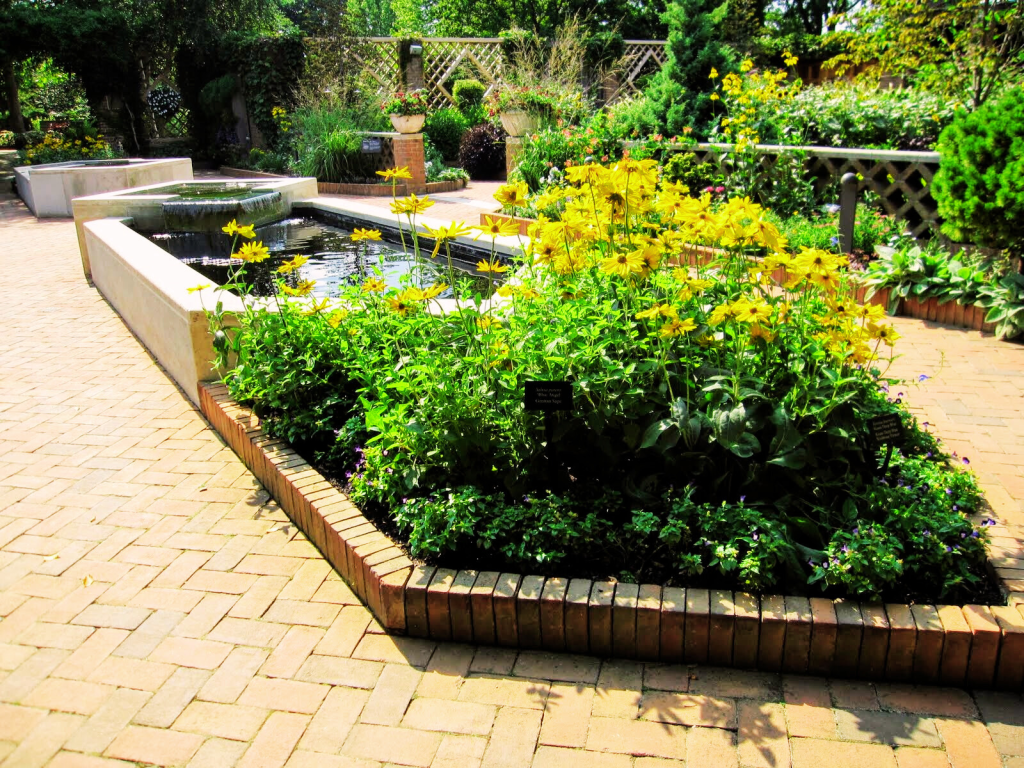
The Main Island is the heart of the garden and features several display gardens, including the Crescent Garden, Circle Garden, and the Bulb Garden. The Crescent Garden is a half-moon-shaped garden that features colorful annuals and perennials. The Circle Garden is a formal garden that features a central fountain and geometrically arranged flower beds. The Bulb Garden is a spring garden that features over 50,000 tulips, daffodils, and other bulbs.
Lakeside Gardens
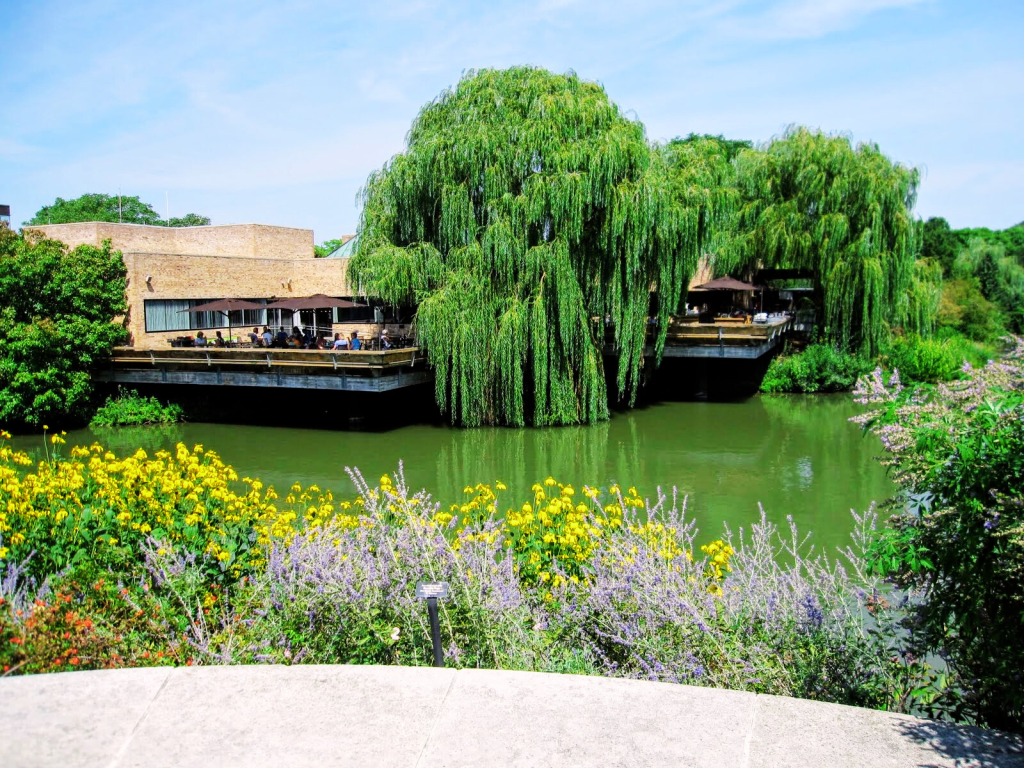
The Lakeside Gardens are located on the east side of the garden and offer stunning views of Lake Michigan. The gardens feature several display gardens, including the English Walled Garden, the Waterfall Garden, and the Evening Island. The English Walled Garden is a formal garden that features a central fountain and a variety of perennials. The Waterfall Garden is a naturalistic garden that features a cascading waterfall and a variety of water-loving plants. The Evening Island is a hilltop garden that offers stunning views of the lake and features a variety of plants that bloom in the evening.
Japanese Garden
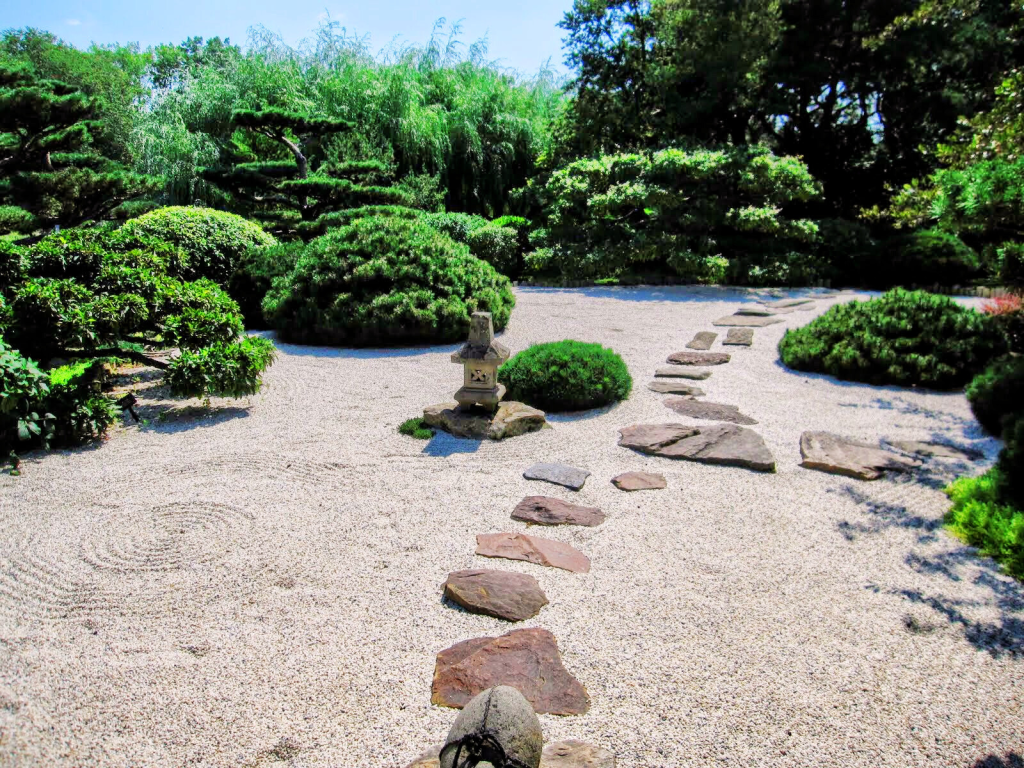

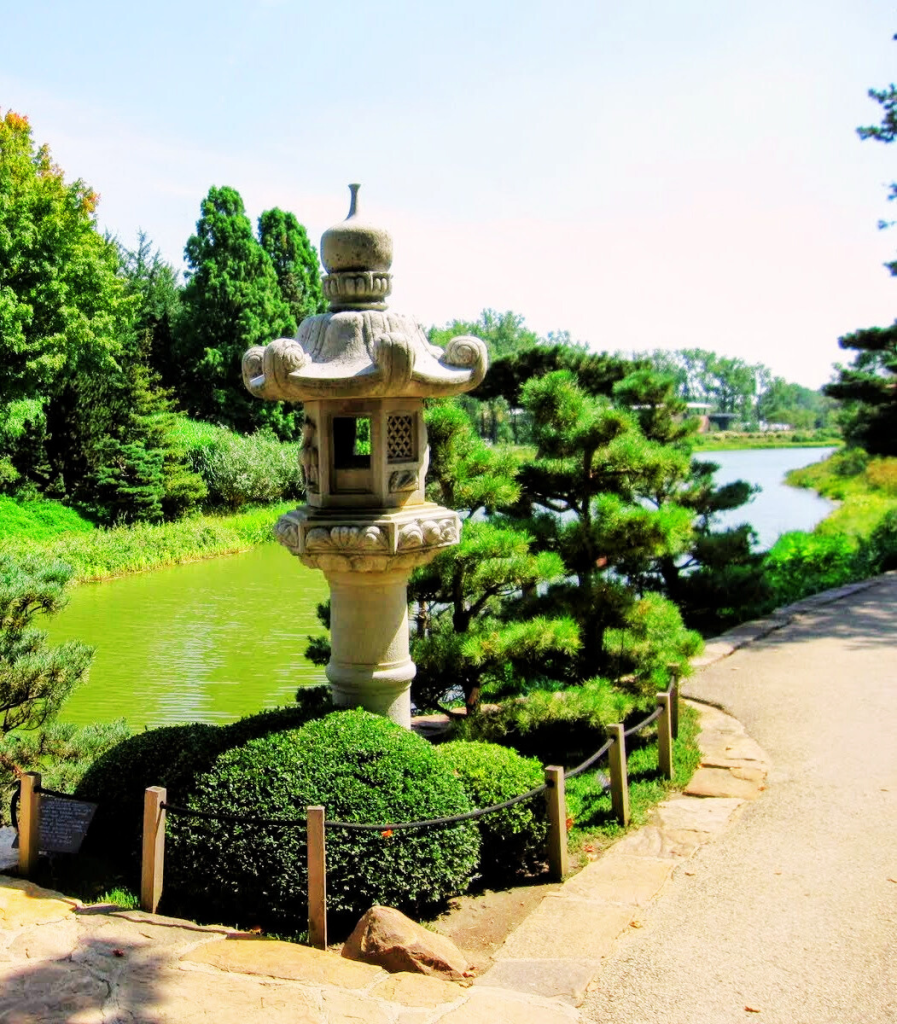
The Japanese Garden is one of the most popular gardens in the Chicago Botanic Garden. The garden features several traditional Japanese elements, including a Shinto shrine, a tea house, and a dry garden. The garden also features a variety of Japanese plants, including Japanese maples, cherry trees, and bamboo.
Regenstein Fruit & Vegetable Garden
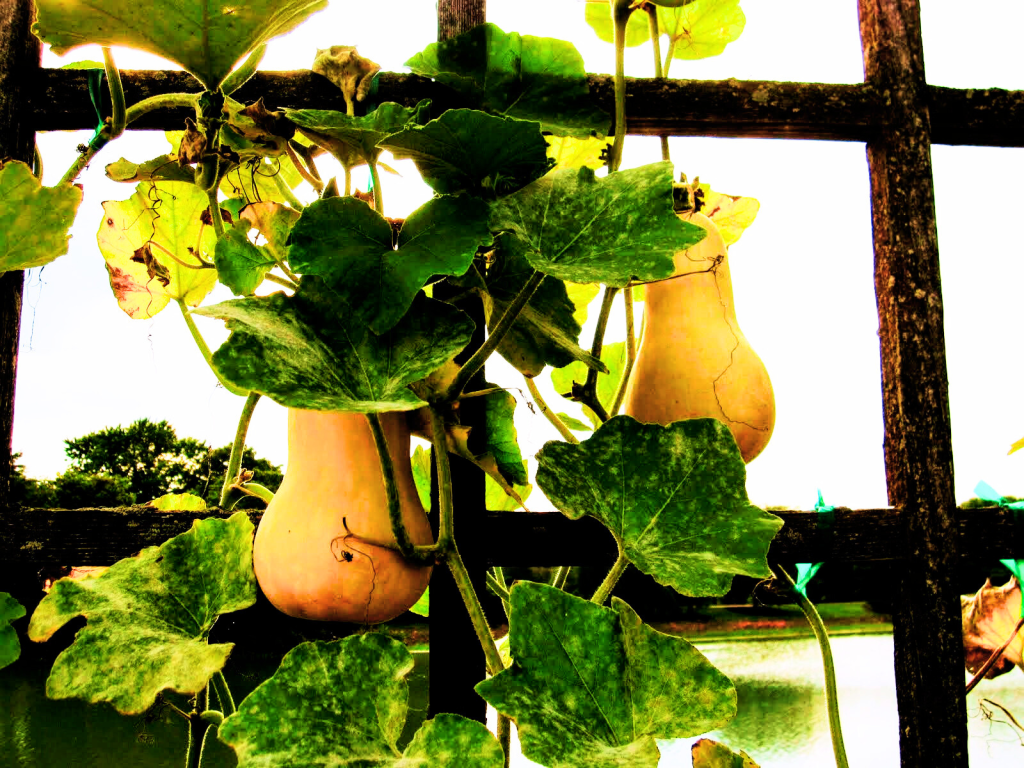
The Regenstein Fruit & Vegetable Garden is a 4-acre garden that features a variety of fruits, vegetables, and herbs. The garden is divided into several sections, including the Herb Garden, the Children’s Garden, and the Fruit Garden. The Herb Garden features a variety of culinary and medicinal herbs, while the Children’s Garden offers hands-on activities for kids. The Fruit Garden features a variety of fruits, including apples, pears, and berries.
Dixon Prairie
The Dixon Prairie is a 15-acre naturalistic garden that features over 250 species of native grasses and wildflowers. The prairie is divided into several sections, each with its unique features and attractions. The prairie also features several walking paths that offer stunning views of the garden.
Overall, the Chicago Botanic Garden offers a wide variety of gardens and habitats to explore.
Flora and Fauna
When it comes to flora and fauna, the Chicago Botanic Garden has a diverse collection of both native and exotic species. Let’s take a closer look at what you can expect to see.
Native Plants
The Chicago Botanic Garden is home to a variety of native plants that are indigenous to the Midwest region of the United States. These plants are well adapted to the local climate and soil conditions, making them an important part of the ecosystem. Some of the native plants you’ll find at the garden include:
- Wildflowers such as asters, black-eyed susans, and coneflowers
- Trees such as oaks, maples, and hickories
- Shrubs such as dogwoods, viburnums, and serviceberries
- Grasses such as big bluestem, little bluestem, and switchgrass
Exotic Species
In addition to native plants, the Chicago Botanic Garden also features a collection of exotic species from around the world. These plants have been carefully selected for their beauty, uniqueness, and educational value. Some of the exotic species you’ll find at the garden include:
- Orchids from tropical rainforests
- Cacti from the deserts of the Southwest
- Bonsai trees from Japan
- Roses from Europe and Asia
The Chicago Botanic Garden has something for everyone. Take a stroll through the gardens and see for yourself the beauty and diversity of the flora and fauna on display.
Sculpture
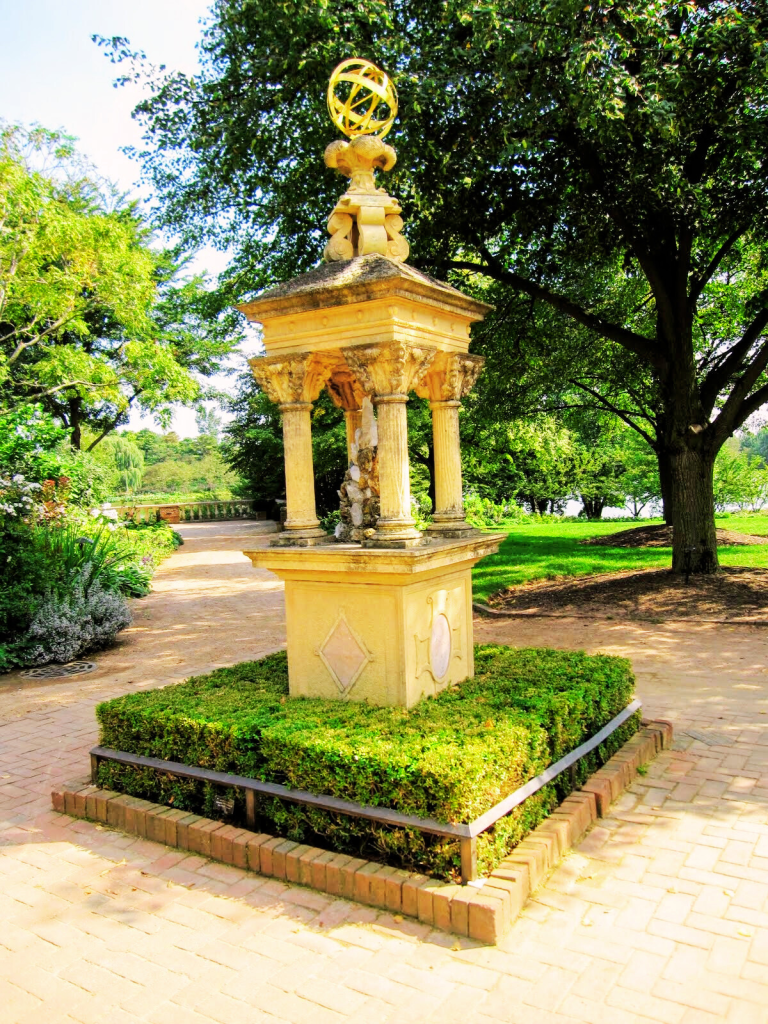

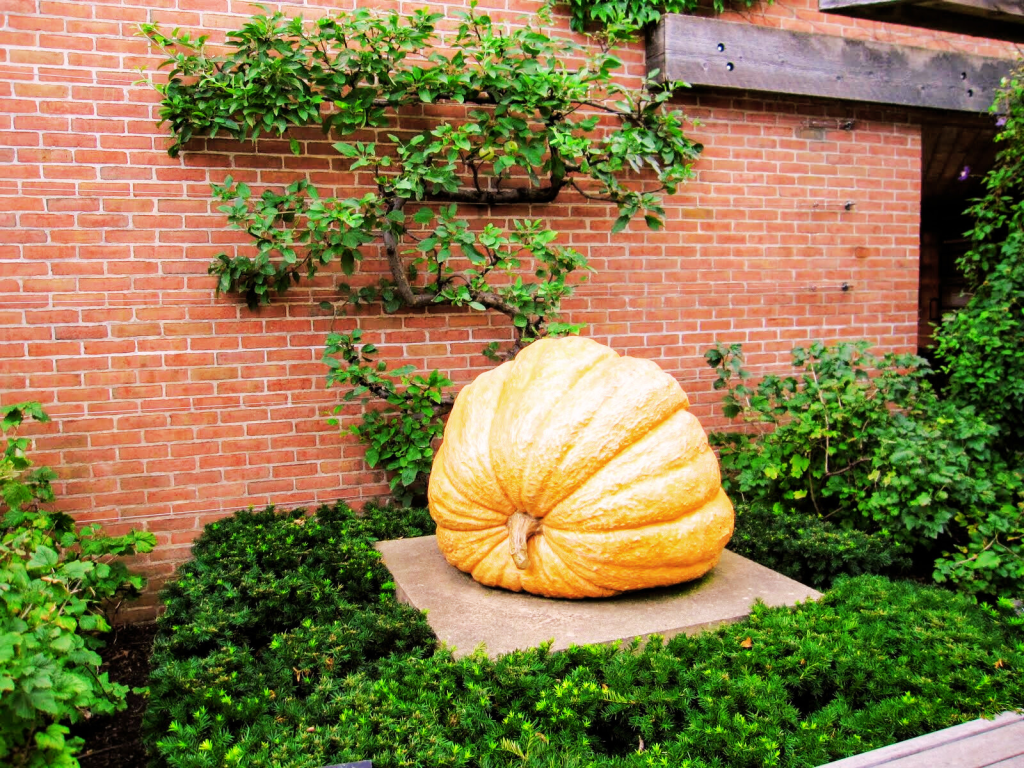
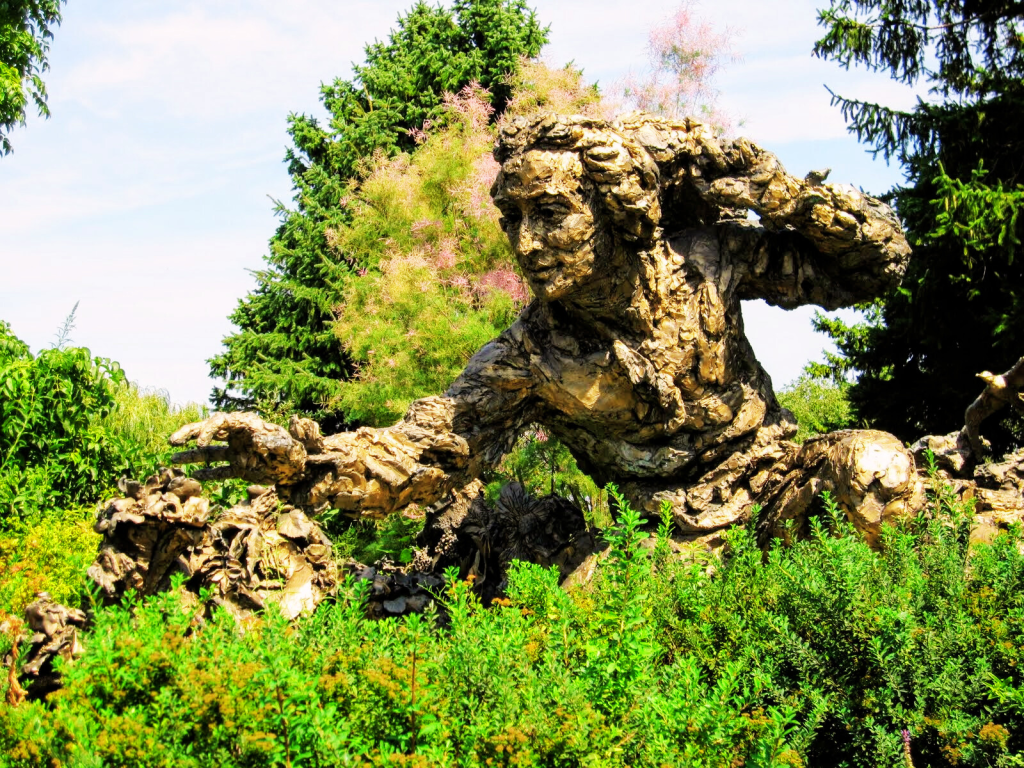
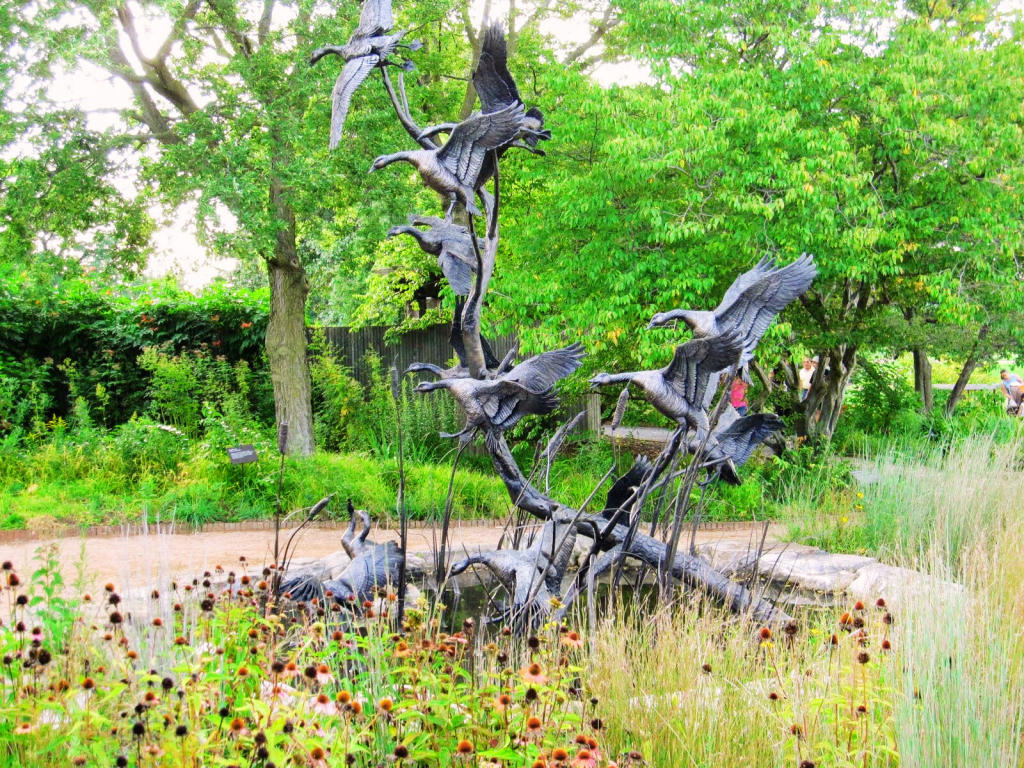
The Chicago Botanic Garden is home to a diverse collection of sculptures that add to the beauty of the gardens. The sculptures are spread throughout the 385-acre area and include works by renowned artists such as Gregory Glasson, Margot McMahon, William Turner, and David Turner. Visitors can admire various sculptures, including bronze pieces that depict Canada Geese and a Boy Gardener. The sculptures are thoughtfully placed throughout the gardens, adding to the natural beauty and creating a unique and memorable experience for visitors.
Educational Programs
The Chicago Botanic Garden offers a variety of educational programs for visitors of all ages. Below are two sub-sections that highlight some of the educational opportunities available.
Adult Education
The Chicago Botanic Garden offers a wide range of adult education programs, including art classes, gardening classes, certificate programs, and much more. These programs are designed to engage your senses, discover hidden talents, and explore a more personal relationship with plants and the environment.
Some of the adult education programs include an Introduction to Design Principles, Needle-felted Pumpkin, Demonstration Cooking: Bombay Wraps, Oaks: A Natural History, Embroidery Basics, and Bird Walk: Barbara Brown Nature Reserve. These programs are led by experienced instructors and are suitable for both beginners and advanced learners.
Children’s Programs
The Chicago Botanic Garden offers a variety of educational programs for children of all ages. These programs engage children in hands-on learning experiences that foster a love of nature and the environment.
Some of the children’s programs include the Little Diggers program for children ages 2-5, the Garden Explorers program for children ages 6-8, and the Green Youth Farm program for teenagers. These programs include activities such as planting seeds, exploring the garden, and learning about the natural world.
In addition to these programs, the Chicago Botanic Garden also offers family programs, summer camps, and school group programs. These programs provide children with opportunities to learn and explore in a fun and engaging way.
Overall, the educational programs offered by the Chicago Botanic Garden are a great way to learn about plants, nature, and the environment. Whether you are an adult looking to learn a new skill or a child looking to explore the natural world, there is something for everyone at the Chicago Botanic Garden.
Research and Conservation Efforts
Chicago Botanic Garden is renowned for its research and conservation efforts. The Negaunee Institute’s science program focuses on five core areas aimed at understanding the diversity of plants and fungi, mitigating diversity loss, laying the foundation for healthy ecosystems, studying interactions between plants, fungi, and animals, and investigating connections between people and plants.
The Garden’s research addresses key needs in plant conservation and restoration science, practice, and policy. The Synthesis Center for Conservation and Restoration brings diverse perspectives together to enable analysis, synthesis, and collaboration. The center aims to address the challenges of restoring ecosystems and conserving biodiversity in the face of climate change, habitat loss, and other threats.
The Garden recently received a $21 million gift from the Negaunee Foundation to advance plant conservation science and restoration. This gift is the largest single gift in the Garden’s history and among the largest of its kind to a botanic garden in the United States. The Garden and Forest Preserves of Cook County are deploying “native winner” plant species to develop an effective, economically sustainable, low-input adaptive management strategy for improving floral resources and ecosystem services.
The Garden’s conservation research includes working with other botanic gardens around the world to develop conservation and reintroduction plans modeled after the ones used by zoos to protect endangered animal species. This research is aimed at ensuring that endangered plant species are protected and preserved for future generations.
Overall, the Garden’s research and conservation efforts are critical for understanding and protecting the world’s plant diversity. Through its work, the Garden is helping to ensure that future generations will be able to enjoy the beauty and benefits of plants and fungi.
Visitor Information
If you’re planning to visit the Chicago Botanic Garden, here’s some important information you should know.
Opening Hours
The Chicago Botanic Garden is open every day of the year, with the exception of Thanksgiving Day and Christmas Day. The Garden’s hours of operation vary depending on the season. From April to October, the Garden is open from 7:00 a.m. to 9:00 p.m. From November to March, the Garden is open from 8:00 a.m. to 5:00 p.m. Please note that some areas of the Garden may close earlier than the general closing time.
Admission Fees
Admission to the Chicago Botanic Garden is free, but parking fees apply. Parking fees vary depending on the day of the week and the time of year. From April to October, parking fees are $30 per car on weekdays and $35 per car on weekends and holidays. From November to March, parking fees are $25 per car on weekdays and $30 per car on weekends and holidays. Members of the Garden receive free parking.
If you’re planning to visit the Garden frequently, consider becoming a member. Members enjoy free parking, discounts on classes and events, and other benefits. Membership fees vary depending on the level of membership you choose.
The Garden also offers discounted admission to seniors, students, and military personnel. Please check the Garden’s website for current admission fees and discounts.
We hope this information helps you plan your visit to the Chicago Botanic Garden. If you have any further questions, please don’t hesitate to contact the Garden’s Visitor Information Center.
Special Events and Exhibitions
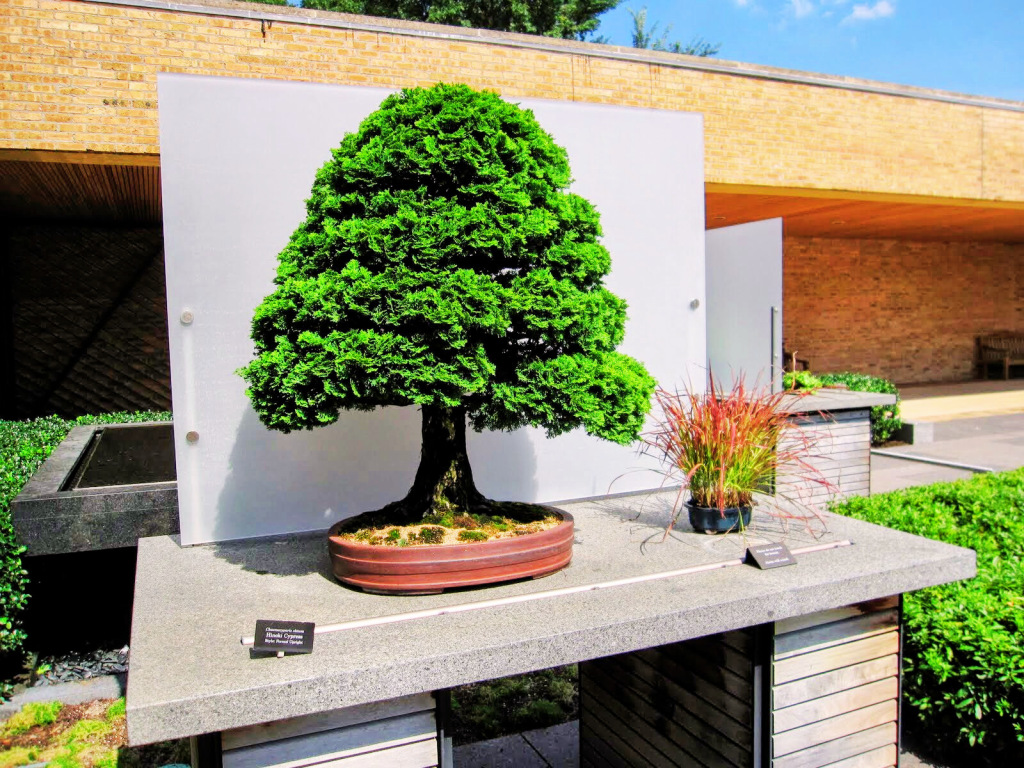
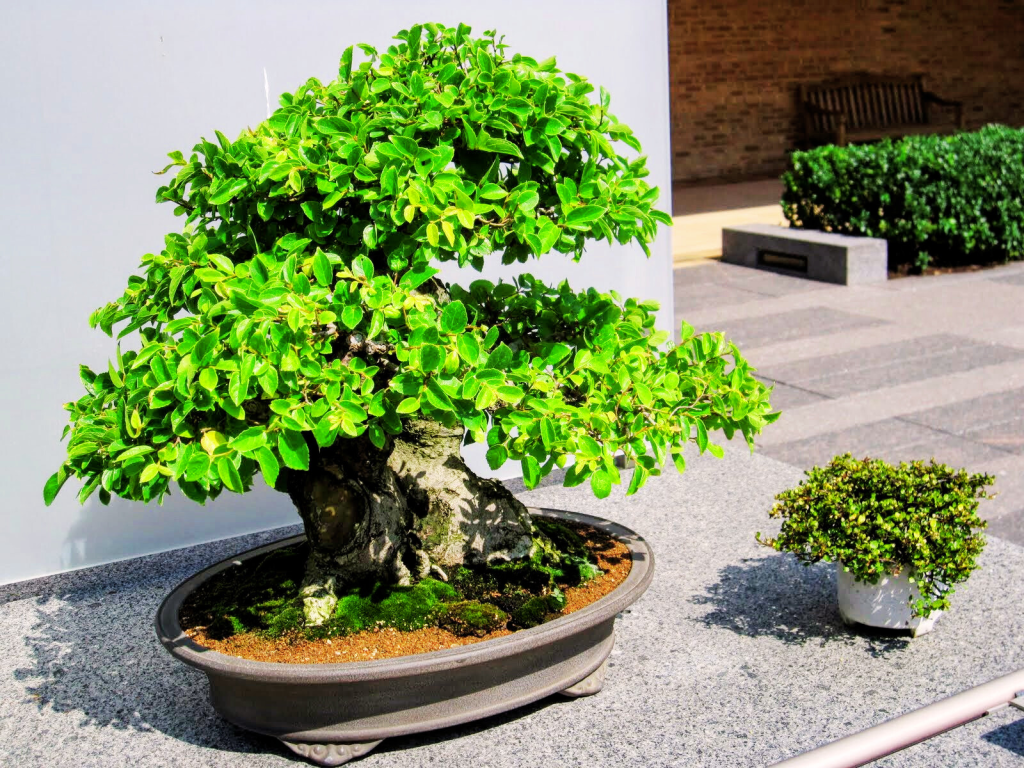
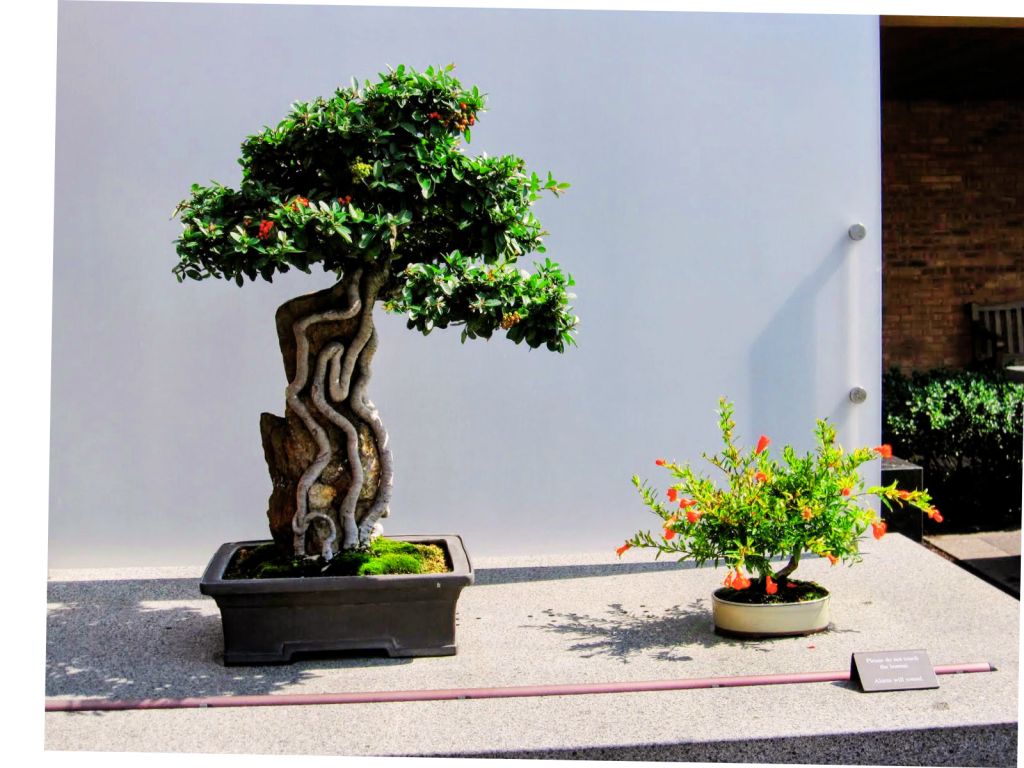
The Chicago Botanic Garden is not only a beautiful place to visit but also has a variety of special events and exhibitions throughout the year. A perennial favorite is the Bonsai Gallery (shown above). Here are a few of the upcoming events and exhibitions you might want to check out:
Exhibitions
The Garden presents a wide variety of exhibitions throughout the year, including horticultural displays, fine photography, and artwork. Most exhibitions take place in the Garden’s Regenstein Center. Some of the past exhibitions include “Drawn from Nature,” an annual botanical art exhibition featuring selected artwork by students and instructors of the Joseph Regenstein, Jr. School of the Chicago Botanic Garden, and “Flourish: The Garden at 50,” an exhibition celebrating the Garden’s 50th anniversary.
Special Exhibition Packages
The Chicago Botanic Garden also offers special exhibition packages that allow you to experience the Garden in a unique way. For example, from November 2022 to January 2023, you can host your next holiday outing at the Garden and experience the “Lightscape” exhibition. This evening holiday light show transforms the Garden into a festive, magical world of light, art, and sound.
Featured Events
In addition to exhibitions, the Garden also hosts a variety of featured events throughout the year. One of the most popular events is the “Dog Days” event, where for two very special hours only, dogs are allowed in the Garden. Another popular event is the “After Hours Buzz” event, where you can chat with a Garden scientist over cocktails on Thursday evenings.
Be sure to check the Garden’s calendar for a complete list of upcoming events and exhibitions.
Volunteering Opportunities
If you are interested in volunteering at the Chicago Botanic Garden, there are many opportunities available. The Garden relies heavily on volunteers to help with a variety of tasks, from weeding and deadheading to pot washing and weekend watering.
One way to get involved is to participate in ongoing opportunities with the Garden. These opportunities vary depending on the season and the needs of the Garden, but they typically involve working in the various gardens and landscapes, as well as in the greenhouses and plant production areas. You can find a list of ongoing opportunities on the Volunteer Center Helps website.
Another option is to participate in one of the Garden’s special events. The Garden hosts a variety of events throughout the year, including plant sales, festivals, and educational programs. The Chicago Botanic Garden needs volunteers to help with everything from set-up and tear-down to staffing information booths and assisting with children’s activities.
If you are interested in volunteering as a group, the Garden offers group volunteer opportunities. These opportunities are ideal for corporate groups, school groups, and other organizations looking to give back to the community. Group volunteer activities typically involve working on large-scale projects, such as planting or maintaining a garden.
No matter what type of volunteer opportunity you choose, you will receive training and support from Garden staff and experienced volunteers. In addition, volunteers receive a variety of benefits, including free admission to the Garden, discounts at the Garden Shop and Café, and invitations to special events and programs.
Volunteering at the Chicago Botanic Garden is a great way to give back to the community, learn new skills, and meet new people. If you are interested in volunteering, visit the Garden’s volunteer page to learn more about the opportunities available and to submit an application.
Future Developments
The Chicago Botanic Garden is constantly evolving and improving to better serve its visitors. Here are some of the future developments that you can look forward to:
Regenstein Learning Campus
The Regenstein Learning Campus is a new 7-acre campus. The campus will feature a variety of learning spaces, including classrooms, labs, and outdoor learning areas. This new campus will allow the Chicago Botanic Garden to expand its educational programs and provide more opportunities for visitors to learn about the environment and conservation.
Plant Science Center
The Plant Science Center is a new research facility that will be dedicated to the study of plant science and conservation. The center will feature state-of-the-art labs and greenhouses, as well as a public exhibit space. The center will allow the Chicago Botanic Garden to expand its research efforts and develop new techniques for plant conservation.
Gateway to the Garden
The Gateway to the Garden project is a new entrance and welcome center that will provide visitors with a more welcoming and accessible entrance to the Chicago Botanic Garden. The project will include a new visitor center, a new parking garage, and a new entrance plaza. The Gateway to the Garden project will make it easier for visitors to access the Chicago Botanic Garden and provide them with a more enjoyable experience.
Other Improvements
In addition to these major projects, the Chicago Botanic Garden is constantly making smaller improvements to enhance the visitor experience. Recent improvements include the addition of new gardens and exhibits, the renovation of existing facilities, and the installation of new technology and infrastructure. These improvements ensure that the Chicago Botanic Garden remains a world-class destination for plant lovers and nature enthusiasts.
Related Articles:
- Brand Park in Glendale, CA: A Guide to the City’s Hidden Gem
- Santa Monica Flowers and Plants: A Floral Tour of Paradise