Balcony Garden Paradise is reader-supported. When you buy through links on our site,
we may earn a small affiliate commission. Happy Gardening from the team! 🌿
Japanese maples are a popular choice for balcony gardens due to their stunning foliage and compact size. These trees can add a touch of elegance and beauty to any outdoor space, no matter how small. In this article, we will discuss the benefits of having a balcony garden with Japanese maples, as well as how to choose the right tree for your space and how to care for it properly. For a great step-by-step overview of planting a container Japanese Maple, check out Jim Putnam’s video, “Picking A Japanese Maple And Container Planting It“. Also, for information from a Japanese Maple expert, see John Heider’s article, “How To Plant A Japanese Maple In A Pot, Planter or Container“.
One of the main benefits of growing Japanese maples on your balcony is their aesthetic appeal. These trees come in a variety of colors and shapes, ranging from bright reds and oranges to delicate greens and yellows. They can add a pop of color and texture to your balcony garden, creating a peaceful and relaxing environment. Additionally, Japanese maples are relatively low-maintenance, making them an ideal choice for beginners or those with busy schedules.
To successfully grow Japanese maples on your balcony, it is important to choose the right tree for your space and to properly prepare the container and soil. You will also need to provide your tree with the right amount of sunlight, water, and nutrients to keep it healthy and thriving. By following these steps, you can enjoy the beauty and benefits of a balcony garden with Japanese maples for years to come.
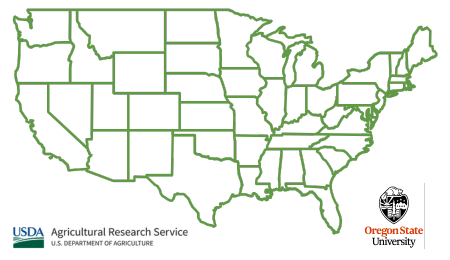
The 2023 USDA Plant Hardiness Zone Map was created by Oregon State University (PRISM Climate Group) and released by the USDA.
Key Takeaways
- Japanese maples are a popular choice for balcony gardens due to their stunning foliage and low-maintenance nature.
- To successfully grow Japanese maples on your balcony, it is important to choose the right tree for your space and to properly prepare the container and soil.
- By providing your tree with the right amount of sunlight, water, and nutrients, you can enjoy the beauty and benefits of a balcony garden with Japanese maples.
Benefits of a Balcony Garden with Japanese Maples

If you are looking for a way to add beauty and elegance to your balcony garden, Japanese maples are an excellent choice. These ornamental trees are easy to care for and come in a variety of colors and sizes. In this section, we will discuss the benefits of having a balcony garden with Japanese maples.
Aesthetic Value
Japanese maples are known for their stunning foliage, which comes in a range of colors, including red, green, and purple. They are also available in different shapes and sizes, making them perfect for any balcony garden. The rounded shapes of Japanese maples can add balance next to the hard lines and squared shapes of the house. Placing them next to the house also protects these cold-sensitive trees from drying winter winds.
In addition to their beauty, Japanese maples are also great for creating a sense of privacy on your balcony. By placing them strategically, you can block unwanted views and create a cozy atmosphere. You can also use them to create a focal point on your balcony, drawing the eye and adding interest to your space.
Environmental Benefits
In addition to their aesthetic value, Japanese maples also offer a range of environmental benefits. They are excellent for purifying the air, removing pollutants such as carbon dioxide and nitrogen dioxide. This makes them perfect for urban environments, where air quality can be a concern.
Japanese maples also provide shade, which can help to cool your balcony and reduce your energy bills. In the summer months, the shade provided by these trees can help to keep your balcony cool and comfortable. This can be especially beneficial if you live in a hot and humid climate.
In conclusion, a balcony garden with Japanese maples can offer a range of benefits, including aesthetic value and environmental benefits. These ornamental trees are easy to care for and can add beauty and elegance to any balcony garden. With their stunning foliage and range of colors, Japanese maples are the perfect addition to any balcony garden.
Choosing the Right Japanese Maple for Your Balcony Garden
When it comes to choosing the right Japanese maple for your balcony garden, there are a few key factors to consider. In this section, we’ll discuss the size and shape, sunlight and shade requirements, as well as soil and water needs of Japanese maples.
Size and Shape
Japanese maples come in a variety of sizes and shapes. Some are small and compact, while others can grow quite large. For a balcony garden, it’s important to choose a Japanese maple that will fit comfortably in your space. Dwarf varieties, such as the Acer palmatum ‘Katsura’, are a great choice for smaller balconies. If you have more space, consider a larger variety, such as the Acer palmatum ‘Bloodgood’.
In addition to size, the shape of the Japanese maple is also important. Some varieties have an upright growth habit, while others are more weeping. Consider the overall look you want to achieve in your balcony garden when choosing the shape of your Japanese maple.
Sunlight and Shade Requirements
Japanese maples prefer partial shade to full sun. When choosing a location for your Japanese maple on your balcony, consider the amount of sunlight the area receives throughout the day. If your balcony gets full sun all day, choose a location that offers some shade during the hottest parts of the day.
Soil and Water Needs
Japanese maples prefer well-draining soil that is rich in organic matter. When planting your Japanese maple in a container, choose a high-quality potting mix that is specifically formulated for container gardening. Water your Japanese maple regularly, keeping the soil moist but not waterlogged.
In summary, when choosing the right Japanese maple for your balcony garden, consider the size and shape, sunlight and shade requirements, as well as the soil and water needs of the variety you are interested in. By taking these factors into consideration, you can ensure that your Japanese maple thrives in your balcony garden.
Container and Soil Preparation
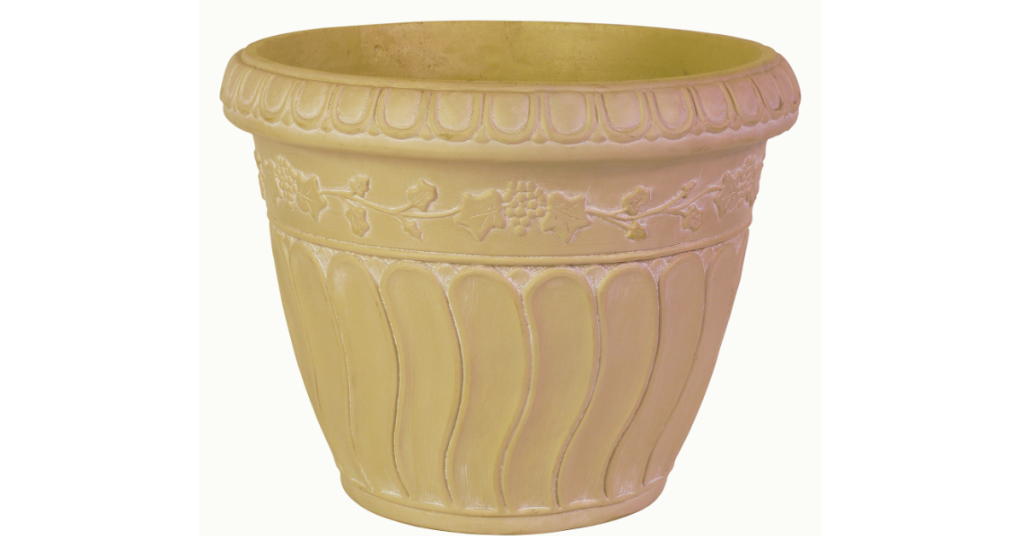
When it comes to growing Japanese maples on a balcony, container and soil preparation are crucial. In this section, we will discuss everything you need to know about selecting the right container and preparing the soil for your Japanese maple.
Container Selection
Choosing the right container is the first step in growing Japanese maples on a balcony. You want to select a container that is large enough to accommodate the tree’s root system and provide ample space for growth. A container that is too small can restrict root growth and cause the tree to become stunted.
When selecting a container, consider the following factors:
- Size: A container that is at least 18 inches in diameter and 16 inches deep is ideal for growing Japanese maples.
- Material: Choose a container made of durable, lightweight material such as plastic, fiberglass, or resin.
- Drainage: Make sure the container has adequate drainage holes to prevent water from pooling around the roots.
Soil Preparation
Preparing the soil is just as important as selecting the right container. Japanese maples prefer well-draining soil that is rich in organic matter. Follow these steps to prepare the soil for your Japanese maple:
- Choose a high-quality potting soil that is specifically formulated for container gardening. Avoid using garden soil, which can be too heavy and compact for container gardening.
- Mix in a slow-release fertilizer according to the package instructions. This will provide your Japanese maple with the necessary nutrients for healthy growth.
- Add a layer of mulch on top of the soil to help retain moisture and regulate soil temperature.
By following these container and soil preparation tips, you can ensure that your Japanese maple thrives on your balcony.
Planting and Care
When it comes to growing Japanese maples on a balcony, it’s important to choose the right pot size and soil type to ensure proper growth and care. Here are some tips to help you plant and care for your Japanese maple:
Planting
- Choose a well-draining soil mix that’s rich in organic matter and nutrients.
- Use a pot that’s at least double the size of the tree’s root ball, but avoid going larger than double the size to prevent waterlogging.
- Plant the Japanese maple in the pot at the same depth it was growing in its previous container.
- Water the tree thoroughly after planting to help settle the soil and eliminate air pockets.
Watering and Fertilizing
- Water the Japanese maple regularly, but avoid overwatering as it can lead to root rot.
- Allow the soil to dry out slightly between waterings.
- Fertilize the tree in the spring with a slow-release fertilizer that’s high in nitrogen to promote healthy growth.
- If growing the tree in a pot, feed it every spring with a slow-release fertilizer and keep the soil moist but not overly wet.
Pruning and Maintenance
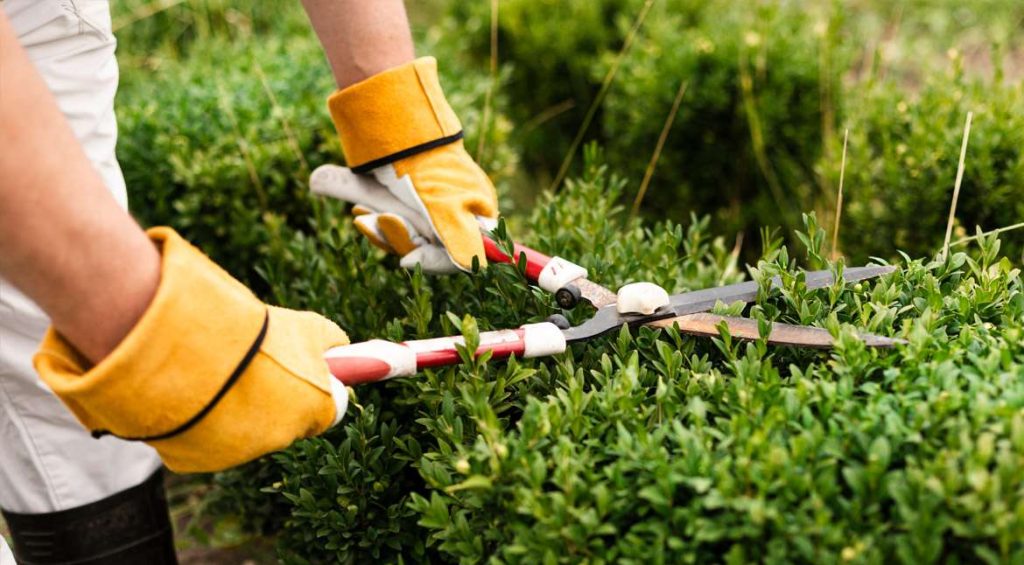
- Prune the Japanese maple in the late winter or early spring before new growth appears.
- Remove any dead, damaged, or diseased branches, as well as any crossing or rubbing branches.
- Thin out the canopy to allow more light and air to reach the interior of the tree.
- Watch for pests and diseases, and treat them promptly to prevent further damage.
By following these planting and care tips, you can ensure your Japanese maple thrives on your balcony and adds a beautiful touch of nature to your outdoor space.
Common Pests and Diseases
Japanese maples are an excellent choice for balcony gardens due to their compact size and stunning foliage. However, like all plants, they are susceptible to pests and diseases. Here are some common pests and diseases that can affect Japanese maples and how to identify, prevent, and treat them.
Identification
One of the most common pests that can affect Japanese maples is aphids. These soft-bodied insects have two visible tailpipes and come in a range of colors, including shades of brown or green. Aphids suck plant sap from the tree, causing leaves to wilt, curl, and pucker. Another common pest is borers, which drill into the bark and tunnel along the trunk and branches, leaving tiny clumps of sawdust.
Japanese maples are also susceptible to fungal diseases such as powdery mildew, which is characterized by blackening of the leaves and a white coating. Over time, the leaves will shrivel up and fall off. Another fungal disease that can affect Japanese maples is verticillium wilt, which causes yellowing and wilting of leaves.
Prevention
Prevention is the best way to avoid pests and diseases in Japanese maples. Here are some tips to keep your trees healthy:
- Water your Japanese maples regularly, but avoid overwatering.
- Provide good drainage to prevent waterlogged roots.
- Keep the soil around your Japanese maples free of weeds and debris.
- Prune your trees regularly to remove dead or damaged branches and promote air circulation.
- Avoid overcrowding your balcony garden, as this can lead to increased humidity and pest problems.
Treatment
If you notice signs of pests or diseases in your Japanese maples, it’s important to take action quickly to prevent further damage. Here are some treatment options:
- For aphids, you can use insecticidal soap or neem oil to kill the insects and prevent further infestations.
- For borers, you may need to use a systemic insecticide that is absorbed by the tree to kill the pests.
- For fungal diseases such as powdery mildew, you can use a fungicide spray to control the disease.
- For verticillium wilt, there is no cure, but you can remove affected branches and improve the tree’s overall health to prevent further damage.
By following these tips for identification, prevention, and treatment, you can keep your Japanese maples healthy and beautiful for years to come.
Conclusion
In conclusion, Japanese maples are a great addition to a balcony garden. They are easy to grow and care for, and their stunning foliage adds color and texture to any space. With a little bit of planning and attention to detail, you can successfully grow and care for Japanese maples on your balcony.
When selecting a Japanese maple for your balcony, consider the size and shape of the tree, as well as the color and texture of its foliage. Look for varieties that are well-suited to container gardening, and make sure to choose a pot that is large enough to accommodate the tree’s roots.
To ensure the health and longevity of your Japanese maple, be sure to provide it with the proper soil, light, and water. Use a well-draining potting mix, and water the tree regularly to keep the soil moist but not waterlogged. Place the tree in a location that receives partial shade or filtered sunlight, and protect it from extreme heat, cold, and wind.
With these tips in mind, you can create a beautiful and thriving balcony garden filled with Japanese maples. So why not give it a try? With a little bit of effort and care, you can enjoy the beauty and tranquility of these stunning trees right outside your window.
Frequently Asked Questions
Can Japanese maples be grown on a balcony?
Yes, Japanese maples can be grown on a balcony as long as they receive enough indirect sunlight and are planted in well-draining soil. It is important to choose a container that is large enough to accommodate the tree’s root ball and to water it regularly.
What is the best soil for potted Japanese maples?
The best soil for potted Japanese maples is a well-draining soil mix that is slightly acidic. A mix of peat moss, perlite, and sand is ideal. It is important to avoid using heavy soils that retain too much moisture, as this can lead to root rot.
How do I care for a potted Japanese maple in winter?
In winter, it is important to protect potted Japanese maples from freezing temperatures. Move the plant to a sheltered location, such as a covered porch or garage. Water the tree sparingly, as overwatering can cause damage to the roots.
Which Japanese maple varieties are best for containers?
Dwarf Japanese maple varieties are best for containers, as they have a smaller root system and do not require as much space to grow. Some popular varieties include ‘Bloodgood’, ‘Crimson Queen’, and ‘Emperor I’.
Can dwarf Japanese maple trees be grown in pots?
Yes, dwarf Japanese maple trees can be grown in pots as long as they are planted in well-draining soil and receive enough indirect sunlight. It is important to choose a container that is large enough to accommodate the tree’s root ball and to water it regularly.
Where should I avoid planting a Japanese maple?
Japanese maples should be avoided in areas with strong winds or direct sunlight. They prefer partial shade and can be damaged by strong winds. It is also important to avoid planting them in areas with heavy, poorly-draining soil.
For more blog articles about other great plants for your balcony garden paradise, take a look at the following articles:
- African Milk Tree is an Amazing Balcony Garden Plant: Growing and Caring for Your Succulent
- Growing Juicy Tomatoes in Your Balcony: Urban Gardening Made Easy
- Split Rock Plant: The Unique and Easy-to-Care-For Succulent