Balcony Garden Paradise is reader-supported. When you buy through links on our site,
we may earn a small affiliate commission. Happy Gardening from the team! 🌿
If you’re looking for a unique and low-maintenance plant to add to your balcony garden, consider the African Milk Tree. This striking plant is not a true cactus, but it’s often mistaken for one due to its spiky appearance. It’s also known by several other names, including the friendship cactus, good luck plant, candelabra cactus, and cathedral cactus.
One of the benefits of adding an African Milk Tree to your balcony garden is its ability to grow rapidly and reach heights of up to 6 feet. This makes it an excellent choice if you’re looking to add some height and drama to your outdoor space. Additionally, this plant is easy to care for and requires minimal watering, making it a great choice for those who are new to gardening or have a busy schedule.
Key Takeaways
- The African Milk Tree is a unique and low-maintenance plant that’s perfect for balcony gardens.
- This plant can grow rapidly and reach heights of up to 6 feet, adding height and drama to your outdoor space.
- With minimal watering requirements, the African Milk Tree is an excellent choice for those who are new to gardening or have a busy schedule.
Benefits of a Balcony Garden
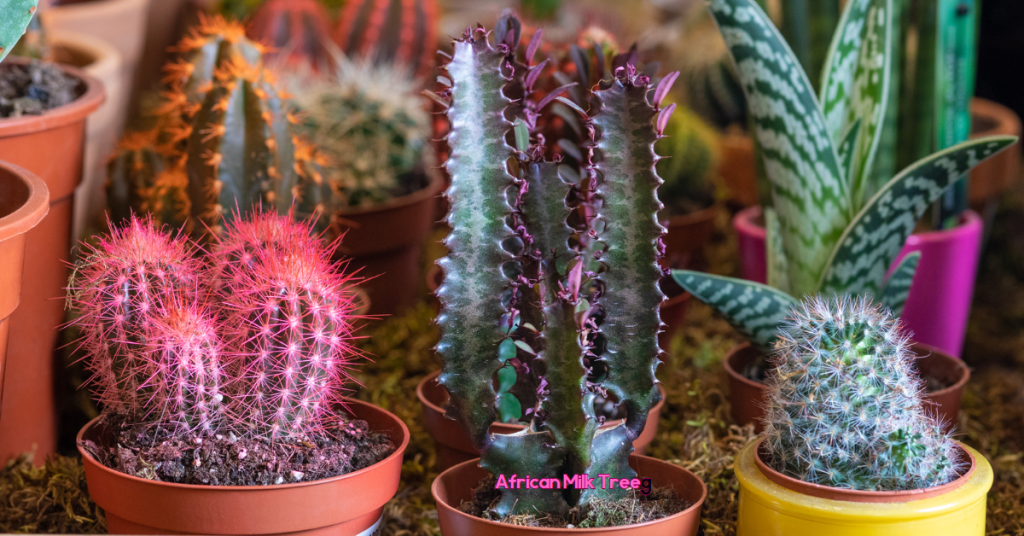
Creating a balcony garden with an African Milk Tree can provide numerous benefits for both your physical and mental health. Here are a few reasons why you should consider starting your own balcony garden:

The 2023 USDA Plant Hardiness Zone Map was created by Oregon State University (PRISM Climate Group) and released by the USDA.
Improving Air Quality
Plants are natural air purifiers. They absorb carbon dioxide and release oxygen, improving the air quality around them. By adding an African Milk Tree to your balcony garden, you can help remove harmful pollutants from the air, such as benzene and formaldehyde, which are commonly found in indoor environments.
Reducing Stress
Gardening has been shown to reduce stress and anxiety levels. The act of nurturing and caring for plants can be a therapeutic and calming experience. By creating a balcony garden, you can have a peaceful oasis to escape to, even if you live in a bustling city.
Growing Fresh Produce
Growing your own produce can be a rewarding and cost-effective way to add fresh, healthy food to your diet. With a balcony garden, you can grow a variety of fruits, vegetables, and herbs, including tomatoes, peppers, and basil. Not only will you have access to fresh produce, but you’ll also have the satisfaction of knowing exactly where your food came from and how it was grown.
In conclusion, creating a balcony garden with an African Milk Tree can provide a multitude of benefits for your physical and mental health. By improving air quality, reducing stress, and growing fresh produce, you can create a peaceful and healthy oasis in your own home.
Choosing an African Milk Tree
African milk trees are a popular choice for balcony gardens due to their unique appearance and low maintenance requirements. When selecting an African milk tree, there are a few factors to consider to ensure that you choose the right plant for your space.
Plant Care Tips
Before selecting an African milk tree, it’s important to understand its care requirements. These plants are relatively easy to care for, but they do require some attention to thrive. Here are a few care tips to keep in mind:
- Water: African milk trees prefer well-draining soil and should be watered sparingly. Allow the soil to dry out completely between waterings to prevent root rot.
- Light: These plants prefer bright, indirect light but can also tolerate some direct sunlight. Avoid placing them in areas with low light or full shade.
- Temperature: African milk trees prefer warm temperatures and should be kept in areas with temperatures above 60°F (15°C).
- Pruning: These plants can grow quite tall, so pruning is often necessary to keep them at a manageable size. Prune in the spring or summer to promote bushier growth.
Ideal Growing Conditions
When selecting an African milk tree, it’s important to consider the conditions in your balcony garden. Here are a few factors to keep in mind:
- Size: African milk trees can grow up to 8 feet tall, so it’s important to choose a variety that will fit comfortably in your space. Consider the mature size of the plant before making a selection.
- Soil: These plants prefer well-draining soil and should be planted in a pot with drainage holes to prevent water from accumulating at the roots.
- Sunlight: African milk trees prefer bright, indirect light but can also tolerate some direct sunlight. Consider the amount of sunlight your balcony receives before selecting a plant.
- Climate: African milk trees are native to Central Africa and prefer warm temperatures. If you live in a cooler climate, you may need to bring your plant indoors during the winter months.
By considering these factors, you can choose an African milk tree that will thrive in your balcony garden. With proper care, these unique plants can bring a touch of beauty to your outdoor space.
Setting Up Your Balcony Garden
If you’re looking to set up a balcony garden with African Milk Tree, there are a few things you need to consider. Here are some tips to help you get started:
Selecting Containers
When selecting containers for your African Milk Tree, you want to make sure they are large enough to accommodate the plant’s roots and allow for proper drainage. You can use a variety of containers, including ceramic pots, plastic pots, or even repurposed items like old buckets or crates. Just make sure they have drainage holes to prevent water from accumulating and causing root rot.
Choosing Soil and Fertilizers
African Milk Tree prefers well-draining soil that is slightly acidic with a pH range of 6.0 to 6.5. You can use a cactus or succulent mix, or make your own by combining equal parts of sand, perlite, and peat moss. For fertilizers, use a balanced, water-soluble fertilizer with an NPK ratio of 10-10-10 or 20-20-20. Apply the fertilizer every two weeks during the growing season, and reduce to once a month during the dormant season.
Watering and Maintenance Tips
African Milk Tree is a drought-tolerant plant that prefers to dry out between waterings. Water the plant thoroughly, allowing the water to drain out of the bottom of the pot. Wait until the soil is completely dry before watering again. During the winter months, reduce watering to once a month. To maintain the plant’s shape, prune the stems as needed, and wear gloves when handling the plant as the sap can be irritating to the skin.
By following these tips, you can set up a beautiful balcony garden with African Milk Tree and enjoy its unique beauty and low-maintenance nature.
Frequently Asked Questions
How much sunlight does an African milk tree need?
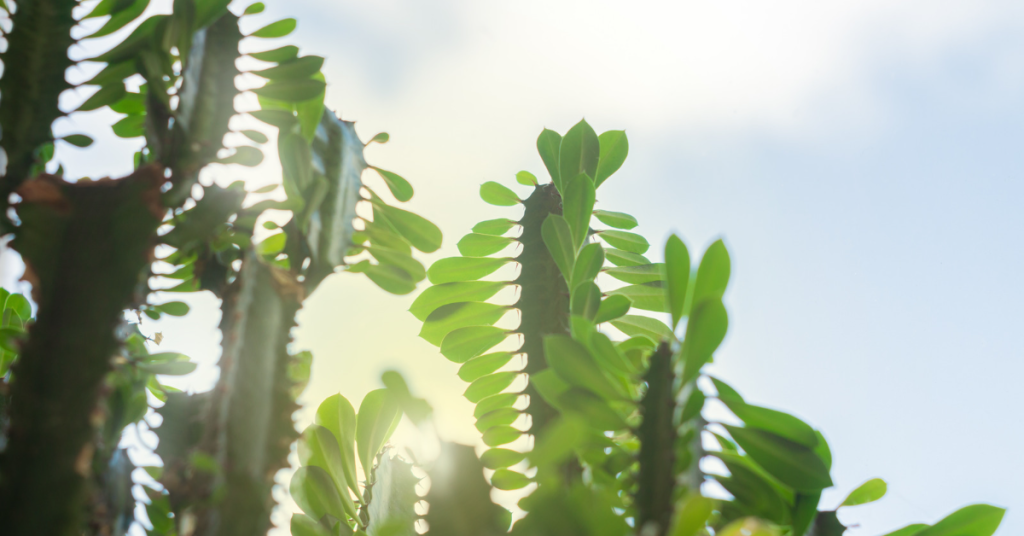
African milk trees need plenty of sunlight to thrive. They prefer bright, indirect light for most of the day, but they can also tolerate some direct sunlight. It’s best to place them near a south-facing window or outside on a balcony with partial shade. If the leaves start to turn yellow or brown, it may be a sign that the plant is getting too much direct sunlight.
What are some common problems with African milk trees?
Some common problems with African milk trees include overwatering, underwatering, pests, and diseases. Overwatering can cause root rot and lead to the plant’s death. Underwatering can cause the leaves to wilt and fall off. Pests like mealybugs and spider mites can also infest the plant, and diseases like powdery mildew can cause white spots on the leaves.
How tall can African milk trees grow?
African milk trees can grow up to 8 feet tall if they are repotted regularly and given enough space to grow. However, they can also be pruned to keep them smaller and more manageable. It’s important to wear gloves and protective clothing when pruning the plant. The sap can be toxic and irritate the skin.
What is corking and how does it affect African milk trees?
Corking is a natural process that occurs as African milk trees age. It causes the stem to become woody and brown, and it can give the plant a unique and interesting appearance. While corking is not harmful to the plant, it can make it more difficult to propagate new plants from cuttings.
Can African milk trees be grown outdoors?
African milk trees are native to Central Africa and are well-adapted to warm, dry climates. They can be grown outdoors in USDA hardiness zones 10-11, but they should be protected from frost and extreme temperatures. It’s best to keep them in a pot that can be moved indoors during the winter months.
How should you care for an African milk tree during winter?
During the winter months, water African milk trees sparingly and kept in a cool, dry location. They should be protected from frost and extreme temperatures, and it’s best to keep them in a pot that can be moved indoors if necessary. If the plant starts to look droopy or wilted, it may be a sign that it needs more water or sunlight.