Balcony Garden Paradise is reader-supported. When you buy through links on our site,
we may earn a small affiliate commission. Happy Gardening from the team! 🌿
Gardening with kids is a fun and rewarding activity. It teaches them about nature, responsibility, and the joy of watching something grow. The best plants for kids to grow are safe, easy to grow, and produce quick results.
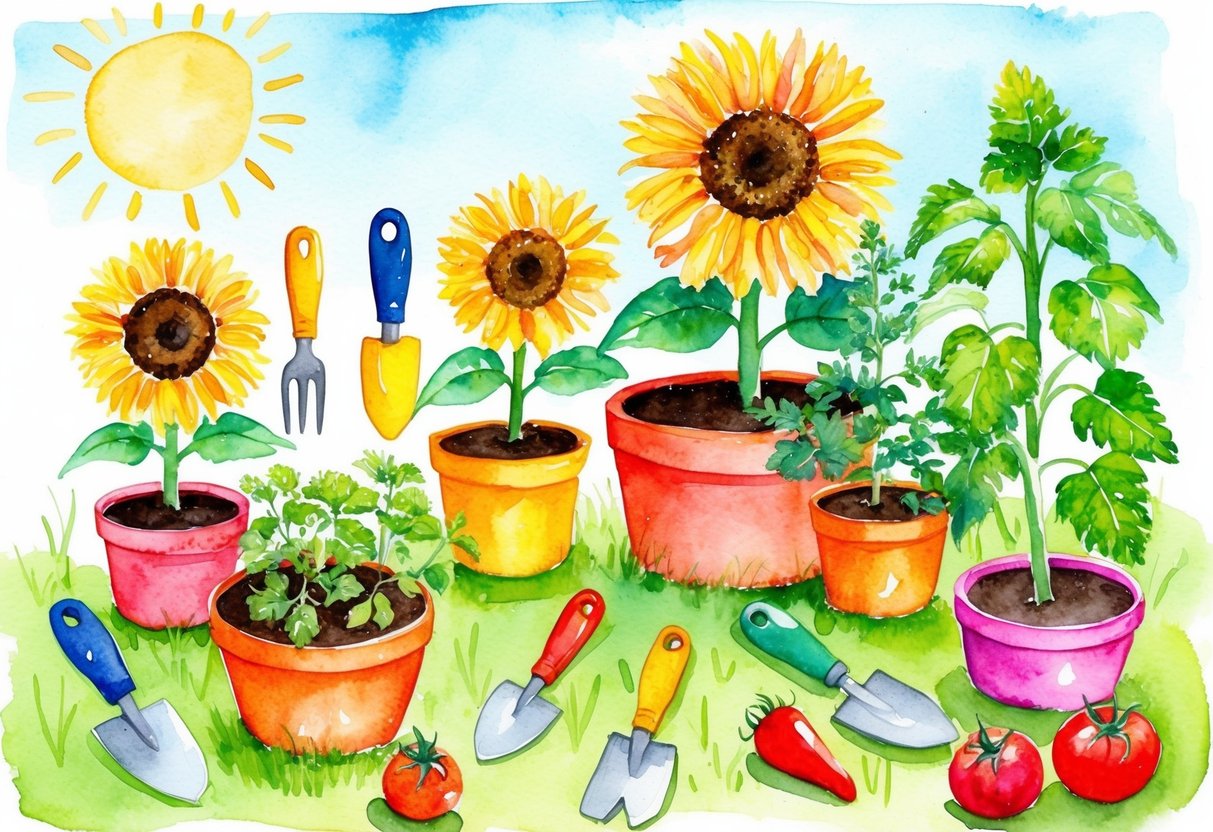
Cherry tomatoes are a great choice for young gardeners. They’re small, tasty, and grow quickly. Kids love watching the tiny green fruits turn red and picking them straight off the vine.
Sunflowers are another kid-friendly option. They grow tall and have big, bright flowers that are sure to impress.
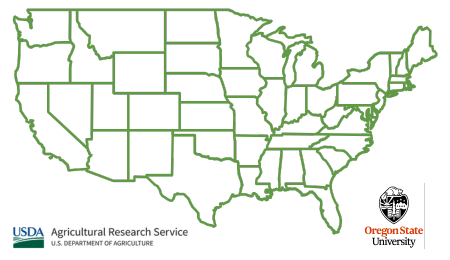
The 2023 USDA Plant Hardiness Zone Map was created by Oregon State University (PRISM Climate Group) and released by the USDA.
You don’t need a big yard to garden with your children. Many plants do well in pots or small containers. This makes gardening possible even if you live in an apartment or have limited outdoor space.
Remember to choose plants that match your climate and the amount of sunlight you get.
Choosing the Right Plants for Kids
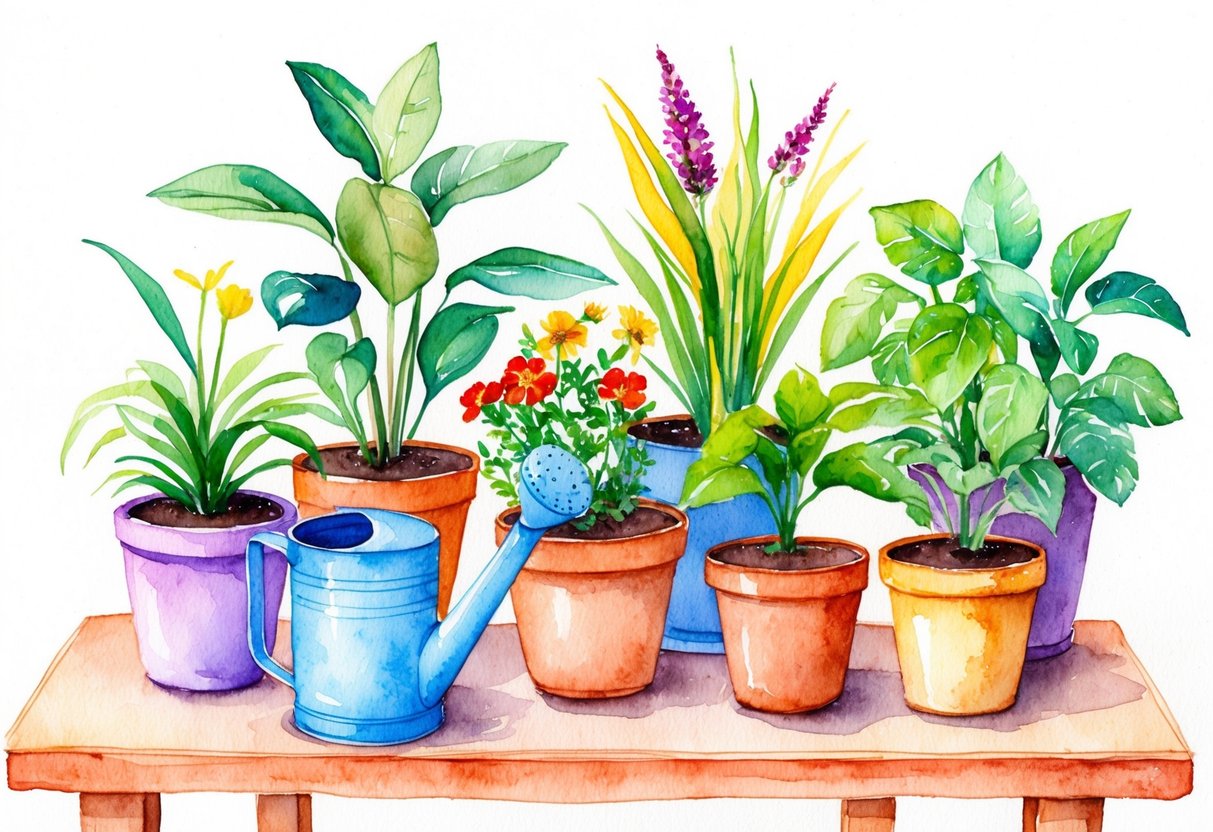
Picking plants for kids to grow can be fun and educational. The right choices will keep them excited and engaged in gardening.
Factors to Consider When Selecting Plants
Think about your space and how much sun it gets. You’ll want fast-growing plants that are tough and easy to care for.
Safety is key – avoid plants with thorns or those that are toxic if eaten.
Consider your child’s age and attention span. Younger kids might prefer plants with big seeds that are easy to handle. Older kids might enjoy more complex projects.
Time is important too. Some plants grow quickly, while others take months. Pick plants that match your family’s schedule and patience level.
Top Outdoor Plants for Kids
Sunflowers are perfect for kids. They grow tall and have big, cheerful blooms.
Marigolds are colorful and easy to grow from seed.
Veggies are great too. Cherry tomatoes and snap peas are fun to pick and eat right off the plant.
Pumpkins are exciting to grow and carve in the fall.
For a quick harvest, try radishes or lettuce. They’re ready in just a few weeks.
Pole beans are fun to watch climb up a trellis.
Best Indoor Plants for Children’s Rooms
Spider plants are super easy and make lots of baby plants. They’re safe and can handle a bit of neglect.
Christmas cacti are fun with their colorful blooms. They don’t need much water, which is great for forgetful kids.
Try a Venus flytrap for something really cool. Kids love watching them catch bugs. Just remember, they need special care.
Ponytail palms look fun and are very low-maintenance. They can go weeks without water.
For a hanging plant, burro’s tail is neat. Its leaves look like little green beans hanging down.
Starting with Seeds
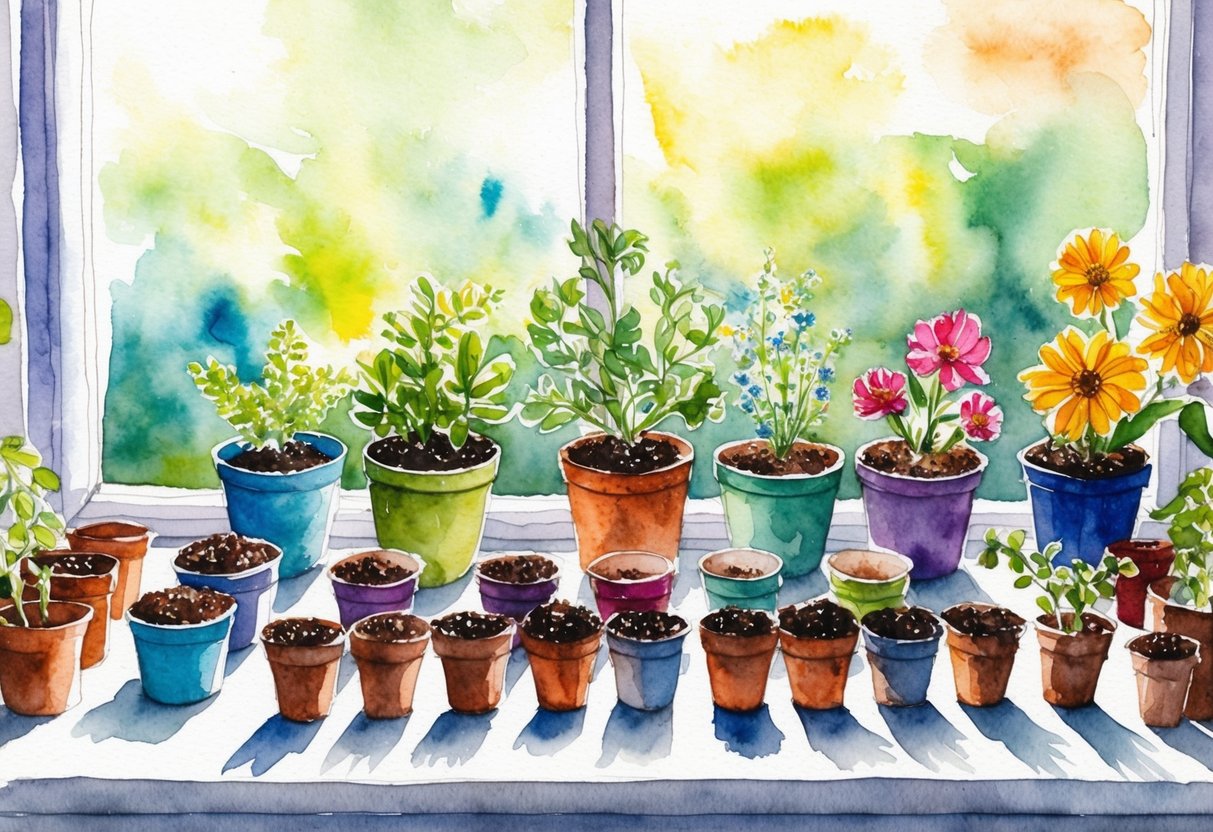
Starting plants from seeds is a fun and rewarding way for kids to learn about nature. It’s exciting to watch tiny seeds grow into beautiful flowers or yummy veggies. Let’s explore how you can get started with seed planting!
Fun with Seed Planting
You can make seed planting a blast for your little ones! Try these ideas:
- Use egg cartons as mini seed trays
- Paint small pots for flower seeds
- Create a seed scavenger hunt in your garden
- Make seed balls with clay and wildflower seeds
Kids love to get their hands dirty, so let them dig in!
Sunflower seeds are perfect for beginners. They’re big, easy to handle, and grow into tall, cheerful flowers.
Bean seeds are another great choice. They sprout quickly, which keeps kids interested. You can even grow them in a clear jar with a damp paper towel to see the roots develop!
Germination Basics for Beginners
Germination is when a seed starts to grow. Here’s what you need:
- Seeds (try tomato, nasturtium, or bean seeds)
- Soil
- Water
- Sunlight
- Patience!
Fill small pots with soil. Plant the seeds about twice as deep as they are wide. Water gently and place in a sunny spot. Keep the soil moist but not soggy.
Different seeds take different times to sprout. Beans might pop up in a few days, while tomatoes can take a week or two. It’s like magic when you see that first green sprout!
Remember, growing vegetables from seeds teaches kids where food comes from. It might even encourage picky eaters to try new things they’ve grown themselves!
Gardening Projects by Age Group
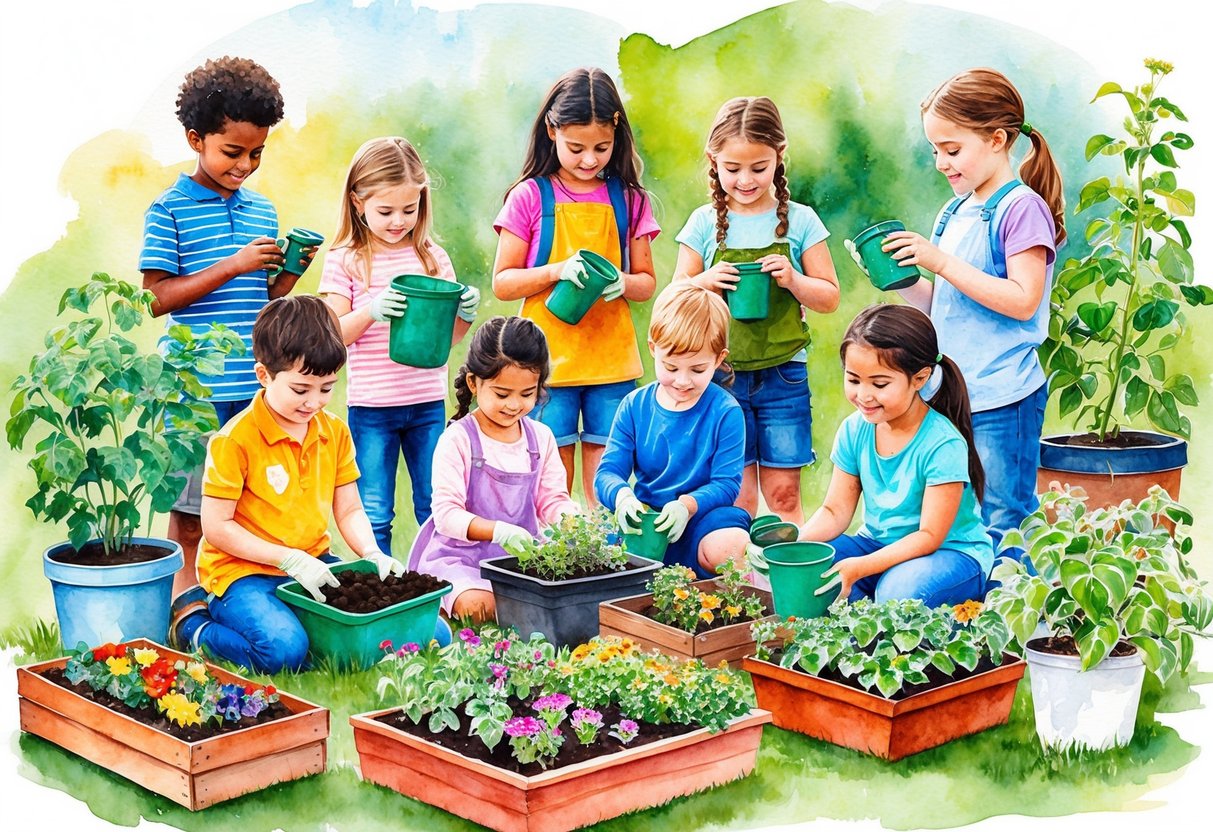
Gardening is fun for kids of all ages! Let’s look at some great plant projects tailored for different age groups.
Simple Gardening for Pre-Schoolers
Little ones love getting their hands dirty! Start with easy-to-grow plants like marigolds or radishes. These sprout fast, keeping short attention spans engaged.
Fill small pots with soil and let your tiny tots drop in a few seeds. Water gently together each day. Watch their eyes light up as green shoots appear!
Try regrowing carrot tops in a shallow dish of water for a quick project. Cut off the top inch of a carrot and place it in water. New greens will sprout in days!
Engaging Elementary-Aged Young Gardeners
Older kids can handle more complex projects. How about growing a kid-friendly vegetable garden? Peas, cucumbers, and lettuce are great choices.
Create a rainbow garden with different colored plants. Let your child design the layout. They’ll love seeing their plan come to life!
Herb gardens are perfect for this age. Basil and chives grow quickly and smell amazing. Plus, you can use them in family meals. Yum!
Challenging Projects for Older Kids
Tweens and teens might enjoy more unique gardening experiences. Carnivorous plants like Venus flytraps are fascinating to grow and care for.
Growing pumpkins or squash can be a fun, long-term project. These plants need lots of space and care, teaching patience and responsibility.
Encourage your older kids to keep a garden journal. They can track plant growth, weather patterns, and what works best in your garden. It’s a great way to apply science skills!
The Science of Plants
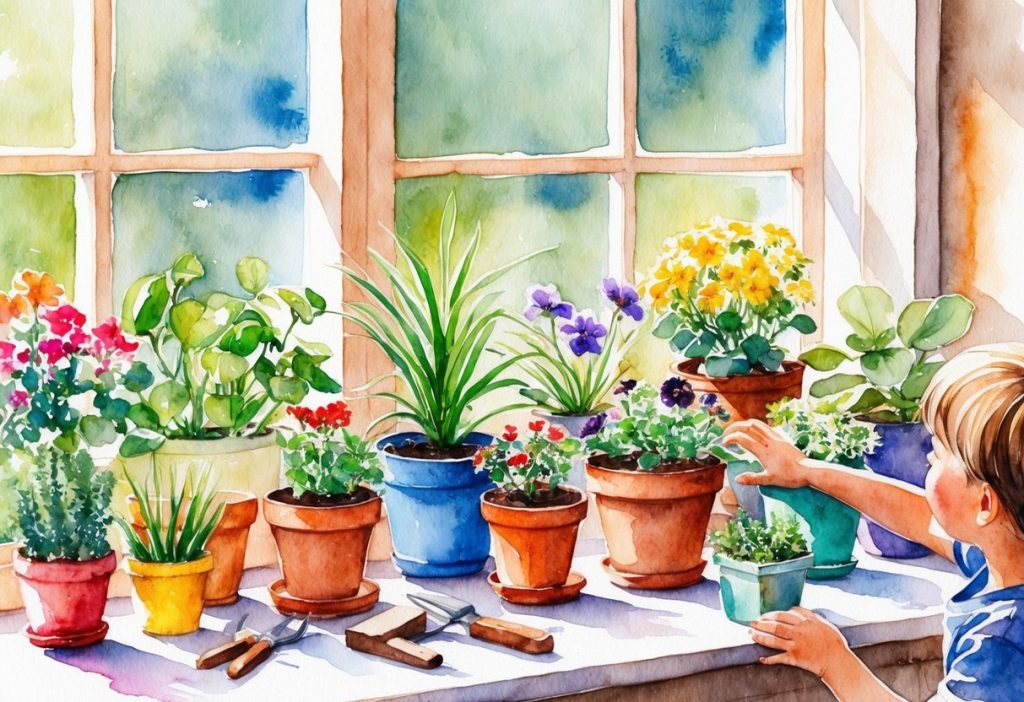
Plants are amazing living things that grow and change. They use sunlight, water, and air to make their own food. Let’s explore how plants work and what they need to thrive.
Photosynthesis and Plant Life Cycles
Did you know plants make their own food? It’s true! They use a neat trick called photosynthesis. Sunlight, water, and air mix together in the leaves to create energy.
Plants start as tiny seeds. With water and warmth, they sprout roots and leaves. As they grow bigger, they make flowers. Flowers turn into fruits or new seeds. This keeps the plant cycle going.
You can watch this happen in your garden. Plant a seed and see it change day by day. It’s like magic, but it’s really science!
Understanding Soil and Nutrients
Good soil is super important for your plants. It’s like their home and food pantry all in one. Soil has tiny bits of rocks, old plants, and little critters you can’t see.
Plants need special foods called nutrients. These are like vitamins for plants. Some important ones are:
- Nitrogen: Helps leaves grow
- Phosphorus: Good for roots and flowers
- Potassium: Keeps plants strong
You can add compost to your soil to give plants extra nutrients. It’s like feeding them a yummy snack!
The Role of Pollinators in Gardening
Pollinators are nature’s helpers in your garden. They move pollen from one flower to another. This helps plants make fruits and seeds.
Some fun pollinators kids can spot are:
- Bees
- Butterflies
- Hummingbirds
You can invite these friends to your garden by planting flowers they like. Bright colors and sweet smells will bring them buzzing in. Having pollinators around makes your garden happy and healthy!
Creative Gardening Ideas
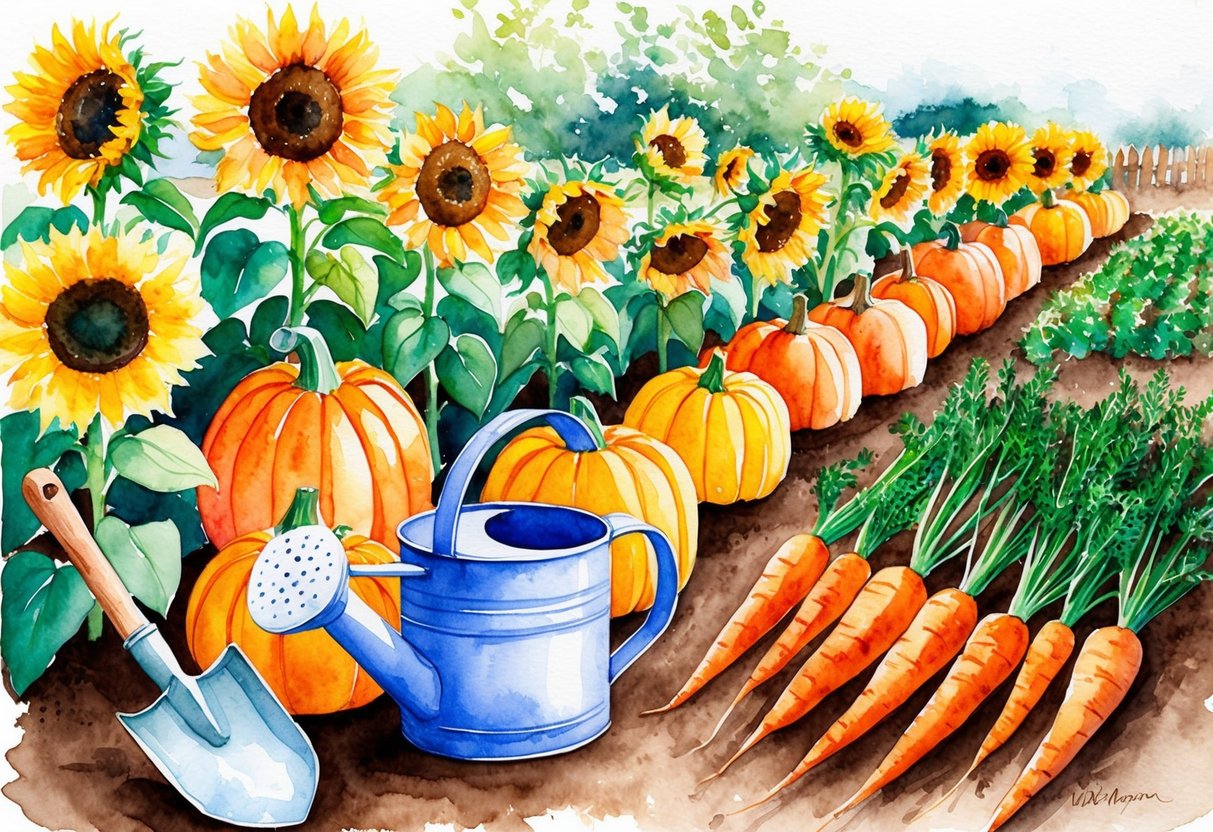
Gardening with kids can be so much fun! Let’s explore some fun ways to make your garden super special and personal. You’ll love these ideas for adding your own touch.
Crafts and Garden Decorations
Have you thought about making your own garden decorations? It’s easier than you might think! You can paint rocks to look like cute bugs or flowers. How about making wind chimes from old keys or shells?
Another fun idea is to create fairy gardens in small containers. Use tiny plants, pebbles, and mini figurines to make a magical world. You could even build a bug hotel using twigs, leaves, and hollow stems. It’s a great way to attract helpful insects to your garden.
Don’t forget to add some colorful flowers like pansies. They’re perfect for brightening up any space and are easy for kids to grow.
Painting Pots and Personalizing Your Space
Ready to make your garden truly yours? Grab some paint and let’s get creative with your pots! You can use bright colors to make them pop or add fun patterns like polka dots or stripes.
Why not try painting faces on your pots? It’s so cute when the plants look like hair growing out of the top! You could also use stencils to add names or favorite characters to your pots.
For a natural look, try wrapping twine or rope around plain terracotta pots. You can even glue on shells, buttons, or pretty stones for extra flair. Remember, there’s no wrong way to decorate – it’s all about having fun and making your garden space feel like home.
The Benefits of Gardening with Kids
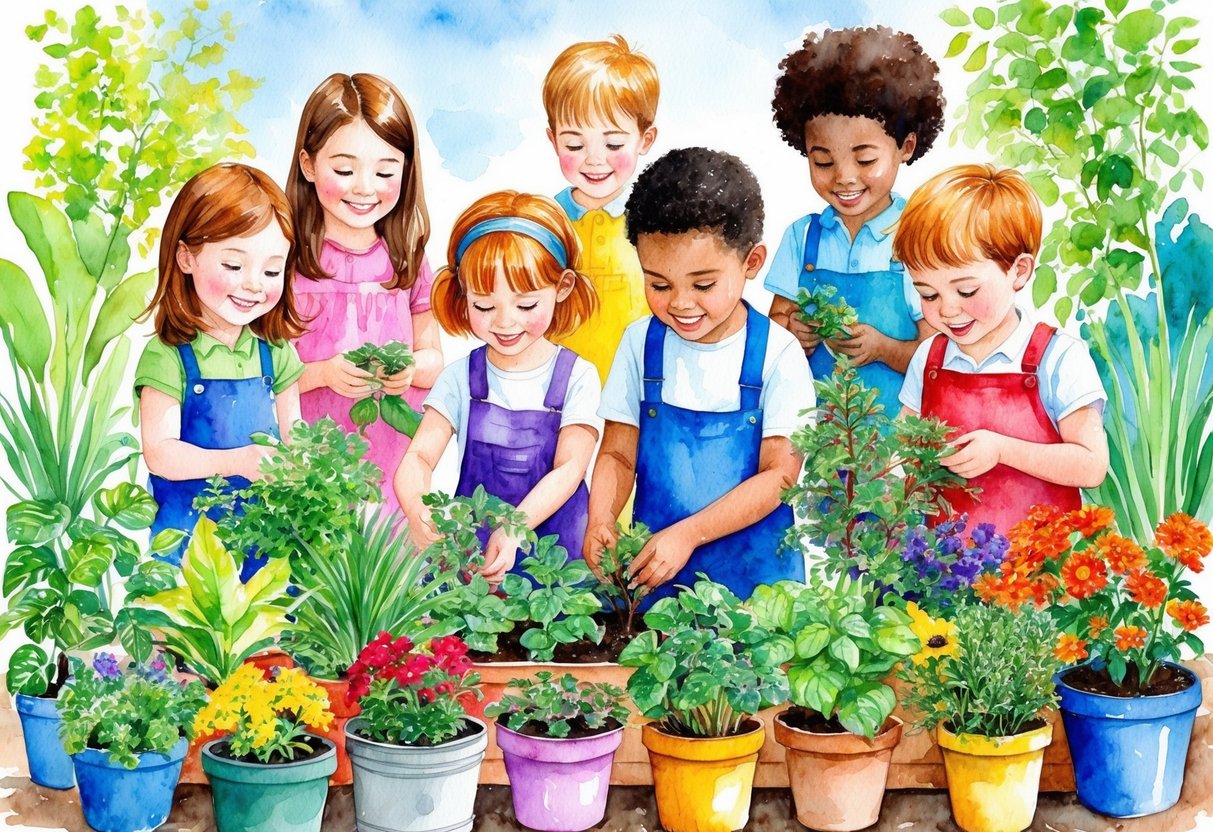
Gardening with kids is a fun and rewarding activity. It teaches valuable life skills and promotes healthy habits.
Educational Advantages
You’ll be amazed at how much your kids can learn in the garden. It’s like a living classroom! They’ll discover the life cycle of plants firsthand. Watching seeds sprout and grow is exciting.
Your kids will learn about weather, seasons, and how they affect plants. They’ll practice math skills by measuring plant growth and spacing. Reading plant labels and garden books improves literacy.
Gardening encourages problem-solving, too. Kids figure out how to deal with pests or insufficient sunlight. They learn patience waiting for plants to grow.
Kid-friendly plants are perfect for little hands. Try easy-to-grow options like sunflowers or cherry tomatoes.
Health and Emotional Well-being
Getting your hands dirty in the garden is good for you! It’s a great way to stay active and soak up some vitamin D.
Gardening burns calories and builds strength. Growing your veggies encourages healthy eating habits.
Kids are more likely to try foods they’ve grown themselves. It’s so exciting to eat a salad made with your own lettuce!
Gardening reduces stress and anxiety. It’s calming to work with plants and soil.
You and your kids can unplug from screens and connect with nature. Seeing their plants thrive boosts kids’ self-esteem.
It gives them a sense of accomplishment. Gardening also teaches responsibility as they care for their plants daily.
Safety and Accessibility
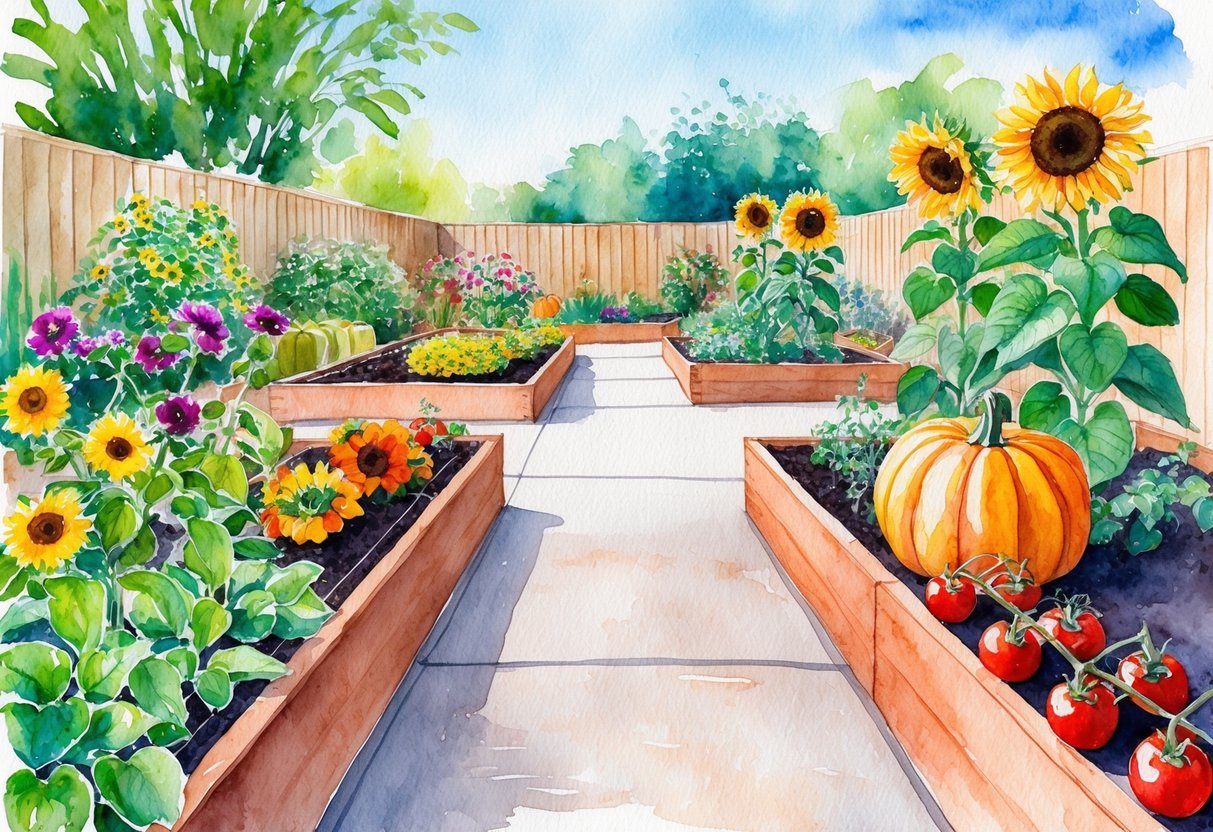
Gardening with kids can be fun and safe when you take the right steps. Let’s look at how to keep little ones protected and make sure everyone can join in the fun.
Safe Gardening Practices for Kids
When gardening with kids, always keep an eye on them and use kid-sized tools to prevent accidents.
Make sure they wear gloves and sunscreen. Choose non-toxic plants like sunflowers and nasturtiums.
These are safe if accidentally tasted. Avoid plants with thorns or sharp edges. Teach kids to wash their hands after gardening.
This keeps germs away. Show them how to use tools safely. Make it a fun learning experience! Check out our article “Gardening Tools for Kids: What You Need to Grow Little Green Thumbs“.
Creating an Accessible Garden Space
Raised beds are great for kids. They’re easier to reach and work with.
You can make them different heights for different ages. Try container gardening too.
It’s perfect for small spaces. Kids can have their own pots to care for.
Use lightweight containers that can move easily. Pick plants that grow quickly, like squash or potatoes.
Kids love seeing fast results. Place tools and watering cans where they can reach them.
Make wide paths between plants. This helps kids move around safely.
Add fun elements like colorful signs or decorations. It makes the garden more inviting for everyone!
Maintaining and Enjoying the Garden
Growing plants is so much fun! Let’s talk about how you can take care of your garden and enjoy the yummy food you grow.
Watering, Weeding, and Garden Care
You’ll need to water your plants regularly. Stick your finger in the soil – if it feels dry, it’s time to give your plants a drink!
Be careful not to overwater, though. Too much water can make your plants sick. Weeds are pesky little plants that try to steal food from your veggies.
Pull them out when you see them. It’s like a treasure hunt in your garden! Don’t forget to check on your plants every day.
Look for any bugs or spots on the leaves. If you see something weird, ask a grown-up for help. Remember, gardening takes patience.
Your plants need time to grow big and strong. But with your love and care, they’ll flourish!
Harvesting Your Produce
The best part of gardening is eating what you grow!
When your veggies are ready, it’s time to pick them.
For potatoes, wait until the leaves turn yellow and die back. Then, dig them up like you’re searching for buried treasure!
Cherry tomatoes are ready when they’re bright red and come off the vine easily.
Pop them in your mouth for a burst of flavor!
Strawberries are ripe when they’re fully red. Pick them gently so you don’t squish them.
Eating food you’ve grown yourself is so rewarding. It tastes better because you put your heart into growing it. Plus, it’s super fresh!
Remember to wash your veggies before you eat them.
Then, enjoy your yummy harvest with your family. You did it!