Balcony Garden Paradise is reader-supported. When you buy through links on our site,
we may earn a small affiliate commission. Happy Gardening from the team! 🌿
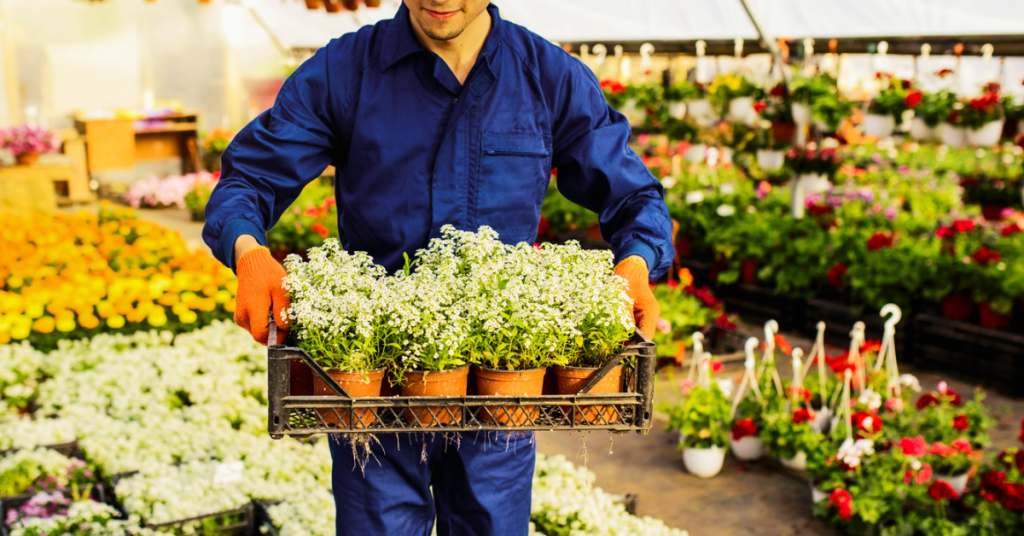
Looking to add some charm and fragrance to your balcony garden, sweet alyssum is an excellent choice. This low-growing plant produces a profusion of dainty, sweet-smelling flowers that can thrive in containers and hanging baskets, making it perfect for small-space gardening. In this article, we’ll explore the benefits of a balcony garden and how sweet alyssum can enhance your outdoor space.
One of the main benefits of a balcony garden is that it allows you to grow fresh produce and flowers in a limited space. With the right plants, you can create a beautiful and functional outdoor oasis that provides a variety of benefits, from improving air quality to reducing stress. Sweet alyssum is a particularly good choice for a balcony garden because it is easy to grow, requires minimal care, and produces a long-lasting display of colorful blooms.
When choosing sweet alyssum for your balcony garden, there are several factors to consider, including the variety, color, and size of the plant. You’ll also want to think about how you can incorporate sweet alyssum into your overall garden design, whether that means using it as a border plant, filling in gaps between other flowers, or creating a hanging basket display. In the following sections, we’ll explore these topics in more detail and provide tips for harvesting and using sweet alyssum from your balcony garden.

The 2023 USDA Plant Hardiness Zone Map was created by Oregon State University (PRISM Climate Group) and released by the USDA.
Benefits of a Balcony Garden

Growing plants on your balcony can provide numerous benefits for your health and well-being, as well as the environment. Here are some of the top benefits of having a balcony garden.
Fresh Air and Beauty
One of the most obvious benefits of a balcony garden is the fresh air and beauty it provides. Plants release oxygen into the air, improving the air quality and making it easier to breathe. Additionally, the beauty and fragrance of plants can help to improve your mood and reduce stress levels. Sweet alyssum, with its delicate white flowers and sweet scent, is a perfect addition to any balcony garden.
Reduced Stress and Improved Mood
Studies have shown that spending time around plants can help to reduce stress levels and improve mood. Balcony gardens provide a tranquil and calming environment, which can help to promote relaxation and reduce anxiety. In addition, the act of caring for plants can be therapeutic and provide a sense of accomplishment and satisfaction.
Increased Sustainability and Self-Sufficiency
Growing your own plants on your balcony can help to reduce your environmental impact and increase your self-sufficiency. By growing your own herbs and vegetables, you can reduce your reliance on store-bought produce and reduce the carbon footprint associated with transportation and packaging. Additionally, balcony gardens can provide a habitat for pollinators and other beneficial insects, helping to support local ecosystems.
In conclusion, a balcony garden can provide numerous benefits for your health, well-being, and the environment. By incorporating sweet alyssum and other plants into your balcony garden, you can create a beautiful and sustainable oasis in the heart of the city.
Choosing Sweet Alyssum for Your Balcony Garden
If you’re looking for a delicate, fragrant, and easy-to-grow flower for your balcony garden, sweet alyssum is a great choice. In this section, we’ll go over an overview of sweet alyssum, its suitability for balcony gardens, and some growing and maintenance tips.
Overview of Sweet Alyssum
Sweet alyssum (Lobularia maritima) is a low-growing annual plant that is native to the Mediterranean region. It is known for its sweet, honey-like fragrance and delicate white, pink, or purple flowers that bloom in clusters. Sweet alyssum is easy to grow from seed or plant, and it thrives in cooler temperatures.
Suitability for Balcony Gardens
Sweet alyssum is an excellent choice for balcony gardens for several reasons. Firstly, it is a compact plant that grows to a height of only 6 to 12 inches, making it ideal for small spaces. Secondly, it is low-maintenance and does not require much attention or care. Finally, sweet alyssum attracts bees and other pollinators, which can help to increase the biodiversity of your balcony garden.
Growing and Maintenance Tips
To grow sweet alyssum in your balcony garden, you can either start from seeds or buy seedlings from a garden center. Plant the seeds or seedlings in a well-draining pot or container with good-quality potting soil. Sweet alyssum prefers full sun or partial shade, so make sure to place your pot in a location that receives at least 4-6 hours of sunlight per day.
Water your sweet alyssum regularly, but be careful not to overwater as this can cause root rot. Fertilize your plant every 2-3 weeks with a balanced fertilizer to promote healthy growth and blooming. Deadhead your sweet alyssum regularly to encourage continuous blooming throughout the growing season.
In conclusion, sweet alyssum is a great choice for your balcony garden if you’re looking for a fragrant, low-maintenance, and attractive plant that attracts pollinators. With the right growing conditions and care, your sweet alyssum will bloom beautifully throughout the growing season.
Designing Your Balcony Garden with Sweet Alyssum

When it comes to designing your balcony garden with sweet alyssum, there are three key factors to consider: color and texture combinations, container and placement options, and companion planting ideas. By keeping these in mind, you can create a beautiful and thriving garden space that will be the envy of your neighbors.
Color and Texture Combinations
Sweet alyssum is available in a variety of colors, including white, purple, pink, and peach. When choosing which colors to incorporate into your balcony garden, consider the overall aesthetic you want to achieve. If you prefer a classic, clean look, white alyssum is a great choice. For a more vibrant and colorful garden, mix and match different hues of alyssum with other plants.
In addition to color, texture is also an important factor to consider. Sweet alyssum has a delicate and airy texture that pairs well with other plants with similar characteristics, such as ferns, ornamental grasses, and other low-growing flowers.
Container and Placement Options
One of the great things about sweet alyssum is that it can thrive in a variety of containers, including hanging baskets, window boxes, and planters. When selecting containers for your balcony garden, consider the amount of sunlight your space receives and choose containers that are appropriate for the lighting conditions.
Placement is also important when designing your balcony garden. Sweet alyssum is a great option for edging pathways or as a filler plant in larger containers. Consider incorporating alyssum into your garden design in a way that complements the other plants and creates a cohesive look.
Companion Planting Ideas
Sweet alyssum is a great companion plant for a variety of vegetables, including tomatoes, peppers, and eggplants. It can help attract beneficial insects to your garden, such as ladybugs and lacewings, which can help control harmful pests.
In addition to vegetables, sweet alyssum also pairs well with other flowers, such as petunias, marigolds, and zinnias. When selecting companion plants, consider the lighting and watering needs of each plant to ensure they will thrive together.
By keeping these key factors in mind, you can create a beautiful and thriving balcony garden with sweet alyssum as a focal point. With a little bit of planning and creativity, you can transform your balcony into a lush and inviting oasis that you can enjoy all season long.
Harvesting and Using Sweet Alyssum from Your Balcony Garden
Sweet Alyssum is a versatile plant that can be used in many ways, both edible and decorative. Here are some tips on how to harvest and use this lovely plant from your balcony garden.
Edible and Medicinal Uses
Sweet Alyssum has a sweet, honey-like scent and is often used in teas and other beverages. The flowers and leaves can be used to make a soothing, calming tea that is said to help with anxiety and insomnia. To make tea, simply steep a handful of fresh or dried flowers and leaves in hot water for 5-10 minutes.
Sweet Alyssum is also said to have anti-inflammatory properties and can be used topically to soothe skin irritations and insect bites. To make a poultice, crush fresh leaves and flowers and apply them directly to the affected area.
Decorative and Aromatic Uses
Sweet Alyssum is a popular choice for balcony gardens due to its delicate, white or purple flowers and sweet scent. It can be used in a variety of ways to add a touch of beauty and fragrance to your balcony.
One way to use Sweet Alyssum is to plant it in a hanging basket or window box. It will spill over the sides and create a beautiful, cascading effect. Another way to use Sweet Alyssum is to plant it in a pot with other aromatic herbs, such as lavender or rosemary. The combination of scents will create a lovely, relaxing atmosphere on your balcony.
Preserving and Storing Tips
Sweet Alyssum can be dried and stored for later use in teas and other recipes. To dry Sweet Alyssum, simply hang it upside down in a warm, dry place for several days until it is completely dry. Once dry, store it in an airtight container in a cool, dry place.
Another way to preserve Sweet Alyssum is to make a simple syrup. To make a syrup, combine equal parts sugar and water in a saucepan and heat until the sugar dissolves. Add a handful of fresh or dried Sweet Alyssum flowers and simmer for 5-10 minutes. Strain out the flowers and store the syrup in a glass jar in the refrigerator for up to one month.
In conclusion, Sweet Alyssum is a versatile and lovely plant that can be used in many ways in your balcony garden. Whether you choose to use it for its edible and medicinal properties or its decorative and aromatic qualities, Sweet Alyssum is sure to add beauty and fragrance to your balcony space.
Frequently Asked Questions
How to Care for Sweet Alyssum in Pots?
Sweet Alyssum is a low-maintenance plant that thrives in well-draining soil and full sun to partial shade. When planting in pots, make sure to choose a container with drainage holes to prevent root rot. Water regularly and fertilize every two weeks with a balanced liquid fertilizer.
Can Sweet Alyssum be Grown in Pots?
Yes, sweet alyssum is a great plant for container gardening. It is a low-growing plant that does well in small spaces and adds a pop of color to any balcony garden.
Is Sweet Alyssum a Perennial Plant?
Sweet alyssum is an annual plant, which means it completes its life cycle in one growing season. However, it readily self-seeds, so it may come back the following year if the seeds are allowed to drop and germinate.
What are Some Companion Plants for Sweet Alyssum?
Sweet alyssum is a great companion plant for other cool-season annuals like pansies, violas, and snapdragons. It also pairs well with herbs like thyme and rosemary.
Does Sweet Alyssum Prefer Sun or Shade?
Sweet Alyssum prefers full sun to partial shade. It can tolerate some shade, but too much shade can cause the plant to become leggy and produce fewer blooms.
Will Sweet Alyssum Survive Winter?
Sweet alyssum is a cool-season annual that does not tolerate frost or freezing temperatures. In warmer climates, it may survive the winter, but it will likely die back and need to be replanted in the spring.
For more information about design, layout, care and maintenance, and plant selection for your balcony garden, we have some great articles to further your knowledge:
- Creating a Stunning Balcony Garden with Lavender
- The Art of Balcony Garden Design: Mastering Color Palette
- African Milk Tree is an Amazing Balcony Garden Plant: Growing and Caring for Your Succulent