Your Balcony Garden: Mastering Natural Light for Stunning Plant Imagery
Create a dynamic and beautiful balcony garden by using natural light to your advantage. Discover which plants thrive in different light conditions.


Create a dynamic and beautiful balcony garden by using natural light to your advantage. Discover which plants thrive in different light conditions.
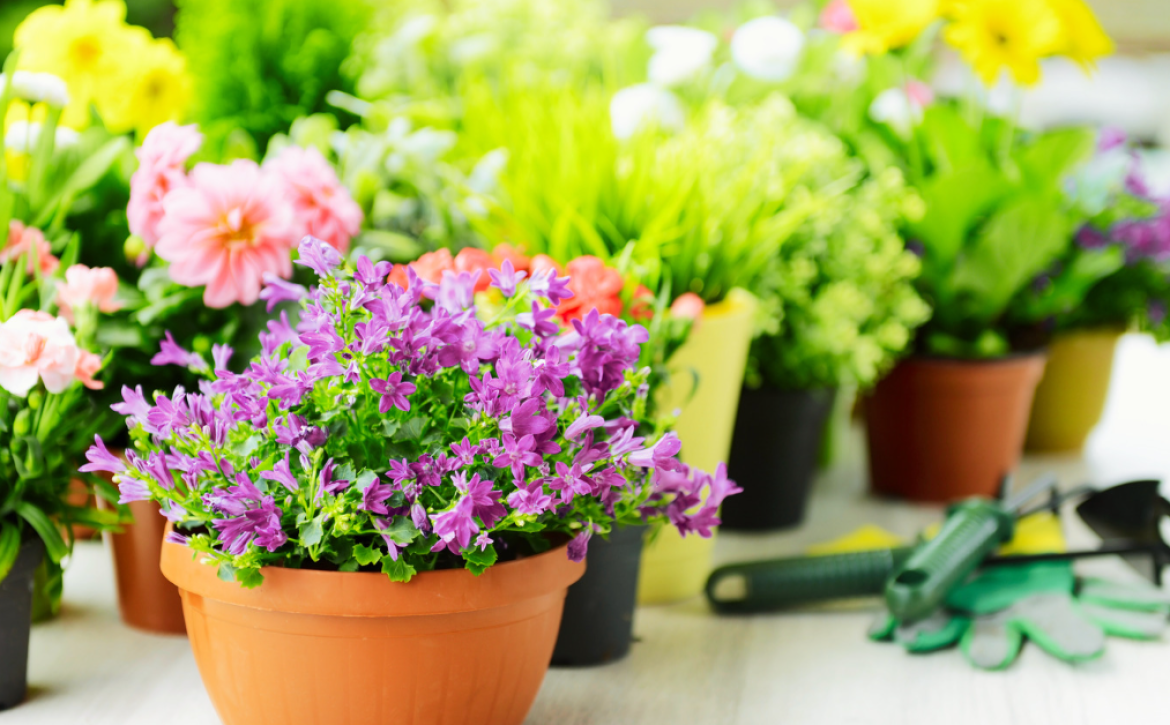
When it comes to creating a beautiful balcony garden, one of the most important factors to consider is the color palette. Choosing the right colors can make all the difference in creating a harmonious and visually appealing space. But with so many options available, it can be overwhelming to know where to start. In this article, you will learn everything you need to know about creating a balcony garden color palette that will transform your outdoor space.
Understanding color palettes is the first step in creating a beautiful balcony garden. A color palette is simply a collection of colors that work well together. When choosing a color palette for your balcony garden, it’s important to consider factors such as the size and shape of your space, the amount of sunlight it receives, and the overall mood you want to create. With the right color palette, you can create a space that feels cozy, relaxing, or energizing, depending on your preferences.
Choosing the right colors for your balcony garden can be a fun and creative process. Whether you prefer bold, bright hues or soft, muted tones, there are endless possibilities to explore. By considering factors such as the color of your building, the surrounding landscape, and your personal taste, you can create a color palette that is uniquely your own. With practical tips and expert advice, this article will guide you through the process of creating a balcony garden color palette that will bring your outdoor space to life.
When it comes to creating a beautiful balcony garden color palette, understanding color palettes is essential. A color palette is a range of colors used in a specific design or artwork. It is a combination of colors that work well together and create a harmonious and visually pleasing effect.
The primary colors are red, blue, and yellow. These colors cannot be created by mixing other colors. They are the building blocks of all other colors. When used in a balcony garden color palette, primary colors can create a bold and vibrant effect.
The secondary colors are green, orange, and purple. These colors are created by mixing two primary colors together. For example, blue and yellow create green, red and yellow create orange, and blue and red create purple. Secondary colors can add depth and interest to your balcony garden color palette.
Tertiary colors are created by mixing one primary color with one secondary color. For example, blue-green, red-orange, and yellow-purple are all tertiary colors. Tertiary colors can add nuance and complexity to your balcony garden color palette.
Color harmonies are combinations of colors that work well together. There are several types of color harmonies, including complementary, analogous, and monochromatic.
Understanding color palettes is essential to creating a beautiful and harmonious balcony garden color palette. By using primary, secondary, and tertiary colors, as well as color harmonies, you can create a visually pleasing and relaxing outdoor space.
When it comes to creating a beautiful balcony garden, choosing the right color palette is essential. The right color scheme can create a relaxing and inviting atmosphere while adding a touch of vibrancy to your space. In this section, we’ll discuss the three main color palettes you can use to create a stunning balcony garden.
Warm colors like red, orange, and yellow can add a sense of energy and excitement to your balcony garden. These colors are perfect for creating a lively atmosphere and can be used to draw attention to specific areas or plants. For example, you can use warm-colored flowers like marigolds or zinnias to create a bold and eye-catching display.
Cool colors like blue, green, and purple can create a calming and relaxing atmosphere in your balcony garden. These colors are perfect for creating a peaceful retreat where you can unwind and relax after a long day. You can use cool-colored flowers like lavender or hydrangeas to create a soothing and serene display.
Neutral colors like white, beige, and gray can add a touch of elegance and sophistication to your balcony garden. These colors are perfect for creating a timeless and classic look that will never go out of style. You can use neutral-colored flowers like roses or lilies to create a sophisticated and elegant display.
When choosing your balcony garden color palette, it’s important to consider the colors of your surrounding environment. For example, if you have a lot of greenery in your area, you may want to choose a color palette that complements the natural surroundings. Additionally, you should consider the size of your balcony garden. If you have a small space, it’s best to stick to a simple color palette with just a few colors. On the other hand, if you have a larger space, you can experiment with more colors and create a more complex color scheme.
In conclusion, choosing the right balcony garden color palette can make a big difference in the overall look and feel of your space. By following these tips and considering your surroundings and space, you can create a stunning and inviting balcony garden that you can enjoy all year round.

When it comes to creating a beautiful balcony garden, choosing the right color palette can make all the difference. A well-planned color scheme can transform your balcony into a stunning oasis that is both relaxing and inviting. In this section, we will explore the basics of color theory and how to use it to create a harmonious balcony garden color palette.
Before we dive into creating a balcony garden color palette, it’s important to understand the basics of color theory. The color wheel is a tool that can help you choose colors that work well together. It is made up of three primary colors (red, blue, and yellow), three secondary colors (green, orange, and purple), and six tertiary colors (yellow-green, yellow-orange, red-orange, red-purple, blue-purple, and blue-green).
When choosing colors for your balcony garden color palette, you can use the color wheel to guide you. You can choose colors that are next to each other on the wheel for a monochromatic scheme, or you can choose colors that are opposite each other for a complementary scheme. You can also choose colors that are three spaces apart for a triadic scheme.
Now that you understand the basics of the color wheel, it’s time to start choosing colors for your balcony garden color palette. Here are a few color combinations to consider:
By choosing a color scheme that works well with your balcony’s surroundings and your personal style, you can create a harmonious balcony garden color palette that will bring joy and relaxation to your outdoor space.
When designing your balcony garden color palette, there are several factors that you need to consider. Two of the most important factors are lighting conditions and seasonal changes.
Lighting conditions play a crucial role in determining the colors that will work best in your balcony garden. Different plants have different lighting requirements, and you need to choose colors that will complement the lighting conditions of your balcony.
If your balcony receives a lot of sunlight, then you can choose bright colors like yellow, orange, and red. These colors will stand out in the bright sunlight and create a vibrant and energetic atmosphere. On the other hand, if your balcony receives less sunlight, then you should choose cooler colors like blue, green, and violet. These colors will look more subdued in low light conditions and create a calming and peaceful atmosphere.
Seasonal changes also play a role in determining the colors that will work best in your balcony garden. Different colors are associated with different seasons, and you can use this to your advantage when designing your balcony garden color palette.
In spring, you can choose bright and cheerful colors like pink, yellow, and lavender. These colors will complement the fresh and new growth of the season. In summer, you can choose bold and vibrant colors like red, orange, and purple. These colors will complement the warmth and energy of the season. In fall, you can choose warm and earthy colors like brown, orange, and red. These colors will complement the changing colors of the leaves. In winter, you can choose cool and icy colors like blue, white, and silver. These colors will complement the frosty and snowy atmosphere of the season.
By considering these factors, you can create a balcony garden color palette that is both beautiful and functional. Remember to choose colors that complement your lighting conditions and the seasonal changes of your balcony garden.
When it comes to creating a beautiful balcony garden color palette, there are a few practical tips you can follow to ensure success. Here are some things to keep in mind:
If you’re new to gardening or just starting out with a new balcony garden color palette, it’s a good idea to start small. Focus on just a few colors or types of plants at first, and gradually expand your palette as you gain experience and confidence. This will help you avoid feeling overwhelmed and ensure that your balcony garden looks cohesive and well-planned.

When choosing colors for your balcony garden, it’s important to consider the view from your balcony. If your balcony overlooks a busy street or a concrete jungle, you may want to choose bright, bold colors that will stand out and add some life to the space. On the other hand, if you have a beautiful view of nature or a quiet residential area, you may want to choose more muted, natural colors that will complement the view and create a peaceful atmosphere.
Finally, when choosing plants for your balcony garden color palette, it’s important to think about maintenance. Different plants require different levels of care, so make sure you choose plants that you can realistically care for. If you’re short on time or don’t have a green thumb, choose low-maintenance plants like succulents or herbs. If you’re up for a challenge, choose more high-maintenance plants like orchids or roses.
By following these practical tips, you can create a beautiful balcony garden color palette that will enhance the look and feel of your outdoor space. Remember to start small, consider your view, and think about maintenance, and you’ll be well on your way to a stunning balcony garden.
In conclusion, creating a balcony garden color palette is an exciting and creative process that allows you to express your personality and style. By following the tips and ideas presented in this article, you can create a beautiful and harmonious outdoor space that reflects your taste and preferences.
Remember to choose colors that complement each other and create a cohesive look. You can use color theory to guide your choices, or simply follow your intuition and experiment with different combinations. Don’t be afraid to mix and match, and try new things until you find the perfect balance.
When selecting plants, consider not only their color but also their texture, shape, and size. A mix of different foliage types can add interest and depth to your balcony garden color palette. You can also use accessories such as pots, cushions, and rugs to add pops of color and tie everything together.
Finally, make sure to take into account the lighting conditions of your balcony. Some colors may appear differently in different types of light, so it’s important to test your choices before committing to them. With a little bit of planning and creativity, you can create a balcony garden color palette that is both beautiful and functional.
When it comes to balcony garden color palettes, there are a few popular options to consider. One classic choice is a monochromatic color scheme, where you stick to variations of one color. Another popular option is a complementary color scheme, where you choose colors that are opposite each other on the color wheel. Analogous color schemes, where you choose colors that are next to each other on the color wheel, are also a great choice for balcony gardens.
Using a color palette generator can be a helpful way to choose colors for your balcony garden. Simply input a color you like, and the generator will suggest complementary and analogous colors that work well together. Some popular color palette generators include Canva’s Color Palette Generator and Coolors.
If you have a wood patio for your balcony garden, there are a few color ideas that would work well. For a classic look, consider a monochromatic color scheme that uses variations of brown and beige. You could also opt for a complementary color scheme and choose colors like blue or green to contrast with the warm wood tones.
While it’s hard to predict the most popular patio colors for 2023, some current trends include earthy tones like terracotta and olive green. Blue and green shades are also popular choices for a calming and serene outdoor space.
If you’re looking for a unique color combination for your balcony garden, consider a triadic color scheme, where you choose three colors that are evenly spaced on the color wheel. For example, you could choose yellow, blue, and red for a bold and bright look.
Some trendy patio color ideas for 2023 include warm and cozy colors like rust and burnt orange. Neutral colors like beige and gray are also popular choices for a timeless and classic look. Don’t be afraid to mix and match colors to create a unique and personalized balcony garden color palette. If you’re looking to create a zen balcony garden, try our article “Find Your Inner Peace With A DIY Zen Balcony Garden” for some inspiration.
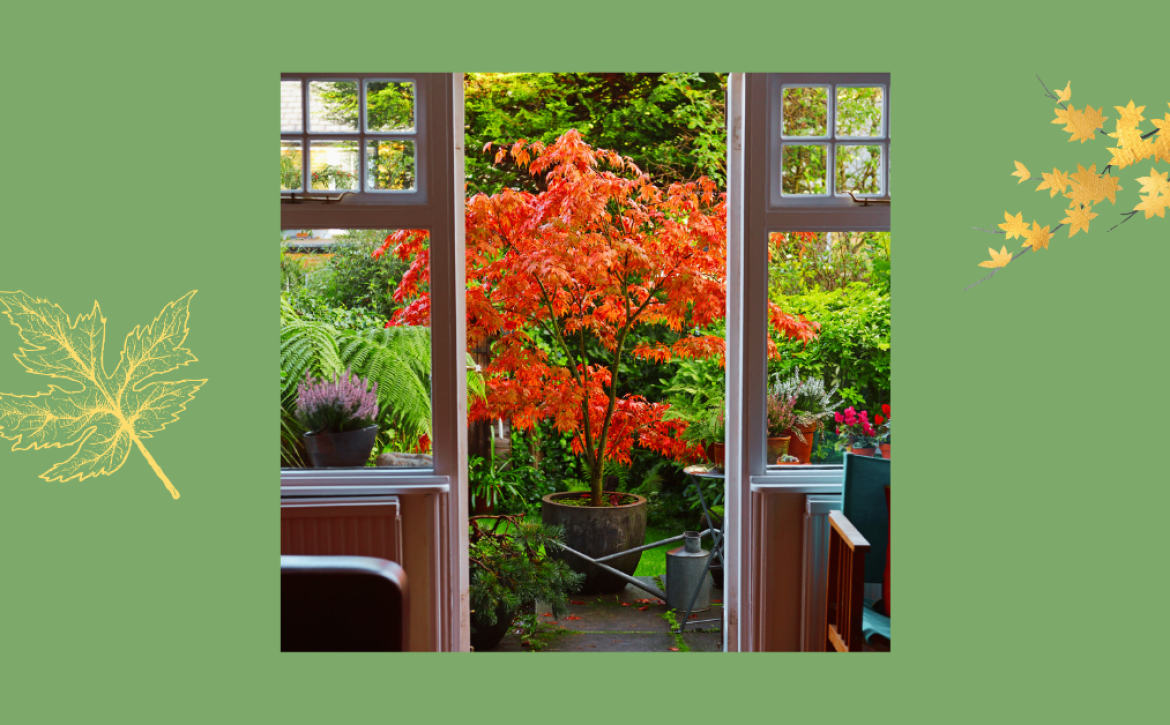
Learn how to create a stunning balcony garden with Japanese maples. Discover the best tips and tricks for growing these beautiful trees in containers.
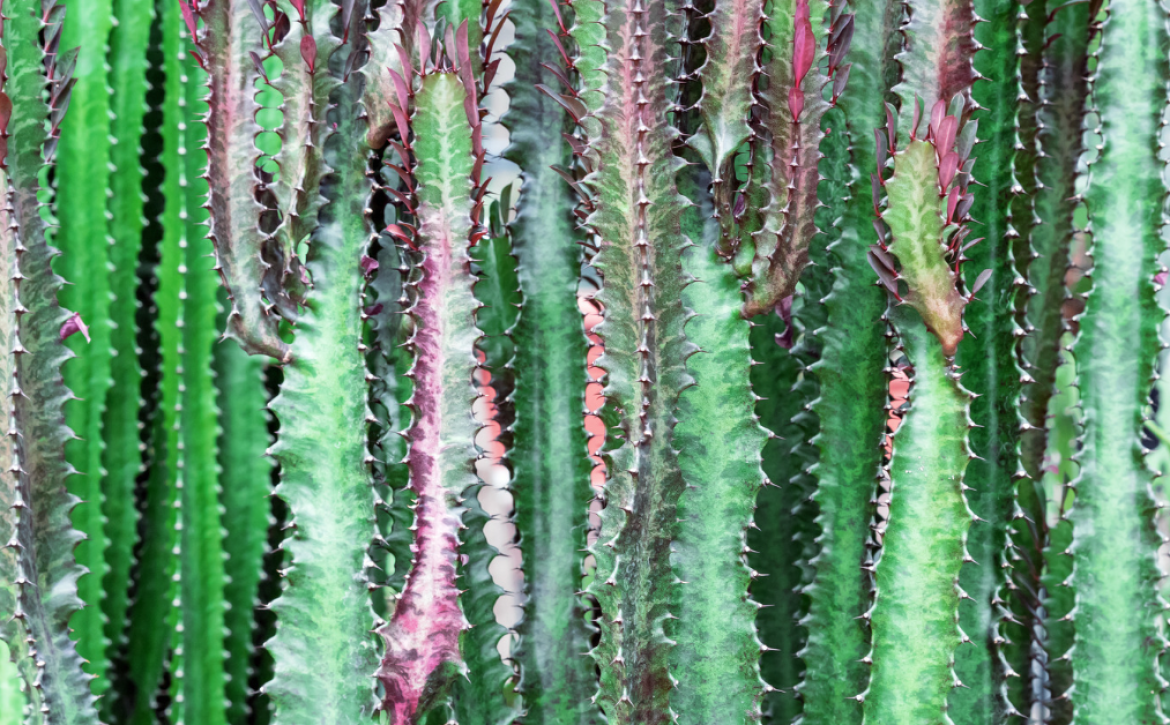
Learn how to grow and care for the African Milk Tree, a beautiful and easy-to-maintain houseplant. Our tips and tricks will help you keep your plant healthy and thriving.

Growing tomatoes in your balcony garden is a great way to add some greenery and visual interest. Not only do they add a pop of color to your space, but they’re also easy to grow and care for. With the right preparation and care, you can enjoy a bountiful harvest of juicy, ripe tomatoes all summer long. You can even incorporate tomatoes in a green wall: “Types of Vertical Gardens: Creating a Stunning Green Wall“.

One of the biggest benefits of growing tomatoes on your balcony is that you can control the growing environment. You can choose the right type of soil, fertilizer, and watering schedule to ensure your plants thrive. Plus, you don’t need a lot of space to get started – even a small balcony can accommodate a few tomato plants.
To get started, it’s important to choose the right tomato varieties for your balcony garden. You’ll want to select varieties that are well-suited to growing in containers and that produce a high yield. With the right preparation and care, you’ll be able to enjoy delicious, homegrown tomatoes all season long.
Growing tomatoes in your balcony garden has many benefits. Here are some reasons why you should consider growing tomatoes in your balcony garden:
In summary, growing tomatoes in your balcony garden is a cost-effective, sustainable, and nutritious way to enjoy fresh produce at home. With minimal effort and space, you can enjoy the benefits of homegrown tomatoes and add fresh flavor to your meals.
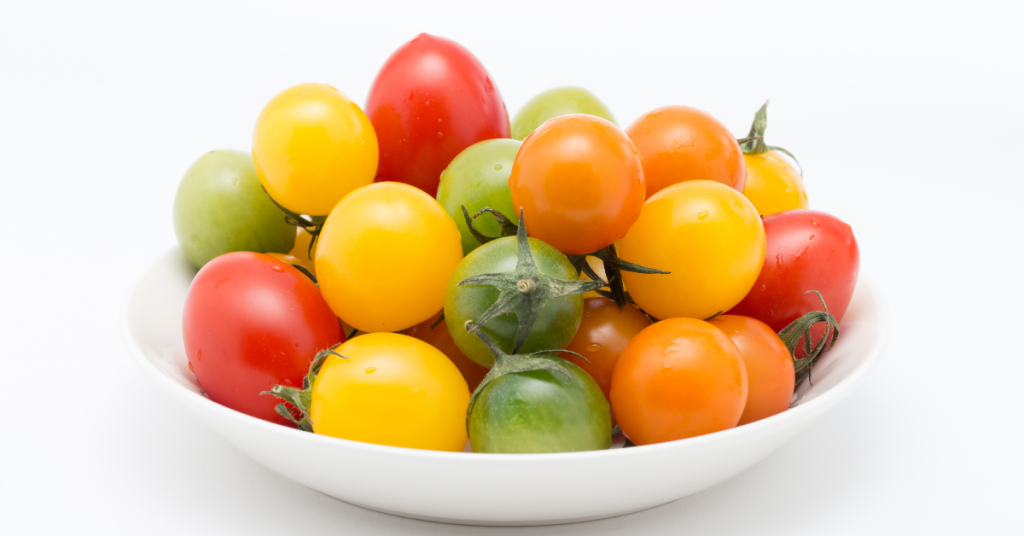
When it comes to choosing the right tomato varieties for your balcony garden, there are a few things to consider. The right variety can make all the difference in terms of yield, taste, and ease of care. Here are some factors to keep in mind:
First, consider the size of the tomato plant you want to grow. For balcony gardens, it’s best to choose varieties that are compact and don’t grow too tall. Determinate varieties are a good choice since they have a more bush-like growth habit and produce a concentrated crop over a shorter period. Some popular determinate varieties include Roma, Celebrity, and Bush Early Girl.
Next, consider the flavor profile you’re looking for. Do you prefer a sweet, juicy tomato or a more acidic one? Some popular sweet varieties include Sungold, Sweet 100, and Cherry Gold. For a more acidic flavor, try San Marzano, Amish Paste, or Brandywine.
Disease resistance is another factor to consider when choosing tomato varieties. Some varieties are more resistant to common tomato diseases like blight and wilt, which can help ensure a healthy crop. Look for varieties labeled as disease-resistant, such as Mountain Merit, Defiant, and Iron Lady.
Finally, consider the size of the container you’ll be planting your tomatoes in. Larger varieties will need more space and a larger container to grow in. A general rule of thumb is to choose a container that’s at least 18 inches in diameter and 24 inches deep for larger varieties. Smaller varieties can do well in containers as small as 12 inches in diameter.
By considering these factors, you can choose the right tomato varieties for your balcony garden and enjoy a bountiful harvest of delicious, homegrown tomatoes.
Before you start growing tomatoes on your balcony, there are a few things you need to do to prepare your garden. Here are some tips to help you get started:
Tomatoes require a lot of space to grow, so it’s important to choose the right container. A 5-7 gallon container is recommended at a minimum, but you can go bigger if you have the space. Make sure your container has drainage holes to prevent water from building up and drowning your plants.
Tomatoes need well-draining soil that is rich in nutrients. You can buy pre-mixed potting soil or make your own by mixing equal parts of compost, peat moss, and vermiculite. Avoid using garden soil, as it can contain pests and diseases that can harm your plants.
Tomatoes need at least 6-8 hours of sunlight per day to grow and produce fruit. Make sure your balcony receives enough sunlight, or consider using grow lights if you don’t have access to natural sunlight.
When selecting a tomato variety for your balcony garden, choose determinate varieties that don’t grow too tall and are more compact. Some good options include cherry tomatoes, patio tomatoes, and bush tomatoes.
Tomatoes need consistent moisture to grow and produce fruit. Water your plants regularly, making sure the soil stays moist but not waterlogged. Consider using a self-watering container or drip irrigation system to make watering easier.
By following these tips, you’ll be well on your way to growing delicious tomatoes on your balcony. With a little bit of care and attention, you can enjoy fresh, homegrown tomatoes all season long!
Tomatoes are a popular choice for balcony gardens as they are easy to grow and produce a bountiful harvest. However, to ensure that your tomato plants thrive, it is important to plant and care for them correctly.
To plant your tomato plants, follow these simple steps:
Once your tomato plants are established, it is important to care for them properly to ensure a healthy harvest. Here are some tips:
By following these simple steps, you can enjoy a bountiful harvest of delicious, homegrown tomatoes from your balcony garden.
Harvesting your balcony garden tomatoes at the right time is crucial to ensure that they are sweet, juicy, and full of flavor. Here are some tips to help you harvest your tomatoes like a pro:
Once you have harvested your tomatoes, it’s important to store them properly to ensure that they stay fresh and flavorful for as long as possible. Here are some tips for storing your balcony garden tomatoes:
By following these tips, you can enjoy delicious, homegrown tomatoes from your balcony garden all season long.
Yes, cherry tomatoes can grow in pots. In fact, they are one of the best types of tomatoes to grow on a balcony because they are compact and do not require as much space as other tomato varieties. Cherry tomatoes also tend to be more disease-resistant than other types of tomatoes.
Determinate tomato plants are the best type of tomato plant for balcony gardens. They are compact and bushy, making them ideal for small spaces. Determinate tomato plants also produce their fruit all at once, which makes them easier to manage and harvest.
The size of the container you need for growing tomatoes depends on the variety of tomato you are growing. A general rule of thumb is to choose a container that is at least 18 inches in diameter and 24 inches deep for most tomato varieties. However, if you are growing a larger tomato variety, you may need a container that is even larger.
Tomatoes grown in pots require regular fertilization to thrive. A balanced fertilizer that contains equal amounts of nitrogen, phosphorus, and potassium is the best option for growing tomatoes in pots. You can also use organic fertilizers, such as compost or fish emulsion, to provide your tomato plants with the nutrients they need.
Tomato plants grown in containers require support to prevent them from toppling over as they grow. You can use a tomato cage or a stake to support your tomato plants. Make sure you install the support system when you plant the tomato seedling, so you do not disturb the roots later on.
Tomatoes grown in pots require regular watering to thrive. You should water your tomato plants deeply once or twice a week, depending on the weather conditions. Make sure the soil is moist but not waterlogged. Overwatering can lead to root rot, which can kill your tomato plants.
For some great information about a vertical tomato garden, take a look at this article, “How to Set Up a Gorgeous Vertical Tomato Garden”. (source: minnetonkaorchards.com).
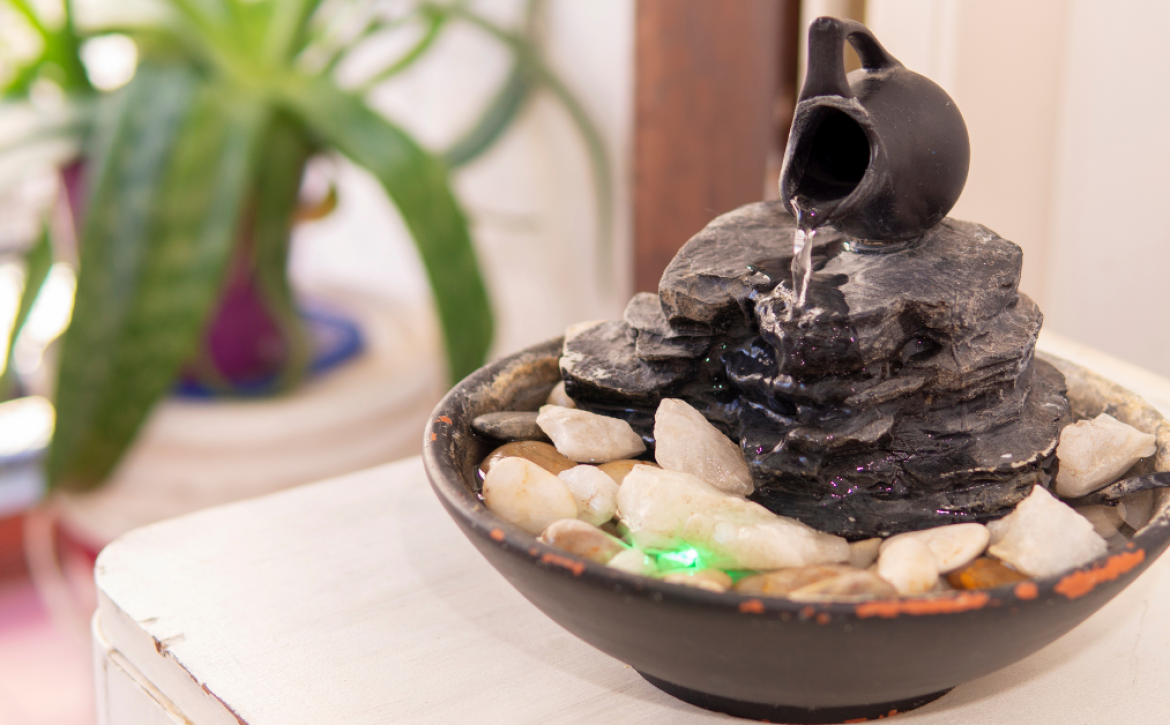
Discover how to create a calming outdoor space with a DIY zen balcony garden. Our guide will show you how to transform your balcony into a peaceful oasis, perfect for relaxation and meditation.
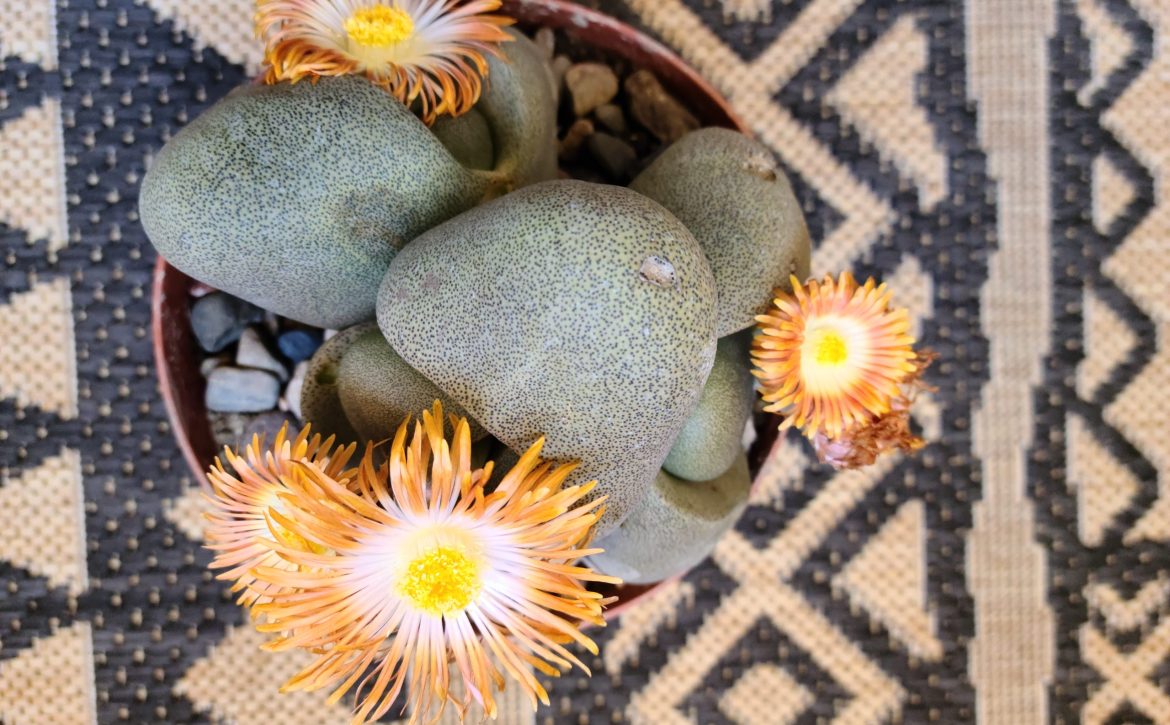
We thought it might be fun to create a focus post every week on one specific balcony garden plant. As with all of our articles, remember to think about conditions on your balcony or patio as well as verify whether it’s a good choice if you have a family pet friend. So, on to our first feature plant, the loveable Split Rock.
The Split rock plant, also known as Pleiospilos nelii, is a unique succulent native to South Africa. This plant is characterized by its gray-green stone-like leaves separated by a cleft down the center, giving it the appearance of a split rock. Split rocks are relatively small, growing only a few inches in height, making them perfect for indoor gardening.
If you’re looking for a low-maintenance plant that is both visually striking and easy to care for, this plant is an excellent choice. These plants require minimal watering and can thrive in bright, indirect light. With proper care, split rock plants can produce beautiful yellow or white flowers that bloom in the summer months.
Whether you’re a seasoned gardener or a beginner, the split rock is a fascinating addition to any collection. In this article, we will explore everything you need to know about growing and caring for split rock plants, from their unique characteristics to their preferred growing conditions. So let’s dive in and discover the world of split rock plants together. If you have a chance, check out this video by “Sucs for You!” (source: youtube.com) for a brief overview.

Here at Balcony Garden Paradise, we are very fond of this unique and fascinating plant. In this section, we’ll provide an overview of this plant, including its description, habitat and range, and uses.
The split rock plant, also known as Pleiospilos nelii, is a small succulent that is native to South Africa. It is a perennial plant that has two to four gray-green leaves that are separated by a cleft down the center. The leaves are thick and fleshy, and have a stone-like appearance, which gives the plant its common name.
Split Rocks produce spectacular flowers that have a coconutty smell. The flowers are yellow or white, and they bloom in the fall or spring. The plant is easy to care for and can be a great addition to any succulent collection.
The split rock plant is native to South Africa and thrives in arid and semi-arid environments. It prefers bright, unmodified light and can be cultivated outdoors in warmer climates, in USDA regions 9-11.
The split rock plant is primarily grown as an ornamental plant. It is a popular choice among succulent enthusiasts due to its unique appearance and low maintenance requirements. The plant can be grown in pots or in rock gardens, and it can be used to create interesting and eye-catching displays.
In addition to its ornamental uses, this unique plant has some medicinal properties. It has been used in traditional medicine to treat a variety of ailments, including fever, headaches, and stomach problems. However, more research is needed to determine the effectiveness of these treatments.
The Split Rock is a fascinating succulent that can be a great addition to any collection. With its low maintenance requirements and interesting appearance, it is a great choice for both beginner and experienced succulent growers.
The split rock plant can be propagated through seeds or by division. To propagate through seeds, collect the seeds from the plant after the flowering season. Soak the seeds in water for 24 hours before planting them in sandy soil. Keep the soil damp but not too wet until the seeds germinate.
To propagate through division, wait until the plant has produced offsets. Carefully remove the offsets and plant them in sandy soil. Water the offsets sparingly until they have established roots.
Split rock plants prefer bright, unmodified light and dry, arid, and semi-arid climates. They thrive in the spring and autumn seasons and detest cold weather. When cultivated outdoors, split rock plants perform best in warmer climates (in 9-11 USDA regions).
When dealing with a split rock plant, it is recommended to use a soil mix consisting of 1 part peat moss to 1 part loam to 2 parts coarse sand with small pebbles added to ensure good drainage. Very little water is needed during the growing season, and you do not fertilize the plants. Make sure NOT to water on the plant itself. Water directly in the soil.
Split rock plants are generally pest and disease-free. However, they can be susceptible to mealybugs and spider mites. To prevent infestations, inspect the plant regularly and remove any affected areas immediately.
Overwatering can cause root rot, which can be fatal for the plant. To prevent root rot, make sure the soil is well-draining and avoid watering the plant too frequently.
In conclusion, split rock plants are relatively easy to propagate and care for. By following the proper growing conditions and taking preventative measures against pests and diseases, you can enjoy the beauty of this unique succulent for years to come.
Taking care of a split rock is easy, and it only requires minimal maintenance. Here are some tips on how to keep your plant healthy and thriving.
Split rock are drought-tolerant succulents that can survive long periods without water. Therefore, it’s essential to avoid overwatering your plant, as this can lead to root rot. We recommend watering your split rock plant once a month during the growing season (spring and summer) and once every two months during the dormant season (fall and winter).
When watering your split rock plant, make sure to soak the soil thoroughly and let the excess water drain out of the pot’s bottom. Avoid getting water on the plant’s leaves or stem, as this can cause rot. We also recommend using a well-draining soil mix that allows excess water to drain away quickly.
Split rock do not require frequent fertilization, but you can give them a boost during the growing season (spring and summer) by applying a balanced, water-soluble fertilizer. We recommend diluting the fertilizer to half-strength and applying it once a month.
Avoid fertilizing your split rock plant during the dormant season (fall and winter), as this can cause the plant to grow too quickly and become weak and leggy.
Split rock plants do not require pruning, but you can remove any dead or damaged leaves or stems to keep your plant looking neat and tidy. We recommend using clean, sharp scissors or pruning shears to avoid damaging the plant.
In conclusion, taking care of a split rock plant is easy and straightforward. By following these simple tips, you can keep your plant healthy and thriving for years to come.
You should harvest a Split rock when the flowers have dried up and the seed pods have turned brown. The timing of the harvest is crucial, as harvesting too early or too late can result in poor-quality seeds. You should aim to harvest the seed pods when they have turned brown and are starting to split open. You should also make sure to harvest the seed pods before they fall off the plant.
To harvest Split Rock, carefully remove the seed pods from the plant using a pair of scissors or a sharp knife. Make sure to handle the seed pods gently to avoid damaging them. Once you have harvested the seed pods, place them in a dry, well-ventilated area to allow them to dry out completely. You should make sure to remove any debris or plant material from the seed pods before storing them.
To store Split rock seeds, you should place them in an airtight container, such as a glass jar or plastic bag. Make sure to label the container with the date of harvest and the variety of Split rock. Store the seeds in a cool, dry place, away from direct sunlight and moisture. Split rock seeds can remain viable for several years if stored properly.
Harvesting and storing Split rock seeds is a simple process that requires careful timing and handling. By following the guidelines outlined above, you can ensure that you harvest high-quality seeds that will produce healthy, vigorous plants.

In this article, we have learned that the split rock, also known as Pleiospilos Nelii, is a fascinating succulent plant native to South Africa. This plant is known for its unique appearance, with two to four gray-green stone-looking leaves separated by a cleft down the center.
We have also learned that the plant is a relatively easy plant to care for, making it an excellent choice for novice growers. It can thrive in semi-arid and arid areas, making it perfect for rock gardens or windowsill gardens.
To care for a split rock, we recommend providing it with well-draining soil, plenty of sunlight, and infrequent watering. Overwatering can be detrimental to the plant’s health, so it’s essential to allow the soil to dry out between watering sessions.
In addition, the split rock is a slow-growing plant that can take several years to reach its full size. However, once it reaches maturity, it can produce beautiful yellow or white flowers that are a sight to behold.
In summary, the split rock plant is an excellent addition to any succulent collection. Its unique appearance, easy care requirements, and beautiful flowers make it a plant that we highly recommend for both novice and experienced growers alike. To find out more about succulents and more sustainable plants, read our article “10 Best Water-Conserving Balcony Garden Plants“.
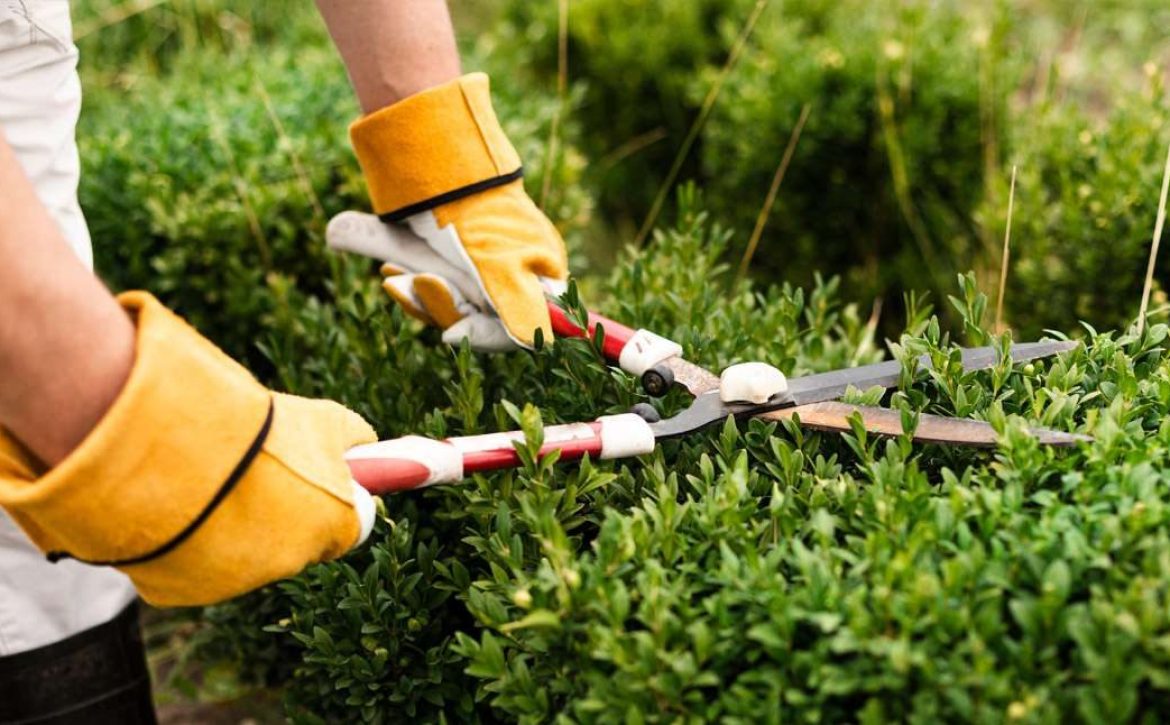
Our mission is to provide our customers with responsive service and unsurpassed quality and value at a very competitive price…
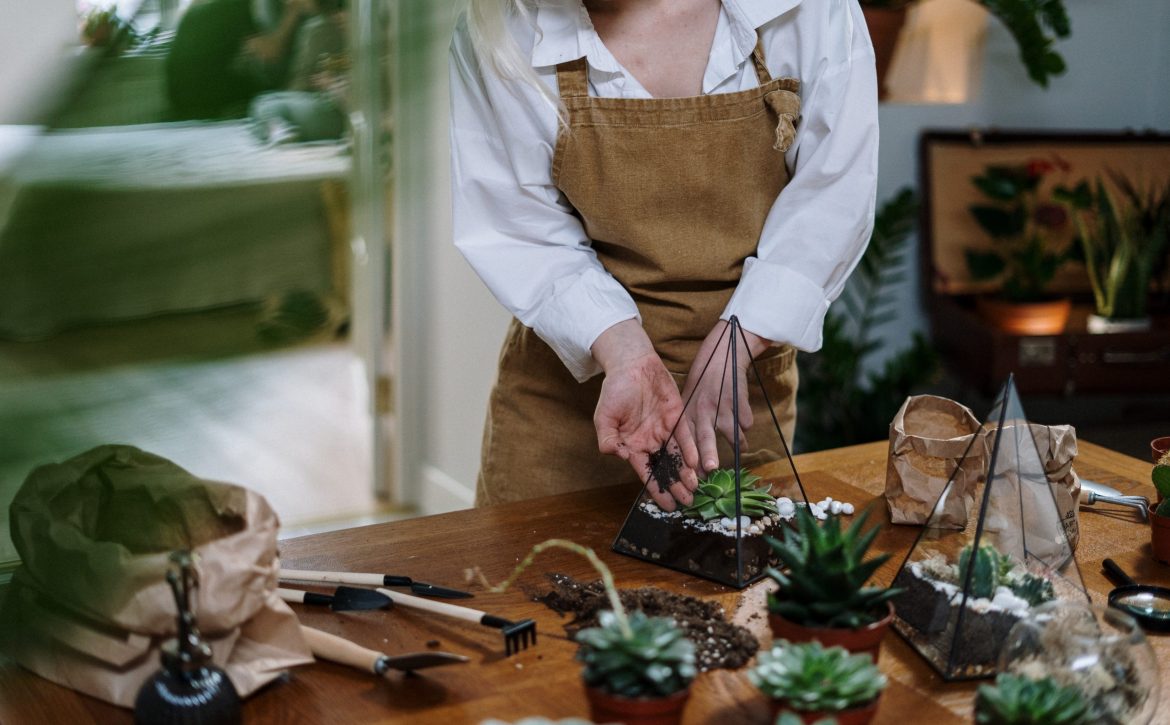
Are you looking for a way to add some greenery to your balcony garden? A DIY florarium may be just what you need. Florariums are miniature gardens that can be created in glass containers, and they’re perfect for small spaces like balconies. Not only are they aesthetically pleasing, but they’re also easy to care for and can help purify the air in your home. You might want to check out our article here entitled, “10 Best Water-Conserving Balcony Garden Plants“.
To create a florarium for your balcony garden, you’ll need a few basic supplies. According to Faterra, a florarium should be created by pouring pebbles or stones onto the bottom, followed by a layer of charcoal and a large layer of soil. You can use a decorative jar as your container, and introduce plants with tweezers. You can use a glass container with or without a lid, soil that matches the preferences of your chosen plants, drainage materials like sand or small pebbles, activated charcoal, and of course, plants and decorative elements of your choice. With these supplies, you’ll be able to create a beautiful and low-maintenance florarium for your balcony garden.

When creating a florarium for your balcony garden, it’s important to choose the right plants. The plants you select will depend on several factors, including the amount of sunlight your balcony receives, the size of your container, and your personal preferences. In this section, we’ll discuss how to research and select the best plants for your florarium. Check out the following article for some combination ideas: “29 Pretty Plant Combinations for Creating Stunning Container Gardens”. [source: Better Homes and Gardens]
Before you start selecting plants for your DIY florarium, it’s important to do some research. Look for plants that are well-suited to the conditions on your balcony. Consider factors such as the amount of sunlight your balcony receives, the temperature, and the humidity levels. You can also research the different types of plants that are commonly used in florariums, such as mosses, ferns, orchids, and succulents.
When researching plants, be sure to look for reputable sources. You can find information about plants on gardening websites, in books about indoor gardening, and from experts at your local nursery. Some good sources of information on florarium plants include the Royal Horticultural Society and the American Horticultural Society.
Once you’ve done your research, it’s time to start selecting plants for your florarium. When selecting plants, consider their size, shape, and color. You’ll want to choose plants that complement each other and create a balanced, visually appealing arrangement. Discover more about this special type of planting here:
Some good plants to consider for your florarium include:
When selecting plants for your florarium, be sure to read the care instructions carefully. Some plants require more water than others, while others prefer a drier environment. By selecting plants that are well-suited to your balcony garden, you’ll be able to create a beautiful, thriving florarium that you can enjoy for years to come.
Creating a florarium for your balcony garden can be a fun and rewarding DIY project. With a few basic supplies and some carefully chosen plants, you can create a beautiful mini greenhouse that will add a touch of greenery to your outdoor space. Here are some tips on how to prepare your DIY florarium.
The first step in preparing your florarium is to choose a container. You can use any clear, glass container that is large enough to hold your plants and soil. Some popular choices include fish tanks, jars, and vases. You can also find special florarium containers at garden centers or online.
When choosing your container, consider the size and shape of the plants you want to use. If you plan to use tall or trailing plants, look for a container with a narrow neck or a tall, cylindrical shape. If you want to create a more compact arrangement, choose a shorter, wider container.
Once you have your container, it’s time to add the layers of gravel and soil that will create a stable environment for your plants. Start by adding a layer of gravel or small stones to the bottom of the container. This will help with drainage and prevent the roots of your plants from sitting in water.
Next, add a layer of activated charcoal. This will help keep the soil fresh and prevent mold and bacteria from growing. You can find activated charcoal at most garden centers or online.
Finally, add a layer of soil. Choose a soil that is appropriate for the types of plants you want to use. For example, succulents and cacti require a well-draining soil, while ferns and other moisture-loving plants prefer a soil that retains more water.
When adding the soil, be sure to leave enough room for your plants. You may need to add more soil after you have placed your plants to ensure they are firmly anchored in place.
Overall, preparing a florarium for your balcony garden is a fun and easy DIY project. With the right container, layers of gravel and soil, and carefully chosen plants, you can create a beautiful and low-maintenance mini greenhouse that will thrive in your outdoor space.

Creating a beautiful DIY florarium for your balcony garden is a great way to add a touch of greenery to your outdoor space. Planting your florarium is an important step in the process, and it’s important to make sure you do it correctly to ensure the health and longevity of your plants. In this section, we’ll discuss how to arrange and care for your plants in your new florarium.
When it comes to arranging your plants in your florarium, it’s important to consider the size and shape of your container. You want to make sure that you have enough space for all of your plants to grow and thrive, but you also want to create a visually appealing arrangement.
Start by adding a layer of drainage material to the bottom of your container, such as small rocks or gravel. This will help to prevent water from accumulating at the bottom of the container and causing root rot.
Next, add a layer of soil that matches the preferences of your chosen plants. Be sure to leave enough space between each plant to allow for growth. You can use a small trowel or your fingers to create small holes in the soil for each plant.
Once you have your plants in place, you can add decorative elements such as rocks, moss, or figurines to enhance the visual appeal of your florarium.
Caring for your plants in your new florarium is essential to ensure their health and longevity. Here are a few tips to keep in mind:
By following these tips and arranging your plants carefully, you can create a beautiful and healthy florarium for your balcony garden.
A florarium is a beautiful addition to any balcony garden. Not only do they add a touch of greenery to your space, but they also create a calming and relaxing atmosphere. Decorating your florarium can be a fun and creative process that allows you to express your personal style. Here are a few tips on how to decorate your florarium:
Adding decorative elements to your DIY florarium can help to enhance its overall aesthetic appeal. There are many different decorative elements that you can choose from, including:
Choosing the right lighting is an important part of decorating your florarium. You want to make sure that your plants are getting enough light to thrive, but you also want to create a warm and inviting atmosphere. Here are a few tips on how to choose the right lighting for your florarium:
In conclusion, decorating your florarium is a fun and creative process that allows you to express your personal style. By adding decorative elements and choosing the right lighting, you can create a beautiful and calming space that will bring joy to your balcony garden.
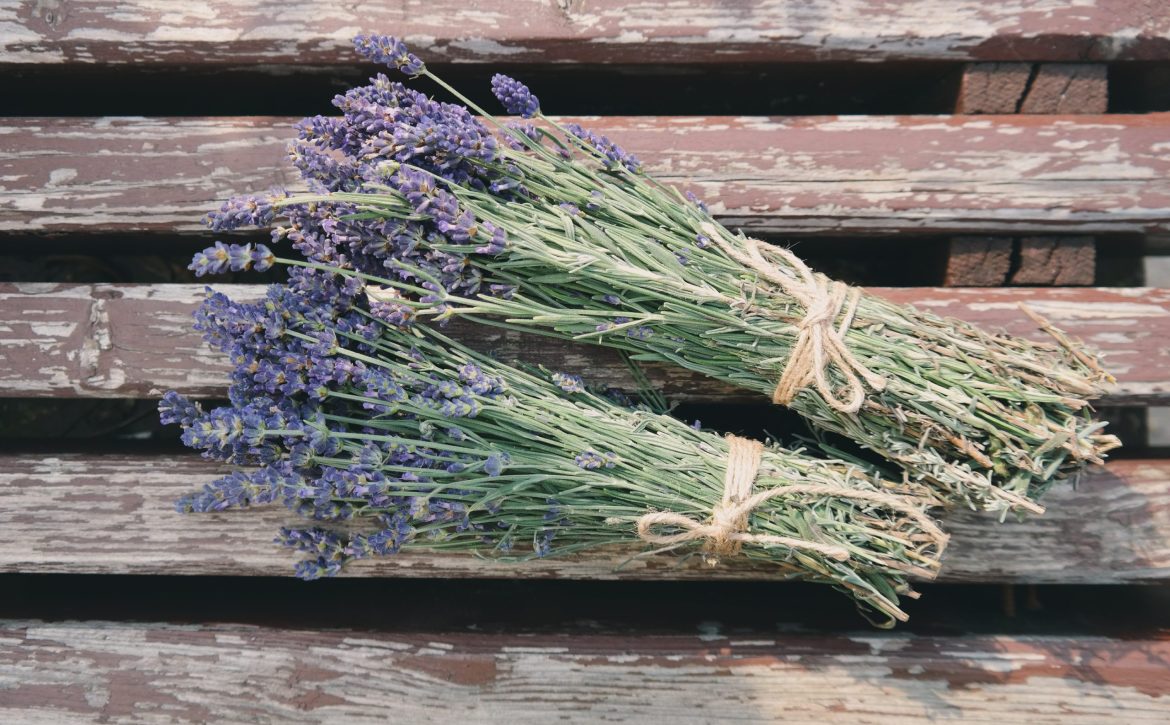
Are you looking to create a beautiful balcony garden while conserving water? With the right plant selection and care, you can create a stunning garden that doesn’t require a lot of water. In this article, we’ll introduce you to 10 water-saving balcony garden plants that are ideal for a balcony garden focused on water conservation.
When selecting plants for your balcony garden, it’s important to choose those that are drought-tolerant and can thrive in a container environment. These plants not only require less water, but they also help to conserve water by reducing the need for frequent watering.
Some of our top picks for water-wise balcony plants include succulents, herbs, and flowering shrubs. We’ll provide tips for each plant to help you care for them properly and ensure they thrive in your balcony garden.
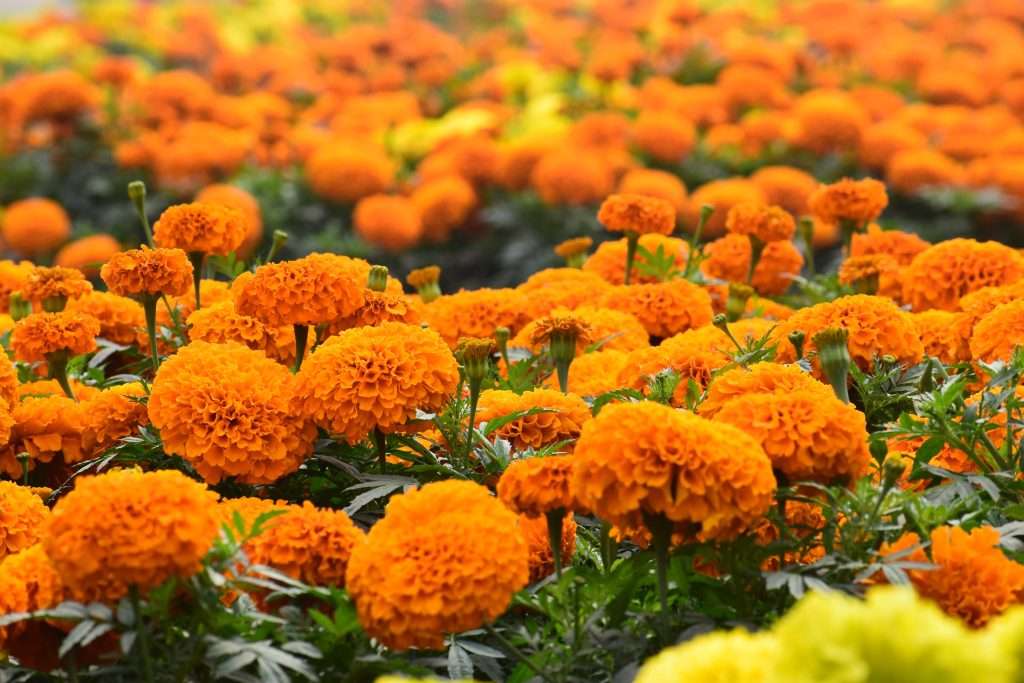
When it comes to creating a balcony garden that conserves water, choosing the right plants is key. By selecting low-maintenance plants, attract pollinators, retain water, thrive in containers, and add color and height, you can create a beautiful and sustainable garden that requires minimal watering.
Low-maintenance plants are perfect for balcony gardens because they require minimal watering and care. Some great options include succulents, ferns, and ivy. Succulents are especially great because they store water in their leaves, making them perfect for hot and dry conditions. Ferns and ivy are also great because they are hardy and can tolerate a range of conditions.
Pollinators like bees and butterflies are essential for a healthy garden. By planting flowers that attract pollinators, you can help ensure that your garden thrives. Some great options include hydrangea, caladium, and sweet alyssum. These plants are not only beautiful but also attract bees and butterflies, which can help pollinate other plants in your garden.
Plants that retain water are perfect for balcony gardens because they require less watering. Some great options include cacti and succulents. These plants store water in their leaves and stems, making them perfect for hot and dry conditions.
Container gardening is perfect for balcony gardens because it allows you to grow plants in a small space. Some great options for container gardening include zinnias, roses, petunias, and fuchsia. These plants are not only beautiful but also thrive in containers.
Adding color and height to your balcony garden is essential for creating a beautiful and dynamic space. Some great options for adding color and height include begonias, zinnias, and roses. These plants come in a range of colors and can add a pop of color to any balcony garden.
In addition to selecting the right plants, there are a few other things you can do to conserve water in your balcony garden. Consider using self-watering pots or large pots that retain water. You can also use railing planters to maximize space and create a beautiful vertical garden.
By following these tips and selecting the right plants for your balcony garden, you can create a beautiful and sustainable space that conserves water and attracts pollinators.
When it comes to balcony gardening, choosing the right plants is crucial for water conservation. Here are some tips to help you choose the best plants for your balcony garden:
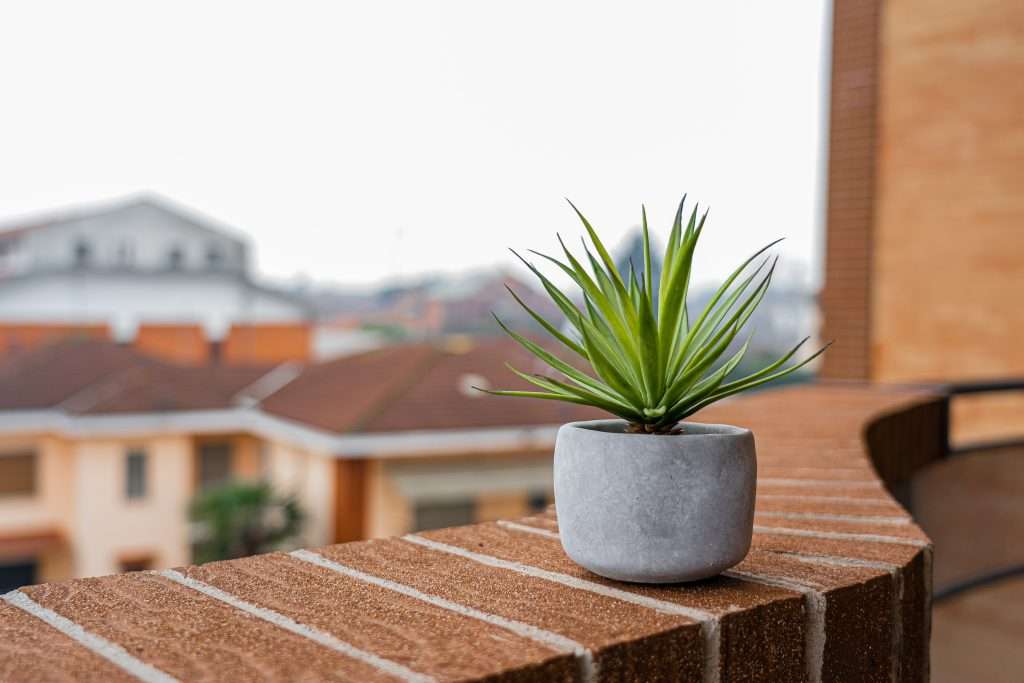
Before selecting plants, it’s important to consider the amount of sunlight your balcony receives. South and west-facing balconies get full sunlight almost all day long, while north-facing balconies or those shaded by other buildings may receive less sunlight. Choose plants that are suitable for the amount of sunlight your balcony receives.
Plants that require less water are ideal for balcony gardens. When designing your landscape for water efficiency, be sure to choose plants that are defined as low water use or drought tolerant for your area. These plant species will be able to survive in your climate with minimal, if any, need for supplemental watering.
Choose plants that complement each other in terms of color, texture, and growth habits. This will help create a visually appealing balcony garden. For example, you can pair tall plants with trailing plants to create a layered effect.
When selecting plants, it’s important to consider the size of your balcony. If you have a small balcony, choose plants that are compact and don’t take up too much space. If you have a larger balcony, you can choose larger plants or even create a vertical garden.
Here are ten plants that are ideal for balcony gardens:
| Plant Name | Type | Sun Exposure | Water Needs | Height | Suitable for Large Pots |
|---|---|---|---|---|---|
| Lavender | Perennial | Full Sun | Low | 1-3 ft | Yes |
| Sage | Perennial | Full Sun | Low | 1-3 ft | Yes |
| Thyme | Perennial | Full Sun | Low | 6-12 in | Yes |
| Rosemary | Perennial | Full Sun | Low | 2-6 ft | Yes |
| Marigold | Annual | Full Sun | Low | 6-24 in | Yes |
| Petunia | Annual | Full Sun | Low | 6-24 in | Yes |
| Zinnia | Annual | Full Sun | Low | 6-40 in | Yes |
| Succulents | Various | Full Sun to Part Shade | Low | Varies | Yes |
| Spider Plant | Perennial | Part Shade | Low | 12-18 in | Yes |
| Snake Plant | Perennial | Part Shade | Low | 1-4 ft | Yes |
By following these tips and choosing the right plants, you can create a beautiful balcony garden that conserves water and adds greenery and flowers to your outdoor space.
If you’re looking to create a balcony garden that conserves water, there are plenty of plant options to choose from. Here are ten plants that are drought-tolerant and can thrive with minimal watering:
Succulents are some of the most water-efficient plants you can grow on your balcony. They store water in their leaves, which means they can go for long periods without being watered. Some popular succulent options include cacti, aloe vera, and jade plants.
Lavender is a beautiful and fragrant plant that is also drought-tolerant. It prefers well-draining soil and can thrive in hot, dry conditions. Plus, its purple flowers attract pollinators like bees and butterflies.
Rosemary is a hardy herb that is great for water conservation. It prefers well-draining soil and can tolerate dry conditions. Plus, it’s a versatile herb that can be used in cooking and has a pleasant aroma.
Geraniums are a popular balcony plant that can thrive in hot, dry conditions. They come in a variety of colors and are easy to care for. Just make sure to water them deeply when you do water them, as they prefer to dry out between waterings.
Petunias are a colorful and low-maintenance option for a water-efficient balcony garden. They can tolerate dry conditions and come in a variety of colors. Plus, they attract pollinators like bees and hummingbirds.
Zinnias are another colorful option for a drought-tolerant balcony garden. They prefer well-draining soil and can tolerate heat and dry conditions. Plus, they attract pollinators like butterflies and bees.
Fuchsias are a beautiful and unique option for a water-efficient balcony garden. They prefer well-draining soil and can tolerate dry conditions. Plus, their vibrant colors and unique shape make them a standout plant.
Hydrangeas are a great option for a balcony garden that gets some shade. They prefer well-draining soil and can tolerate dry conditions, but they do need regular watering to thrive. Plus, their large, colorful blooms make a statement.
Caladiums are a colorful and low-maintenance option for a water-efficient balcony garden. They prefer well-draining soil and can tolerate dry conditions, but they do need regular watering to thrive. Plus, their unique, heart-shaped leaves add visual interest.
Sweet alyssum is a low-growing plant that is perfect for filling in gaps in a water-efficient balcony garden. It prefers well-draining soil and can tolerate dry conditions. Plus, its delicate flowers add a touch of sweetness to your balcony space.
In summary, there are plenty of plant options for a water-efficient balcony garden. By choosing drought-tolerant plants like succulents, lavender, and rosemary, you can create a beautiful and sustainable outdoor space. Just make sure to water deeply and infrequently, and choose well-draining soil to ensure your plants thrive.
Maintaining a water-conserving balcony garden can be a challenge, but with the right plants and techniques, you can have a thriving garden while also conserving water. Here are some tips to help you maintain a water-conserving balcony garden:
Watering plants correctly is essential for a water-conserving balcony garden. Here are some tips:
Using the right soil is important for a water-conserving balcony garden. Here are some tips:
Fertilizing plants appropriately is important for a water-conserving balcony garden. Here are some tips:
Pruning and deadheading regularly are important for a water-conserving balcony garden. Here are some tips:
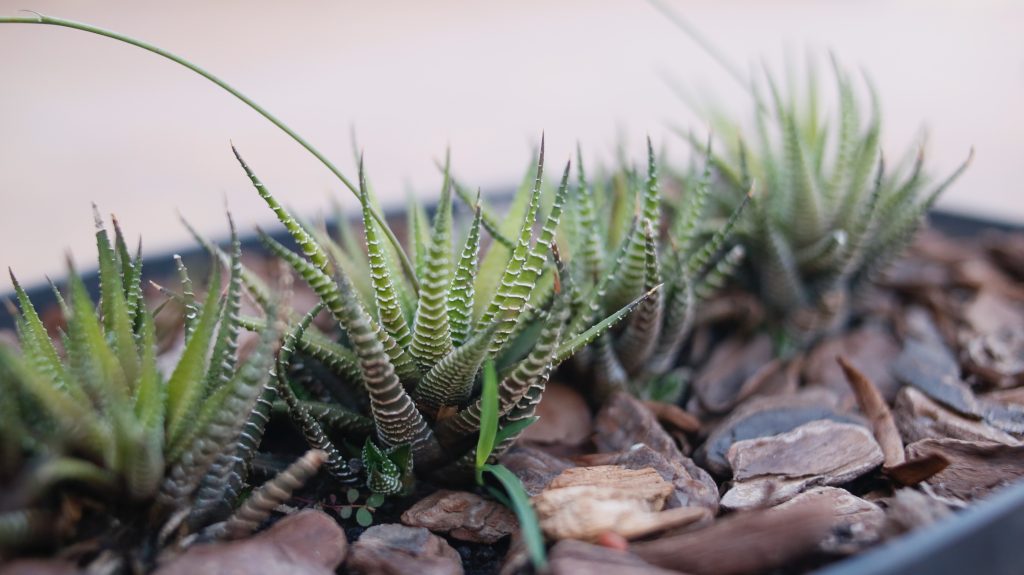
Protecting plants from burn is important for a water-conserving balcony garden. Here are some tips:
Here are 10 plants that are well-suited for a water-conserving balcony garden:
| Plant | Water Needs | Sun Exposure | Soil Type |
|---|---|---|---|
| Succulents | Low | Full sun to partial shade | Well-draining soil |
| Lavender | Low | Full sun | Well-draining soil |
| Rosemary | Low | Full sun | Well-draining soil |
| Sage | Low | Full sun | Well-draining soil |
| Thyme | Low | Full sun | Well-draining soil |
| Mint | Medium | Partial shade | Moist soil |
| Basil | Medium | Full sun | Moist soil |
| Cilantro | Medium | Partial shade | Moist soil |
| Chives | Medium | Full sun to partial shade | Moist soil |
| Parsley | Medium | Partial shade | Moist soil |
Choose plants that suit your balcony’s conditions and your preferences. With these tips and plants, you can have a beautiful and water-conserving balcony garden.
For further reading, check out our article: Get Growing with the Kratky Method of Hydroponics!







 Lisa Woods
 welcome@balconygardenparadise.com