Creating a Stunning Balcony Garden with Lavender
Learn how to create a stunning balcony garden with lavender. Discover tips and tricks for growing and caring for this fragrant herb that will add beauty and relaxation to your outdoor space.


Learn how to create a stunning balcony garden with lavender. Discover tips and tricks for growing and caring for this fragrant herb that will add beauty and relaxation to your outdoor space.

If you’re looking for a fun and rewarding way to grow your own fresh produce, consider starting a balcony garden with strawberries. Not only do strawberries produce delicious fruit, but they are also well-suited to growing in small spaces and require very little maintenance. With the right techniques and a little bit of care, you can enjoy juicy, sweet strawberries all season long.
There are many benefits to growing strawberries in a balcony garden. For one, they are easy to care for and require minimal space. Additionally, they are rich in vitamin C and antioxidants, making them a healthy addition to your diet. With a few simple steps, you can start growing your own strawberries and enjoy the taste of fresh, homegrown fruit all summer long.
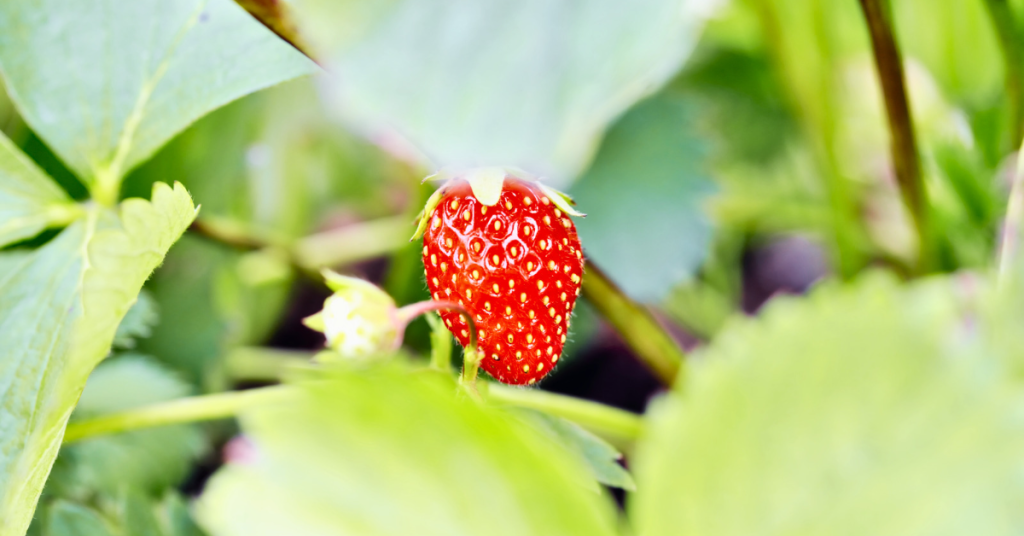
Growing strawberries in a balcony garden has numerous benefits. Here are some of the benefits of having a balcony garden:
One of the biggest benefits of having a balcony garden is the availability of fresh, organic produce. By growing your own strawberries, you can ensure that the fruit is free from harmful chemicals and pesticides. Plus, you can pick the strawberries at the peak of ripeness, ensuring maximum flavor and nutrition.
Growing your own strawberries in a balcony garden can also save you money in the long run. By eliminating the need to purchase strawberries from the grocery store, you can save money on your grocery bill. Plus, you can grow other fruits and vegetables in your balcony garden, further reducing your grocery expenses.
A balcony garden can also add aesthetic appeal to your home. With a variety of plants and flowers, you can create a beautiful and inviting space on your balcony. Plus, the sight and smell of fresh strawberries can be a delightful addition to your balcony garden.
Gardening has been shown to have stress-relieving benefits. By tending to your balcony garden, you can reduce stress and anxiety, improve your mood, and promote overall well-being.
In conclusion, a balcony garden can provide numerous benefits, including fresh, organic produce, cost savings, aesthetic appeal, and stress relief. By growing your own strawberries in a balcony garden, you can enjoy all of these benefits and more.
When it comes to growing strawberries on your balcony, choosing the right variety is essential. With so many different types of strawberries available, it can be challenging to know which ones will work best for your balcony garden.
Here are some factors to consider when selecting strawberry varieties for your balcony garden:
The first thing to consider is the space you have available on your balcony and the size of the pots you plan to use. Some strawberry varieties, such as Alpine strawberries, are compact and can be grown in small pots. Other varieties, such as June-bearing strawberries, require more space and larger pots to grow successfully.
Another important factor to consider is your climate. Some strawberry varieties, such as Everbearing strawberries, are better suited for cooler climates, while others, such as Day-neutral strawberries, can thrive in warmer temperatures.
Consider the yield and size of the fruit when selecting strawberry varieties. June-bearing strawberries typically produce larger fruit, while Everbearing and Day-neutral strawberries produce smaller fruit but over a more extended period.
Finally, consider the taste and flavor of the strawberries you plan to grow. Some varieties, such as Chandler strawberries, are known for their sweet flavor, while others, such as Seascape strawberries, have a more tangy taste.
Overall, the best strawberry varieties for your balcony garden will depend on your specific needs and preferences. Take the time to research different varieties and choose the ones that are best suited for your balcony garden. With the right variety, you can enjoy fresh, delicious strawberries right from your balcony all season long.

Growing strawberries on a balcony is a fun and rewarding project that can yield delicious fruit right outside your door. However, before planting your strawberries, it’s important to prepare your balcony garden properly. Here are some tips to help you get started.
Strawberries need at least six hours of direct sunlight per day to thrive. Before planting your strawberries, assess your balcony’s sunlight exposure. Observe how much sunlight your balcony receives throughout the day and determine the best location for your strawberry plants. If your balcony doesn’t get enough sunlight, consider using grow lights to supplement the natural light.
Strawberries can be grown in a variety of containers, including pots, hanging baskets, and window boxes. When choosing containers, make sure they have drainage holes to prevent water from accumulating in the soil. Also, the containers should be large enough to accommodate the roots of the strawberry plants and allow for proper drainage.
Strawberries prefer well-draining soil that is rich in organic matter. Choose a potting mix that is specifically formulated for container gardening, or make your own by combining equal parts of peat moss, vermiculite, and perlite. Additionally, you can add compost or aged manure to the soil to provide additional nutrients.
Companion planting is a gardening technique that involves planting different plants together to benefit each other. Consider planting companion plants with your strawberries, such as herbs or flowers, to help repel pests and attract beneficial insects.
By following these tips, you can prepare your balcony garden for strawberries and set yourself up for a successful harvest. With a little bit of planning and care, you can enjoy fresh, juicy strawberries right from your balcony.
When it comes to planting and caring for your strawberry plants, there are a few key things to keep in mind. Follow these tips to ensure that your balcony garden strawberries thrive.
When selecting the type of strawberry to grow, consider whether you want to grow them as an annual or perennial. There are three types of strawberry varieties: June bearer or summer fruiting, which bear fruits once in a year in summer and grow as annuals; everbearing, which produce fruit twice a year in summer and fall; and day neutral, which produce fruit throughout the growing season. Choose the variety that best suits your needs and growing conditions.
To plant your strawberry plants, follow these simple steps:
Make sure to space your plants at least 12 inches apart to allow for proper growth and development.
Once your strawberry plants are planted, it’s important to care for them properly. Here are some tips to help your plants thrive:
By following these simple tips, you can enjoy a bountiful harvest of delicious strawberries from your balcony garden.
When it comes to harvesting your balcony garden strawberries, timing is key. The fruit should be left on the plant until it is fully ripe. Look for a deep red color and a slightly soft texture. If you are unsure whether the fruit is ripe, give it a gentle tug. If it comes off easily, it is ready to be harvested.
To pick the strawberries, grasp the stem just above the berry and gently pull it off the plant. Be careful not to damage the plant or the remaining fruit. If you have a larger harvest, consider using a pair of scissors or pruning shears to cut the stem just above the berry.
Once you have harvested your strawberries, it is important to store them properly to ensure they stay fresh and delicious. Here are a few tips for storing your balcony garden strawberries:
By following these simple tips, you can enjoy the fruits of your balcony garden labor for days to come.
Yes, strawberries can be grown in containers. In fact, growing strawberries in containers is a great way to enjoy fresh, juicy strawberries even if you don’t have a garden. Make sure to choose a container that is at least 5 inches in diameter and has drainage holes at the bottom to prevent waterlogging.
To grow healthy strawberries in pots, use a rich and loamy growing medium and add compost, manure, rotted sawdust, and organic matter to increase soil acidity and fertility. Water your plants regularly and keep the soil moist but not soggy. Provide your plants with at least 6 hours of full sun a day and fertilize them every 2-3 weeks with a balanced fertilizer.
Some of the best varieties of strawberries for balcony gardens include Alpine, Everbearing, and Day-neutral. These varieties are compact, produce a lot of fruit, and are well-suited for growing in containers.
Strawberries need to be watered regularly, especially during hot and dry weather. Water your plants deeply once a week, and increase the frequency during periods of drought or high temperatures. Make sure the soil is moist but not soggy, as overwatering can lead to root rot.
Some common pests and diseases that affect balcony garden strawberries include spider mites, aphids, slugs, and powdery mildew. To prevent these problems, make sure to keep your plants healthy and well-fed, and remove any damaged or diseased leaves or fruit immediately.
Balcony garden strawberries need at least 6 hours of full sun a day to thrive and produce fruit. However, they can also tolerate some shade, especially during the hottest hours of the day. If you live in a hot and sunny area, consider providing your plants with some afternoon shade to prevent them from getting sunburned. Check out this article by Orange Cable Railing called “Can You Grow Strawberries on a Balcony”. (source: orangecountycablerailing.com) As a cable railing installer, they’ve seen a few decks!
Read related posts:

Create a dynamic and beautiful balcony garden by using natural light to your advantage. Discover which plants thrive in different light conditions.
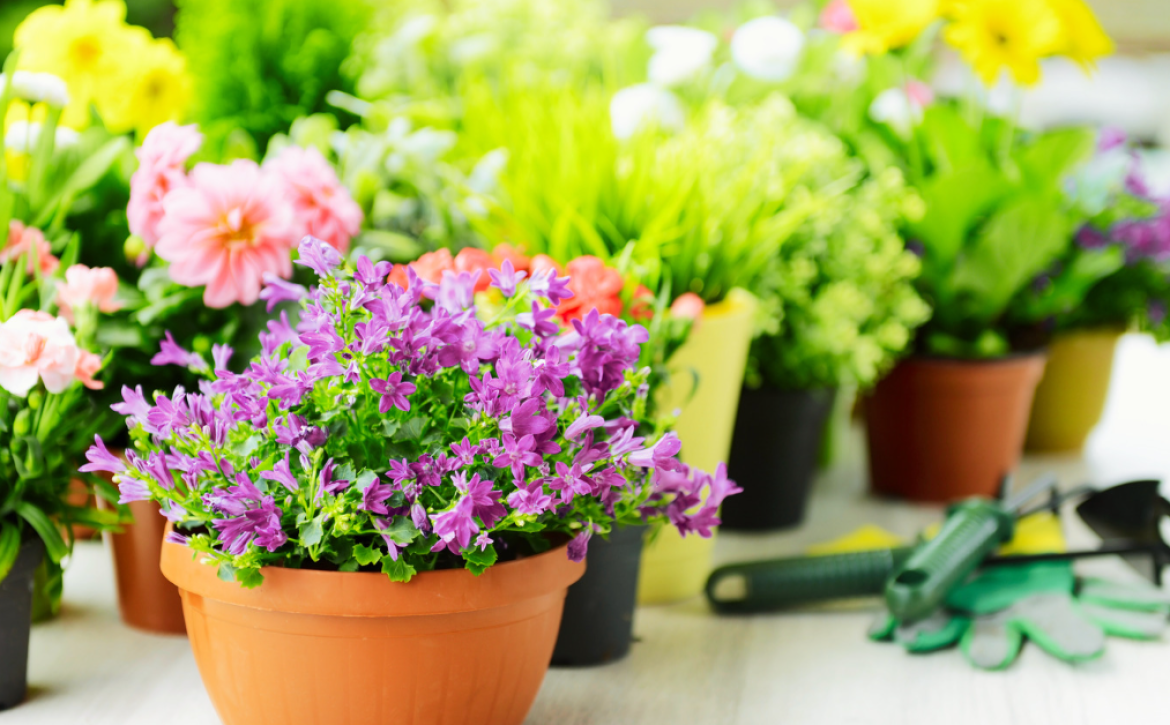
When it comes to creating a beautiful balcony garden, one of the most important factors to consider is the color palette. Choosing the right colors can make all the difference in creating a harmonious and visually appealing space. But with so many options available, it can be overwhelming to know where to start. In this article, you will learn everything you need to know about creating a balcony garden color palette that will transform your outdoor space.
Understanding color palettes is the first step in creating a beautiful balcony garden. A color palette is simply a collection of colors that work well together. When choosing a color palette for your balcony garden, it’s important to consider factors such as the size and shape of your space, the amount of sunlight it receives, and the overall mood you want to create. With the right color palette, you can create a space that feels cozy, relaxing, or energizing, depending on your preferences.
Choosing the right colors for your balcony garden can be a fun and creative process. Whether you prefer bold, bright hues or soft, muted tones, there are endless possibilities to explore. By considering factors such as the color of your building, the surrounding landscape, and your personal taste, you can create a color palette that is uniquely your own. With practical tips and expert advice, this article will guide you through the process of creating a balcony garden color palette that will bring your outdoor space to life.
When it comes to creating a beautiful balcony garden color palette, understanding color palettes is essential. A color palette is a range of colors used in a specific design or artwork. It is a combination of colors that work well together and create a harmonious and visually pleasing effect.
The primary colors are red, blue, and yellow. These colors cannot be created by mixing other colors. They are the building blocks of all other colors. When used in a balcony garden color palette, primary colors can create a bold and vibrant effect.
The secondary colors are green, orange, and purple. These colors are created by mixing two primary colors together. For example, blue and yellow create green, red and yellow create orange, and blue and red create purple. Secondary colors can add depth and interest to your balcony garden color palette.
Tertiary colors are created by mixing one primary color with one secondary color. For example, blue-green, red-orange, and yellow-purple are all tertiary colors. Tertiary colors can add nuance and complexity to your balcony garden color palette.
Color harmonies are combinations of colors that work well together. There are several types of color harmonies, including complementary, analogous, and monochromatic.
Understanding color palettes is essential to creating a beautiful and harmonious balcony garden color palette. By using primary, secondary, and tertiary colors, as well as color harmonies, you can create a visually pleasing and relaxing outdoor space.
When it comes to creating a beautiful balcony garden, choosing the right color palette is essential. The right color scheme can create a relaxing and inviting atmosphere while adding a touch of vibrancy to your space. In this section, we’ll discuss the three main color palettes you can use to create a stunning balcony garden.
Warm colors like red, orange, and yellow can add a sense of energy and excitement to your balcony garden. These colors are perfect for creating a lively atmosphere and can be used to draw attention to specific areas or plants. For example, you can use warm-colored flowers like marigolds or zinnias to create a bold and eye-catching display.
Cool colors like blue, green, and purple can create a calming and relaxing atmosphere in your balcony garden. These colors are perfect for creating a peaceful retreat where you can unwind and relax after a long day. You can use cool-colored flowers like lavender or hydrangeas to create a soothing and serene display.
Neutral colors like white, beige, and gray can add a touch of elegance and sophistication to your balcony garden. These colors are perfect for creating a timeless and classic look that will never go out of style. You can use neutral-colored flowers like roses or lilies to create a sophisticated and elegant display.
When choosing your balcony garden color palette, it’s important to consider the colors of your surrounding environment. For example, if you have a lot of greenery in your area, you may want to choose a color palette that complements the natural surroundings. Additionally, you should consider the size of your balcony garden. If you have a small space, it’s best to stick to a simple color palette with just a few colors. On the other hand, if you have a larger space, you can experiment with more colors and create a more complex color scheme.
In conclusion, choosing the right balcony garden color palette can make a big difference in the overall look and feel of your space. By following these tips and considering your surroundings and space, you can create a stunning and inviting balcony garden that you can enjoy all year round.

When it comes to creating a beautiful balcony garden, choosing the right color palette can make all the difference. A well-planned color scheme can transform your balcony into a stunning oasis that is both relaxing and inviting. In this section, we will explore the basics of color theory and how to use it to create a harmonious balcony garden color palette.
Before we dive into creating a balcony garden color palette, it’s important to understand the basics of color theory. The color wheel is a tool that can help you choose colors that work well together. It is made up of three primary colors (red, blue, and yellow), three secondary colors (green, orange, and purple), and six tertiary colors (yellow-green, yellow-orange, red-orange, red-purple, blue-purple, and blue-green).
When choosing colors for your balcony garden color palette, you can use the color wheel to guide you. You can choose colors that are next to each other on the wheel for a monochromatic scheme, or you can choose colors that are opposite each other for a complementary scheme. You can also choose colors that are three spaces apart for a triadic scheme.
Now that you understand the basics of the color wheel, it’s time to start choosing colors for your balcony garden color palette. Here are a few color combinations to consider:
By choosing a color scheme that works well with your balcony’s surroundings and your personal style, you can create a harmonious balcony garden color palette that will bring joy and relaxation to your outdoor space.
When designing your balcony garden color palette, there are several factors that you need to consider. Two of the most important factors are lighting conditions and seasonal changes.
Lighting conditions play a crucial role in determining the colors that will work best in your balcony garden. Different plants have different lighting requirements, and you need to choose colors that will complement the lighting conditions of your balcony.
If your balcony receives a lot of sunlight, then you can choose bright colors like yellow, orange, and red. These colors will stand out in the bright sunlight and create a vibrant and energetic atmosphere. On the other hand, if your balcony receives less sunlight, then you should choose cooler colors like blue, green, and violet. These colors will look more subdued in low light conditions and create a calming and peaceful atmosphere.
Seasonal changes also play a role in determining the colors that will work best in your balcony garden. Different colors are associated with different seasons, and you can use this to your advantage when designing your balcony garden color palette.
In spring, you can choose bright and cheerful colors like pink, yellow, and lavender. These colors will complement the fresh and new growth of the season. In summer, you can choose bold and vibrant colors like red, orange, and purple. These colors will complement the warmth and energy of the season. In fall, you can choose warm and earthy colors like brown, orange, and red. These colors will complement the changing colors of the leaves. In winter, you can choose cool and icy colors like blue, white, and silver. These colors will complement the frosty and snowy atmosphere of the season.
By considering these factors, you can create a balcony garden color palette that is both beautiful and functional. Remember to choose colors that complement your lighting conditions and the seasonal changes of your balcony garden.
When it comes to creating a beautiful balcony garden color palette, there are a few practical tips you can follow to ensure success. Here are some things to keep in mind:
If you’re new to gardening or just starting out with a new balcony garden color palette, it’s a good idea to start small. Focus on just a few colors or types of plants at first, and gradually expand your palette as you gain experience and confidence. This will help you avoid feeling overwhelmed and ensure that your balcony garden looks cohesive and well-planned.

When choosing colors for your balcony garden, it’s important to consider the view from your balcony. If your balcony overlooks a busy street or a concrete jungle, you may want to choose bright, bold colors that will stand out and add some life to the space. On the other hand, if you have a beautiful view of nature or a quiet residential area, you may want to choose more muted, natural colors that will complement the view and create a peaceful atmosphere.
Finally, when choosing plants for your balcony garden color palette, it’s important to think about maintenance. Different plants require different levels of care, so make sure you choose plants that you can realistically care for. If you’re short on time or don’t have a green thumb, choose low-maintenance plants like succulents or herbs. If you’re up for a challenge, choose more high-maintenance plants like orchids or roses.
By following these practical tips, you can create a beautiful balcony garden color palette that will enhance the look and feel of your outdoor space. Remember to start small, consider your view, and think about maintenance, and you’ll be well on your way to a stunning balcony garden.
In conclusion, creating a balcony garden color palette is an exciting and creative process that allows you to express your personality and style. By following the tips and ideas presented in this article, you can create a beautiful and harmonious outdoor space that reflects your taste and preferences.
Remember to choose colors that complement each other and create a cohesive look. You can use color theory to guide your choices, or simply follow your intuition and experiment with different combinations. Don’t be afraid to mix and match, and try new things until you find the perfect balance.
When selecting plants, consider not only their color but also their texture, shape, and size. A mix of different foliage types can add interest and depth to your balcony garden color palette. You can also use accessories such as pots, cushions, and rugs to add pops of color and tie everything together.
Finally, make sure to take into account the lighting conditions of your balcony. Some colors may appear differently in different types of light, so it’s important to test your choices before committing to them. With a little bit of planning and creativity, you can create a balcony garden color palette that is both beautiful and functional.
When it comes to balcony garden color palettes, there are a few popular options to consider. One classic choice is a monochromatic color scheme, where you stick to variations of one color. Another popular option is a complementary color scheme, where you choose colors that are opposite each other on the color wheel. Analogous color schemes, where you choose colors that are next to each other on the color wheel, are also a great choice for balcony gardens.
Using a color palette generator can be a helpful way to choose colors for your balcony garden. Simply input a color you like, and the generator will suggest complementary and analogous colors that work well together. Some popular color palette generators include Canva’s Color Palette Generator and Coolors.
If you have a wood patio for your balcony garden, there are a few color ideas that would work well. For a classic look, consider a monochromatic color scheme that uses variations of brown and beige. You could also opt for a complementary color scheme and choose colors like blue or green to contrast with the warm wood tones.
While it’s hard to predict the most popular patio colors for 2023, some current trends include earthy tones like terracotta and olive green. Blue and green shades are also popular choices for a calming and serene outdoor space.
If you’re looking for a unique color combination for your balcony garden, consider a triadic color scheme, where you choose three colors that are evenly spaced on the color wheel. For example, you could choose yellow, blue, and red for a bold and bright look.
Some trendy patio color ideas for 2023 include warm and cozy colors like rust and burnt orange. Neutral colors like beige and gray are also popular choices for a timeless and classic look. Don’t be afraid to mix and match colors to create a unique and personalized balcony garden color palette. If you’re looking to create a zen balcony garden, try our article “Find Your Inner Peace With A DIY Zen Balcony Garden” for some inspiration.
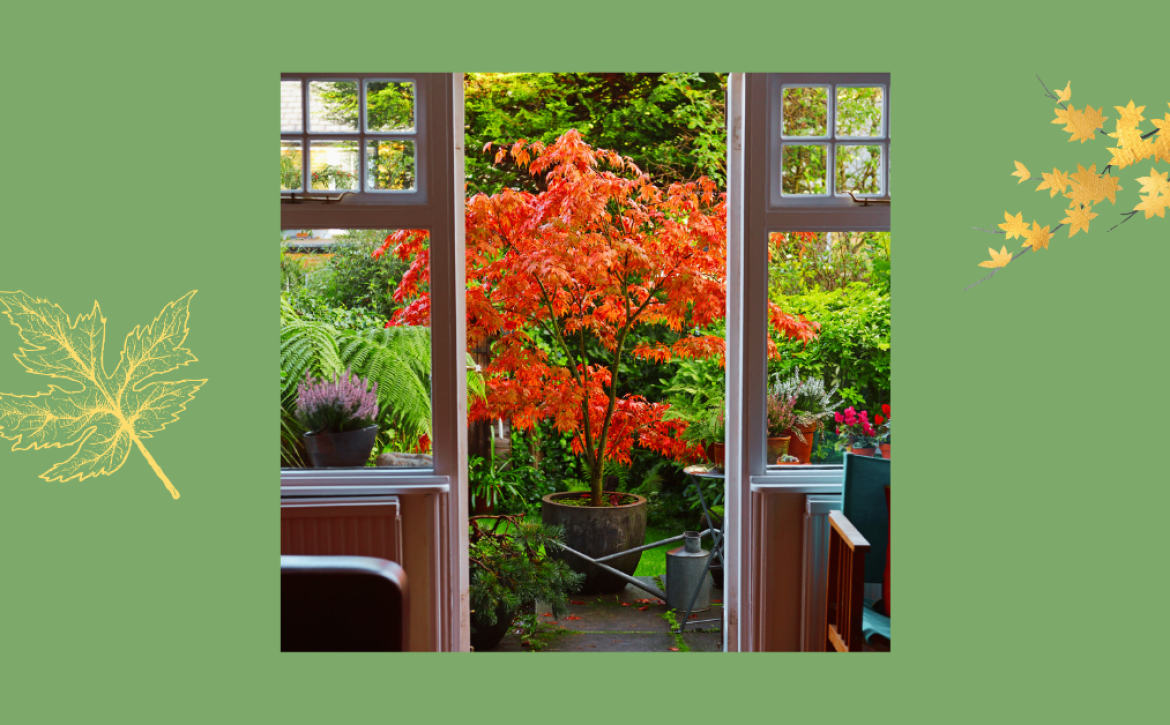
Learn how to create a stunning balcony garden with Japanese maples. Discover the best tips and tricks for growing these beautiful trees in containers.
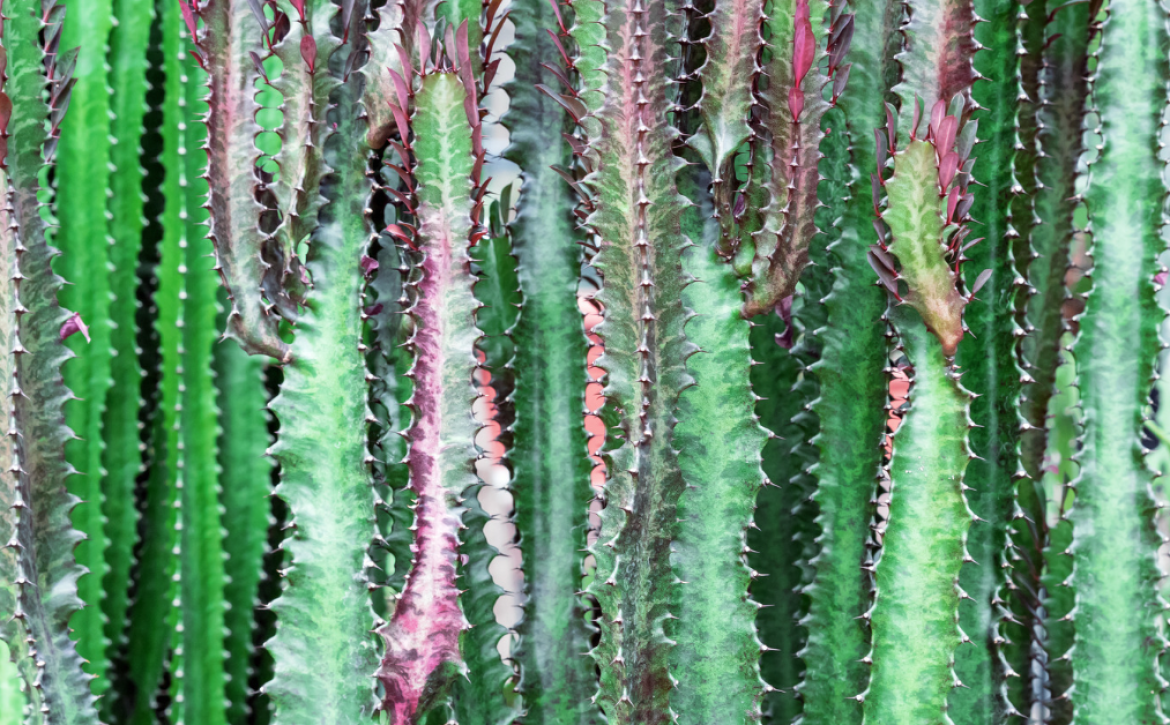
Learn how to grow and care for the African Milk Tree, a beautiful and easy-to-maintain houseplant. Our tips and tricks will help you keep your plant healthy and thriving.

Growing tomatoes in your balcony garden is a great way to add some greenery and visual interest. Not only do they add a pop of color to your space, but they’re also easy to grow and care for. With the right preparation and care, you can enjoy a bountiful harvest of juicy, ripe tomatoes all summer long. You can even incorporate tomatoes in a green wall: “Types of Vertical Gardens: Creating a Stunning Green Wall“.

One of the biggest benefits of growing tomatoes on your balcony is that you can control the growing environment. You can choose the right type of soil, fertilizer, and watering schedule to ensure your plants thrive. Plus, you don’t need a lot of space to get started – even a small balcony can accommodate a few tomato plants.
To get started, it’s important to choose the right tomato varieties for your balcony garden. You’ll want to select varieties that are well-suited to growing in containers and that produce a high yield. With the right preparation and care, you’ll be able to enjoy delicious, homegrown tomatoes all season long.
Growing tomatoes in your balcony garden has many benefits. Here are some reasons why you should consider growing tomatoes in your balcony garden:
In summary, growing tomatoes in your balcony garden is a cost-effective, sustainable, and nutritious way to enjoy fresh produce at home. With minimal effort and space, you can enjoy the benefits of homegrown tomatoes and add fresh flavor to your meals.
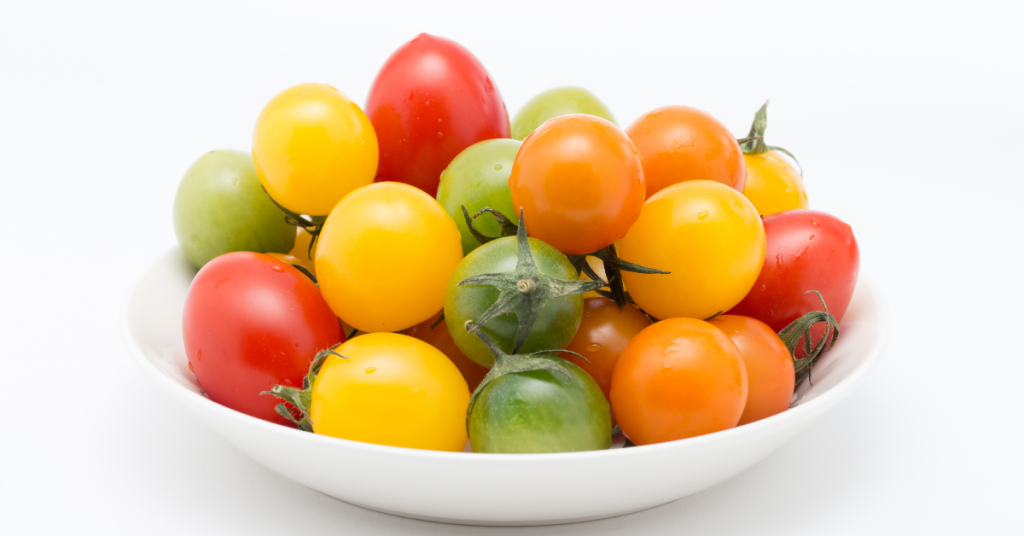
When it comes to choosing the right tomato varieties for your balcony garden, there are a few things to consider. The right variety can make all the difference in terms of yield, taste, and ease of care. Here are some factors to keep in mind:
First, consider the size of the tomato plant you want to grow. For balcony gardens, it’s best to choose varieties that are compact and don’t grow too tall. Determinate varieties are a good choice since they have a more bush-like growth habit and produce a concentrated crop over a shorter period. Some popular determinate varieties include Roma, Celebrity, and Bush Early Girl.
Next, consider the flavor profile you’re looking for. Do you prefer a sweet, juicy tomato or a more acidic one? Some popular sweet varieties include Sungold, Sweet 100, and Cherry Gold. For a more acidic flavor, try San Marzano, Amish Paste, or Brandywine.
Disease resistance is another factor to consider when choosing tomato varieties. Some varieties are more resistant to common tomato diseases like blight and wilt, which can help ensure a healthy crop. Look for varieties labeled as disease-resistant, such as Mountain Merit, Defiant, and Iron Lady.
Finally, consider the size of the container you’ll be planting your tomatoes in. Larger varieties will need more space and a larger container to grow in. A general rule of thumb is to choose a container that’s at least 18 inches in diameter and 24 inches deep for larger varieties. Smaller varieties can do well in containers as small as 12 inches in diameter.
By considering these factors, you can choose the right tomato varieties for your balcony garden and enjoy a bountiful harvest of delicious, homegrown tomatoes.
Before you start growing tomatoes on your balcony, there are a few things you need to do to prepare your garden. Here are some tips to help you get started:
Tomatoes require a lot of space to grow, so it’s important to choose the right container. A 5-7 gallon container is recommended at a minimum, but you can go bigger if you have the space. Make sure your container has drainage holes to prevent water from building up and drowning your plants.
Tomatoes need well-draining soil that is rich in nutrients. You can buy pre-mixed potting soil or make your own by mixing equal parts of compost, peat moss, and vermiculite. Avoid using garden soil, as it can contain pests and diseases that can harm your plants.
Tomatoes need at least 6-8 hours of sunlight per day to grow and produce fruit. Make sure your balcony receives enough sunlight, or consider using grow lights if you don’t have access to natural sunlight.
When selecting a tomato variety for your balcony garden, choose determinate varieties that don’t grow too tall and are more compact. Some good options include cherry tomatoes, patio tomatoes, and bush tomatoes.
Tomatoes need consistent moisture to grow and produce fruit. Water your plants regularly, making sure the soil stays moist but not waterlogged. Consider using a self-watering container or drip irrigation system to make watering easier.
By following these tips, you’ll be well on your way to growing delicious tomatoes on your balcony. With a little bit of care and attention, you can enjoy fresh, homegrown tomatoes all season long!
Tomatoes are a popular choice for balcony gardens as they are easy to grow and produce a bountiful harvest. However, to ensure that your tomato plants thrive, it is important to plant and care for them correctly.
To plant your tomato plants, follow these simple steps:
Once your tomato plants are established, it is important to care for them properly to ensure a healthy harvest. Here are some tips:
By following these simple steps, you can enjoy a bountiful harvest of delicious, homegrown tomatoes from your balcony garden.
Harvesting your balcony garden tomatoes at the right time is crucial to ensure that they are sweet, juicy, and full of flavor. Here are some tips to help you harvest your tomatoes like a pro:
Once you have harvested your tomatoes, it’s important to store them properly to ensure that they stay fresh and flavorful for as long as possible. Here are some tips for storing your balcony garden tomatoes:
By following these tips, you can enjoy delicious, homegrown tomatoes from your balcony garden all season long.
Yes, cherry tomatoes can grow in pots. In fact, they are one of the best types of tomatoes to grow on a balcony because they are compact and do not require as much space as other tomato varieties. Cherry tomatoes also tend to be more disease-resistant than other types of tomatoes.
Determinate tomato plants are the best type of tomato plant for balcony gardens. They are compact and bushy, making them ideal for small spaces. Determinate tomato plants also produce their fruit all at once, which makes them easier to manage and harvest.
The size of the container you need for growing tomatoes depends on the variety of tomato you are growing. A general rule of thumb is to choose a container that is at least 18 inches in diameter and 24 inches deep for most tomato varieties. However, if you are growing a larger tomato variety, you may need a container that is even larger.
Tomatoes grown in pots require regular fertilization to thrive. A balanced fertilizer that contains equal amounts of nitrogen, phosphorus, and potassium is the best option for growing tomatoes in pots. You can also use organic fertilizers, such as compost or fish emulsion, to provide your tomato plants with the nutrients they need.
Tomato plants grown in containers require support to prevent them from toppling over as they grow. You can use a tomato cage or a stake to support your tomato plants. Make sure you install the support system when you plant the tomato seedling, so you do not disturb the roots later on.
Tomatoes grown in pots require regular watering to thrive. You should water your tomato plants deeply once or twice a week, depending on the weather conditions. Make sure the soil is moist but not waterlogged. Overwatering can lead to root rot, which can kill your tomato plants.
For some great information about a vertical tomato garden, take a look at this article, “How to Set Up a Gorgeous Vertical Tomato Garden”. (source: minnetonkaorchards.com).
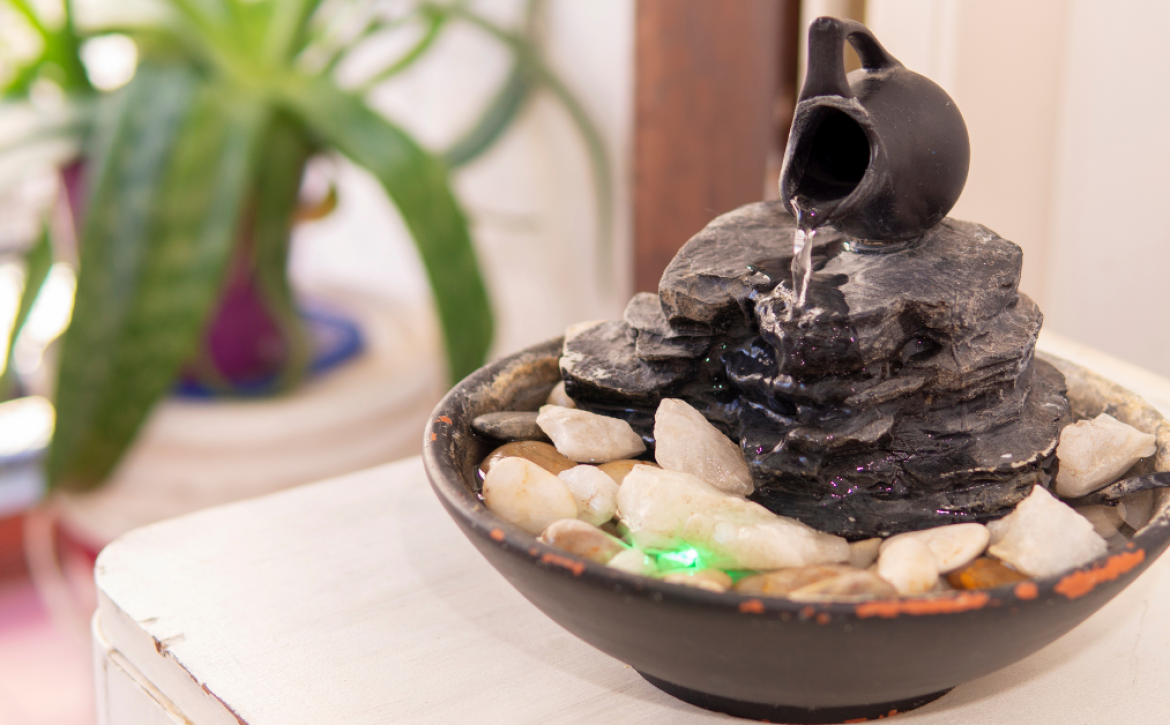
Discover how to create a calming outdoor space with a DIY zen balcony garden. Our guide will show you how to transform your balcony into a peaceful oasis, perfect for relaxation and meditation.
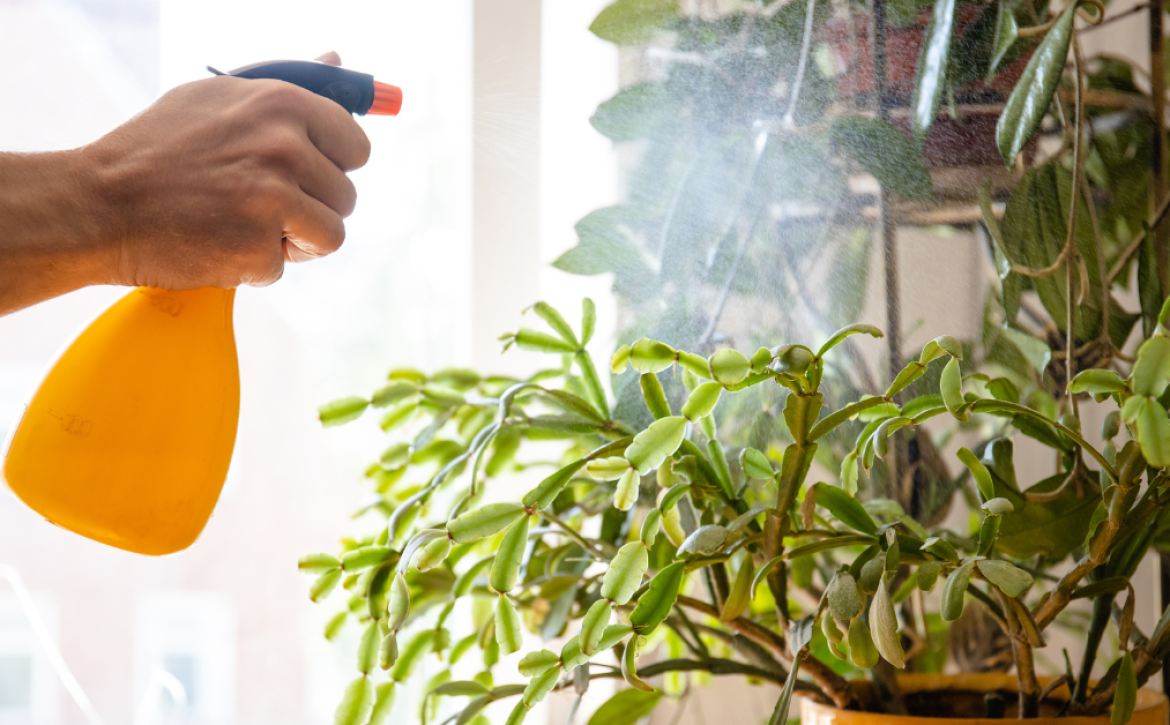
If you’re looking for a natural and cost-effective way to maintain your balcony garden, using vinegar might be the solution you’re looking for. Vinegar has many uses in gardening, from weed control to pest prevention. Incorporating vinegar into your balcony garden routine can help you keep your plants healthy and thriving. In addition, there are so many amazing ways to use vinegar around the house and home. (source: balconygardenweb.com)
One way to use vinegar in your balcony garden is by making a natural herbicide. Mix vinegar with water and a few drops of dish soap, and apply it to the base of the weeds. The acidity of the vinegar will kill the weeds without harming your plants. Another way to use vinegar is by using it as a natural pest repellent. Spray a mixture of vinegar and water onto your plants to repel pests like aphids and spider mites.

Using vinegar in your balcony garden is not only natural and cost-effective, but it’s also easy to do. With just a few simple steps, you can incorporate vinegar into your gardening routine and reap the benefits of a healthy and thriving garden. Try using vinegar in your balcony garden today and see the difference it can make.
Weeds can be a nuisance in any garden, and balcony gardens are no exception. Fortunately, vinegar can be an effective and natural way to control weeds without harming your plants. Vinegar contains acetic acid, which can dry out and kill weeds. To use vinegar as a weed killer, mix one part vinegar with one part water and spray the mixture directly on the weeds. Be careful not to spray the mixture on your plants, as vinegar can also harm them.
The pH level of your soil can affect the growth and health of your plants. If your soil is too alkaline, vinegar can help lower the pH level and make it more acidic. This can be especially beneficial for plants that prefer acidic soil, such as blueberries and azaleas. To alter the pH level of your soil, mix one cup of vinegar with one gallon of water and pour the mixture over the soil.
Pests such as ants, slugs, and snails can damage your plants and ruin your garden. Using vinegar can help repel these pests and keep them away from your plants. To use vinegar as a pest repellent, mix equal parts vinegar and water and spray the mixture around your plants. The strong smell of vinegar can deter pests and keep them from coming back.
In conclusion, using vinegar in your balcony garden can be a natural and effective way to maintain your plants and keep your garden healthy. Whether you are looking to control weeds, alter soil pH, or repel pests, vinegar can be a versatile and affordable solution. Just be sure to use it carefully and in moderation, as too much vinegar can harm your plants.
Using vinegar in your balcony garden can be a natural and effective way to control weeds, pests, and fungus. However, it is important to use it correctly to avoid damaging your plants. In this section, we will discuss how to use vinegar in your balcony garden, including preparing the vinegar solution, applying the vinegar solution, and avoiding overuse.
To prepare the vinegar solution, you will need white vinegar, water, and a spray bottle. Mix one part vinegar with three parts water in the spray bottle. Shake the bottle well to ensure that the solution is thoroughly mixed.
When applying the vinegar solution, be careful not to spray it directly on your plants, as it can damage them. Instead, spray it on the soil or on the weeds, pests, or fungus that you want to control. It is best to apply the solution on a sunny day, as the sun will help to dry out the solution faster.
While vinegar can be an effective natural solution, it is important to avoid overusing it. Using too much vinegar can damage your plants and soil. It is recommended to use vinegar only on weeds, pests, and fungus, and to avoid using it on healthy plants. Additionally, it is best to use vinegar sparingly, and to monitor your plants for any signs of damage.
In summary, using vinegar in your balcony garden can be a natural and effective way to control weeds, pests, and fungus. To use it correctly, prepare the vinegar solution by mixing one part vinegar with three parts water, apply it carefully to avoid damaging your plants, and avoid overusing it to prevent damage to your plants and soil.
White vinegar is a popular choice for gardeners because it’s inexpensive and readily available. It can be used to kill weeds, deter pests, and even clean your gardening tools. To use white vinegar in your balcony garden, simply mix one part vinegar with two parts water and spray it on your plants. Be careful not to use too much vinegar, as it can damage your plants if used in excess.
Apple cider vinegar is another great option for your balcony garden. It’s a natural fungicide and can help prevent fungal diseases from affecting your plants. To use apple cider vinegar in your garden, mix one tablespoon of vinegar with one gallon of water and spray it on your plants. You can also add a few drops of dish soap to help the mixture stick to your plants.
Balsamic vinegar is a flavorful addition to your balcony garden. It can be used as a natural fertilizer and can help improve the soil quality in your garden. To use balsamic vinegar in your garden, mix one tablespoon of vinegar with one gallon of water and use it to water your plants. You can also use balsamic vinegar as a natural insect repellent by mixing it with water and spraying it on your plants.
Overall, using vinegar in your balcony garden can be a great way to keep your plants healthy and thriving. By using the right type of vinegar and following the proper instructions, you can enjoy a beautiful and productive garden without breaking the bank.
When using vinegar in your balcony garden, it is important to take some precautions to ensure your safety and the safety of your plants, children, and pets. Here are some tips to help you use vinegar safely:
When handling vinegar, it is important to avoid contact with your skin and eyes. Vinegar is acidic and can cause irritation or burns. Always wear gloves and protective eyewear when handling vinegar. If vinegar comes into contact with your skin or eyes, rinse immediately with plenty of water.
Vinegar is generally safe to use around children and pets, but it is important to take some precautions. Keep vinegar out of reach of children and pets. If you are using vinegar as a herbicide, make sure to keep your children and pets away from the treated area until the vinegar has dried.
While vinegar can be an effective herbicide, it can also damage your plants if used improperly. Avoid spraying vinegar directly on your plants, as it can burn the leaves and stems. Instead, apply vinegar to the base of the weeds or use a sponge or brush to apply vinegar directly to the leaves of the weeds.
When using vinegar in your balcony garden, it is also important to dilute it properly. Using undiluted vinegar can damage your plants and soil. Mix one part vinegar with three parts water to create a safe and effective herbicide.
Using vinegar in your balcony garden can be a safe and effective way to control weeds and pests, but as stated, it is important to take some precautions to ensure your safety and the safety of your plants, children, and pets. Always wear gloves and protective eyewear, keep vinegar out of reach of children and pets, and avoid spraying vinegar directly on your plants. Dilute vinegar properly to avoid damage to your plants and soil. And for information about choosing plants for your balcony garden, please read our article, “Best Eco-Friendly Garden Plants for Your Balcony“.
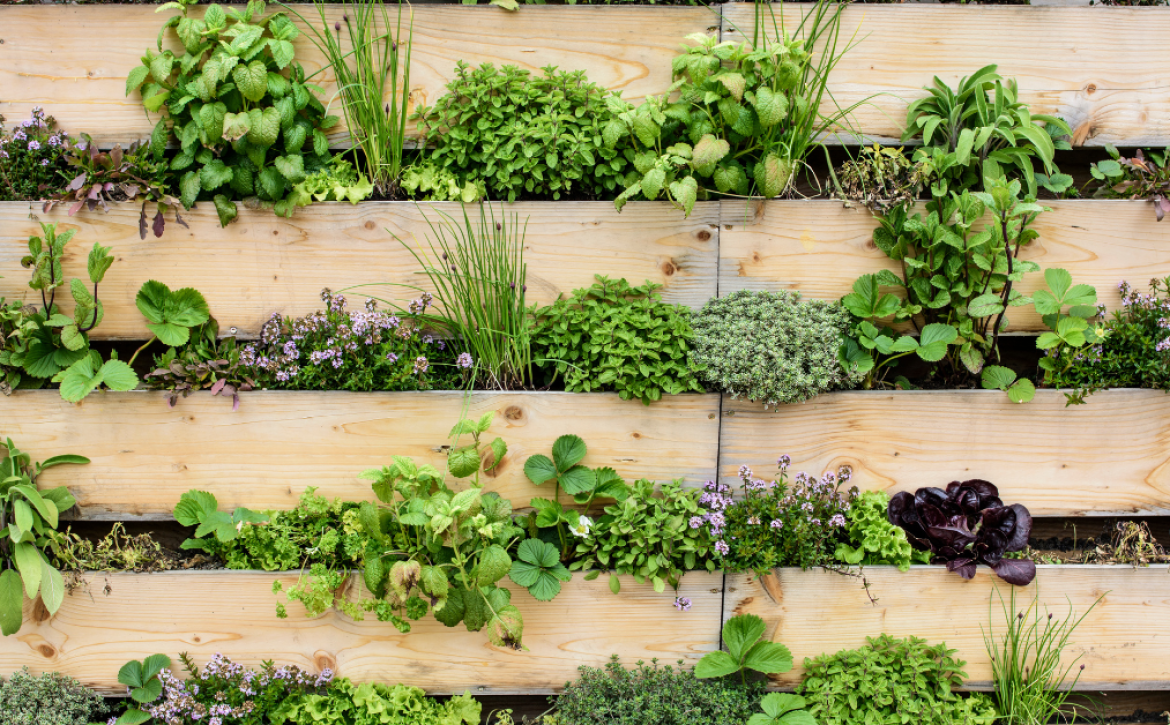
If you’re looking to maximize your growing space and add some greenery to your home or outdoor area, this information about the types of vertical gardens may be just what you need. Vertical gardening is a technique that involves growing plants upwards, using walls, trellises, containers, and other structures to create a living wall of vegetation. There are many different types of vertical gardens, each with its own unique benefits and challenges.
Another of the many different types of vertical gardens is the tower garden, which involves stacking planters on top of each other to create a multi-tiered growing system. Tower gardens are ideal for small spaces, as they allow you to grow a large number of plants in a small area. You can grow a variety of plants, from herbs and vegetables to flowering plants and succulents. Tower gardens can be made from a variety of materials, including recycled plastic, and can be designed to be weather-resistant and durable. (source: Easy Vertical Gardening)
Whether you’re an urban gardener looking to make the most of your small space, or simply want to add some greenery to your home or office, there are many types of vertical gardens to choose from. From living walls to tower gardens, each type has its own unique advantages and challenges. By choosing the right type of vertical garden for your needs and space, you can create a beautiful, efficient, and sustainable growing system that will provide you with fresh produce, beautiful flowers, and a healthier living environment.
Another type of vertical garden that is perfect for small spaces is the pocket garden. Pocket gardens are essentially small, portable gardens. You can hang them on walls or fences. These gardens are perfect for those who want to add some greenery to their space but have limited space to work with.
Pocket gardens come in a variety of shapes and sizes, from small pouches that can hold a single plant to larger pockets that can hold multiple plants. They are also available in a variety of materials, including felt, canvas, and plastic.
One of the great things about pocket gardens is that they are easy to DIY. You can create your own pocket garden using materials you may already have at home. For example, you can create a pocket garden using an old shoe organizer or a hanging file folder. Simply fill each pocket with soil and plant your favorite plants.
Pocket gardens are also great for adding an aesthetic touch to your space. You can choose plants that complement your decor or create a statement piece by choosing bold, colorful plants. Additionally, you can arrange pocket gardens in a variety of patterns to create a unique and eye-catching display.
Overall, pocket gardens are a great option for those looking to add some greenery to their space without taking up too much room. With their DIY potential and aesthetic appeal, they are a versatile and practical addition to any type of vertical garden.
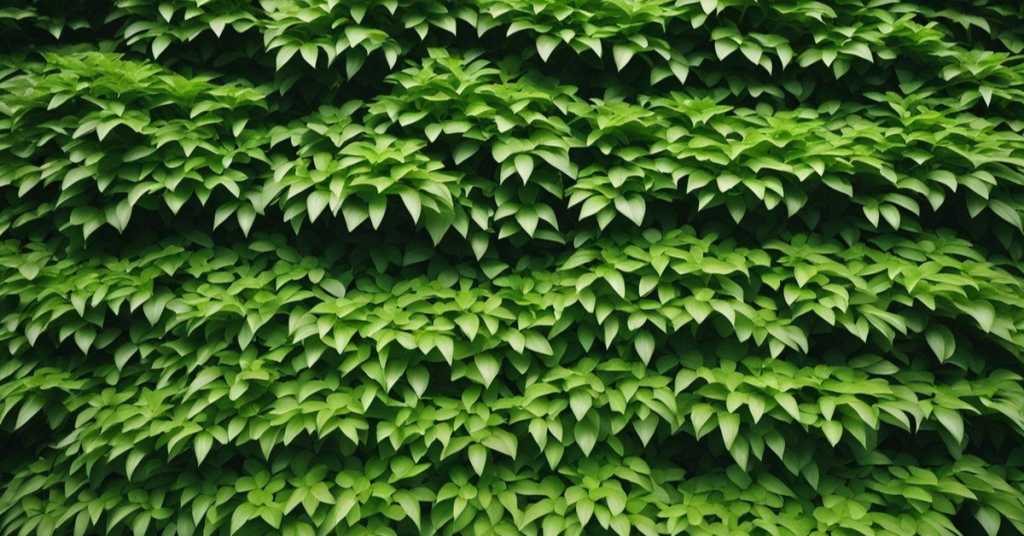
One popular type of vertical garden is the living wall, which involves growing plants directly on a wall or other vertical surface. Living walls range in size from a small frame to a large-scale installation. Some living walls use hydroponic systems to grow plants without soil, while others rely on soil-based growing mediums. Living walls improve air quality, reduce noise pollution, and add a beautiful, natural touch to any space. (source: Eartheasy) Living walls, also known as green walls, are a type of vertical garden that can be used both indoors and outdoors. They are an attractive and efficient way of growing plants in a limited space.
The cloth or felt system is one of the most popular living wall systems. This system uses a growing medium made of recycled plastic, which is then attached to a shallow frame. The frame is then attached to a wall, and the plants are grown in felt pockets. The felt system is an excellent choice for urban gardeners looking to create an efficient use of growing space.
Another popular system is the modular living wall system. This system is a multi-tier, wall-mounted structure. It can be arranged in different shapes to create a variety of vertical gardens. The system is weather-resistant and has drainage holes for efficient watering.
Living walls can also be grown in hydroponic systems, which allow for efficient use of water and carbon dioxide. Hydroponic living walls are an excellent choice for indoor environments, as they require less maintenance and provide excellent air circulation.
You can make them with different types of plants, including vines, flowering plants, and succulents. They can also be grown in various containers, such as planter boxes, mesh, and gutter gardens. When designing a living wall, consider the type of vegetation. Shade-loving plants are an excellent choice for indoor living walls while flowering plants and scrambling plants are ideal for outdoor living walls. You can also grow fruits, like strawberries or delicious veggies in living walls, provided they have enough space to grow.
To ensure the success of a living wall, it is essential to have an efficient irrigation system in place. A standard rain gutter or zig-zag pattern can be used to create a water supply for the plants. An irrigation system will also help to ensure that the plants receive the necessary nutrients and water.
You can use living walls both indoors and outdoors. They are an excellent choice for urban gardeners looking to create an efficient use of growing space. It is essential to consider the type of vegetation that will be grown when designing your wall and to have an efficient irrigation system in place.

Trellis gardens are a popular type of vertical garden that involves growing climbing plants on a trellis structure. This type of garden is perfect for those who want to grow vegetables or flowers in a small space. Trellises can be made from a variety of materials, including wood, metal, or plastic. They can come in different shapes and sizes, depending on the needs of the gardener.
When planning your trellis garden, it is important to consider the amount of sunlight and shade that your plants will need. Some climbing plants require full sun, while others prefer partial shade. It is also important to consider the spacing of your rows. Some plants require more room to grow than others.
One of the benefits of trellis gardens is that they can be used to grow a variety of vegetables, including tomatoes, cucumbers, and pole beans. These plants can be trained to grow up the trellis, which saves space and makes harvesting easier. Additionally, trellis gardens can be used to create a beautiful aesthetic in your yard or garden.
If you are interested in creating a trellis garden, there are a few DIY tips that you can follow. First, choose a location that receives plenty of sunlight and is easily accessible for watering and maintenance. Next, select the climbing plants that you want to grow and choose a trellis that is appropriate for their size and shape. Finally, plant your seeds or seedlings and train your plants to grow up the trellis as they mature.
Overall, trellis gardens are a great option for those who want to grow a variety of vegetables or flowers in a small space. With the right planning and care, you can create a beautiful and productive garden that will thrive for years to come.
Modular systems are one of the most popular types of vertical gardens, and for good reason. These systems consist of pre-made panels or containers that can be easily attached to a wall or other structure. This allows you to create a living wall in no time. They are perfect if you are looking for an efficient use of growing space. They allow you to grow a variety of plants in a small area.
One of the advantages of modular systems is that they can be customized to fit your needs. You can choose from a variety of panel sizes, shapes, and colors to create a unique and personalized look. Additionally, you can mix and match different types of vegetation, including flowering plants, herbs, and vegetables, to create a beautiful and functional garden.
When it comes to installation, modular systems are relatively easy to set up. Most systems come with detailed instructions and all the necessary hardware. You can usually install them yourself with a few basic tools. However, if you are not comfortable with DIY projects, you can always hire a professional.
To ensure that your modular system thrives, it is important to consider factors such as irrigation and air circulation. Most systems come with built-in irrigation systems, which make it easy to water your plants. However, you may need to supplement the system with additional watering if you live in a particularly dry climate.
Air circulation is also important for the health of your plants. If your modular system is installed in a closed space, such as an indoor area, you may need to install a fan or other air circulation device to ensure that your plants receive enough fresh air.
Overall, modular systems are an excellent choice for anyone looking to create a vertical garden in a small space. They are easy to install, customizable, and can be used to grow a variety of plants. Whether you are looking to create an aesthetic feature in your home or grow your own vegetables, a modular system is a great choice.

Hydroponic walls are a type of vertical garden that uses a hydroponic system to grow plants. A hydroponic system is a method of growing plants without soil, using nutrient-rich water instead. Hydroponic walls are a great way to grow a variety of vegetation in a small space, making them an efficient use of growing space for those with limited indoor space, such as on balconies. Hydroponic walls are also an excellent choice for those who want to create an aesthetic and visually appealing space.
These walls can be wall-mounted or freestanding, and they come in a variety of sizes and shapes. They can be made from a variety of materials, including planter boxes, shallow frames, or flower pots. Some hydroponic walls are multi-tiered, allowing you to grow a variety of plants in one space.
When creating a hydroponic wall, it is essential to consider the irrigation system and air circulation. An efficient irrigation system is crucial to ensure that each plant receives the right amount of water and nutrients. Additionally, proper air circulation is essential to prevent the growth of mold and mildew.
Hydroponic walls are an excellent option for growing flowering plants. They provide an ideal environment for these plants to thrive. They are also a great choice for those who want to grow a variety of herbs and vegetables, making them a popular choice for those who want to create an indoor herb garden.
If you are interested in creating a hydroponic wall, there are many DIY tips available to help you get started. With research and planning, you can create a beautiful and functional hydroponic wall that will provide you with fresh produce.
In conclusion, hydroponic walls are a type of vertical garden that uses a hydroponic system to grow plants. They are an efficient use of growing space, making them an excellent choice for those with limited indoor space.
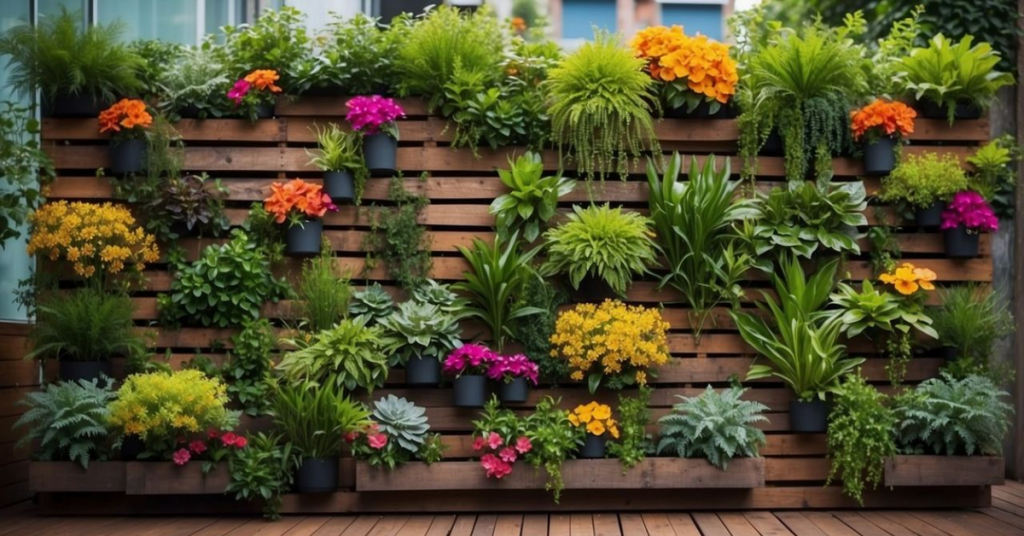
Pallet gardens are a popular type of vertical garden that can be made from recycled wooden pallets. They are a great option for those who want to grow plants in a small space and can be used to create a beautiful and functional garden. Here are some tips for creating your own pallet garden.
First, choose a pallet that is in good condition and has not been treated with any harmful chemicals. Look for pallets that have a stamp that indicates they are safe for use. Next, prepare the pallet by sanding it down and adding drainage holes to the bottom. This will ensure that excess water can drain out of the pallet and prevent root rot.
Once your pallet is prepared, you can begin filling it with soil. Tilt the pallet so that it is almost vertical to let the soil settle, then add more soil until the rows are full. You can now start planting your plants between the slats of the pallet. Pallet gardens are great for growing vegetables, herbs, and flowers.
One of the benefits of pallet gardens is that they can be made in different shapes and sizes to fit your space and aesthetic preferences. They can also be placed in areas with different amounts of sunlight or shade, depending on the plants you want to grow.
If you want to make your pallet garden weather-resistant, you can add a sealant or paint to the pallet. This will help protect it from the elements and ensure that it lasts longer. Pallet gardens are also a great DIY project, and there are many tutorials available online that can help you create your own.
In summary, pallet gardens are a great option for those who want to create a vegetable garden in a small space. They are easy to make, versatile, and can be made weather-resistant with a little bit of effort. With the right preparation and care, your pallet garden can be a beautiful and functional addition to your home.
If you’re looking for a low-maintenance, visually stunning way to spruce up your small space, consider succulent walls. Succulent walls are a type of vertical garden that is perfect for those who want to add some greenery to their walls without needing a lot of sunlight or space.
Succulents are a type of vegetation that are known for their ability to store water in their leaves, making them perfect for dry environments. This means that they can thrive in a variety of conditions, including low-light and indoor spaces.
One of the benefits of succulent walls is that they can be customized to fit any aesthetic. Whether you prefer a modern, minimalist look or a more natural, rustic feel, there are plenty of options for you to choose from. You can create a succulent wall using a variety of materials, including wood, metal, and even recycled materials like pallets.
When it comes to sunlight, succulent walls are fairly flexible. While they do require some sunlight, they can also thrive in shaded areas. This makes them a great option for those who have limited access to natural light.
If you’re interested in creating your own succulent wall, there are plenty of DIY tips available online. You can find step-by-step instructions and materials lists to help you get started.
Overall, succulent walls are a great option for those who want to add some greenery to their small space without needing a lot of sunlight or space. With a variety of options available and plenty of DIY resources, it’s easy to create a succulent wall that fits your unique style and needs.
When it comes to types of vertical gardens, herb gardens are a popular choice. They are perfect for those who love to cook with fresh herbs, but may not have the space for a traditional vegetable garden. Vertical herb gardens can also be a great solution for those who live in small spaces.
To create a successful herb garden, it is important to consider the amount of sunlight the plants will receive. Most herbs prefer a sunny location, so be sure to choose a spot that gets at least six hours of direct sunlight per day.
When it comes to choosing which herbs to plant, consider what you like to cook with and what will thrive in your climate. Some popular herbs for vertical gardens include basil, thyme, rosemary, and mint.
There are many DIY tips and tricks for creating a vertical herb garden. One option is to use a hanging planter with multiple pockets, which allows you to grow several herbs in a small space. Another option is to create a ladder-style garden with multiple tiers of planters.
In terms of aesthetics, vertical herb gardens can be both functional and beautiful. You can choose planters in a variety of colors and materials to match your style and decor.
Overall, herb gardens are a great option for those looking to create a types of vertical gardens. With a little bit of planning and care, you can have a bountiful supply of fresh herbs right at your fingertips.
Tower gardens are a popular type of vertical garden that can be used to grow vegetables, herbs, and flowers. These gardens are designed to be space-saving and can be used in small spaces, such as balconies or patios. Tower gardens come in different shapes and sizes, making them a versatile option for any garden.
One of the advantages of tower gardens is that they can be used to grow vegetables in rows. This is a great way to maximize space. This type of garden is also great for those who live in areas with limited sunlight. Tower gardens can be placed in areas that receive partial shade.
When it comes to DIY tips for building your own tower garden, there are many resources available online. Some popular options include using PVC pipes or recycled materials to create a tower structure. It is important to make sure that the tower is stable and can support the weight of the plants.
In terms of aesthetics, tower gardens can be a great addition to any outdoor space. They can be designed to match the style of your home or garden and can be decorated with flowers or other decorative elements.
If you are interested in creating your own tower garden, there are many different types of vertical gardens to choose from. Some popular options include the Garden Tower 2, which is a fully integrated vermicomposting unit, and the Hydroponic Tower Garden, which uses a water-based system to grow plants.
When choosing a tower garden, it is important to consider the amount of sunlight your garden receives, as well as the types of plants you want to grow. With the right care and attention, a tower garden can be a great way to grow fresh produce and add a touch of green to your outdoor space.
If you’re looking for a vertical gardening system that adds height and dimension to your garden, obelisks, pergolas, and arbors are excellent choices. These structures come in different shapes, sizes, and materials, and can be used to support climbing plants, vegetables, or flowers.
Obelisks are pyramid-shaped structures with four sides that are traditionally found in formal gardens. They can be made out of any type of material, including wood, metal, or plastic. Some gardeners even fashion obelisks out of rustic materials like twigs and grapevines. Obelisks are perfect for climbing plants like roses, clematis, and morning glories. You can place them in rows or groups to create a stunning focal point in your garden.
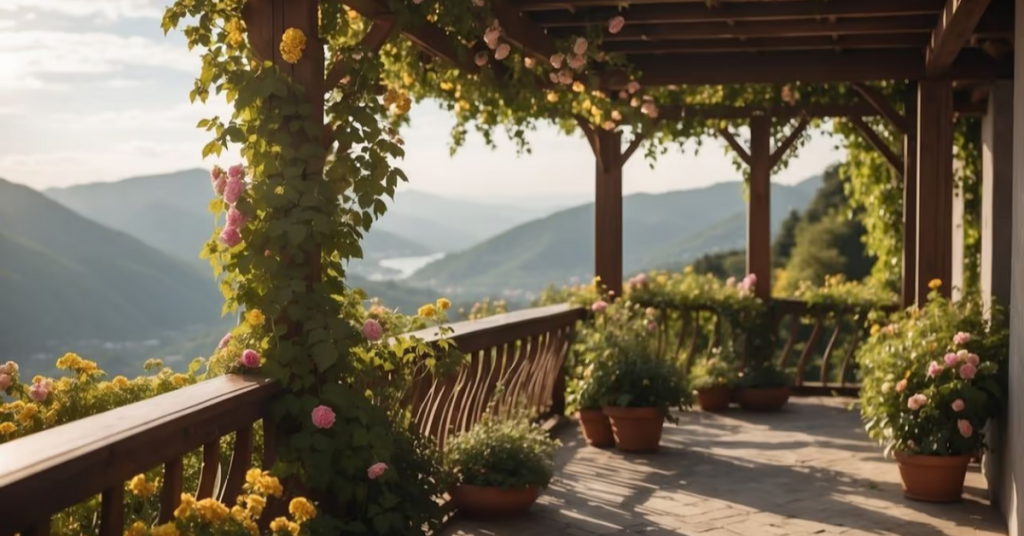
Pergolas are larger structures that provide shade and support for climbing plants. They are often made of wood or metal and can be designed in different shapes and styles. Pergolas are perfect for creating an outdoor living space in your garden. They can be used to grow grapevines, wisteria, or other climbing plants that prefer partial shade.
Arbors are similar to pergolas but are smaller and often have an arched or curved shape. They can be made of wood, metal, or vinyl and can be used to create a beautiful entrance to your garden or to frame a particular view. Arbors are perfect for climbing roses, honeysuckle, or other fragrant flowers that create a romantic and whimsical atmosphere.
When choosing a vertical gardening system, make sure to consider the amount of sunlight and shade in your garden. Also, consider the size and shape of the structure. You can also find many DIY tips and tutorials online to help you build your own obelisks, pergolas, or arbors. With these types of vertical gardens, you can create a stunning and functional garden even in small spaces.
If you have limited space but still want to grow a variety of plants, a tiered garden might be the perfect solution for you. Tiered gardens are a simple form of vertical gardening where tiered planters are used to grow layers of plants, herbs, and vegetables in a small area. They are perfect for urban apartment living or for anyone who wants to maximize their growing space.
One of the great things about tiered gardens is that they can be made in different shapes and sizes. You can create a tiered garden using wooden stands and makeshift planters or purchase pre-made tiered garden kits.
When it comes to the types of plants you can grow in a tiered garden, the possibilities are endless. You can grow anything from herbs and vegetables to flowers and succulents. Just make sure to choose plants that are suitable for the amount of sunlight or shade your garden receives.
If you’re looking to create a vegetable garden, a tiered garden is a great option. You can plant different vegetables in each tier and create rows for easy access and maintenance. Some popular vegetables to grow in a tiered garden include lettuce, spinach, and tomatoes.
When designing your tiered garden, consider the aesthetic you want to achieve. You can choose planters in different colors and materials to create a unique and visually appealing garden.
If you’re interested in DIY tips for creating a tiered garden, there are plenty of resources available online. You can find tutorials on how to build your own tiered garden using materials like pallets or cinder blocks.
Tiered gardens are another of the types of vertical gardens that are available to you. They are a great option for anyone looking to grow a variety of plants in a small space. They can be made in different shapes and sizes, and are suitable for growing vegetables, herbs, flowers, and succulents. With a little creativity and DIY know-how, you can create a beautiful and functional tiered garden in no time.
A gutter garden might be the perfect solution for you if you’re looking for an efficient way to grow plants. They use standard rain gutters to create rows of plants in a zig-zag pattern. Gutter gardens are perfect for small spaces. They can be used to grow a variety of plants, including vegetables, herbs, and flowers.
With a gutter garden, you can create different shapes and designs, depending on your space. You can also adjust the amount of sunlight and shade by positioning the gutter garden in different locations.
To create a gutter garden, you will need to follow a few DIY tips. First, you will need to purchase standard rain gutters and mounting brackets. You will also need to drill holes in the bottom of the gutters for drainage. Once you have your gutters, you can mount them on a wall or fence in a zig-zag pattern.
When it comes to choosing plants for your gutter garden, there are a few things to keep in mind. You will want to choose plants that are well-suited to vertical gardening and that can thrive in small spaces. Some good options include lettuce, spinach, strawberries, and herbs like basil and parsley.
In conclusion, gutter gardens are a great option for anyone looking to grow plants in a small space. With a little bit of know-how and some careful plant selection, you can create a beautiful and functional vertical garden. that will provide you with fresh produce and a beautiful aesthetic.
One of the simplest types of vertical gardens is the flower pot window garden. They are versatile, easy to maintain, and can be used to grow a variety of plants. This type of garden is ideal for people who have limited space but still want to enjoy the benefits of gardening. WithFlower pots are attached to a window frame or hung from a rod, allowing plants to grow vertically.
Flower pot window gardens are versatile and can be used to grow a variety of plants, including herbs, flowers, and small vegetables. They are also easy to maintain and can be watered using a simple watering can or spray bottle.
According to an article by Better Homes & Gardens, flower pot window gardens are perfect for people who live in apartments or have limited outdoor space. Another article by The Spruce suggests using flower pot window gardens to grow plants that require a lot of sunlight. These plants can thrive in the bright light provided by a window and do not require a lot of water.
If you’re looking for a way to grow plants in a limited space, vertical gardens are an excellent option. Each of the types of vertical gardens comes with its own unique advantages and disadvantages. In this article, we will discuss some of the most popular types of vertical gardens and provide article citations for each. By using the right soil and providing adequate sunlight and water, you can create a beautiful and thriving vertical garden. For more information about different types of plants that can best be used in vertical gardening, please check out of article, “20 Best Plants for Balconies: Thriving in Sun and Shade“.







 Lisa Woods
 welcome@balconygardenparadise.com