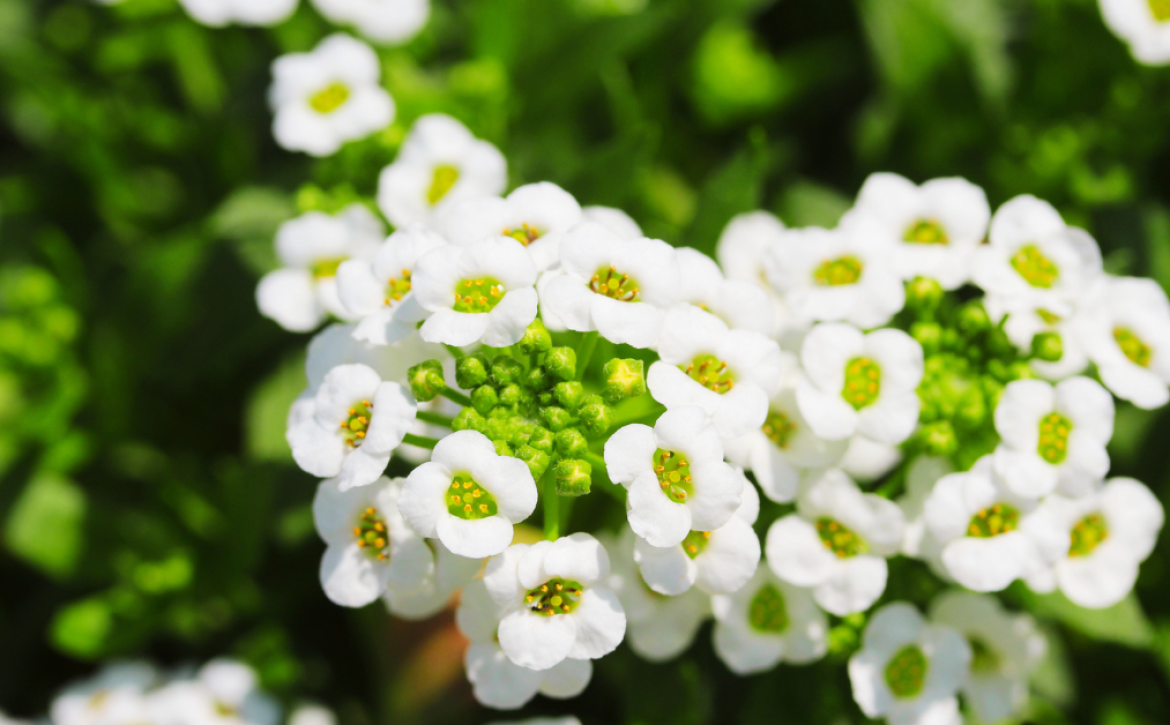
Discover how Sweet Alyssum can transform your balcony garden with its delicate white flowers and sweet fragrance. Learn how to care for this easy-to-grow plant and create a beautiful outdoor space.
Learn how to create a stunning balcony garden with lavender. Discover tips and tricks for growing and caring for this fragrant herb that will add beauty and relaxation to your outdoor space.
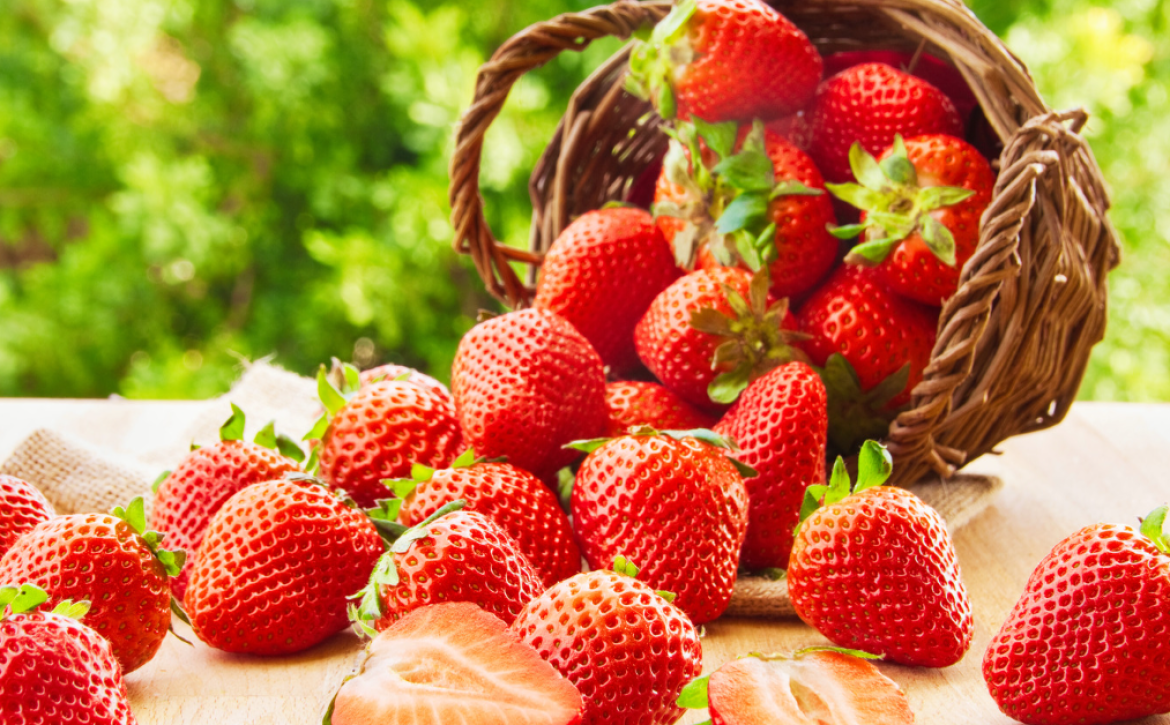
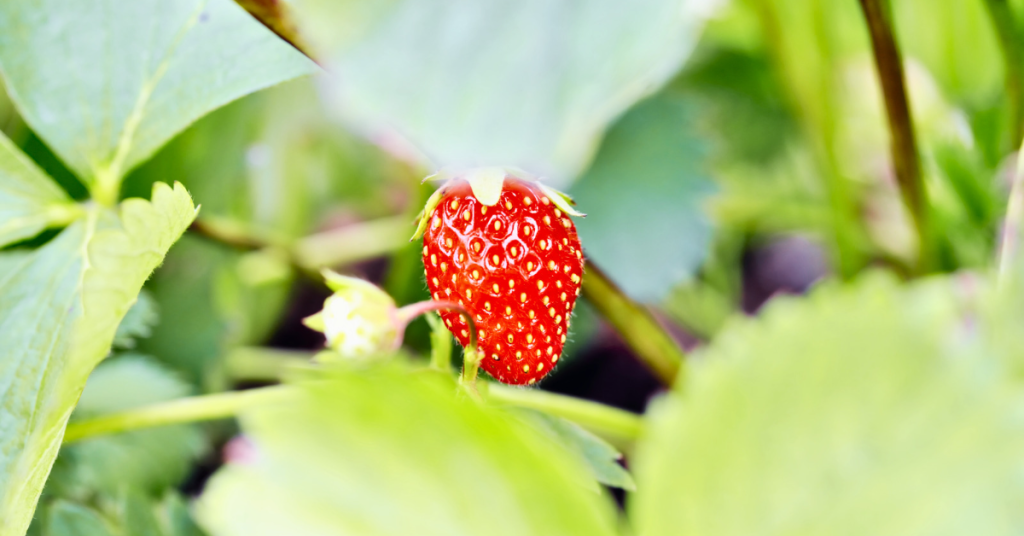
If you’re looking for a fun and rewarding way to grow your own fresh produce, consider starting a balcony garden with strawberries. Not only do strawberries produce delicious fruit, but they are also well-suited to growing in small spaces and require very little maintenance. With the right techniques and a little bit of care, you can enjoy juicy, sweet strawberries all season long.
There are many benefits to growing strawberries in a balcony garden. For one, they are easy to care for and require minimal space. Additionally, they are rich in vitamin C and antioxidants, making them a healthy addition to your diet. With a few simple steps, you can start growing your own strawberries and enjoy the taste of fresh, homegrown fruit all summer long.
Key Takeaways
Balcony gardens are a great way to grow your own fresh produce, including strawberries.
Choosing the right variety of strawberries and preparing your balcony garden properly are key to a successful harvest.
With the right care and maintenance, you can enjoy juicy, sweet strawberries from your balcony garden all season long.
Benefits of Balcony Garden Strawberries
Growing strawberries in a balcony garden has numerous benefits. Here are some of the benefits of having a balcony garden:
Fresh, Organic Produce
One of the biggest benefits of having a balcony garden is the availability of fresh, organic produce. By growing your own strawberries, you can ensure that the fruit is free from harmful chemicals and pesticides. Plus, you can pick the strawberries at the peak of ripeness, ensuring maximum flavor and nutrition.
Saves Money
Growing your own strawberries in a balcony garden can also save you money in the long run. By eliminating the need to purchase strawberries from the grocery store, you can save money on your grocery bill. Plus, you can grow other fruits and vegetables in your balcony garden, further reducing your grocery expenses.
Aesthetic Appeal
A balcony garden can also add aesthetic appeal to your home. With a variety of plants and flowers, you can create a beautiful and inviting space on your balcony. Plus, the sight and smell of fresh strawberries can be a delightful addition to your balcony garden.
Stress Relief
Gardening has been shown to have stress-relieving benefits. By tending to your balcony garden, you can reduce stress and anxiety, improve your mood, and promote overall well-being.
In conclusion, a balcony garden can provide numerous benefits, including fresh, organic produce, cost savings, aesthetic appeal, and stress relief. By growing your own strawberries in a balcony garden, you can enjoy all of these benefits and more.
Choosing the Right Strawberry Varieties
When it comes to growing strawberries on your balcony, choosing the right variety is essential. With so many different types of strawberries available, it can be challenging to know which ones will work best for your balcony garden.
Here are some factors to consider when selecting strawberry varieties for your balcony garden:
1. Space and Pot Size
The first thing to consider is the space you have available on your balcony and the size of the pots you plan to use. Some strawberry varieties, such as Alpine strawberries, are compact and can be grown in small pots. Other varieties, such as June-bearing strawberries, require more space and larger pots to grow successfully.
2. Climate
Another important factor to consider is your climate. Some strawberry varieties, such as Everbearing strawberries, are better suited for cooler climates, while others, such as Day-neutral strawberries, can thrive in warmer temperatures.
3. Yield and Fruit Size
Consider the yield and size of the fruit when selecting strawberry varieties. June-bearing strawberries typically produce larger fruit, while Everbearing and Day-neutral strawberries produce smaller fruit but over a more extended period.
4. Taste and Flavor
Finally, consider the taste and flavor of the strawberries you plan to grow. Some varieties, such as Chandler strawberries, are known for their sweet flavor, while others, such as Seascape strawberries, have a more tangy taste.
Overall, the best strawberry varieties for your balcony garden will depend on your specific needs and preferences. Take the time to research different varieties and choose the ones that are best suited for your balcony garden. With the right variety, you can enjoy fresh, delicious strawberries right from your balcony all season long.
Preparing Your Balcony Garden for Strawberries
Growing strawberries on a balcony is a fun and rewarding project that can yield delicious fruit right outside your door. However, before planting your strawberries, it’s important to prepare your balcony garden properly. Here are some tips to help you get started.
Assess Your Balcony’s Sunlight
Strawberries need at least six hours of direct sunlight per day to thrive. Before planting your strawberries, assess your balcony’s sunlight exposure. Observe how much sunlight your balcony receives throughout the day and determine the best location for your strawberry plants. If your balcony doesn’t get enough sunlight, consider using grow lights to supplement the natural light.
Choose the Right Containers
Strawberries can be grown in a variety of containers, including pots, hanging baskets, and window boxes. When choosing containers, make sure they have drainage holes to prevent water from accumulating in the soil. Also, the containers should be large enough to accommodate the roots of the strawberry plants and allow for proper drainage.
Select the Right Soil
Strawberries prefer well-draining soil that is rich in organic matter. Choose a potting mix that is specifically formulated for container gardening, or make your own by combining equal parts of peat moss, vermiculite, and perlite. Additionally, you can add compost or aged manure to the soil to provide additional nutrients.
Consider Companion Planting
Companion planting is a gardening technique that involves planting different plants together to benefit each other. Consider planting companion plants with your strawberries, such as herbs or flowers, to help repel pests and attract beneficial insects.
By following these tips, you can prepare your balcony garden for strawberries and set yourself up for a successful harvest. With a little bit of planning and care, you can enjoy fresh, juicy strawberries right from your balcony.
Planting and Caring for Your Strawberry Plants
When it comes to planting and caring for your strawberry plants, there are a few key things to keep in mind. Follow these tips to ensure that your balcony garden strawberries thrive.
Choosing the Right Variety
When selecting the type of strawberry to grow, consider whether you want to grow them as an annual or perennial. There are three types of strawberry varieties: June bearer or summer fruiting, which bear fruits once in a year in summer and grow as annuals; everbearing, which produce fruit twice a year in summer and fall; and day neutral, which produce fruit throughout the growing season. Choose the variety that best suits your needs and growing conditions.
Planting Your Strawberry Plants
To plant your strawberry plants, follow these simple steps:
Fill your pot with soil and dig out a small hole for the plant.
Place the plant in the soil and then backfill.
Water the plant thoroughly after planting.
Make sure to space your plants at least 12 inches apart to allow for proper growth and development.
Caring for Your Strawberry Plants
Once your strawberry plants are planted, it’s important to care for them properly. Here are some tips to help your plants thrive:
Water your plants regularly, making sure not to overwater them.
Fertilize your plants with a balanced fertilizer once a month during the growing season.
Mulch around the base of your plants to help retain moisture and protect the fruit from rotting.
Keep an eye out for pests and diseases, and treat them promptly if necessary.
By following these simple tips, you can enjoy a bountiful harvest of delicious strawberries from your balcony garden.
Harvesting and Storing Your Strawberries
When it comes to harvesting your balcony garden strawberries, timing is key. The fruit should be left on the plant until it is fully ripe. Look for a deep red color and a slightly soft texture. If you are unsure whether the fruit is ripe, give it a gentle tug. If it comes off easily, it is ready to be harvested.
To pick the strawberries, grasp the stem just above the berry and gently pull it off the plant. Be careful not to damage the plant or the remaining fruit. If you have a larger harvest, consider using a pair of scissors or pruning shears to cut the stem just above the berry.
Once you have harvested your strawberries, it is important to store them properly to ensure they stay fresh and delicious. Here are a few tips for storing your balcony garden strawberries:
Remove any damaged or moldy berries before storing. These can cause the rest of the fruit to spoil more quickly.
Store the strawberries in a single layer in a shallow container. This will help prevent them from getting crushed and will allow air to circulate around them.
Do not wash the strawberries until you are ready to eat them. Excess moisture can cause them to spoil more quickly.
Store the container of strawberries in the refrigerator. They should last for up to a week.
By following these simple tips, you can enjoy the fruits of your balcony garden labor for days to come.
Frequently Asked Questions
Can strawberries be grown in containers?
Yes, strawberries can be grown in containers. In fact, growing strawberries in containers is a great way to enjoy fresh, juicy strawberries even if you don’t have a garden. Make sure to choose a container that is at least 5 inches in diameter and has drainage holes at the bottom to prevent waterlogging.
What are some tips for growing strawberries in pots?
To grow healthy strawberries in pots, use a rich and loamy growing medium and add compost, manure, rotted sawdust, and organic matter to increase soil acidity and fertility. Water your plants regularly and keep the soil moist but not soggy. Provide your plants with at least 6 hours of full sun a day and fertilize them every 2-3 weeks with a balanced fertilizer.
What are the best varieties of strawberries for balcony gardens?
Some of the best varieties of strawberries for balcony gardens include Alpine, Everbearing, and Day-neutral. These varieties are compact, produce a lot of fruit, and are well-suited for growing in containers.
How often should I water my balcony garden strawberries?
Strawberries need to be watered regularly, especially during hot and dry weather. Water your plants deeply once a week, and increase the frequency during periods of drought or high temperatures. Make sure the soil is moist but not soggy, as overwatering can lead to root rot.
What are some common pests and diseases that affect balcony garden strawberries?
Some common pests and diseases that affect balcony garden strawberries include spider mites, aphids, slugs, and powdery mildew. To prevent these problems, make sure to keep your plants healthy and well-fed, and remove any damaged or diseased leaves or fruit immediately.
Do balcony garden strawberries need full sun or partial shade?
Balcony garden strawberries need at least 6 hours of full sun a day to thrive and produce fruit. However, they can also tolerate some shade, especially during the hottest hours of the day. If you live in a hot and sunny area, consider providing your plants with some afternoon shade to prevent them from getting sunburned. Check out this article by Orange Cable Railing called “Can You Grow Strawberries on a Balcony”. (source: orangecountycablerailing.com) As a cable railing installer, they’ve seen a few decks!
When it comes to creating a beautiful balcony garden, one of the most important factors to consider is the color palette. Choosing the right colors can make all the difference in creating a harmonious and visually appealing space. But with so many options available, it can be overwhelming to know where to start. In this article, you will learn everything you need to know about creating a balcony garden color palette that will transform your outdoor space.
Understanding color palettes is the first step in creating a beautiful balcony garden. A color palette is simply a collection of colors that work well together. When choosing a color palette for your balcony garden, it’s important to consider factors such as the size and shape of your space, the amount of sunlight it receives, and the overall mood you want to create. With the right color palette, you can create a space that feels cozy, relaxing, or energizing, depending on your preferences.
Choosing the right colors for your balcony garden can be a fun and creative process. Whether you prefer bold, bright hues or soft, muted tones, there are endless possibilities to explore. By considering factors such as the color of your building, the surrounding landscape, and your personal taste, you can create a color palette that is uniquely your own. With practical tips and expert advice, this article will guide you through the process of creating a balcony garden color palette that will bring your outdoor space to life.
Key Takeaways
Understanding color palettes is key to creating a beautiful balcony garden.
Choosing the right colors for your space depends on factors such as size, shape, and sunlight.
With the right color palette and practical tips, you can transform your balcony garden into a harmonious and visually appealing space.
Understanding Color Palettes
When it comes to creating a beautiful balcony garden color palette, understanding color palettes is essential. A color palette is a range of colors used in a specific design or artwork. It is a combination of colors that work well together and create a harmonious and visually pleasing effect.
Primary Colors
The primary colors are red, blue, and yellow. These colors cannot be created by mixing other colors. They are the building blocks of all other colors. When used in a balcony garden color palette, primary colors can create a bold and vibrant effect.
Secondary Colors
The secondary colors are green, orange, and purple. These colors are created by mixing two primary colors together. For example, blue and yellow create green, red and yellow create orange, and blue and red create purple. Secondary colors can add depth and interest to your balcony garden color palette.
Tertiary Colors
Tertiary colors are created by mixing one primary color with one secondary color. For example, blue-green, red-orange, and yellow-purple are all tertiary colors. Tertiary colors can add nuance and complexity to your balcony garden color palette.
Color Harmonies
Color harmonies are combinations of colors that work well together. There are several types of color harmonies, including complementary, analogous, and monochromatic.
Complementary colors are opposite each other on the color wheel, such as red and green or blue and orange. They create a bold and vibrant effect.
Analogous colors are next to each other on the color wheel, such as blue and green or red and orange. They create a harmonious and calming effect.
Monochromatic colors are different shades and tints of the same color. They create a sophisticated and elegant effect.
Understanding color palettes is essential to creating a beautiful and harmonious balcony garden color palette. By using primary, secondary, and tertiary colors, as well as color harmonies, you can create a visually pleasing and relaxing outdoor space.
Choosing the Right Colors for Your Balcony Garden
When it comes to creating a beautiful balcony garden, choosing the right color palette is essential. The right color scheme can create a relaxing and inviting atmosphere while adding a touch of vibrancy to your space. In this section, we’ll discuss the three main color palettes you can use to create a stunning balcony garden.
Warm Colors
Warm colors like red, orange, and yellow can add a sense of energy and excitement to your balcony garden. These colors are perfect for creating a lively atmosphere and can be used to draw attention to specific areas or plants. For example, you can use warm-colored flowers like marigolds or zinnias to create a bold and eye-catching display.
Cool Colors
Cool colors like blue, green, and purple can create a calming and relaxing atmosphere in your balcony garden. These colors are perfect for creating a peaceful retreat where you can unwind and relax after a long day. You can use cool-colored flowers like lavender or hydrangeas to create a soothing and serene display.
Neutral Colors
Neutral colors like white, beige, and gray can add a touch of elegance and sophistication to your balcony garden. These colors are perfect for creating a timeless and classic look that will never go out of style. You can use neutral-colored flowers like roses or lilies to create a sophisticated and elegant display.
When choosing your balcony garden color palette, it’s important to consider the colors of your surrounding environment. For example, if you have a lot of greenery in your area, you may want to choose a color palette that complements the natural surroundings. Additionally, you should consider the size of your balcony garden. If you have a small space, it’s best to stick to a simple color palette with just a few colors. On the other hand, if you have a larger space, you can experiment with more colors and create a more complex color scheme.
In conclusion, choosing the right balcony garden color palette can make a big difference in the overall look and feel of your space. By following these tips and considering your surroundings and space, you can create a stunning and inviting balcony garden that you can enjoy all year round.
Creating a Harmonious Balcony Garden Color Palette
When it comes to creating a beautiful balcony garden, choosing the right color palette can make all the difference. A well-planned color scheme can transform your balcony into a stunning oasis that is both relaxing and inviting. In this section, we will explore the basics of color theory and how to use it to create a harmonious balcony garden color palette.
Color Wheel Basics
Before we dive into creating a balcony garden color palette, it’s important to understand the basics of color theory. The color wheel is a tool that can help you choose colors that work well together. It is made up of three primary colors (red, blue, and yellow), three secondary colors (green, orange, and purple), and six tertiary colors (yellow-green, yellow-orange, red-orange, red-purple, blue-purple, and blue-green).
When choosing colors for your balcony garden color palette, you can use the color wheel to guide you. You can choose colors that are next to each other on the wheel for a monochromatic scheme, or you can choose colors that are opposite each other for a complementary scheme. You can also choose colors that are three spaces apart for a triadic scheme.
Color Combinations
Now that you understand the basics of the color wheel, it’s time to start choosing colors for your balcony garden color palette. Here are a few color combinations to consider:
Monochromatic: Choose one color and use different shades and tints of that color. For example, you could choose different shades of green for a calming and relaxing balcony garden.
Complementary: Choose colors that are opposite each other on the color wheel. For example, you could choose purple and yellow for a bold and vibrant balcony garden.
Analogous: Choose colors that are next to each other on the color wheel. For example, you could choose blue, green, and yellow for a soothing and natural balcony garden.
Triadic: Choose three colors that are equally spaced on the color wheel. For example, you could choose red, yellow, and blue for a bright and playful balcony garden.
By choosing a color scheme that works well with your balcony’s surroundings and your personal style, you can create a harmonious balcony garden color palette that will bring joy and relaxation to your outdoor space.
Factors Influencing Color Choices
When designing your balcony garden color palette, there are several factors that you need to consider. Two of the most important factors are lighting conditions and seasonal changes.
Lighting Conditions
Lighting conditions play a crucial role in determining the colors that will work best in your balcony garden. Different plants have different lighting requirements, and you need to choose colors that will complement the lighting conditions of your balcony.
If your balcony receives a lot of sunlight, then you can choose bright colors like yellow, orange, and red. These colors will stand out in the bright sunlight and create a vibrant and energetic atmosphere. On the other hand, if your balcony receives less sunlight, then you should choose cooler colors like blue, green, and violet. These colors will look more subdued in low light conditions and create a calming and peaceful atmosphere.
Seasonal Changes
Seasonal changes also play a role in determining the colors that will work best in your balcony garden. Different colors are associated with different seasons, and you can use this to your advantage when designing your balcony garden color palette.
In spring, you can choose bright and cheerful colors like pink, yellow, and lavender. These colors will complement the fresh and new growth of the season. In summer, you can choose bold and vibrant colors like red, orange, and purple. These colors will complement the warmth and energy of the season. In fall, you can choose warm and earthy colors like brown, orange, and red. These colors will complement the changing colors of the leaves. In winter, you can choose cool and icy colors like blue, white, and silver. These colors will complement the frosty and snowy atmosphere of the season.
By considering these factors, you can create a balcony garden color palette that is both beautiful and functional. Remember to choose colors that complement your lighting conditions and the seasonal changes of your balcony garden.
Practical Tips for Implementing Your Balcony Garden Color Palette
When it comes to creating a beautiful balcony garden color palette, there are a few practical tips you can follow to ensure success. Here are some things to keep in mind:
Start Small
If you’re new to gardening or just starting out with a new balcony garden color palette, it’s a good idea to start small. Focus on just a few colors or types of plants at first, and gradually expand your palette as you gain experience and confidence. This will help you avoid feeling overwhelmed and ensure that your balcony garden looks cohesive and well-planned.
Consider Your View
When choosing colors for your balcony garden, it’s important to consider the view from your balcony. If your balcony overlooks a busy street or a concrete jungle, you may want to choose bright, bold colors that will stand out and add some life to the space. On the other hand, if you have a beautiful view of nature or a quiet residential area, you may want to choose more muted, natural colors that will complement the view and create a peaceful atmosphere.
Think About Maintenance
Finally, when choosing plants for your balcony garden color palette, it’s important to think about maintenance. Different plants require different levels of care, so make sure you choose plants that you can realistically care for. If you’re short on time or don’t have a green thumb, choose low-maintenance plants like succulents or herbs. If you’re up for a challenge, choose more high-maintenance plants like orchids or roses.
By following these practical tips, you can create a beautiful balcony garden color palette that will enhance the look and feel of your outdoor space. Remember to start small, consider your view, and think about maintenance, and you’ll be well on your way to a stunning balcony garden.
Conclusion
In conclusion, creating a balcony garden color palette is an exciting and creative process that allows you to express your personality and style. By following the tips and ideas presented in this article, you can create a beautiful and harmonious outdoor space that reflects your taste and preferences.
Remember to choose colors that complement each other and create a cohesive look. You can use color theory to guide your choices, or simply follow your intuition and experiment with different combinations. Don’t be afraid to mix and match, and try new things until you find the perfect balance.
When selecting plants, consider not only their color but also their texture, shape, and size. A mix of different foliage types can add interest and depth to your balcony garden color palette. You can also use accessories such as pots, cushions, and rugs to add pops of color and tie everything together.
Finally, make sure to take into account the lighting conditions of your balcony. Some colors may appear differently in different types of light, so it’s important to test your choices before committing to them. With a little bit of planning and creativity, you can create a balcony garden color palette that is both beautiful and functional.
Frequently Asked Questions
What are some popular color palettes for balcony gardens?
When it comes to balcony garden color palettes, there are a few popular options to consider. One classic choice is a monochromatic color scheme, where you stick to variations of one color. Another popular option is a complementary color scheme, where you choose colors that are opposite each other on the color wheel. Analogous color schemes, where you choose colors that are next to each other on the color wheel, are also a great choice for balcony gardens.
How can I use a color palette generator to choose colors for my balcony garden?
Using a color palette generator can be a helpful way to choose colors for your balcony garden. Simply input a color you like, and the generator will suggest complementary and analogous colors that work well together. Some popular color palette generators include Canva’s Color Palette Generator and Coolors.
What are some wood patio color ideas that would work well for a balcony garden?
If you have a wood patio for your balcony garden, there are a few color ideas that would work well. For a classic look, consider a monochromatic color scheme that uses variations of brown and beige. You could also opt for a complementary color scheme and choose colors like blue or green to contrast with the warm wood tones.
What are the most popular patio colors for 2023?
While it’s hard to predict the most popular patio colors for 2023, some current trends include earthy tones like terracotta and olive green. Blue and green shades are also popular choices for a calming and serene outdoor space.
What are some unique color combinations for a balcony garden?
If you’re looking for a unique color combination for your balcony garden, consider a triadic color scheme, where you choose three colors that are evenly spaced on the color wheel. For example, you could choose yellow, blue, and red for a bold and bright look.
What are some trendy patio color ideas for 2023?
Some trendy patio color ideas for 2023 include warm and cozy colors like rust and burnt orange. Neutral colors like beige and gray are also popular choices for a timeless and classic look. Don’t be afraid to mix and match colors to create a unique and personalized balcony garden color palette. If you’re looking to create a zen balcony garden, try our article “Find Your Inner Peace With A DIY Zen Balcony Garden” for some inspiration.
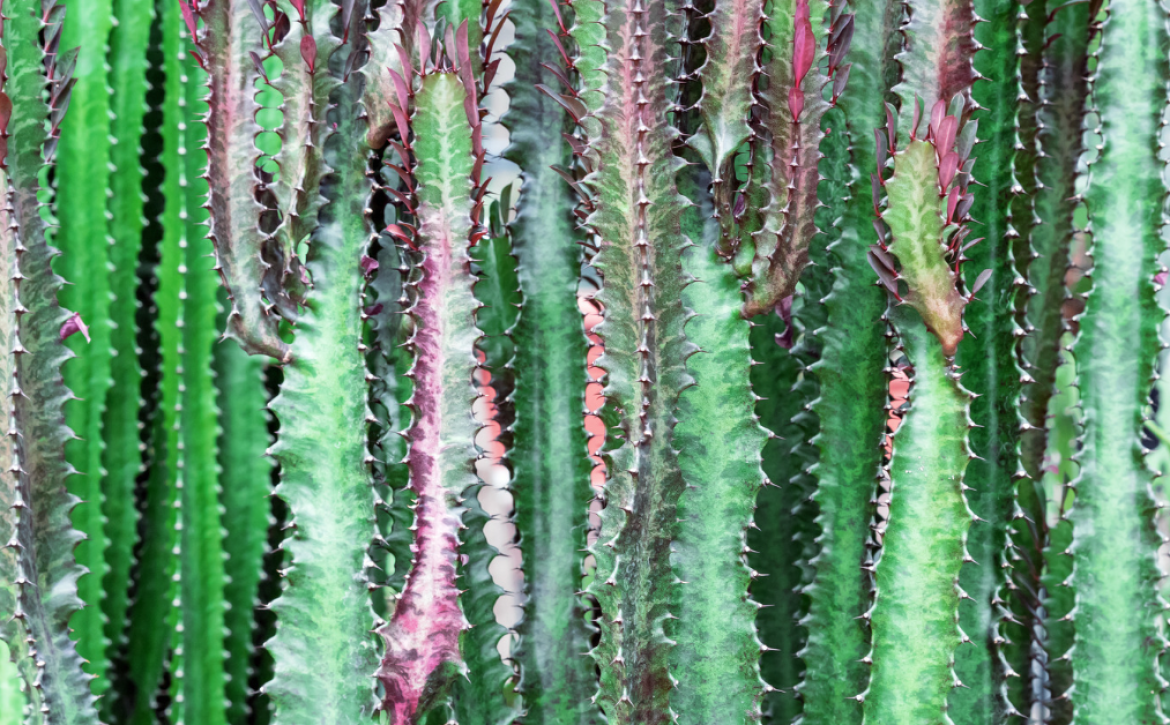
Learn how to grow and care for the African Milk Tree, a beautiful and easy-to-maintain houseplant. Our tips and tricks will help you keep your plant healthy and thriving.
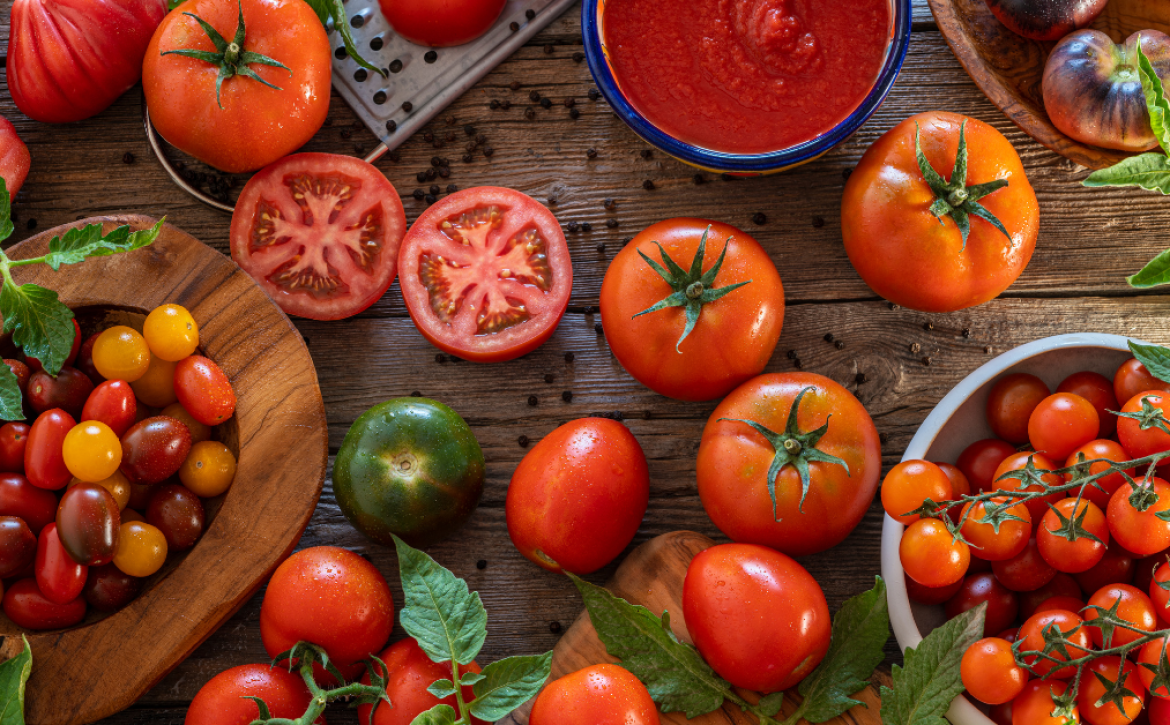
Growing tomatoes in your balcony garden is a great way to add some greenery and visual interest. Not only do they add a pop of color to your space, but they’re also easy to grow and care for. With the right preparation and care, you can enjoy a bountiful harvest of juicy, ripe tomatoes all summer long. You can even incorporate tomatoes in a green wall: “Types of Vertical Gardens: Creating a Stunning Green Wall“.
One of the biggest benefits of growing tomatoes on your balcony is that you can control the growing environment. You can choose the right type of soil, fertilizer, and watering schedule to ensure your plants thrive. Plus, you don’t need a lot of space to get started – even a small balcony can accommodate a few tomato plants.
To get started, it’s important to choose the right tomato varieties for your balcony garden. You’ll want to select varieties that are well-suited to growing in containers and that produce a high yield. With the right preparation and care, you’ll be able to enjoy delicious, homegrown tomatoes all season long.
Key Takeaways
Growing tomatoes on your balcony is a great way to add greenery to your space and enjoy a bountiful harvest of juicy, ripe tomatoes.
By controlling the growing environment, you can ensure your tomato plants thrive and produce a high yield.
Choosing the right tomato varieties, preparing your balcony garden, and providing proper care are all essential for a successful harvest.
Benefits of Balcony Garden Tomatoes
Growing tomatoes in your balcony garden has many benefits. Here are some reasons why you should consider growing tomatoes in your balcony garden:
Fresh and Nutritious Produce: Homegrown tomatoes are fresh and packed with nutrients. They contain vitamins A, C, and K, potassium, and lycopene, which is a powerful antioxidant. When you grow tomatoes in your balcony garden, you can enjoy the benefits of fresh and nutritious produce right at home.
Cost-Effective: Growing tomatoes in your balcony garden is cost-effective. You don’t have to spend a lot of money on buying tomatoes from the grocery store. Instead, you can grow them at home and save money on your grocery bill.
Easy to Grow: Tomatoes are easy to grow, even in small spaces like balconies. They require minimal maintenance and can be grown in containers. You don’t need a lot of gardening experience to grow tomatoes in your balcony garden.
Versatile: Tomatoes are versatile and can be used in a variety of dishes. You can use them in salads, sandwiches, pasta dishes, and more. When you have a steady supply of fresh tomatoes from your balcony garden, you can experiment with different recipes and add fresh flavor to your meals.
Sustainable: Growing your own tomatoes is a sustainable practice. It reduces your carbon footprint by eliminating the need for transportation and packaging. It also reduces food waste because you only harvest what you need.
In summary, growing tomatoes in your balcony garden is a cost-effective, sustainable, and nutritious way to enjoy fresh produce at home. With minimal effort and space, you can enjoy the benefits of homegrown tomatoes and add fresh flavor to your meals.
Choosing the Right Tomato Varieties
When it comes to choosing the right tomato varieties for your balcony garden, there are a few things to consider. The right variety can make all the difference in terms of yield, taste, and ease of care. Here are some factors to keep in mind:
Size
First, consider the size of the tomato plant you want to grow. For balcony gardens, it’s best to choose varieties that are compact and don’t grow too tall. Determinate varieties are a good choice since they have a more bush-like growth habit and produce a concentrated crop over a shorter period. Some popular determinate varieties include Roma, Celebrity, and Bush Early Girl.
Flavor
Next, consider the flavor profile you’re looking for. Do you prefer a sweet, juicy tomato or a more acidic one? Some popular sweet varieties include Sungold, Sweet 100, and Cherry Gold. For a more acidic flavor, try San Marzano, Amish Paste, or Brandywine.
Disease Resistance
Disease resistance is another factor to consider when choosing tomato varieties. Some varieties are more resistant to common tomato diseases like blight and wilt, which can help ensure a healthy crop. Look for varieties labeled as disease-resistant, such as Mountain Merit, Defiant, and Iron Lady.
Container Size
Finally, consider the size of the container you’ll be planting your tomatoes in. Larger varieties will need more space and a larger container to grow in. A general rule of thumb is to choose a container that’s at least 18 inches in diameter and 24 inches deep for larger varieties. Smaller varieties can do well in containers as small as 12 inches in diameter.
By considering these factors, you can choose the right tomato varieties for your balcony garden and enjoy a bountiful harvest of delicious, homegrown tomatoes.
Preparing Your Balcony Garden for Tomatoes
Before you start growing tomatoes on your balcony, there are a few things you need to do to prepare your garden. Here are some tips to help you get started:
1. Choose the Right Container
Tomatoes require a lot of space to grow, so it’s important to choose the right container. A 5-7 gallon container is recommended at a minimum, but you can go bigger if you have the space. Make sure your container has drainage holes to prevent water from building up and drowning your plants.
2. Select the Right Soil
Tomatoes need well-draining soil that is rich in nutrients. You can buy pre-mixed potting soil or make your own by mixing equal parts of compost, peat moss, and vermiculite. Avoid using garden soil, as it can contain pests and diseases that can harm your plants.
3. Provide Adequate Sunlight
Tomatoes need at least 6-8 hours of sunlight per day to grow and produce fruit. Make sure your balcony receives enough sunlight, or consider using grow lights if you don’t have access to natural sunlight.
4. Choose the Right Tomato Variety
When selecting a tomato variety for your balcony garden, choose determinate varieties that don’t grow too tall and are more compact. Some good options include cherry tomatoes, patio tomatoes, and bush tomatoes.
5. Water Your Plants Regularly
Tomatoes need consistent moisture to grow and produce fruit. Water your plants regularly, making sure the soil stays moist but not waterlogged. Consider using a self-watering container or drip irrigation system to make watering easier.
By following these tips, you’ll be well on your way to growing delicious tomatoes on your balcony. With a little bit of care and attention, you can enjoy fresh, homegrown tomatoes all season long!
Planting and Caring for Your Tomato Plants
Tomatoes are a popular choice for balcony gardens as they are easy to grow and produce a bountiful harvest. However, to ensure that your tomato plants thrive, it is important to plant and care for them correctly.
Planting Your Tomato Plants
To plant your tomato plants, follow these simple steps:
Choose the right containers: Select containers that are at least 18 inches deep and wide, and have drainage holes. You can use plastic, clay, or ceramic pots.
Fill the containers with a high-quality potting mix: Use a mix that is specifically formulated for container gardening and is rich in nutrients.
Plant the tomato plants at the correct depth: Plant your tomato plants deep, burying the stem up to the first set of leaves. This will encourage strong root growth and a sturdy plant.
Water regularly, making sure the soil doesn’t dry out: Tomatoes need consistent moisture to grow well. Water your plants deeply once a week or more often if the weather is hot and dry.
Fertilize the plants every few weeks: Use a balanced fertilizer that is high in phosphorus and potassium to encourage healthy growth and fruit production.
Protect the plants from pests and diseases: Keep an eye out for common tomato pests like aphids, whiteflies, and hornworms, and treat them promptly with insecticidal soap or neem oil.
Caring for Your Tomato Plants
Once your tomato plants are established, it is important to care for them properly to ensure a healthy harvest. Here are some tips:
Provide support: Most tomato varieties need support to keep their heavy fruit off the ground. Use stakes, cages, or trellises to keep your plants upright.
Prune regularly: Remove the suckers that grow in the crotch between the main stem and the branches to encourage larger fruit and a healthier plant.
Water consistently: Keep the soil consistently moist, but not waterlogged. Tomatoes need about 1-2 inches of water per week.
Harvest regularly: Pick your tomatoes when they are fully ripe to encourage more fruit production. Regular harvesting also prevents overripe tomatoes from attracting pests.
By following these simple steps, you can enjoy a bountiful harvest of delicious, homegrown tomatoes from your balcony garden.
Harvesting and Storing Your Tomatoes
Harvesting your balcony garden tomatoes at the right time is crucial to ensure that they are sweet, juicy, and full of flavor. Here are some tips to help you harvest your tomatoes like a pro:
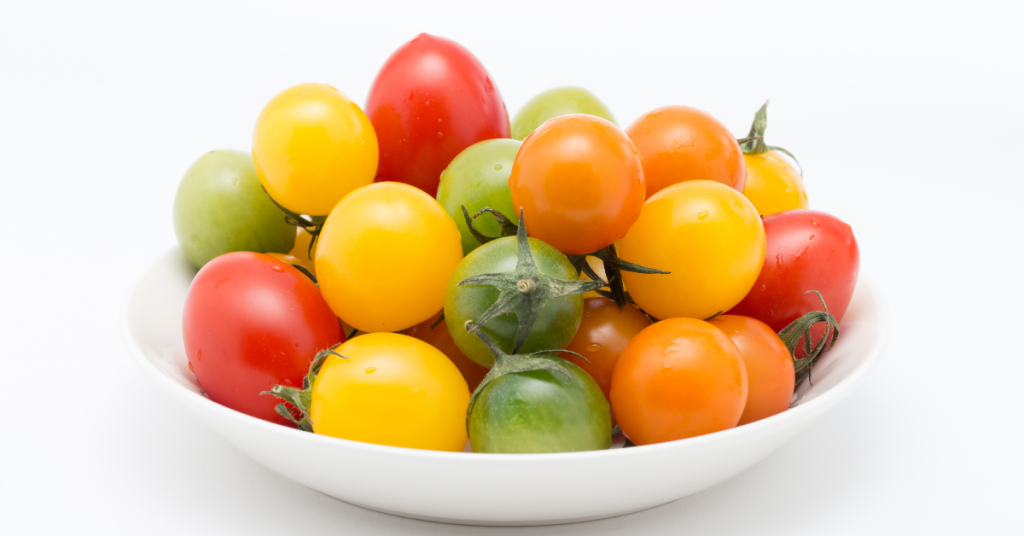
Pick your tomatoes when they are fully ripe. Ripe tomatoes are usually red, although some varieties may be yellow, orange, or green when ripe. They should be firm but slightly soft to the touch and should come off the vine easily when you gently tug on them.
Harvest your tomatoes in the morning when the fruit is cool and the sun is not too intense. This will help the tomatoes retain their flavor and texture.
Use a sharp pair of scissors or pruning shears to cut the tomato stem about 1/4 inch above the fruit. Do not twist or pull the fruit off the vine, as this can damage the stem and cause the fruit to spoil more quickly.
Once you have harvested your tomatoes, it’s important to store them properly to ensure that they stay fresh and flavorful for as long as possible. Here are some tips for storing your balcony garden tomatoes:
Store your tomatoes at room temperature, away from direct sunlight. Do not refrigerate them, as this can cause the fruit to lose flavor and texture.
If you have a lot of tomatoes, you can store them in a single layer in a shallow box or basket. Be sure to check them regularly and remove any that are starting to spoil.
If you only have a few tomatoes, you can store them in a paper bag with a ripe banana or apple. The ethylene gas produced by the banana or apple will help the tomatoes ripen more quickly.
By following these tips, you can enjoy delicious, homegrown tomatoes from your balcony garden all season long.
Frequently Asked Questions: Tomatoes in Your Balcony Garden
Can cherry tomatoes grow in pots?
Yes, cherry tomatoes can grow in pots. In fact, they are one of the best types of tomatoes to grow on a balcony because they are compact and do not require as much space as other tomato varieties. Cherry tomatoes also tend to be more disease-resistant than other types of tomatoes.
What is the best tomato plant for balcony gardens?
Determinate tomato plants are the best type of tomato plant for balcony gardens. They are compact and bushy, making them ideal for small spaces. Determinate tomato plants also produce their fruit all at once, which makes them easier to manage and harvest.
How do you choose the right size container for growing tomatoes?
The size of the container you need for growing tomatoes depends on the variety of tomato you are growing. A general rule of thumb is to choose a container that is at least 18 inches in diameter and 24 inches deep for most tomato varieties. However, if you are growing a larger tomato variety, you may need a container that is even larger.
What is the best fertilizer for tomatoes grown in pots?
Tomatoes grown in pots require regular fertilization to thrive. A balanced fertilizer that contains equal amounts of nitrogen, phosphorus, and potassium is the best option for growing tomatoes in pots. You can also use organic fertilizers, such as compost or fish emulsion, to provide your tomato plants with the nutrients they need.
How do you support tomato plants in containers?
Tomato plants grown in containers require support to prevent them from toppling over as they grow. You can use a tomato cage or a stake to support your tomato plants. Make sure you install the support system when you plant the tomato seedling, so you do not disturb the roots later on.
How often should you water tomatoes grown in pots?
Tomatoes grown in pots require regular watering to thrive. You should water your tomato plants deeply once or twice a week, depending on the weather conditions. Make sure the soil is moist but not waterlogged. Overwatering can lead to root rot, which can kill your tomato plants.
For some great information about a vertical tomato garden, take a look at this article, “How to Set Up a Gorgeous Vertical Tomato Garden”. (source: minnetonkaorchards.com).
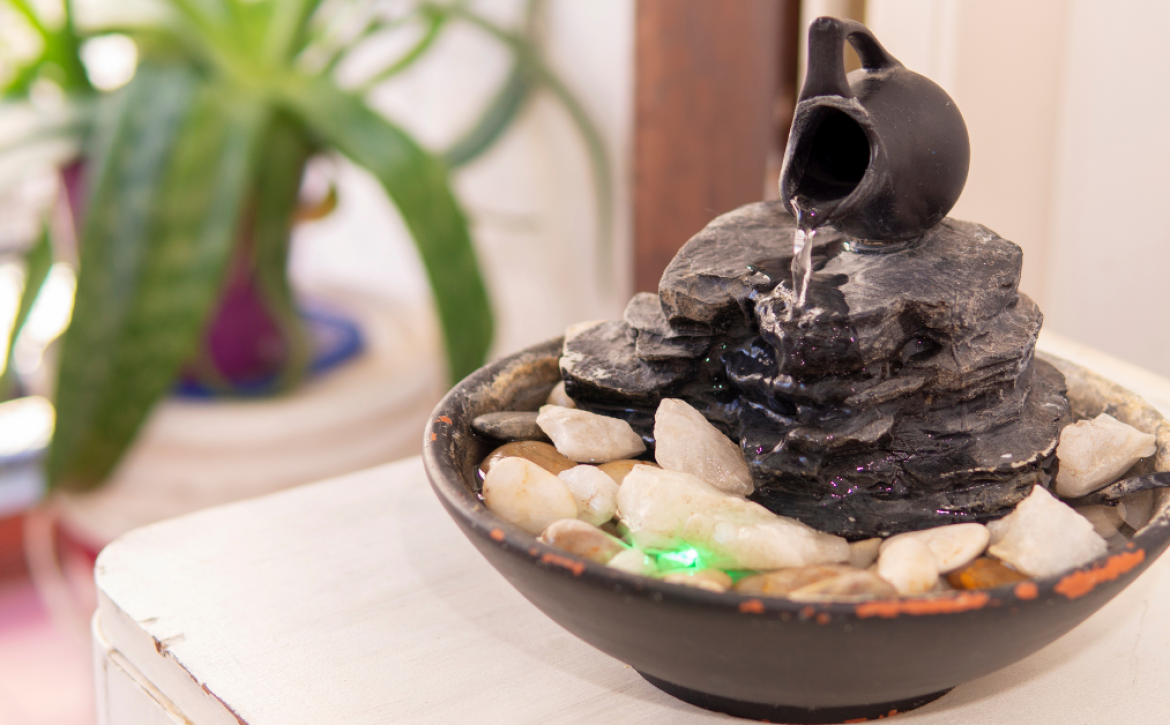
Discover how to create a calming outdoor space with a DIY zen balcony garden. Our guide will show you how to transform your balcony into a peaceful oasis, perfect for relaxation and meditation.

 Lisa Woods
 welcome@balconygardenparadise.com