20 Best Plants for Balconies: Thriving in Sun and Shade

If you have a balcony, you know how valuable it is to have a little slice of outdoor space. Whether you’re in a bustling city or a quiet suburb, a balcony can be a great place to relax, entertain, and enjoy the fresh air. One way to make your balcony even more enjoyable is by adding some greenery. But with limited space and sunlight, it can be tough to know which plants will thrive. That’s why we’ve put together a list of the best plants for balconies.

When choosing plants for your balcony, there are a few things to keep in mind. First, consider the amount of sunlight your balcony gets. If it’s in full sun all day, you’ll need plants that can handle the heat and direct light. If it’s in shade for most of the day, you’ll need plants that can thrive without a lot of sun. Second, think about the amount of space you have. If your balcony is small, you’ll want to choose plants that won’t take up too much room. And finally, consider your own preferences and needs. Do you want plants that are easy to care for? Or do you want to grow your own herbs or vegetables?

With these factors in mind, we’ve compiled a list of the best plants for balconies. Whether you’re looking for something low-maintenance or something that will add a pop of color to your space, we’ve got you covered. From herbs and vegetables to flowers and succulents, there’s something for everyone on this list. So, let’s get started and find the perfect plants for your balcony!

Sun-Loving Plants

If your balcony gets plenty of sunlight, there are many plants that can thrive in these conditions. Here are some of the best sun-loving plants to consider for your balcony:

Flowers

  • Geraniums: These colorful flowers are a popular choice for balconies. They come in a range of colors and can bloom all summer long.
  • Petunias: Another popular choice for balcony gardens, petunias come in a variety of colors and can add a pop of color to your space.
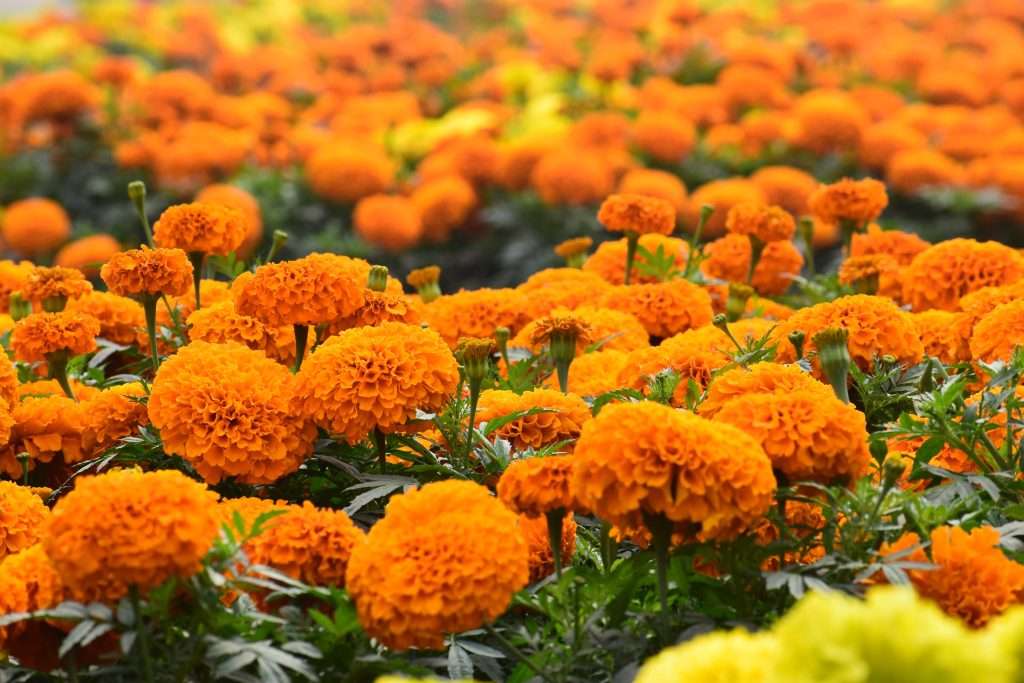
  • Marigolds: These bright yellow or orange flowers are easy to grow and can help repel pests like mosquitoes and aphids.

Herbs

Herbs can be some of the best plants for balconies.
  • Basil: This fragrant herb is easy to grow and can be used in a variety of dishes. It also repels mosquitoes.
  • Rosemary: This hardy herb is perfect for sunny balconies and can be used in a variety of dishes.
  • Thyme: This low-maintenance herb is perfect for sunny balconies and can be used in a variety of dishes.

Vegetables

  • Tomatoes: If you have enough space, tomatoes can be a great addition to your balcony garden. They need plenty of sunlight and regular watering.
  • Peppers: Another great vegetable to grow on a sunny balcony, peppers come in a variety of colors and can add some spice to your cooking.
  • Cucumbers: These refreshing vegetables need plenty of sunlight and regular watering, but can be a great addition to your balcony garden.

Overall, there are many great sun-loving plants to choose from when creating a balcony garden. Whether you prefer flowers, herbs, or vegetables, there are plenty of options to suit your space and your tastes.

Shade-tolerant plants

If your balcony doesn’t get much direct sunlight, don’t worry! There are plenty of beautiful plants that thrive in the shade. Here are some of the best shade-tolerant plants for your balcony:

Ferns

Ferns can give an elegant and charming look to balcony gardens.

Ferns are a classic choice for shady balconies. They come in a variety of sizes and shapes, from delicate maidenhair ferns to large Boston ferns. They’re also easy to care for – just make sure they have enough water and don’t let them dry out completely. Ferns are great for adding texture and movement to your balcony, and they’re also known for their air-purifying qualities.

Begonias

Begonias are another great choice for shady balconies. They come in a wide range of colors and textures, from the classic wax begonia with its shiny leaves and pink or white flowers, to the more exotic rex begonia with its colorful foliage. Begonias are easy to care for and can bloom all summer long with the right care. They’re also great for adding a pop of color to your balcony.

Pothos

Pothos is a great choice for a low-maintenance, trailing plant on your balcony. It’s also known as devil’s ivy because it’s almost impossible to kill. Pothos can handle a range of lighting conditions, from bright indirect light to low light. It also grows quickly and can trail down the side of your balcony, adding a lush, tropical feel to your space.

When choosing shade-tolerant plants for your balcony, make sure to consider the lighting conditions and temperature. Most shade-tolerant plants prefer cooler temperatures and moist soil, so make sure to water them regularly and keep them out of direct sunlight. With the right care, these plants can thrive and add beauty to your balcony all summer long.

Low-Maintenance Plants

If you’re looking for the best plants for balconies, you’ll want to consider low-maintenance options. These plants require less attention and care, making them perfect for those with busy schedules or little gardening experience.

Succulents

Succulents are a popular choice for low-maintenance plants. They come in a variety of shapes and sizes, and they’re easy to care for. Succulents store water in their leaves, which means they don’t need to be watered as often as other plants. They also prefer bright, indirect light, making them ideal for balconies.

Here are some popular succulents to consider for your balcony:

  • Aloe Vera
  • Echeveria
  • Jade Plant
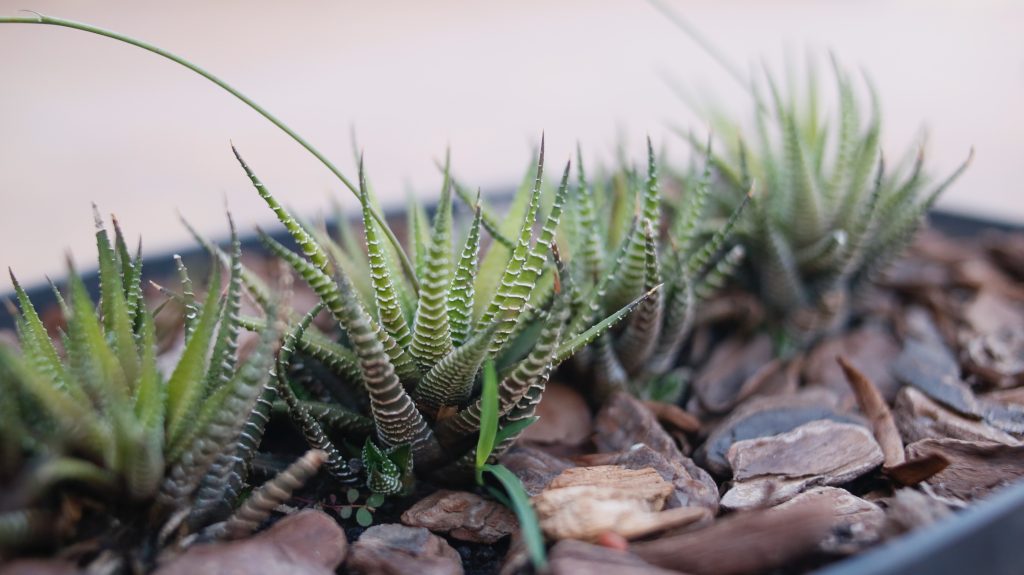
  • Haworthia

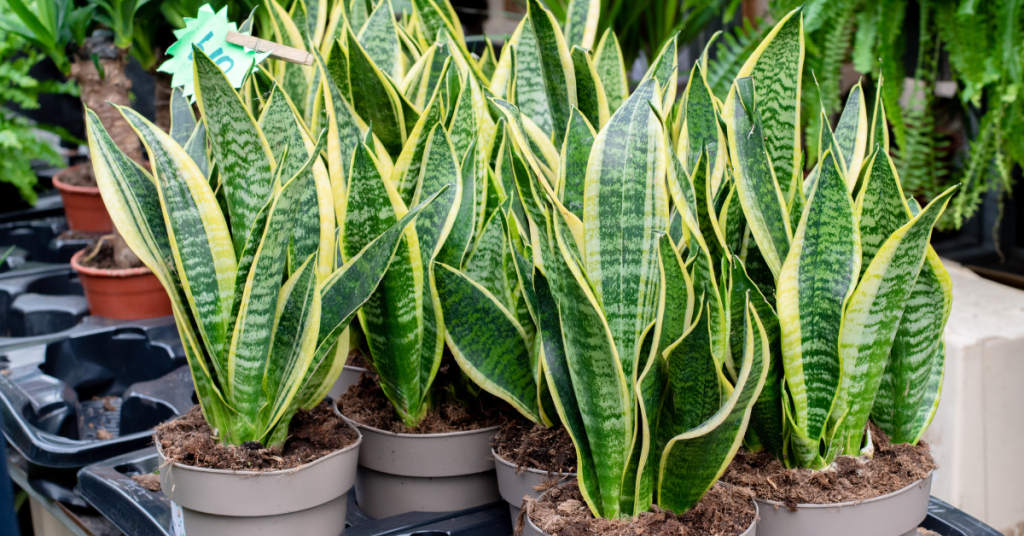
Snake Plant

The Snake Plant (also known as Mother-in-Law's Tongue) is definitely one of the best plants for balconies.

The Snake Plant, also known as Mother-in-Law’s Tongue, is another low-maintenance option for your balcony. It can tolerate a wide range of light conditions, from bright to low light, and it doesn’t need to be watered often. In fact, overwatering can harm this plant, so it’s best to let the soil dry out between waterings.

ZZ Plant

The ZZ Plant is a great choice for those who want a low-maintenance plant that can tolerate low light conditions. It’s also drought-tolerant, meaning it can go long periods without water. The ZZ Plant has glossy, dark green leaves that can add a pop of color to your balcony.

In conclusion, low-maintenance plants are a great option for those who want to add some greenery to their balcony without a lot of fuss. Succulents, Snake Plants, and ZZ Plants are all great choices that can thrive in a variety of light and water conditions. Consider adding one or more of these plants to your balcony for a touch of natural beauty.

Vertical Garden Plants

When it comes to creating a beautiful green space on your balcony, vertical gardens are a great option. These gardens are perfect for small spaces, and they can add a lot of character to your outdoor area. Here are some of the best plants for balconies that can be grown in a vertical garden.

Climbing Plants

Climbing plants are a great choice for a vertical garden, as they can grow up trellises or other supports. They are perfect for adding a touch of greenery to a wall or fence. Some of the best climbing plants for balconies include:

  • Clematis: This plant produces beautiful flowers in a variety of colors, including purple, pink, and white.
  • Ivy: Ivy is a hardy plant that can grow in a variety of conditions. It is perfect for adding some greenery to a wall or fence.
  • Jasmine: Jasmine is a fragrant plant that produces beautiful white flowers. It is perfect for adding some scent to your balcony.

Hanging Plants

Hanging plants are another great option for a vertical garden. They can be hung from hooks or other supports, and they add a lot of visual interest to your balcony. Some of the best hanging plants for balconies include:

  • Boston Fern: This plant has beautiful, feathery fronds that look great hanging from a basket.
  • Spider Plant: Spider plants are easy to care for and produce small, white flowers.
  • String of Pearls: This plant has small, round leaves that look like pearls. It is perfect for adding some texture to your vertical garden.

Trellis Plants

Trellis plants are a great choice for a vertical garden, as they can grow up trellises or other supports. They are perfect for adding a touch of greenery to a wall or fence. Some of the best trellis plants for balconies include:

  • Morning Glory: This plant produces beautiful, trumpet-shaped flowers in a variety of colors, including purple, pink, and white.
  • Peas: Peas are a great choice for a vertical garden, as they can be grown up a trellis and produce edible pods.
  • Sweet Peas: Sweet peas produce beautiful, fragrant flowers in a variety of colors, including pink, purple, and white.

Bonus: Best Plants for Balconies

Balcony Plant Suggestions from Down Under

The Kangaroo Paw is aptly named and a great balcony plant that will add a great deal of color.
The Kangaroo Paw adds some lively color and would be a fantastic addition to your balcony garden.

Are you looking to transform your balcony into a lush green oasis? Whether your balcony is in full sun or deep shade, here are some additional ideas all the way from Australia (unless you’re already there ðŸĶ˜). From the colorful Kangaroo Paw (source: WWF). Some of these plants include the Bottlebrush, Gum tree (Eucalyptus), Kangaroo paw (Anigozanthos), and Wattle (Acacia) as well as some others.

Hanging Plants for that touch of class

Also, look to the low-maintenance Creeping Jenny or other beautiful hanging basket options in this article by Melanie Griffiths. (source: Homes and Gardens)

Start growing your own green retreat today with the best plants for balconies! There are so many great options for the best plants for balconies. Many can be grown in a vertical garden. Climbing plants, hanging plants, and trellis plants are all great options that can add a lot of character to your outdoor space. Choose the best plants for your balcony based on your personal style and the amount of sunlight your balcony receives. Refer to our article, “Types of Vertical Gardens: Guide to Creating a Stunning Green Wall” to learn more about trellis gardens.

Best Eco-Friendly Garden Plants for Your Balcony

Our mission is to provide our customers with responsive service and unsurpassed quality and value at a very competitive price…

How to Create a Stunning DIY Florarium: A Step-by-Step Guide

Are you looking for a way to add some greenery to your balcony garden? A DIY florarium may be just what you need. Florariums are miniature gardens that can be created in glass containers, and they’re perfect for small spaces like balconies. Not only are they aesthetically pleasing, but they’re also easy to care for and can help purify the air in your home. You might want to check out our article here entitled, “10 Best Water-Conserving Balcony Garden Plants“.

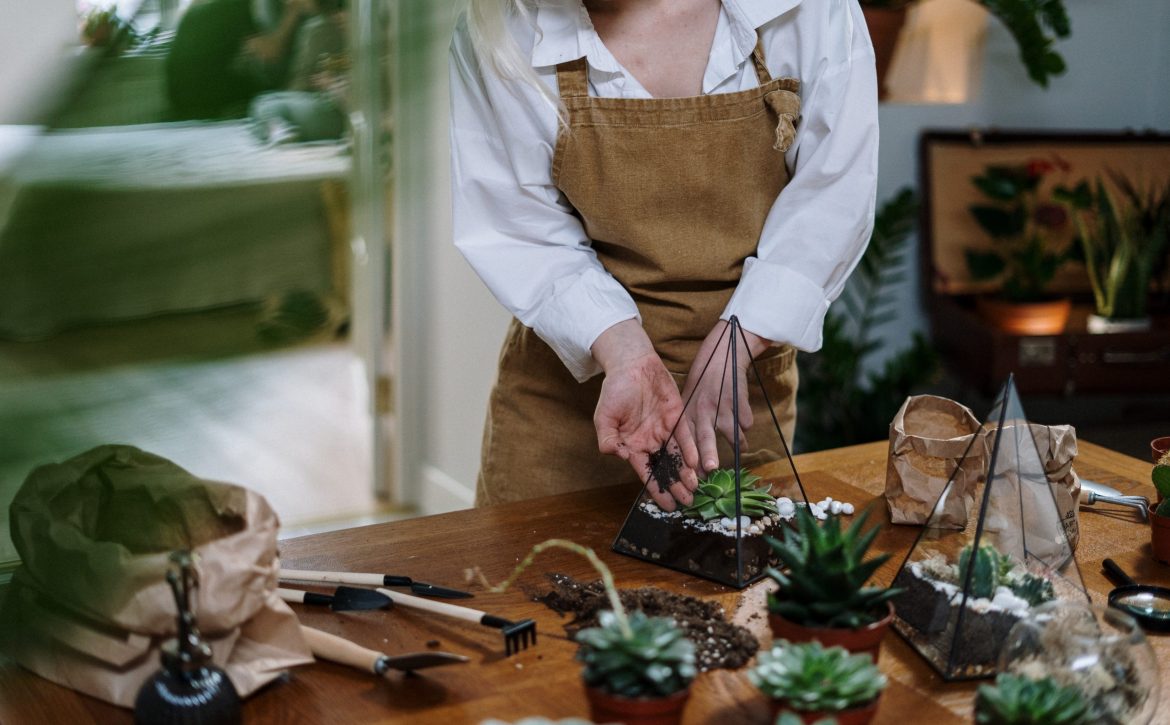
To create a florarium for your balcony garden, you’ll need a few basic supplies. According to Faterra, a florarium should be created by pouring pebbles or stones onto the bottom, followed by a layer of charcoal and a large layer of soil. You can use a decorative jar as your container, and introduce plants with tweezers. You can use a glass container with or without a lid, soil that matches the preferences of your chosen plants, drainage materials like sand or small pebbles, activated charcoal, and of course, plants and decorative elements of your choice. With these supplies, you’ll be able to create a beautiful and low-maintenance florarium for your balcony garden.

Choosing the Right Plants

Choosing the right plants is important in creating your DIY Florarium.

When creating a florarium for your balcony garden, it’s important to choose the right plants. The plants you select will depend on several factors, including the amount of sunlight your balcony receives, the size of your container, and your personal preferences. In this section, we’ll discuss how to research and select the best plants for your florarium. Check out the following article for some combination ideas: “29 Pretty Plant Combinations for Creating Stunning Container Gardens”. [source: Better Homes and Gardens]

Researching Plants

Before you start selecting plants for your DIY florarium, it’s important to do some research. Look for plants that are well-suited to the conditions on your balcony. Consider factors such as the amount of sunlight your balcony receives, the temperature, and the humidity levels. You can also research the different types of plants that are commonly used in florariums, such as mosses, ferns, orchids, and succulents.

When researching plants, be sure to look for reputable sources. You can find information about plants on gardening websites, in books about indoor gardening, and from experts at your local nursery. Some good sources of information on florarium plants include the Royal Horticultural Society and the American Horticultural Society.

Selecting Plants

Once you’ve done your research, it’s time to start selecting plants for your florarium. When selecting plants, consider their size, shape, and color. You’ll want to choose plants that complement each other and create a balanced, visually appealing arrangement. Discover more about this special type of planting here:

Some good plants to consider for your florarium include:

  • Mosses: Mosses are a popular choice for florariums because they are easy to care for and come in a variety of colors and textures.
  • Ferns: Ferns are another popular choice for florariums. They come in a wide range of sizes and shapes and can add a lot of visual interest to your arrangement.
  • Orchids: Orchids are a bit more challenging to grow than some other plants, but they can be very rewarding. They come in a wide range of colors and can add a touch of elegance to your florarium.
  • Succulents: Succulents are a great choice if you’re looking for plants that are easy to care for and require very little water. They come in a wide range of sizes and shapes and can add a lot of visual interest to your arrangement.

When selecting plants for your florarium, be sure to read the care instructions carefully. Some plants require more water than others, while others prefer a drier environment. By selecting plants that are well-suited to your balcony garden, you’ll be able to create a beautiful, thriving florarium that you can enjoy for years to come.

Preparing the Florarium

Creating a florarium for your balcony garden can be a fun and rewarding DIY project. With a few basic supplies and some carefully chosen plants, you can create a beautiful mini greenhouse that will add a touch of greenery to your outdoor space. Here are some tips on how to prepare your DIY florarium.

Choosing a Container

The first step in preparing your florarium is to choose a container. You can use any clear, glass container that is large enough to hold your plants and soil. Some popular choices include fish tanks, jars, and vases. You can also find special florarium containers at garden centers or online.

When choosing your container, consider the size and shape of the plants you want to use. If you plan to use tall or trailing plants, look for a container with a narrow neck or a tall, cylindrical shape. If you want to create a more compact arrangement, choose a shorter, wider container.

Adding Layers of Gravel and Soil

Once you have your container, it’s time to add the layers of gravel and soil that will create a stable environment for your plants. Start by adding a layer of gravel or small stones to the bottom of the container. This will help with drainage and prevent the roots of your plants from sitting in water.

Next, add a layer of activated charcoal. This will help keep the soil fresh and prevent mold and bacteria from growing. You can find activated charcoal at most garden centers or online.

Finally, add a layer of soil. Choose a soil that is appropriate for the types of plants you want to use. For example, succulents and cacti require a well-draining soil, while ferns and other moisture-loving plants prefer a soil that retains more water.

When adding the soil, be sure to leave enough room for your plants. You may need to add more soil after you have placed your plants to ensure they are firmly anchored in place.

Overall, preparing a florarium for your balcony garden is a fun and easy DIY project. With the right container, layers of gravel and soil, and carefully chosen plants, you can create a beautiful and low-maintenance mini greenhouse that will thrive in your outdoor space.

Planting Your Florarium

Adding the right soil is also important in creating your DIY Florarium.

Creating a beautiful DIY florarium for your balcony garden is a great way to add a touch of greenery to your outdoor space. Planting your florarium is an important step in the process, and it’s important to make sure you do it correctly to ensure the health and longevity of your plants. In this section, we’ll discuss how to arrange and care for your plants in your new florarium.

Arranging Your Plants

When it comes to arranging your plants in your florarium, it’s important to consider the size and shape of your container. You want to make sure that you have enough space for all of your plants to grow and thrive, but you also want to create a visually appealing arrangement.

Start by adding a layer of drainage material to the bottom of your container, such as small rocks or gravel. This will help to prevent water from accumulating at the bottom of the container and causing root rot.

Next, add a layer of soil that matches the preferences of your chosen plants. Be sure to leave enough space between each plant to allow for growth. You can use a small trowel or your fingers to create small holes in the soil for each plant.

Once you have your plants in place, you can add decorative elements such as rocks, moss, or figurines to enhance the visual appeal of your florarium.

Caring for Your Plants

Caring for your plants in your new florarium is essential to ensure their health and longevity. Here are a few tips to keep in mind:

  • Water your plants regularly, but be careful not to overwater. Check the soil regularly to ensure it is moist but not waterlogged.
  • Provide adequate light for your plants. Most plants in a florarium prefer bright, indirect light.
  • Monitor your plants for signs of pests or disease. If you notice any issues, take action immediately to prevent further damage.
  • Prune your plants as needed to keep them healthy and looking their best.
  • Consider fertilizing your plants occasionally to promote growth and health.

By following these tips and arranging your plants carefully, you can create a beautiful and healthy florarium for your balcony garden.

Decorating Your DIY Florarium

A florarium is a beautiful addition to any balcony garden. Not only do they add a touch of greenery to your space, but they also create a calming and relaxing atmosphere. Decorating your florarium can be a fun and creative process that allows you to express your personal style. Here are a few tips on how to decorate your florarium:

Adding Decorative Elements

Adding decorative elements to your DIY florarium can help to enhance its overall aesthetic appeal. There are many different decorative elements that you can choose from, including:

  • Rocks and pebbles: Adding rocks and pebbles to your florarium can create a natural look and feel. You can choose from a variety of different colors and sizes to match your personal style.
  • Figurines and statues: Adding figurines and statues to your florarium can add a touch of whimsy and fun. You can choose from a variety of different themes, such as animals, fairies, or even superheroes.
  • Seashells and driftwood: If you want to create a beachy vibe, consider adding seashells and driftwood to your florarium. These natural elements can add texture and interest to your space.

Choosing the Right Lighting

Choosing the right lighting is an important part of decorating your florarium. You want to make sure that your plants are getting enough light to thrive, but you also want to create a warm and inviting atmosphere. Here are a few tips on how to choose the right lighting for your florarium:

  • Natural light: If your balcony gets plenty of natural light, you may not need to add any additional lighting. However, if your balcony is shaded or doesn’t get much direct sunlight, you may need to add some artificial lighting.
  • LED lights: LED lights are a great option for adding additional lighting to your florarium. They are energy-efficient and come in a variety of different colors and styles.
  • String lights: String lights can add a cozy and romantic feel to your space. They are a great option for creating a warm and inviting atmosphere.

In conclusion, decorating your florarium is a fun and creative process that allows you to express your personal style. By adding decorative elements and choosing the right lighting, you can create a beautiful and calming space that will bring joy to your balcony garden.

10 Best Water-Conserving Balcony Garden Plants

Are you looking to create a beautiful balcony garden while conserving water? With the right plant selection and care, you can create a stunning garden that doesn’t require a lot of water. In this article, we’ll introduce you to 10 water-saving balcony garden plants that are ideal for a balcony garden focused on water conservation.

When selecting plants for your balcony garden, it’s important to choose those that are drought-tolerant and can thrive in a container environment. These plants not only require less water, but they also help to conserve water by reducing the need for frequent watering.

Some of our top picks for water-wise balcony plants include succulents, herbs, and flowering shrubs. We’ll provide tips for each plant to help you care for them properly and ensure they thrive in your balcony garden.

Choosing the Right Plants for Water Conservation

Marigolds are good for water conservation.

When it comes to creating a balcony garden that conserves water, choosing the right plants is key. By selecting low-maintenance plants, attract pollinators, retain water, thrive in containers, and add color and height, you can create a beautiful and sustainable garden that requires minimal watering.

Low-Maintenance Plants

Low-maintenance plants are perfect for balcony gardens because they require minimal watering and care. Some great options include succulents, ferns, and ivy. Succulents are especially great because they store water in their leaves, making them perfect for hot and dry conditions. Ferns and ivy are also great because they are hardy and can tolerate a range of conditions.

Plants That Attract Pollinators

Pollinators like bees and butterflies are essential for a healthy garden. By planting flowers that attract pollinators, you can help ensure that your garden thrives. Some great options include hydrangea, caladium, and sweet alyssum. These plants are not only beautiful but also attract bees and butterflies, which can help pollinate other plants in your garden.

Plants That Retain Water

Plants that retain water are perfect for balcony gardens because they require less watering. Some great options include cacti and succulents. These plants store water in their leaves and stems, making them perfect for hot and dry conditions.

Plants That Thrive in Containers

Container gardening is perfect for balcony gardens because it allows you to grow plants in a small space. Some great options for container gardening include zinnias, roses, petunias, and fuchsia. These plants are not only beautiful but also thrive in containers.

Plants That Add Color and Height

Adding color and height to your balcony garden is essential for creating a beautiful and dynamic space. Some great options for adding color and height include begonias, zinnias, and roses. These plants come in a range of colors and can add a pop of color to any balcony garden.

In addition to selecting the right plants, there are a few other things you can do to conserve water in your balcony garden. Consider using self-watering pots or large pots that retain water. You can also use railing planters to maximize space and create a beautiful vertical garden.

By following these tips and selecting the right plants for your balcony garden, you can create a beautiful and sustainable space that conserves water and attracts pollinators.

Tips for Choosing the Right Plants

When it comes to balcony gardening, choosing the right plants is crucial for water conservation. Here are some tips to help you choose the best plants for your balcony garden:

Consider the balcony's sun exposure when choosing water-saving balcony garden plants.

Consider the Balcony’s Sun Exposure

Before selecting plants, it’s important to consider the amount of sunlight your balcony receives. South and west-facing balconies get full sunlight almost all day long, while north-facing balconies or those shaded by other buildings may receive less sunlight. Choose plants that are suitable for the amount of sunlight your balcony receives.

Choose Plants That Don’t Require Frequent Watering

Plants that require less water are ideal for balcony gardens. When designing your landscape for water efficiency, be sure to choose plants that are defined as low water use or drought tolerant for your area. These plant species will be able to survive in your climate with minimal, if any, need for supplemental watering.

Select Plants That Complement Each Other

Choose plants that complement each other in terms of color, texture, and growth habits. This will help create a visually appealing balcony garden. For example, you can pair tall plants with trailing plants to create a layered effect.

Choose Plants That Fit the Balcony’s Size

When selecting plants, it’s important to consider the size of your balcony. If you have a small balcony, choose plants that are compact and don’t take up too much space. If you have a larger balcony, you can choose larger plants or even create a vertical garden.

Here are ten plants that are ideal for balcony gardens:

Plant NameTypeSun ExposureWater NeedsHeightSuitable for Large Pots
LavenderPerennialFull SunLow1-3 ftYes
SagePerennialFull SunLow1-3 ftYes
ThymePerennialFull SunLow6-12 inYes
RosemaryPerennialFull SunLow2-6 ftYes
MarigoldAnnualFull SunLow6-24 inYes
PetuniaAnnualFull SunLow6-24 inYes
ZinniaAnnualFull SunLow6-40 inYes
SucculentsVariousFull Sun to Part ShadeLowVariesYes
Spider PlantPerennialPart ShadeLow12-18 inYes
Snake PlantPerennialPart ShadeLow1-4 ftYes

By following these tips and choosing the right plants, you can create a beautiful balcony garden that conserves water and adds greenery and flowers to your outdoor space.

10 Plants for Water Conservation on a Balcony Garden

If you’re looking to create a balcony garden that conserves water, there are plenty of plant options to choose from. Here are ten plants that are drought-tolerant and can thrive with minimal watering:

Succulents

Succulents are some of the most water-efficient plants you can grow on your balcony. They store water in their leaves, which means they can go for long periods without being watered. Some popular succulent options include cacti, aloe vera, and jade plants.

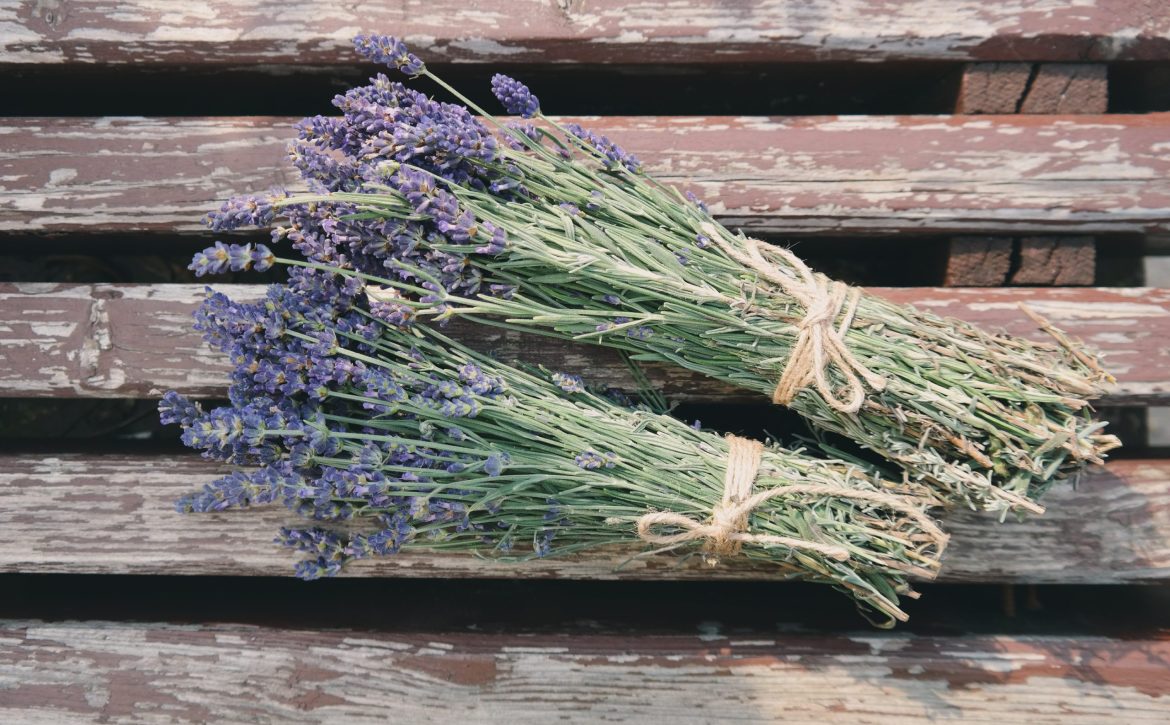
Lavender

Lavender is a beautiful and fragrant plant that is also drought-tolerant. It prefers well-draining soil and can thrive in hot, dry conditions. Plus, its purple flowers attract pollinators like bees and butterflies.

Rosemary

Rosemary is a hardy herb that is great for water conservation. It prefers well-draining soil and can tolerate dry conditions. Plus, it’s a versatile herb that can be used in cooking and has a pleasant aroma.

Geranium

Geraniums are a popular balcony plant that can thrive in hot, dry conditions. They come in a variety of colors and are easy to care for. Just make sure to water them deeply when you do water them, as they prefer to dry out between waterings.

Petunia

Petunias are a colorful and low-maintenance option for a water-efficient balcony garden. They can tolerate dry conditions and come in a variety of colors. Plus, they attract pollinators like bees and hummingbirds.

Zinnia

Zinnias are another colorful option for a drought-tolerant balcony garden. They prefer well-draining soil and can tolerate heat and dry conditions. Plus, they attract pollinators like butterflies and bees.

Fuchsia

Fuchsias are a beautiful and unique option for a water-efficient balcony garden. They prefer well-draining soil and can tolerate dry conditions. Plus, their vibrant colors and unique shape make them a standout plant.

Hydrangea

Hydrangeas are a great option for a balcony garden that gets some shade. They prefer well-draining soil and can tolerate dry conditions, but they do need regular watering to thrive. Plus, their large, colorful blooms make a statement.

Caladium

Caladiums are a colorful and low-maintenance option for a water-efficient balcony garden. They prefer well-draining soil and can tolerate dry conditions, but they do need regular watering to thrive. Plus, their unique, heart-shaped leaves add visual interest.

Sweet Alyssum

Sweet alyssum is a low-growing plant that is perfect for filling in gaps in a water-efficient balcony garden. It prefers well-draining soil and can tolerate dry conditions. Plus, its delicate flowers add a touch of sweetness to your balcony space.

In summary, there are plenty of plant options for a water-efficient balcony garden. By choosing drought-tolerant plants like succulents, lavender, and rosemary, you can create a beautiful and sustainable outdoor space. Just make sure to water deeply and infrequently, and choose well-draining soil to ensure your plants thrive.

Tips for Maintaining a Water-Conserving Balcony Garden

Maintaining a water-conserving balcony garden can be a challenge, but with the right plants and techniques, you can have a thriving garden while also conserving water. Here are some tips to help you maintain a water-conserving balcony garden:

Water Plants Correctly

Watering plants correctly is essential for a water-conserving balcony garden. Here are some tips:

  • Water plants in the early morning or late evening to reduce evaporation.
  • Water plants deeply and less frequently to encourage deep root growth.
  • Use a watering can or drip irrigation system to apply water directly to the soil and avoid wasting water.
  • Consider using a moisture meter to determine when plants need water, rather than relying on a schedule.

Use the Right Soil

Using the right soil is important for a water-conserving balcony garden. Here are some tips:

  • Use a high-quality potting mix that is designed for container gardening.
  • Add organic matter, such as compost or peat moss, to improve soil structure and water retention.
  • Consider using a soil moisture retention product, such as hydrogel crystals, to help retain moisture in the soil.

Fertilize Plants Appropriately

Fertilizing plants appropriately is important for a water-conserving balcony garden. Here are some tips:

  • Use a slow-release fertilizer to reduce the need for frequent watering.
  • Use organic fertilizers, such as compost or fish emulsion, to improve soil health and reduce the need for chemical fertilizers.
  • Avoid over-fertilizing, as this can lead to excessive growth and increase the need for water.

Prune and Deadhead Regularly

Pruning and deadheading regularly are important for a water-conserving balcony garden. Here are some tips:

  • Prune plants to remove dead or damaged foliage, as this can reduce water stress and improve plant health.
  • Deadhead flowers to encourage new growth and reduce the need for water.
  • Consider using plant supports, such as trellises or stakes, to help plants grow upright and reduce the need for pruning.

Protect Plants from Burn

Mulch around plants to protect against heat stress.

Protecting plants from burn is important for a water-conserving balcony garden. Here are some tips:

  • Choose plants that are adapted to your climate and can tolerate hot, dry conditions.
  • Provide shade for plants during the hottest part of the day to reduce water stress.
  • Use reflective mulch or white stones around plants to reflect sunlight and reduce heat stress.
  • Avoid using dark-colored containers, as these can absorb heat and increase the risk of plant burn.

10 Water-Conserving Balcony Garden Plants

Here are 10 plants that are well-suited for a water-conserving balcony garden:

PlantWater NeedsSun ExposureSoil Type
SucculentsLowFull sun to partial shadeWell-draining soil
LavenderLowFull sunWell-draining soil
RosemaryLowFull sunWell-draining soil
SageLowFull sunWell-draining soil
ThymeLowFull sunWell-draining soil
MintMediumPartial shadeMoist soil
BasilMediumFull sunMoist soil
CilantroMediumPartial shadeMoist soil
ChivesMediumFull sun to partial shadeMoist soil
ParsleyMediumPartial shadeMoist soil

Choose plants that suit your balcony’s conditions and your preferences. With these tips and plants, you can have a beautiful and water-conserving balcony garden.

For further reading, check out our article: Get Growing with the Kratky Method of Hydroponics!

Social media & sharing icons powered by UltimatelySocial
Facebook
fb-share-icon