Best Eco-Friendly Garden Plants for Your Balcony
Our mission is to provide our customers with responsive service and unsurpassed quality and value at a very competitive price…

Our mission is to provide our customers with responsive service and unsurpassed quality and value at a very competitive price…
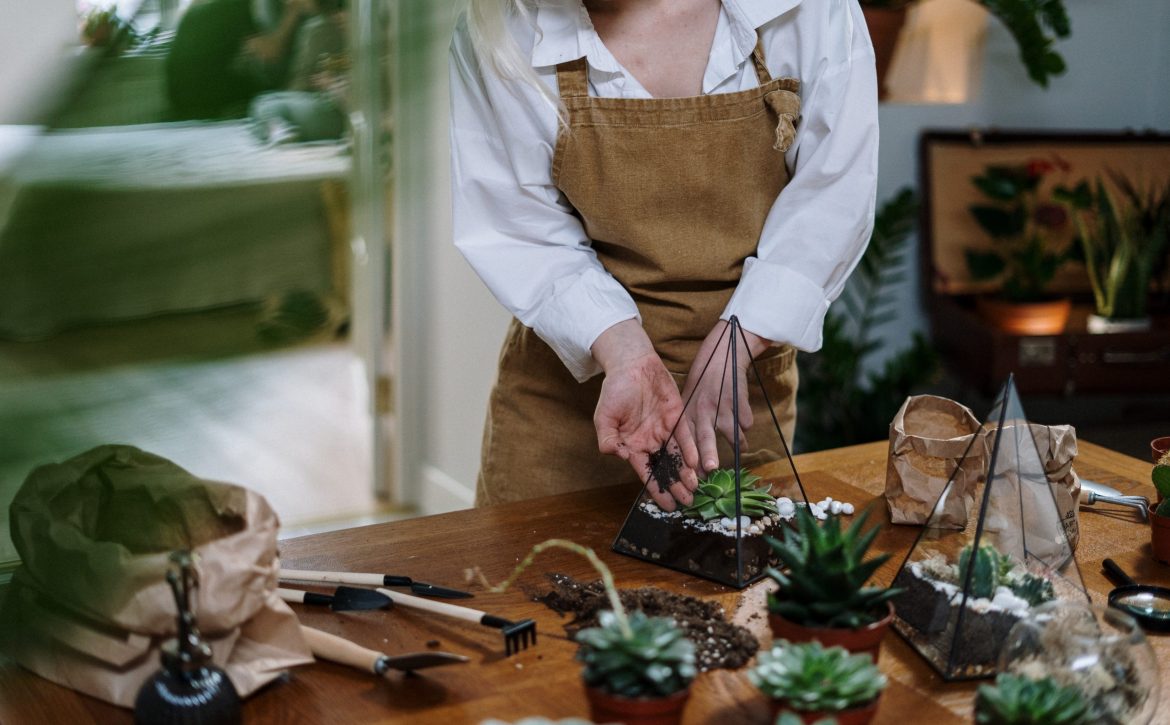
Are you looking for a way to add some greenery to your balcony garden? A DIY florarium may be just what you need. Florariums are miniature gardens that can be created in glass containers, and they’re perfect for small spaces like balconies. Not only are they aesthetically pleasing, but they’re also easy to care for and can help purify the air in your home. You might want to check out our article here entitled, “10 Best Water-Conserving Balcony Garden Plants“.
To create a florarium for your balcony garden, you’ll need a few basic supplies. According to Faterra, a florarium should be created by pouring pebbles or stones onto the bottom, followed by a layer of charcoal and a large layer of soil. You can use a decorative jar as your container, and introduce plants with tweezers. You can use a glass container with or without a lid, soil that matches the preferences of your chosen plants, drainage materials like sand or small pebbles, activated charcoal, and of course, plants and decorative elements of your choice. With these supplies, you’ll be able to create a beautiful and low-maintenance florarium for your balcony garden.

When creating a florarium for your balcony garden, it’s important to choose the right plants. The plants you select will depend on several factors, including the amount of sunlight your balcony receives, the size of your container, and your personal preferences. In this section, we’ll discuss how to research and select the best plants for your florarium. Check out the following article for some combination ideas: “29 Pretty Plant Combinations for Creating Stunning Container Gardens”. [source: Better Homes and Gardens]
Before you start selecting plants for your DIY florarium, it’s important to do some research. Look for plants that are well-suited to the conditions on your balcony. Consider factors such as the amount of sunlight your balcony receives, the temperature, and the humidity levels. You can also research the different types of plants that are commonly used in florariums, such as mosses, ferns, orchids, and succulents.
When researching plants, be sure to look for reputable sources. You can find information about plants on gardening websites, in books about indoor gardening, and from experts at your local nursery. Some good sources of information on florarium plants include the Royal Horticultural Society and the American Horticultural Society.
Once you’ve done your research, it’s time to start selecting plants for your florarium. When selecting plants, consider their size, shape, and color. You’ll want to choose plants that complement each other and create a balanced, visually appealing arrangement. Discover more about this special type of planting here:
Some good plants to consider for your florarium include:
When selecting plants for your florarium, be sure to read the care instructions carefully. Some plants require more water than others, while others prefer a drier environment. By selecting plants that are well-suited to your balcony garden, you’ll be able to create a beautiful, thriving florarium that you can enjoy for years to come.
Creating a florarium for your balcony garden can be a fun and rewarding DIY project. With a few basic supplies and some carefully chosen plants, you can create a beautiful mini greenhouse that will add a touch of greenery to your outdoor space. Here are some tips on how to prepare your DIY florarium.
The first step in preparing your florarium is to choose a container. You can use any clear, glass container that is large enough to hold your plants and soil. Some popular choices include fish tanks, jars, and vases. You can also find special florarium containers at garden centers or online.
When choosing your container, consider the size and shape of the plants you want to use. If you plan to use tall or trailing plants, look for a container with a narrow neck or a tall, cylindrical shape. If you want to create a more compact arrangement, choose a shorter, wider container.
Once you have your container, it’s time to add the layers of gravel and soil that will create a stable environment for your plants. Start by adding a layer of gravel or small stones to the bottom of the container. This will help with drainage and prevent the roots of your plants from sitting in water.
Next, add a layer of activated charcoal. This will help keep the soil fresh and prevent mold and bacteria from growing. You can find activated charcoal at most garden centers or online.
Finally, add a layer of soil. Choose a soil that is appropriate for the types of plants you want to use. For example, succulents and cacti require a well-draining soil, while ferns and other moisture-loving plants prefer a soil that retains more water.
When adding the soil, be sure to leave enough room for your plants. You may need to add more soil after you have placed your plants to ensure they are firmly anchored in place.
Overall, preparing a florarium for your balcony garden is a fun and easy DIY project. With the right container, layers of gravel and soil, and carefully chosen plants, you can create a beautiful and low-maintenance mini greenhouse that will thrive in your outdoor space.

Creating a beautiful DIY florarium for your balcony garden is a great way to add a touch of greenery to your outdoor space. Planting your florarium is an important step in the process, and it’s important to make sure you do it correctly to ensure the health and longevity of your plants. In this section, we’ll discuss how to arrange and care for your plants in your new florarium.
When it comes to arranging your plants in your florarium, it’s important to consider the size and shape of your container. You want to make sure that you have enough space for all of your plants to grow and thrive, but you also want to create a visually appealing arrangement.
Start by adding a layer of drainage material to the bottom of your container, such as small rocks or gravel. This will help to prevent water from accumulating at the bottom of the container and causing root rot.
Next, add a layer of soil that matches the preferences of your chosen plants. Be sure to leave enough space between each plant to allow for growth. You can use a small trowel or your fingers to create small holes in the soil for each plant.
Once you have your plants in place, you can add decorative elements such as rocks, moss, or figurines to enhance the visual appeal of your florarium.
Caring for your plants in your new florarium is essential to ensure their health and longevity. Here are a few tips to keep in mind:
By following these tips and arranging your plants carefully, you can create a beautiful and healthy florarium for your balcony garden.
A florarium is a beautiful addition to any balcony garden. Not only do they add a touch of greenery to your space, but they also create a calming and relaxing atmosphere. Decorating your florarium can be a fun and creative process that allows you to express your personal style. Here are a few tips on how to decorate your florarium:
Adding decorative elements to your DIY florarium can help to enhance its overall aesthetic appeal. There are many different decorative elements that you can choose from, including:
Choosing the right lighting is an important part of decorating your florarium. You want to make sure that your plants are getting enough light to thrive, but you also want to create a warm and inviting atmosphere. Here are a few tips on how to choose the right lighting for your florarium:
In conclusion, decorating your florarium is a fun and creative process that allows you to express your personal style. By adding decorative elements and choosing the right lighting, you can create a beautiful and calming space that will bring joy to your balcony garden.
Are you looking to create a beautiful balcony garden while conserving water? With the right plant selection and care, you can create a stunning garden that doesn’t require a lot of water. In this article, we’ll introduce you to 10 water-saving balcony garden plants that are ideal for a balcony garden focused on water conservation.
When selecting plants for your balcony garden, it’s important to choose those that are drought-tolerant and can thrive in a container environment. These plants not only require less water, but they also help to conserve water by reducing the need for frequent watering.
Some of our top picks for water-wise balcony plants include succulents, herbs, and flowering shrubs. We’ll provide tips for each plant to help you care for them properly and ensure they thrive in your balcony garden.
When it comes to creating a balcony garden that conserves water, choosing the right plants is key. By selecting low-maintenance plants, attract pollinators, retain water, thrive in containers, and add color and height, you can create a beautiful and sustainable garden that requires minimal watering.
Low-maintenance plants are perfect for balcony gardens because they require minimal watering and care. Some great options include succulents, ferns, and ivy. Succulents are especially great because they store water in their leaves, making them perfect for hot and dry conditions. Ferns and ivy are also great because they are hardy and can tolerate a range of conditions.
Pollinators like bees and butterflies are essential for a healthy garden. By planting flowers that attract pollinators, you can help ensure that your garden thrives. Some great options include hydrangea, caladium, and sweet alyssum. These plants are not only beautiful but also attract bees and butterflies, which can help pollinate other plants in your garden.
Plants that retain water are perfect for balcony gardens because they require less watering. Some great options include cacti and succulents. These plants store water in their leaves and stems, making them perfect for hot and dry conditions.
Container gardening is perfect for balcony gardens because it allows you to grow plants in a small space. Some great options for container gardening include zinnias, roses, petunias, and fuchsia. These plants are not only beautiful but also thrive in containers.
Adding color and height to your balcony garden is essential for creating a beautiful and dynamic space. Some great options for adding color and height include begonias, zinnias, and roses. These plants come in a range of colors and can add a pop of color to any balcony garden.
In addition to selecting the right plants, there are a few other things you can do to conserve water in your balcony garden. Consider using self-watering pots or large pots that retain water. You can also use railing planters to maximize space and create a beautiful vertical garden.
By following these tips and selecting the right plants for your balcony garden, you can create a beautiful and sustainable space that conserves water and attracts pollinators.
When it comes to balcony gardening, choosing the right plants is crucial for water conservation. Here are some tips to help you choose the best plants for your balcony garden:
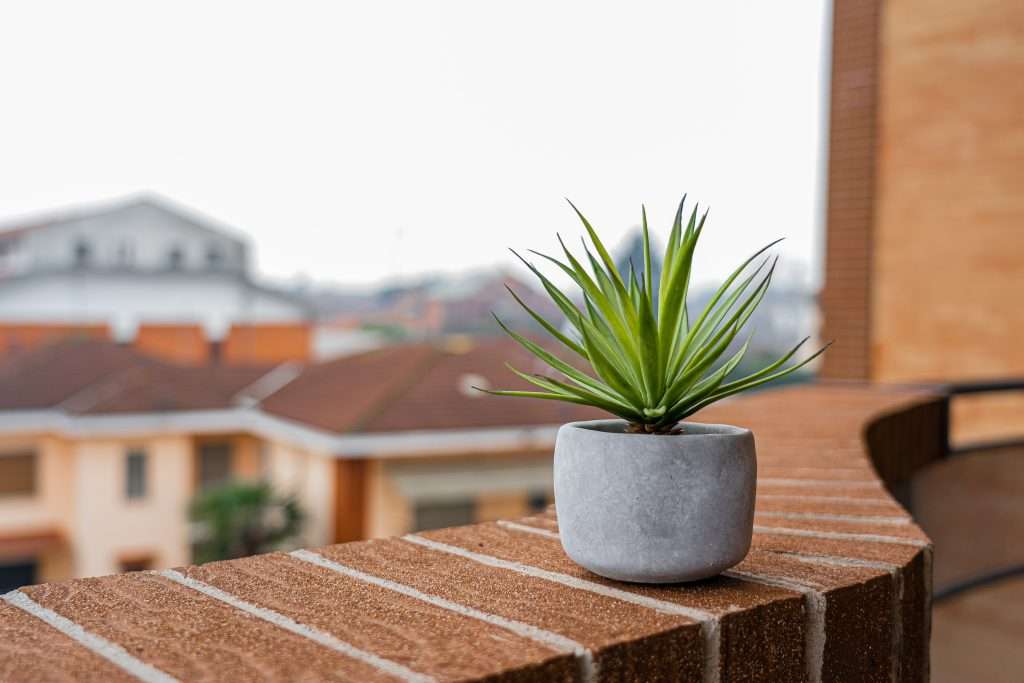
Before selecting plants, it’s important to consider the amount of sunlight your balcony receives. South and west-facing balconies get full sunlight almost all day long, while north-facing balconies or those shaded by other buildings may receive less sunlight. Choose plants that are suitable for the amount of sunlight your balcony receives.
Plants that require less water are ideal for balcony gardens. When designing your landscape for water efficiency, be sure to choose plants that are defined as low water use or drought tolerant for your area. These plant species will be able to survive in your climate with minimal, if any, need for supplemental watering.
Choose plants that complement each other in terms of color, texture, and growth habits. This will help create a visually appealing balcony garden. For example, you can pair tall plants with trailing plants to create a layered effect.
When selecting plants, it’s important to consider the size of your balcony. If you have a small balcony, choose plants that are compact and don’t take up too much space. If you have a larger balcony, you can choose larger plants or even create a vertical garden.
Here are ten plants that are ideal for balcony gardens:
| Plant Name | Type | Sun Exposure | Water Needs | Height | Suitable for Large Pots |
|---|---|---|---|---|---|
| Lavender | Perennial | Full Sun | Low | 1-3 ft | Yes |
| Sage | Perennial | Full Sun | Low | 1-3 ft | Yes |
| Thyme | Perennial | Full Sun | Low | 6-12 in | Yes |
| Rosemary | Perennial | Full Sun | Low | 2-6 ft | Yes |
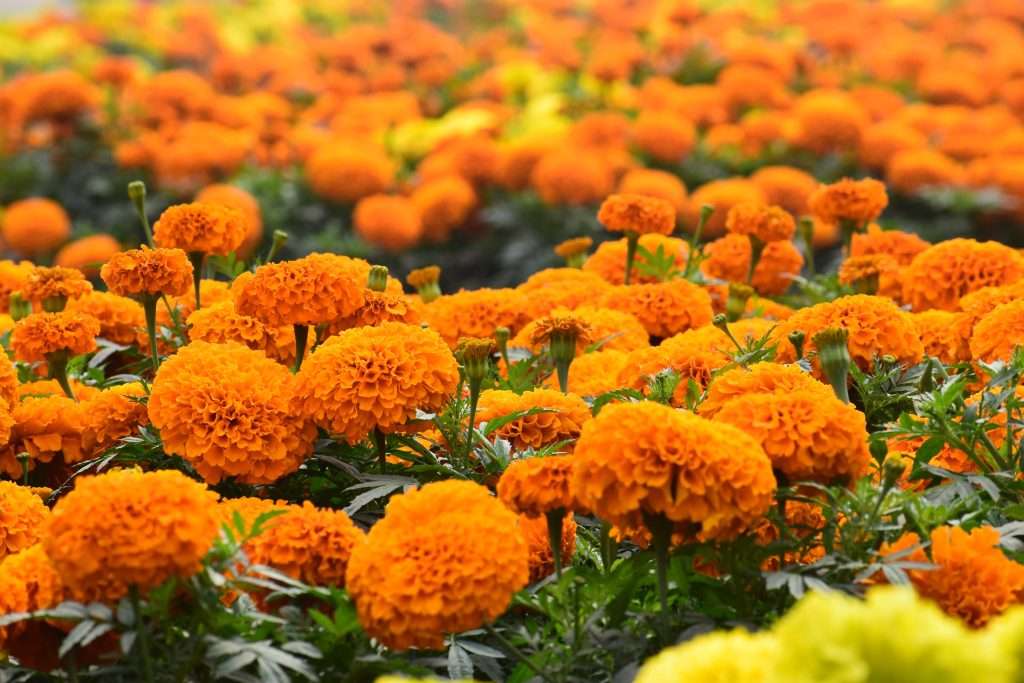
| Marigold | Annual | Full Sun | Low | 6-24 in | Yes |
| Petunia | Annual | Full Sun | Low | 6-24 in | Yes |
| Zinnia | Annual | Full Sun | Low | 6-40 in | Yes |
| Succulents | Various | Full Sun to Part Shade | Low | Varies | Yes |
| Spider Plant | Perennial | Part Shade | Low | 12-18 in | Yes |
| Snake Plant | Perennial | Part Shade | Low | 1-4 ft | Yes |
By following these tips and choosing the right plants, you can create a beautiful balcony garden that conserves water and adds greenery and flowers to your outdoor space.
If you’re looking to create a balcony garden that conserves water, there are plenty of plant options to choose from. Here are ten plants that are drought-tolerant and can thrive with minimal watering:
Succulents are some of the most water-efficient plants you can grow on your balcony. They store water in their leaves, which means they can go for long periods without being watered. Some popular succulent options include cacti, aloe vera, and jade plants.
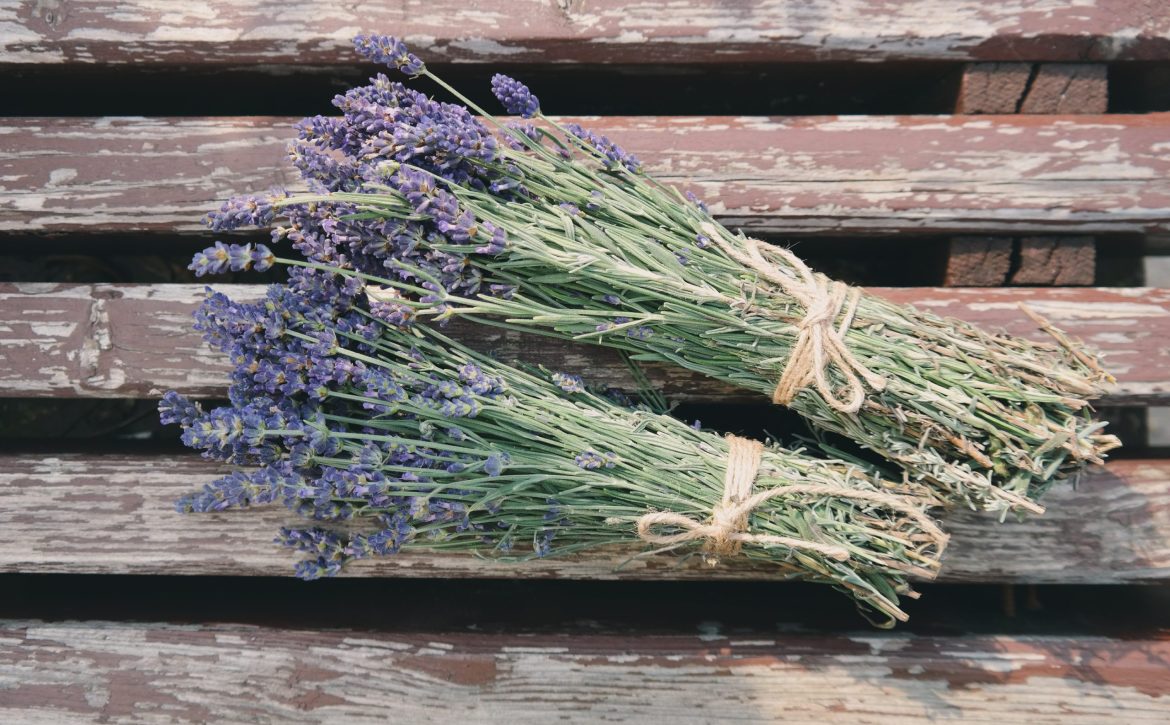
Lavender is a beautiful and fragrant plant that is also drought-tolerant. It prefers well-draining soil and can thrive in hot, dry conditions. Plus, its purple flowers attract pollinators like bees and butterflies.
Rosemary is a hardy herb that is great for water conservation. It prefers well-draining soil and can tolerate dry conditions. Plus, it’s a versatile herb that can be used in cooking and has a pleasant aroma.
Geraniums are a popular balcony plant that can thrive in hot, dry conditions. They come in a variety of colors and are easy to care for. Just make sure to water them deeply when you do water them, as they prefer to dry out between waterings.
Petunias are a colorful and low-maintenance option for a water-efficient balcony garden. They can tolerate dry conditions and come in a variety of colors. Plus, they attract pollinators like bees and hummingbirds.
Zinnias are another colorful option for a drought-tolerant balcony garden. They prefer well-draining soil and can tolerate heat and dry conditions. Plus, they attract pollinators like butterflies and bees.
Fuchsias are a beautiful and unique option for a water-efficient balcony garden. They prefer well-draining soil and can tolerate dry conditions. Plus, their vibrant colors and unique shape make them a standout plant.
Hydrangeas are a great option for a balcony garden that gets some shade. They prefer well-draining soil and can tolerate dry conditions, but they do need regular watering to thrive. Plus, their large, colorful blooms make a statement.
Caladiums are a colorful and low-maintenance option for a water-efficient balcony garden. They prefer well-draining soil and can tolerate dry conditions, but they do need regular watering to thrive. Plus, their unique, heart-shaped leaves add visual interest.
Sweet alyssum is a low-growing plant that is perfect for filling in gaps in a water-efficient balcony garden. It prefers well-draining soil and can tolerate dry conditions. Plus, its delicate flowers add a touch of sweetness to your balcony space.
In summary, there are plenty of plant options for a water-efficient balcony garden. By choosing drought-tolerant plants like succulents, lavender, and rosemary, you can create a beautiful and sustainable outdoor space. Just make sure to water deeply and infrequently, and choose well-draining soil to ensure your plants thrive.
Maintaining a water-conserving balcony garden can be a challenge, but with the right plants and techniques, you can have a thriving garden while also conserving water. Here are some tips to help you maintain a water-conserving balcony garden:
Watering plants correctly is essential for a water-conserving balcony garden. Here are some tips:
Using the right soil is important for a water-conserving balcony garden. Here are some tips:
Fertilizing plants appropriately is important for a water-conserving balcony garden. Here are some tips:
Pruning and deadheading regularly are important for a water-conserving balcony garden. Here are some tips:
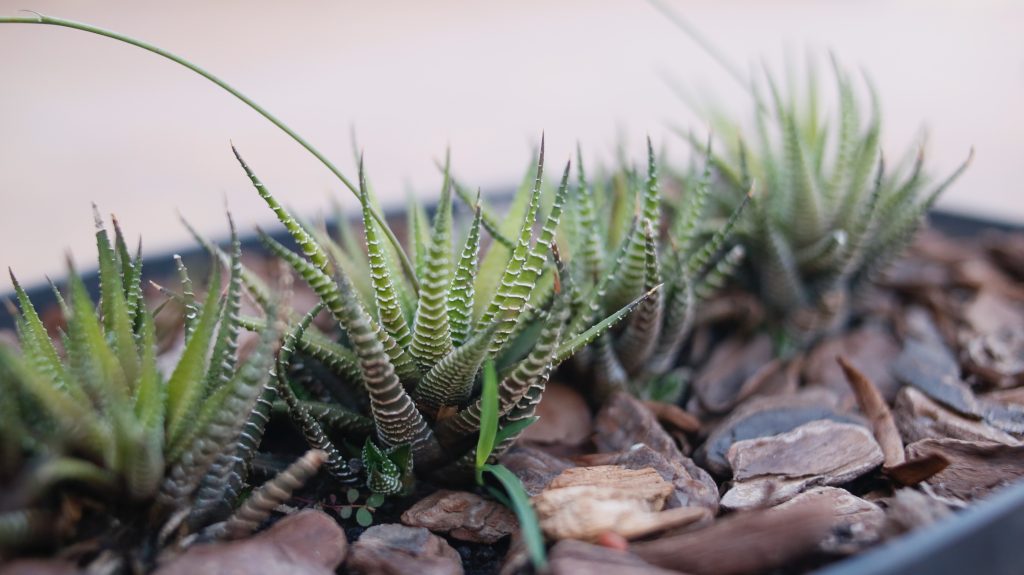
Protecting plants from burn is important for a water-conserving balcony garden. Here are some tips:
Here are 10 plants that are well-suited for a water-conserving balcony garden:
| Plant | Water Needs | Sun Exposure | Soil Type |
|---|---|---|---|
| Succulents | Low | Full sun to partial shade | Well-draining soil |
| Lavender | Low | Full sun | Well-draining soil |
| Rosemary | Low | Full sun | Well-draining soil |
| Sage | Low | Full sun | Well-draining soil |
| Thyme | Low | Full sun | Well-draining soil |
| Mint | Medium | Partial shade | Moist soil |
| Basil | Medium | Full sun | Moist soil |
| Cilantro | Medium | Partial shade | Moist soil |
| Chives | Medium | Full sun to partial shade | Moist soil |
| Parsley | Medium | Partial shade | Moist soil |
Choose plants that suit your balcony’s conditions and your preferences. With these tips and plants, you can have a beautiful and water-conserving balcony garden.
For further reading, check out our article: Get Growing with the Kratky Method of Hydroponics!







 welcome@balconygardenparadise.com