Creating a Stunning Balcony Garden with Japanese Maples
Learn how to create a stunning balcony garden with Japanese maples. Discover the best tips and tricks for growing these beautiful trees in containers.

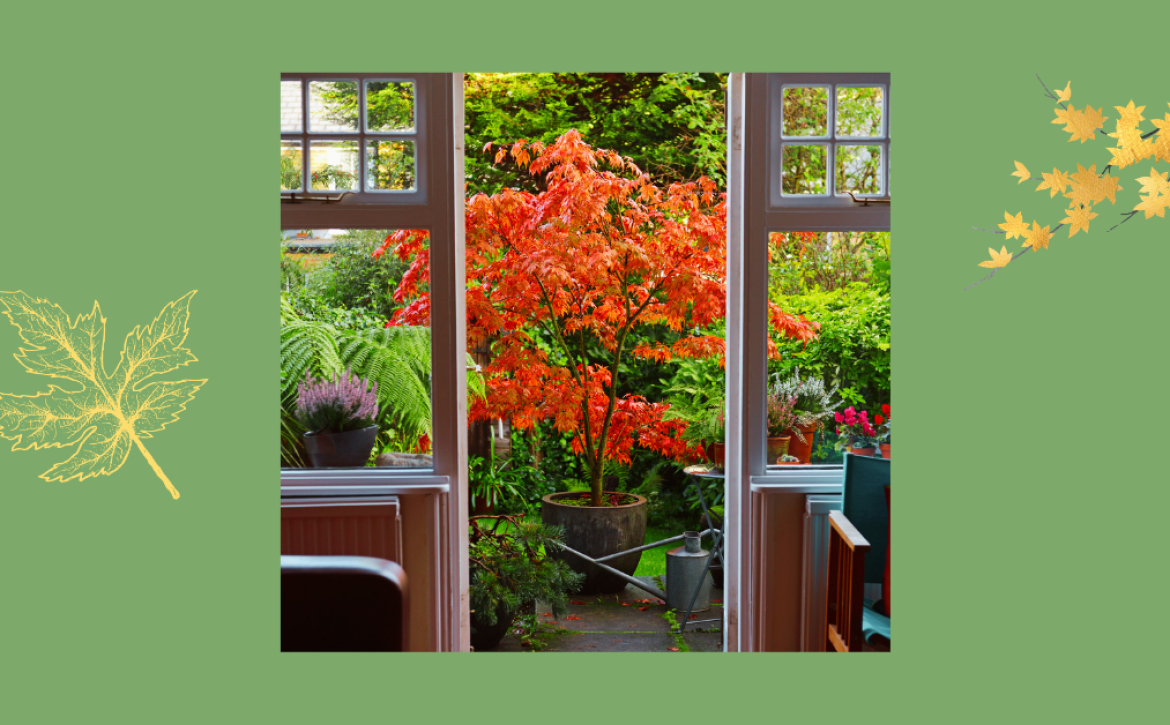
Learn how to create a stunning balcony garden with Japanese maples. Discover the best tips and tricks for growing these beautiful trees in containers.
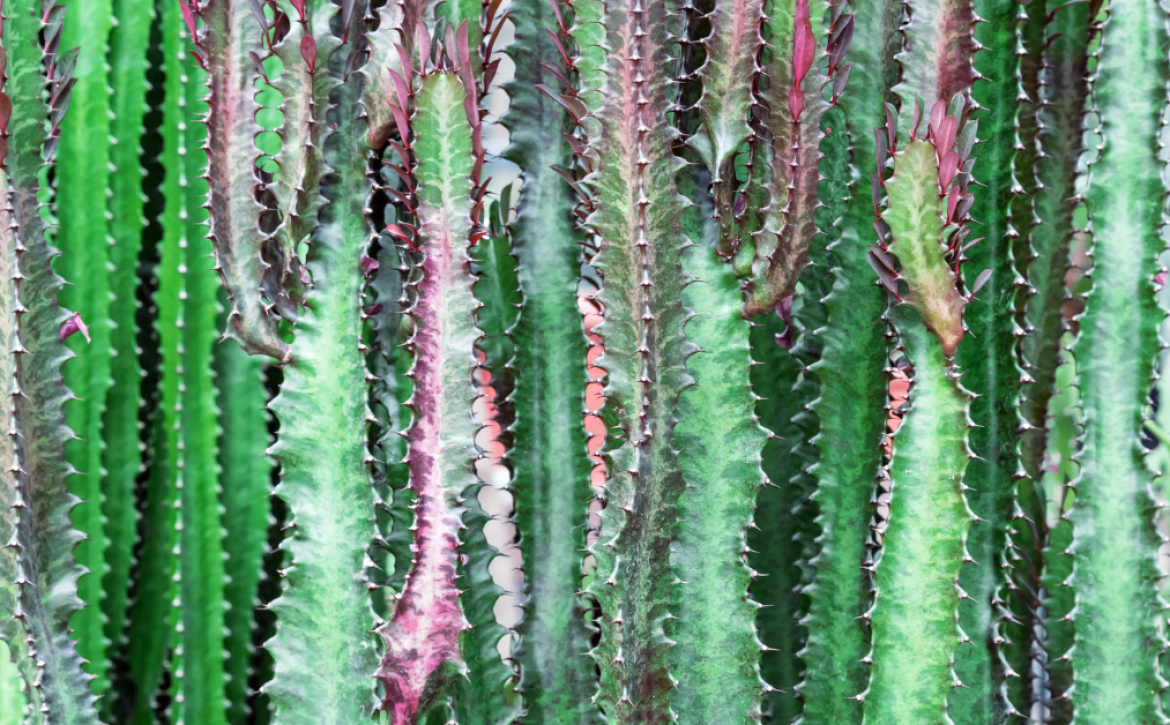
Learn how to grow and care for the African Milk Tree, a beautiful and easy-to-maintain houseplant. Our tips and tricks will help you keep your plant healthy and thriving.
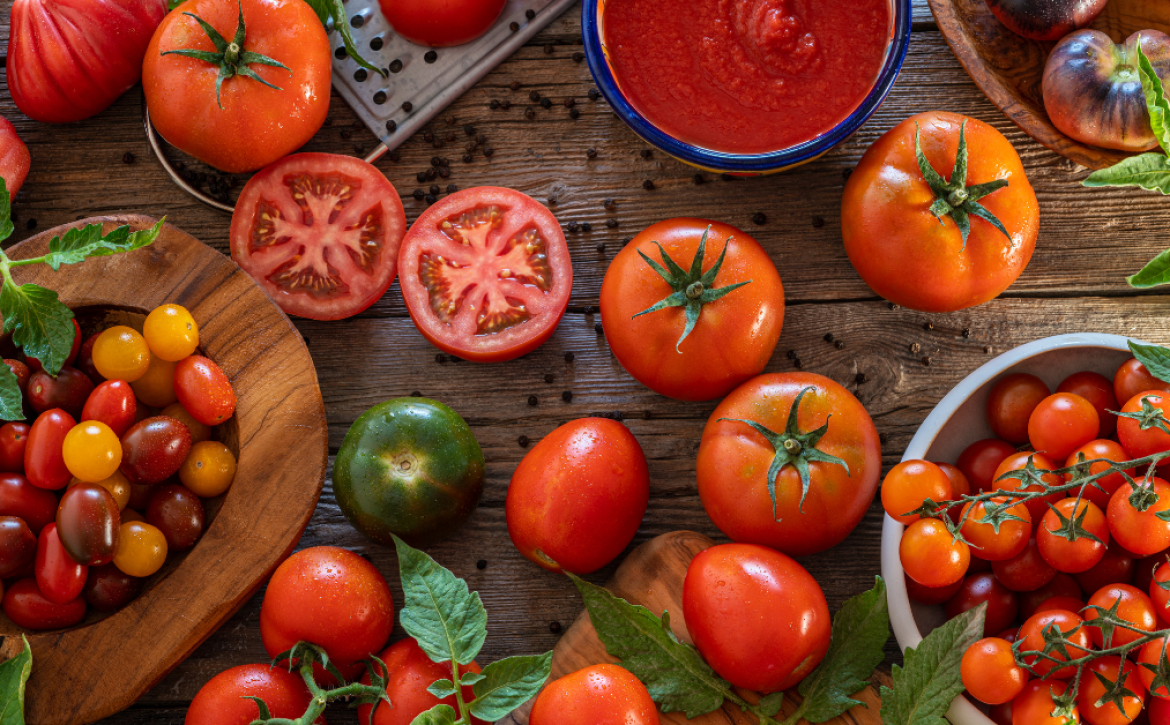
Growing tomatoes in your balcony garden is a great way to add some greenery and visual interest. Not only do they add a pop of color to your space, but they’re also easy to grow and care for. With the right preparation and care, you can enjoy a bountiful harvest of juicy, ripe tomatoes all summer long. You can even incorporate tomatoes in a green wall: “Types of Vertical Gardens: Creating a Stunning Green Wall“.

One of the biggest benefits of growing tomatoes on your balcony is that you can control the growing environment. You can choose the right type of soil, fertilizer, and watering schedule to ensure your plants thrive. Plus, you don’t need a lot of space to get started – even a small balcony can accommodate a few tomato plants.
To get started, it’s important to choose the right tomato varieties for your balcony garden. You’ll want to select varieties that are well-suited to growing in containers and that produce a high yield. With the right preparation and care, you’ll be able to enjoy delicious, homegrown tomatoes all season long.
Growing tomatoes in your balcony garden has many benefits. Here are some reasons why you should consider growing tomatoes in your balcony garden:
In summary, growing tomatoes in your balcony garden is a cost-effective, sustainable, and nutritious way to enjoy fresh produce at home. With minimal effort and space, you can enjoy the benefits of homegrown tomatoes and add fresh flavor to your meals.
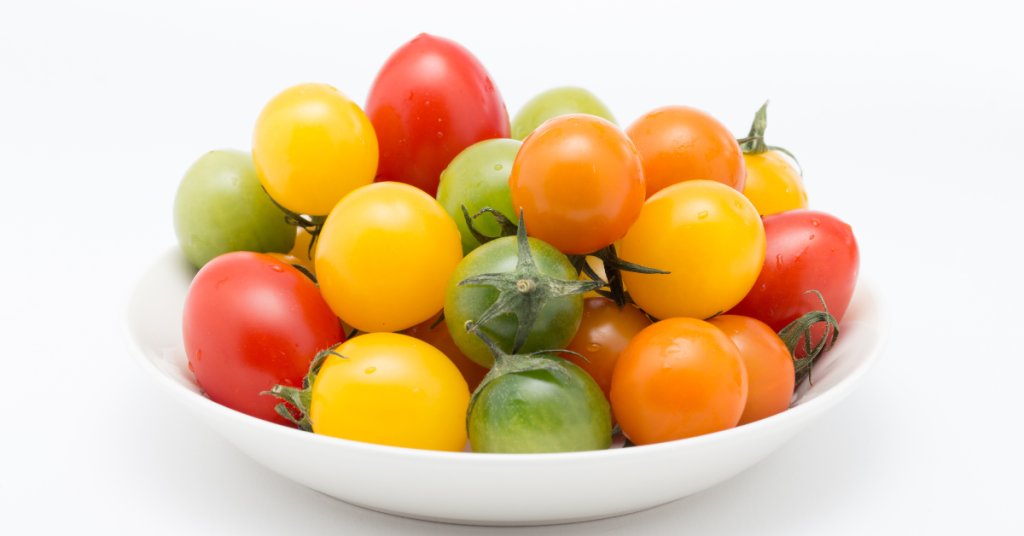
When it comes to choosing the right tomato varieties for your balcony garden, there are a few things to consider. The right variety can make all the difference in terms of yield, taste, and ease of care. Here are some factors to keep in mind:
First, consider the size of the tomato plant you want to grow. For balcony gardens, it’s best to choose varieties that are compact and don’t grow too tall. Determinate varieties are a good choice since they have a more bush-like growth habit and produce a concentrated crop over a shorter period. Some popular determinate varieties include Roma, Celebrity, and Bush Early Girl.
Next, consider the flavor profile you’re looking for. Do you prefer a sweet, juicy tomato or a more acidic one? Some popular sweet varieties include Sungold, Sweet 100, and Cherry Gold. For a more acidic flavor, try San Marzano, Amish Paste, or Brandywine.
Disease resistance is another factor to consider when choosing tomato varieties. Some varieties are more resistant to common tomato diseases like blight and wilt, which can help ensure a healthy crop. Look for varieties labeled as disease-resistant, such as Mountain Merit, Defiant, and Iron Lady.
Finally, consider the size of the container you’ll be planting your tomatoes in. Larger varieties will need more space and a larger container to grow in. A general rule of thumb is to choose a container that’s at least 18 inches in diameter and 24 inches deep for larger varieties. Smaller varieties can do well in containers as small as 12 inches in diameter.
By considering these factors, you can choose the right tomato varieties for your balcony garden and enjoy a bountiful harvest of delicious, homegrown tomatoes.
Before you start growing tomatoes on your balcony, there are a few things you need to do to prepare your garden. Here are some tips to help you get started:
Tomatoes require a lot of space to grow, so it’s important to choose the right container. A 5-7 gallon container is recommended at a minimum, but you can go bigger if you have the space. Make sure your container has drainage holes to prevent water from building up and drowning your plants.
Tomatoes need well-draining soil that is rich in nutrients. You can buy pre-mixed potting soil or make your own by mixing equal parts of compost, peat moss, and vermiculite. Avoid using garden soil, as it can contain pests and diseases that can harm your plants.
Tomatoes need at least 6-8 hours of sunlight per day to grow and produce fruit. Make sure your balcony receives enough sunlight, or consider using grow lights if you don’t have access to natural sunlight.
When selecting a tomato variety for your balcony garden, choose determinate varieties that don’t grow too tall and are more compact. Some good options include cherry tomatoes, patio tomatoes, and bush tomatoes.
Tomatoes need consistent moisture to grow and produce fruit. Water your plants regularly, making sure the soil stays moist but not waterlogged. Consider using a self-watering container or drip irrigation system to make watering easier.
By following these tips, you’ll be well on your way to growing delicious tomatoes on your balcony. With a little bit of care and attention, you can enjoy fresh, homegrown tomatoes all season long!
Tomatoes are a popular choice for balcony gardens as they are easy to grow and produce a bountiful harvest. However, to ensure that your tomato plants thrive, it is important to plant and care for them correctly.
To plant your tomato plants, follow these simple steps:
Once your tomato plants are established, it is important to care for them properly to ensure a healthy harvest. Here are some tips:
By following these simple steps, you can enjoy a bountiful harvest of delicious, homegrown tomatoes from your balcony garden.
Harvesting your balcony garden tomatoes at the right time is crucial to ensure that they are sweet, juicy, and full of flavor. Here are some tips to help you harvest your tomatoes like a pro:
Once you have harvested your tomatoes, it’s important to store them properly to ensure that they stay fresh and flavorful for as long as possible. Here are some tips for storing your balcony garden tomatoes:
By following these tips, you can enjoy delicious, homegrown tomatoes from your balcony garden all season long.
Yes, cherry tomatoes can grow in pots. In fact, they are one of the best types of tomatoes to grow on a balcony because they are compact and do not require as much space as other tomato varieties. Cherry tomatoes also tend to be more disease-resistant than other types of tomatoes.
Determinate tomato plants are the best type of tomato plant for balcony gardens. They are compact and bushy, making them ideal for small spaces. Determinate tomato plants also produce their fruit all at once, which makes them easier to manage and harvest.
The size of the container you need for growing tomatoes depends on the variety of tomato you are growing. A general rule of thumb is to choose a container that is at least 18 inches in diameter and 24 inches deep for most tomato varieties. However, if you are growing a larger tomato variety, you may need a container that is even larger.
Tomatoes grown in pots require regular fertilization to thrive. A balanced fertilizer that contains equal amounts of nitrogen, phosphorus, and potassium is the best option for growing tomatoes in pots. You can also use organic fertilizers, such as compost or fish emulsion, to provide your tomato plants with the nutrients they need.
Tomato plants grown in containers require support to prevent them from toppling over as they grow. You can use a tomato cage or a stake to support your tomato plants. Make sure you install the support system when you plant the tomato seedling, so you do not disturb the roots later on.
Tomatoes grown in pots require regular watering to thrive. You should water your tomato plants deeply once or twice a week, depending on the weather conditions. Make sure the soil is moist but not waterlogged. Overwatering can lead to root rot, which can kill your tomato plants.
For some great information about a vertical tomato garden, take a look at this article, “How to Set Up a Gorgeous Vertical Tomato Garden”. (source: minnetonkaorchards.com).
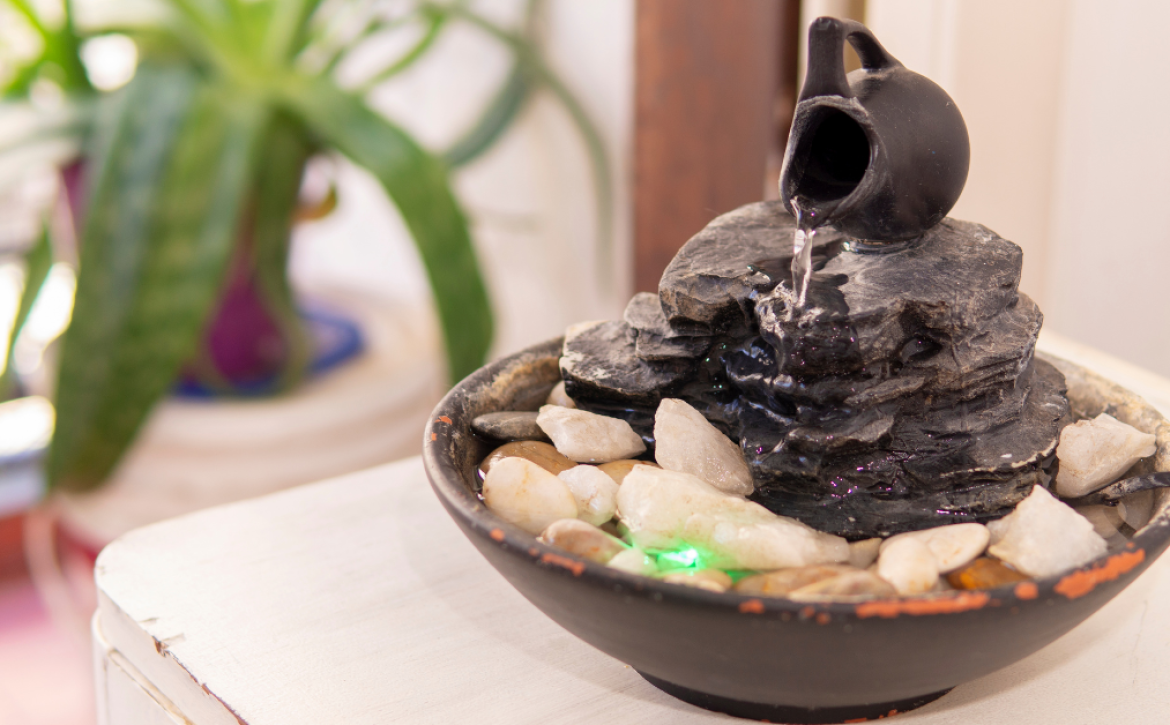
Discover how to create a calming outdoor space with a DIY zen balcony garden. Our guide will show you how to transform your balcony into a peaceful oasis, perfect for relaxation and meditation.
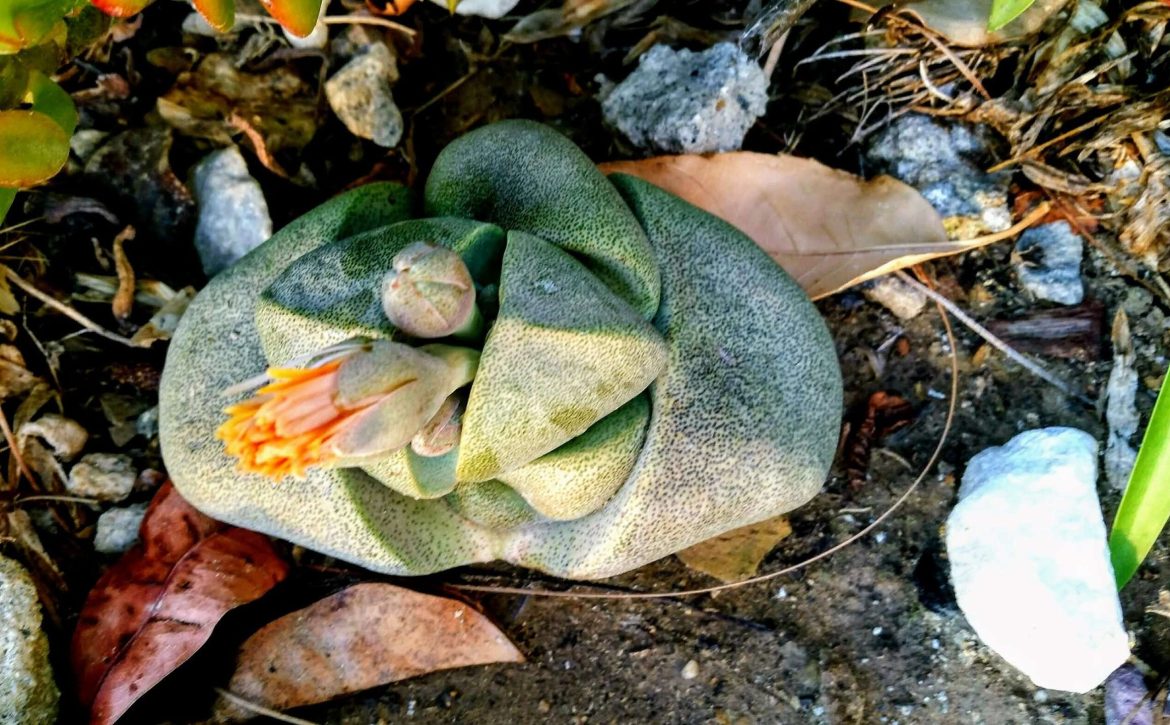
Welcome to our article about splitting a Split Rock plant. If you’re a fan of succulents, you may be familiar with the Split Rock plant, also known as Pleiospilos nelii. This unique plant is named for its distinctive appearance, which resembles a small rock that has been split in half. The Split Rock plant is a popular choice for indoor gardens and is relatively easy to care for. They do like dry, arid, and semi-arid climates best. They are good for regions 9-11 or as indoor plants with plenty of indirect sunlight. Check out the USDA Plant Hardiness Zone Map (source: planthardiness.ars.usda.gov)
Splitting your Split Rock plant involves separating the plant into two or more sections, each of which can grow into a new plant. This process is relatively simple and can be done with just a few tools. However, it’s important to take care when splitting your plant to avoid damaging the roots or causing stress to the plant. With the right technique and a little bit of patience, you can split your Split Rock plant and create a beautiful new addition to your collection.

If your Split Rock plant is outgrowing its current pot or you want to propagate it, splitting the plant can be a great option. Splitting your Split Rock plant involves dividing the plant into two or more sections and replanting them. Here are the steps to follow:
Before you start splitting your Split Rock plant, you need to prepare it. Here are the steps to follow:
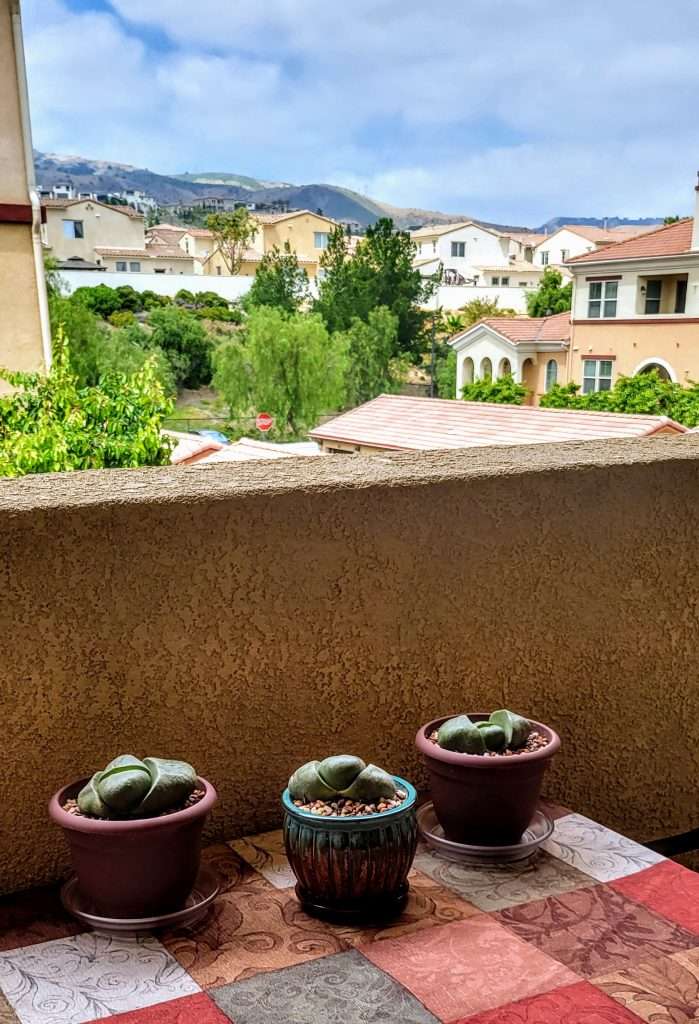
Once you have prepared the plant, it’s time to split it. Here are the steps to follow:
After you have split the plant, it’s time to replant the divisions. Here are the steps to follow:
It is generally not recommended to split a split rock plant if it is not actively growing or if it is in poor health. Splitting a plant that is not actively growing or is unhealthy can cause additional stress to the plant and may not result in successful propagation. It is also not recommended to split a split rock plant during the winter months, as this is typically a period of dormancy for the plant.
Additionally, splitting a plant that is too small may not be advisable, as it may not have enough energy reserves to support multiple plants. It is important to assess the health and growth patterns of the plant before attempting to split it. If you are unsure whether your split rock plant is ready to be split, it may be best to consult a plant care expert or horticulturist for guidance.


Splitting your Split Rock plant can be a great way to propagate the plant or keep it from outgrowing its current pot. By following these steps, you can successfully split your plant and enjoy its unique beauty in multiple locations. For more information about the Split Rock Plant, see our Article, “Split Rock Plant: The Unique and Easy-to-Care-For Succulent“. It’s truly one of our favorites!
If you’re looking to take your gardening game to the next level, investing in the best gardening supplies is a must. Whether you’re a seasoned gardener or just starting out, having the right tools and equipment can make all the difference in the success of your garden. From high-quality pruners to nutrient-rich fertilizers, the right supplies can help you achieve a lush and thriving garden.
When it comes to selecting the best gardening supplies, it’s important to consider your specific needs and goals. Are you looking to grow a vegetable garden? Or perhaps you’re interested in cultivating a beautiful flower garden? Whatever your gardening aspirations may be, there are a variety of supplies available to help you achieve your desired results. In this article, we’ll explore some of the best gardening supplies on the market, so you can make informed decisions about which products are right for you.
When it comes to gardening, having the right tools and equipment can make all the difference. In this section, we’ll explore the best gardening supplies for hand tools, power tools, watering equipment, and pest control.
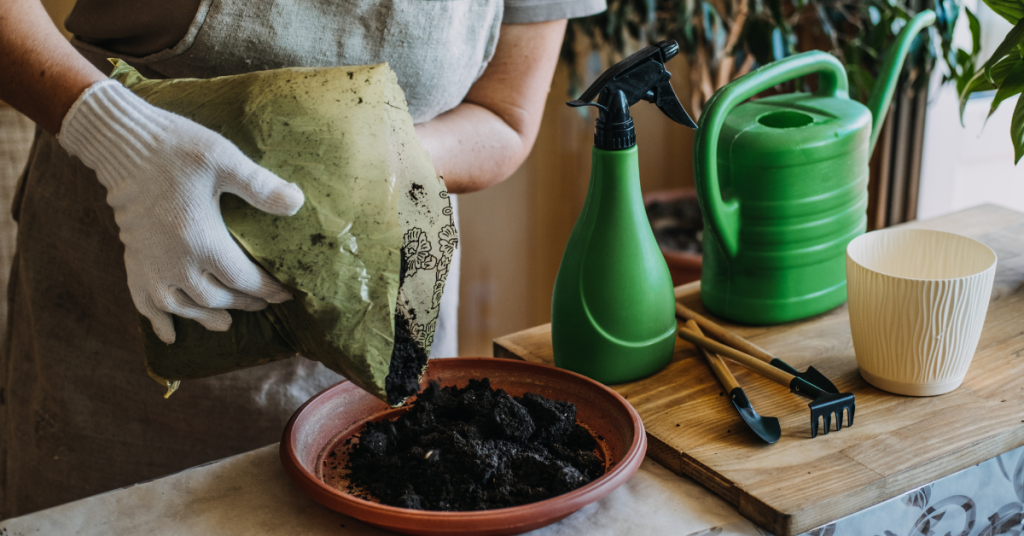
Hand tools are essential for any gardener, whether you’re planting, pruning, or weeding. Here are some of the best hand tools for your gardening needs:
Power tools can save you time and energy when it comes to your balcony gardening tasks. Here are some of the best power tools for your gardening needs:
Proper watering is essential for a healthy garden. Here are some of the best watering equipment options for your garden:
Keeping pests at bay is important for the health of your garden. Here are some of the best pest control options for your garden:
In summary, having the best gardening supplies can make all the difference when it comes to maintaining a healthy and beautiful garden. From hand tools to power tools, watering equipment, and pest control, there are plenty of options to choose from to suit your gardening needs.
When it comes to gardening, having the right soil and fertilizers is essential for growing healthy and thriving plants. In this section, we’ll cover the best gardening supplies for soil and fertilizers, including potting soil, compost and mulch, and fertilizers.
Potting soil is a crucial component for container gardening. The right potting soil can provide the necessary nutrients and drainage for your plants to grow healthy and strong. When choosing a potting soil, look for a mix that includes peat moss, perlite, vermiculite, and compost. These ingredients will help create a well-draining soil that retains moisture.
Here are some of the best potting soils:
| Product | Key Features |
|---|---|
| PittMoss Plentiful | Peat-free blend with recycled paper for added sustainability |
| Miracle-Gro Potting Mix | Contains plant food to feed plants for up to six months |
| FoxFarm Ocean Forest Potting Soil | Contains earthworm castings, bat guano, and sea-going fish and crab meal for added nutrients |
Compost and mulch are natural fertilizers that can help improve soil structure, retain moisture, and reduce weed growth. Compost is made from decomposed organic matter, while mulch is made from shredded leaves, bark, or straw.
Here are some of the best compost and mulch options:
Fertilizers provide plants with the necessary nutrients to grow and thrive. When choosing a fertilizer, look for one that contains nitrogen, phosphorus, and potassium (NPK). The NPK ratio will vary depending on the type of plants you are growing.
Here are some of the best fertilizers:
| Product | Key Features |
|---|---|
| Espoma Organic All-Purpose Fertilizer | Contains a blend of organic materials and inorganic minerals |
| Jobe’s Organics Vegetable & Tomato Fertilizer | Contains beneficial microbes and is safe for pets and children |
| Dr. Earth Organic 5 Tomato, Vegetable & Herb Fertilizer | Contains a blend of fish bone meal, kelp meal, and alfalfa meal for added nutrients |
By using the best gardening supplies for soil and fertilizers, you can ensure that your plants have the necessary nutrients and growing conditions to thrive.
When it comes to gardening, starting with the right seeds or plants is crucial. Here are the best gardening supplies for seeds and plants.
Growing your own vegetables is a rewarding and healthy experience. Some of the best places to buy vegetable seeds online include Eden Brothers, Botanical Interests, and Baker Creek Heirloom Seeds. These companies offer a wide selection of non-GMO and heirloom seeds that are perfect for home gardens.
When choosing vegetable seeds, consider factors such as your climate, soil type, and the amount of sunlight your garden receives. Some popular vegetable seeds to consider include tomatoes, peppers, cucumbers, and lettuce.
Adding some color and beauty to your garden is easy with flower seeds. Some of the best places to buy flower seeds online include Burpee, Johnny’s Selected Seeds, and American Meadows. These companies offer a wide selection of flower seeds that are perfect for home gardens.
When choosing flower seeds, consider factors such as your climate, soil type, and the amount of sunlight your garden receives. Some popular flower seeds to consider include marigolds, sunflowers, zinnias, and poppies.
If you’re new to gardening or want to simplify the seed starting process, consider using a seed starting kit. Some of the best seed starting kits include the Burpee Seed Starting Kit, the Jiffy Professional Greenhouse Kit, and the AeroGarden Harvest Elite.
Seed starting kits typically come with everything you need to start your seeds indoors, including trays, soil, and a cover. They’re a great option for those who don’t have a lot of space or want to get a head start on their gardening season.
If you don’t want to start your plants from seeds, consider buying live plants instead. Some of the best places to buy live plants online include Home Depot, Lowe’s, and Amazon. These companies offer a wide selection of plants that are perfect for home gardens.
When choosing live plants, consider factors such as your climate, soil type, and the amount of sunlight your garden receives. Some popular live plants to consider include tomatoes, peppers, herbs, and flowers.
Overall, whether you choose to start your plants from seeds or buy live plants, there are plenty of options available to help you create the garden of your dreams.
If you’re looking for the best gardening supplies to grow your plants, containers and raised beds are some of the most popular options. Containers can be used for small spaces, while raised beds can provide a larger area for planting. Here are some of the best options for containers and raised beds.
Pots and planters are great for growing plants in small spaces like balconies or patios. They come in a variety of sizes, materials, and designs. Here are some of the best options for pots and planters:
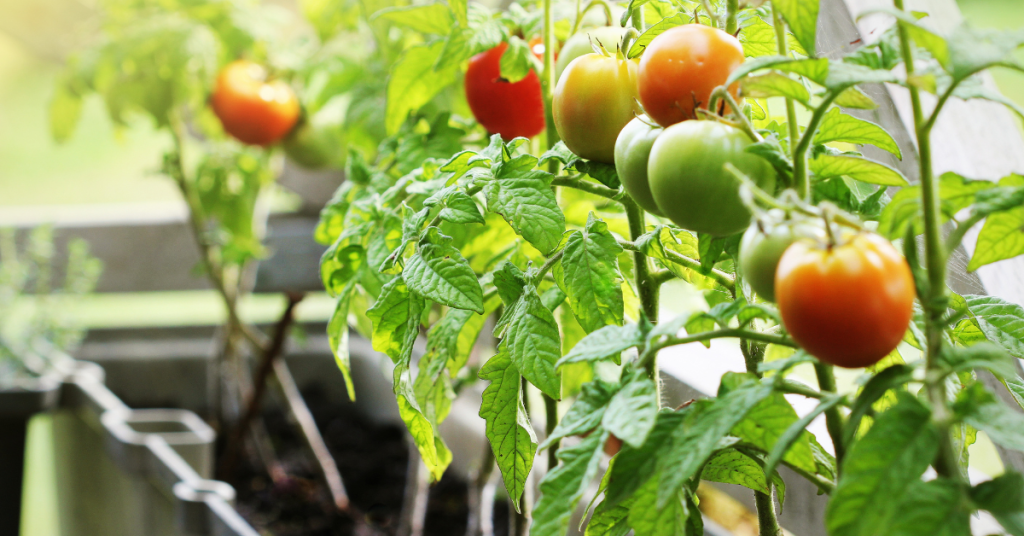
Window boxes are a great way to add some greenery to your windowsill or balcony railing. They come in a variety of materials like wood, metal, or plastic. Here are some of the best options for window boxes:
When it comes to gardening, having the right accessories and decor can make all the difference. Not only can they add to the aesthetic appeal of your garden, but they can also make your gardening experience more enjoyable and efficient. Here are some of the best gardening supplies in the accessories and decor category.
Adding some decor to your garden can really make it stand out. From garden statues to solar lights, there are plenty of options to choose from. Here are a few of the best:
Gardening can be a messy business, so having the right clothing and accessories can make a big difference. Here are some of the best gardening supplies in this category:
Whether you’re a seasoned gardener or just starting out, there’s always more to learn. Gardening books and magazines can provide valuable information and inspiration. Here are a few of the best:
With these gardening accessories and decor, you can take your garden to the next level. Whether you’re looking to add some personality to your garden or make your gardening experience more comfortable, these best gardening supplies are sure to help. Refer to this article, “10 Things to Consider When Balcony Gardening” for more balcony gardening information. (source: almanac.com)
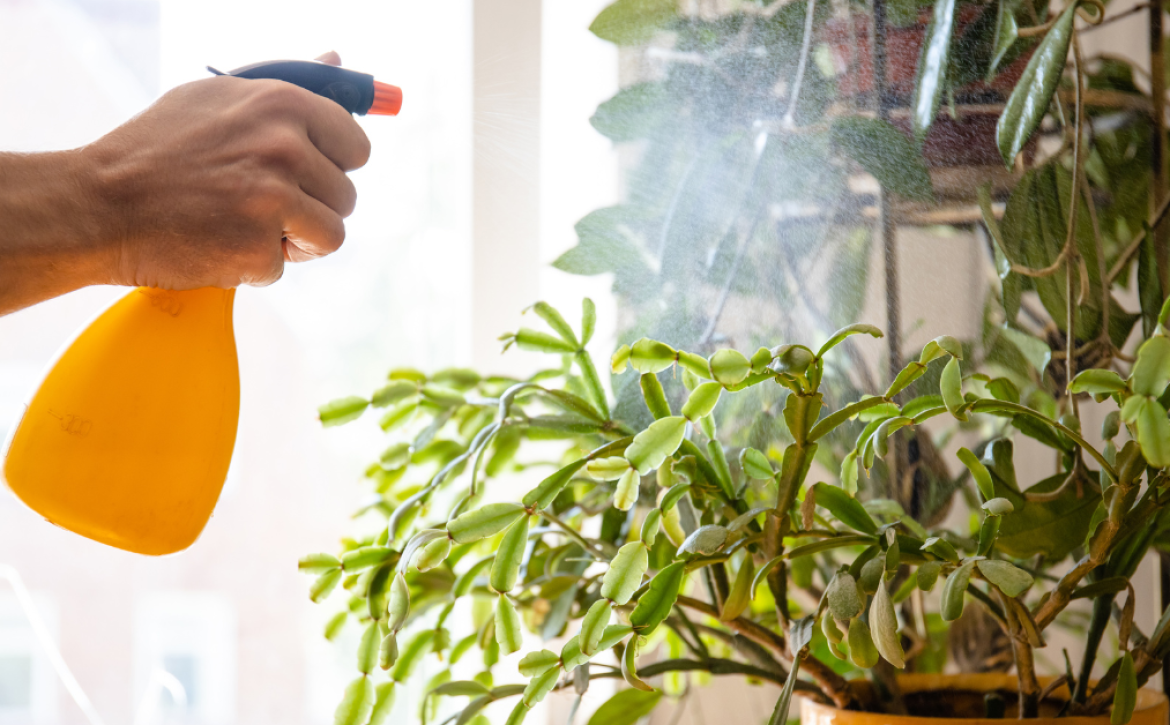
If you’re looking for a natural and cost-effective way to maintain your balcony garden, using vinegar might be the solution you’re looking for. Vinegar has many uses in gardening, from weed control to pest prevention. Incorporating vinegar into your balcony garden routine can help you keep your plants healthy and thriving. In addition, there are so many amazing ways to use vinegar around the house and home. (source: balconygardenweb.com)
One way to use vinegar in your balcony garden is by making a natural herbicide. Mix vinegar with water and a few drops of dish soap, and apply it to the base of the weeds. The acidity of the vinegar will kill the weeds without harming your plants. Another way to use vinegar is by using it as a natural pest repellent. Spray a mixture of vinegar and water onto your plants to repel pests like aphids and spider mites.

Using vinegar in your balcony garden is not only natural and cost-effective, but it’s also easy to do. With just a few simple steps, you can incorporate vinegar into your gardening routine and reap the benefits of a healthy and thriving garden. Try using vinegar in your balcony garden today and see the difference it can make.
Weeds can be a nuisance in any garden, and balcony gardens are no exception. Fortunately, vinegar can be an effective and natural way to control weeds without harming your plants. Vinegar contains acetic acid, which can dry out and kill weeds. To use vinegar as a weed killer, mix one part vinegar with one part water and spray the mixture directly on the weeds. Be careful not to spray the mixture on your plants, as vinegar can also harm them.
The pH level of your soil can affect the growth and health of your plants. If your soil is too alkaline, vinegar can help lower the pH level and make it more acidic. This can be especially beneficial for plants that prefer acidic soil, such as blueberries and azaleas. To alter the pH level of your soil, mix one cup of vinegar with one gallon of water and pour the mixture over the soil.
Pests such as ants, slugs, and snails can damage your plants and ruin your garden. Using vinegar can help repel these pests and keep them away from your plants. To use vinegar as a pest repellent, mix equal parts vinegar and water and spray the mixture around your plants. The strong smell of vinegar can deter pests and keep them from coming back.
In conclusion, using vinegar in your balcony garden can be a natural and effective way to maintain your plants and keep your garden healthy. Whether you are looking to control weeds, alter soil pH, or repel pests, vinegar can be a versatile and affordable solution. Just be sure to use it carefully and in moderation, as too much vinegar can harm your plants.
Using vinegar in your balcony garden can be a natural and effective way to control weeds, pests, and fungus. However, it is important to use it correctly to avoid damaging your plants. In this section, we will discuss how to use vinegar in your balcony garden, including preparing the vinegar solution, applying the vinegar solution, and avoiding overuse.
To prepare the vinegar solution, you will need white vinegar, water, and a spray bottle. Mix one part vinegar with three parts water in the spray bottle. Shake the bottle well to ensure that the solution is thoroughly mixed.
When applying the vinegar solution, be careful not to spray it directly on your plants, as it can damage them. Instead, spray it on the soil or on the weeds, pests, or fungus that you want to control. It is best to apply the solution on a sunny day, as the sun will help to dry out the solution faster.
While vinegar can be an effective natural solution, it is important to avoid overusing it. Using too much vinegar can damage your plants and soil. It is recommended to use vinegar only on weeds, pests, and fungus, and to avoid using it on healthy plants. Additionally, it is best to use vinegar sparingly, and to monitor your plants for any signs of damage.
In summary, using vinegar in your balcony garden can be a natural and effective way to control weeds, pests, and fungus. To use it correctly, prepare the vinegar solution by mixing one part vinegar with three parts water, apply it carefully to avoid damaging your plants, and avoid overusing it to prevent damage to your plants and soil.
White vinegar is a popular choice for gardeners because it’s inexpensive and readily available. It can be used to kill weeds, deter pests, and even clean your gardening tools. To use white vinegar in your balcony garden, simply mix one part vinegar with two parts water and spray it on your plants. Be careful not to use too much vinegar, as it can damage your plants if used in excess.
Apple cider vinegar is another great option for your balcony garden. It’s a natural fungicide and can help prevent fungal diseases from affecting your plants. To use apple cider vinegar in your garden, mix one tablespoon of vinegar with one gallon of water and spray it on your plants. You can also add a few drops of dish soap to help the mixture stick to your plants.
Balsamic vinegar is a flavorful addition to your balcony garden. It can be used as a natural fertilizer and can help improve the soil quality in your garden. To use balsamic vinegar in your garden, mix one tablespoon of vinegar with one gallon of water and use it to water your plants. You can also use balsamic vinegar as a natural insect repellent by mixing it with water and spraying it on your plants.
Overall, using vinegar in your balcony garden can be a great way to keep your plants healthy and thriving. By using the right type of vinegar and following the proper instructions, you can enjoy a beautiful and productive garden without breaking the bank.
When using vinegar in your balcony garden, it is important to take some precautions to ensure your safety and the safety of your plants, children, and pets. Here are some tips to help you use vinegar safely:
When handling vinegar, it is important to avoid contact with your skin and eyes. Vinegar is acidic and can cause irritation or burns. Always wear gloves and protective eyewear when handling vinegar. If vinegar comes into contact with your skin or eyes, rinse immediately with plenty of water.
Vinegar is generally safe to use around children and pets, but it is important to take some precautions. Keep vinegar out of reach of children and pets. If you are using vinegar as a herbicide, make sure to keep your children and pets away from the treated area until the vinegar has dried.
While vinegar can be an effective herbicide, it can also damage your plants if used improperly. Avoid spraying vinegar directly on your plants, as it can burn the leaves and stems. Instead, apply vinegar to the base of the weeds or use a sponge or brush to apply vinegar directly to the leaves of the weeds.
When using vinegar in your balcony garden, it is also important to dilute it properly. Using undiluted vinegar can damage your plants and soil. Mix one part vinegar with three parts water to create a safe and effective herbicide.
Using vinegar in your balcony garden can be a safe and effective way to control weeds and pests, but as stated, it is important to take some precautions to ensure your safety and the safety of your plants, children, and pets. Always wear gloves and protective eyewear, keep vinegar out of reach of children and pets, and avoid spraying vinegar directly on your plants. Dilute vinegar properly to avoid damage to your plants and soil. And for information about choosing plants for your balcony garden, please read our article, “Best Eco-Friendly Garden Plants for Your Balcony“.
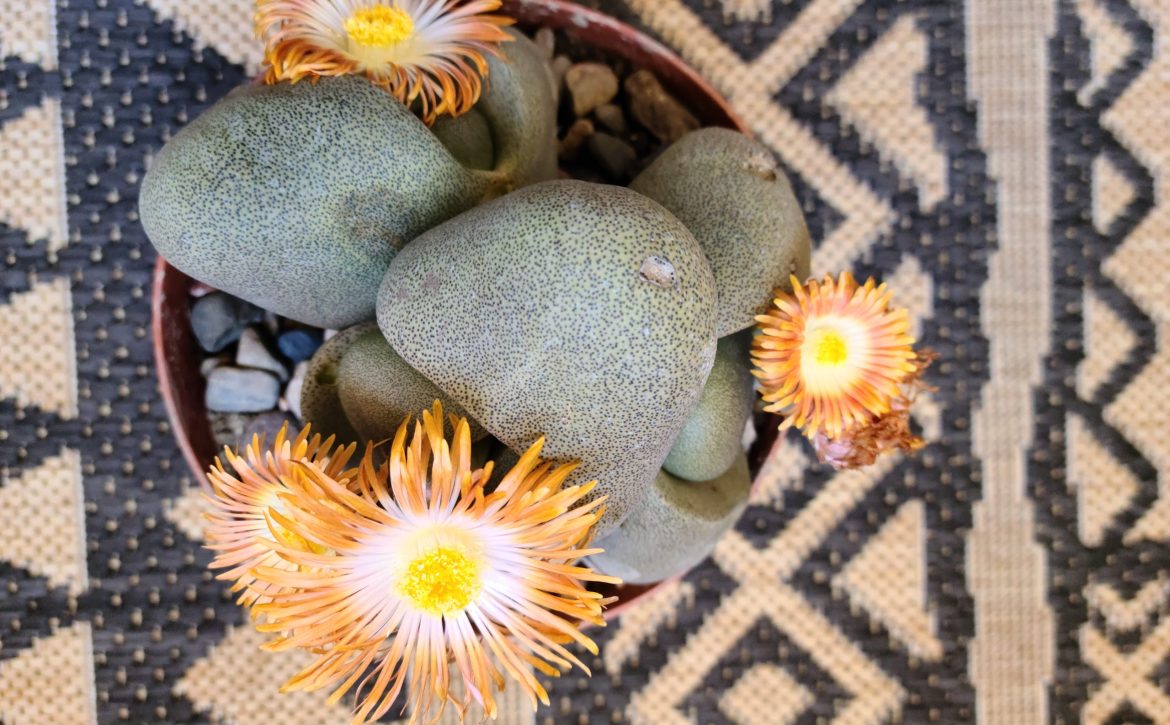
We thought it might be fun to create a focus post every week on one specific balcony garden plant. As with all of our articles, remember to think about conditions on your balcony or patio as well as verify whether it’s a good choice if you have a family pet friend. So, on to our first feature plant, the loveable Split Rock.
The Split rock plant, also known as Pleiospilos nelii, is a unique succulent native to South Africa. This plant is characterized by its gray-green stone-like leaves separated by a cleft down the center, giving it the appearance of a split rock. Split rocks are relatively small, growing only a few inches in height, making them perfect for indoor gardening.
If you’re looking for a low-maintenance plant that is both visually striking and easy to care for, this plant is an excellent choice. These plants require minimal watering and can thrive in bright, indirect light. With proper care, split rock plants can produce beautiful yellow or white flowers that bloom in the summer months.
Whether you’re a seasoned gardener or a beginner, the split rock is a fascinating addition to any collection. In this article, we will explore everything you need to know about growing and caring for split rock plants, from their unique characteristics to their preferred growing conditions. So let’s dive in and discover the world of split rock plants together. If you have a chance, check out this video by “Sucs for You!” (source: youtube.com) for a brief overview.

Here at Balcony Garden Paradise, we are very fond of this unique and fascinating plant. In this section, we’ll provide an overview of this plant, including its description, habitat and range, and uses.
The split rock plant, also known as Pleiospilos nelii, is a small succulent that is native to South Africa. It is a perennial plant that has two to four gray-green leaves that are separated by a cleft down the center. The leaves are thick and fleshy, and have a stone-like appearance, which gives the plant its common name.
Split Rocks produce spectacular flowers that have a coconutty smell. The flowers are yellow or white, and they bloom in the fall or spring. The plant is easy to care for and can be a great addition to any succulent collection.
The split rock plant is native to South Africa and thrives in arid and semi-arid environments. It prefers bright, unmodified light and can be cultivated outdoors in warmer climates, in USDA regions 9-11.
The split rock plant is primarily grown as an ornamental plant. It is a popular choice among succulent enthusiasts due to its unique appearance and low maintenance requirements. The plant can be grown in pots or in rock gardens, and it can be used to create interesting and eye-catching displays.
In addition to its ornamental uses, this unique plant has some medicinal properties. It has been used in traditional medicine to treat a variety of ailments, including fever, headaches, and stomach problems. However, more research is needed to determine the effectiveness of these treatments.
The Split Rock is a fascinating succulent that can be a great addition to any collection. With its low maintenance requirements and interesting appearance, it is a great choice for both beginner and experienced succulent growers.
The split rock plant can be propagated through seeds or by division. To propagate through seeds, collect the seeds from the plant after the flowering season. Soak the seeds in water for 24 hours before planting them in sandy soil. Keep the soil damp but not too wet until the seeds germinate.
To propagate through division, wait until the plant has produced offsets. Carefully remove the offsets and plant them in sandy soil. Water the offsets sparingly until they have established roots.
Split rock plants prefer bright, unmodified light and dry, arid, and semi-arid climates. They thrive in the spring and autumn seasons and detest cold weather. When cultivated outdoors, split rock plants perform best in warmer climates (in 9-11 USDA regions).
When dealing with a split rock plant, it is recommended to use a soil mix consisting of 1 part peat moss to 1 part loam to 2 parts coarse sand with small pebbles added to ensure good drainage. Very little water is needed during the growing season, and you do not fertilize the plants. Make sure NOT to water on the plant itself. Water directly in the soil.
Split rock plants are generally pest and disease-free. However, they can be susceptible to mealybugs and spider mites. To prevent infestations, inspect the plant regularly and remove any affected areas immediately.
Overwatering can cause root rot, which can be fatal for the plant. To prevent root rot, make sure the soil is well-draining and avoid watering the plant too frequently.
In conclusion, split rock plants are relatively easy to propagate and care for. By following the proper growing conditions and taking preventative measures against pests and diseases, you can enjoy the beauty of this unique succulent for years to come.
Taking care of a split rock is easy, and it only requires minimal maintenance. Here are some tips on how to keep your plant healthy and thriving.
Split rock are drought-tolerant succulents that can survive long periods without water. Therefore, it’s essential to avoid overwatering your plant, as this can lead to root rot. We recommend watering your split rock plant once a month during the growing season (spring and summer) and once every two months during the dormant season (fall and winter).
When watering your split rock plant, make sure to soak the soil thoroughly and let the excess water drain out of the pot’s bottom. Avoid getting water on the plant’s leaves or stem, as this can cause rot. We also recommend using a well-draining soil mix that allows excess water to drain away quickly.
Split rock do not require frequent fertilization, but you can give them a boost during the growing season (spring and summer) by applying a balanced, water-soluble fertilizer. We recommend diluting the fertilizer to half-strength and applying it once a month.
Avoid fertilizing your split rock plant during the dormant season (fall and winter), as this can cause the plant to grow too quickly and become weak and leggy.
Split rock plants do not require pruning, but you can remove any dead or damaged leaves or stems to keep your plant looking neat and tidy. We recommend using clean, sharp scissors or pruning shears to avoid damaging the plant.
In conclusion, taking care of a split rock plant is easy and straightforward. By following these simple tips, you can keep your plant healthy and thriving for years to come.
You should harvest a Split rock when the flowers have dried up and the seed pods have turned brown. The timing of the harvest is crucial, as harvesting too early or too late can result in poor-quality seeds. You should aim to harvest the seed pods when they have turned brown and are starting to split open. You should also make sure to harvest the seed pods before they fall off the plant.
To harvest Split Rock, carefully remove the seed pods from the plant using a pair of scissors or a sharp knife. Make sure to handle the seed pods gently to avoid damaging them. Once you have harvested the seed pods, place them in a dry, well-ventilated area to allow them to dry out completely. You should make sure to remove any debris or plant material from the seed pods before storing them.
To store Split rock seeds, you should place them in an airtight container, such as a glass jar or plastic bag. Make sure to label the container with the date of harvest and the variety of Split rock. Store the seeds in a cool, dry place, away from direct sunlight and moisture. Split rock seeds can remain viable for several years if stored properly.
Harvesting and storing Split rock seeds is a simple process that requires careful timing and handling. By following the guidelines outlined above, you can ensure that you harvest high-quality seeds that will produce healthy, vigorous plants.

In this article, we have learned that the split rock, also known as Pleiospilos Nelii, is a fascinating succulent plant native to South Africa. This plant is known for its unique appearance, with two to four gray-green stone-looking leaves separated by a cleft down the center.
We have also learned that the plant is a relatively easy plant to care for, making it an excellent choice for novice growers. It can thrive in semi-arid and arid areas, making it perfect for rock gardens or windowsill gardens.
To care for a split rock, we recommend providing it with well-draining soil, plenty of sunlight, and infrequent watering. Overwatering can be detrimental to the plant’s health, so it’s essential to allow the soil to dry out between watering sessions.
In addition, the split rock is a slow-growing plant that can take several years to reach its full size. However, once it reaches maturity, it can produce beautiful yellow or white flowers that are a sight to behold.
In summary, the split rock plant is an excellent addition to any succulent collection. Its unique appearance, easy care requirements, and beautiful flowers make it a plant that we highly recommend for both novice and experienced growers alike. To find out more about succulents and more sustainable plants, read our article “10 Best Water-Conserving Balcony Garden Plants“.

If you’re lucky enough to have a balcony garden, you have a perfect space for outdoor entertaining. Balcony gardens may be small, but they can be transformed into an intimate and cozy setting for entertaining guests. With a little creativity and planning, you can make the most of your balcony garden and host memorable gatherings with family and friends.
Whether you’re looking to host a dinner party, a cocktail hour, or a casual get-together, your balcony garden can be the perfect venue. With the right furniture, lighting, and decor, you can create a warm and inviting atmosphere that your guests will love. Plus, the fresh air and greenery will add to the ambiance and make your balcony garden feel like an oasis in the city. So, get ready to start planning your next outdoor entertaining in your balcony garden event and make the most of your outdoor space!
Before you start planning your outdoor entertaining in your balcony garden, it’s important to assess the space you have available. Here are some factors to consider:
The size and layout of your balcony garden will determine how many guests you can comfortably accommodate. Take measurements of your balcony and consider the following:
Consider the flow of your balcony garden and how guests will move around the space. You want to ensure that there is enough room for everyone to move around comfortably.
The amount of sunlight and shade your balcony garden receives will determine what types of plants you can grow and how comfortable your guests will be. Consider the following:
If your balcony garden receives a lot of direct sunlight, you may want to provide some shade for your guests. Consider using a canopy or umbrella. If your balcony garden is mostly shaded, you may want to add some lighting to create a cozy atmosphere.
The climate and weather in your area will also affect your outdoor entertaining in your balcony garden. Consider the following:
If you live in an area with a lot of rain or wind, you may want to invest in some weather-resistant furniture or add some windbreaks to your balcony garden. If you live in an area with extreme temperatures, you may want to consider adding some fans or heaters to keep your guests comfortable.
By assessing your balcony garden, you can create a comfortable and inviting space for outdoor entertaining. Consider the size and layout, the amount of sunlight and shade, and the climate and weather in your area to create the perfect space for your guests.
When it comes to outdoor entertaining in your balcony garden, designing your space is key to creating a comfortable and inviting atmosphere for your guests. Here are some tips for designing your outdoor entertaining space:
The right furniture and seating can make all the difference in creating a comfortable and functional outdoor entertaining space. Consider the size of your balcony and the number of guests you plan to host. Opt for furniture that is both stylish and practical, such as a small dining table and chairs or a cozy outdoor sofa and chairs.
If space is limited, consider multi-functional furniture such as a storage bench that doubles as seating. Additionally, choose materials that are weather-resistant and easy to clean, such as metal, wicker, or plastic.
Lighting is an essential element in creating a warm and inviting atmosphere for your outdoor entertaining space. Consider adding string lights, lanterns, or candles to create a cozy and intimate ambiance. You can also incorporate functional lighting, such as spotlights or path lights to ensure safety and visibility.
Decorations can add personality and style to your outdoor entertaining space. Consider adding potted plants, colorful throw pillows, and outdoor rugs to create a cozy and inviting atmosphere. You can also incorporate decorative elements such as wall art or hanging planters to add visual interest.
Remember to keep your decorations cohesive and in line with your overall design aesthetic. Don’t overcrowd your space with too many decorations, as this can make it feel cluttered and overwhelming.
By following these tips for designing your outdoor entertaining space, you can create a comfortable and inviting atmosphere for your guests to enjoy.
When it comes to outdoor entertaining in your balcony garden, choosing the right menu can make all the difference. You want to create a memorable experience for your guests, but you also want to keep things simple and stress-free for yourself. Here are some tips for choosing the perfect menu for your balcony garden party.

Start your party off right with some delicious appetizers and finger foods. These are perfect for snacking on while guests mingle and get settled. Consider serving a mix of sweet and savory options, like fresh fruit skewers, bruschetta, or mini quiches. You can also set out a cheese and charcuterie board with a variety of cheeses, meats, and crackers.
For the main course, keep things simple and easy to prepare. Grilling is a great option for balcony gardens, as it doesn’t take up much space and adds a fun, outdoor element to your party. Consider grilling up some burgers or kebabs, or try a grilled vegetable platter for your vegetarian guests. Another option is to order in some pizzas or sushi rolls for a fuss-free meal.
No party is complete without dessert! Keep things light and refreshing with a fruit salad or sorbet, or indulge in some sweet treats like cupcakes or brownies. You can also set up a DIY s’mores station for a fun, interactive dessert option.
Finally, don’t forget about drinks! Keep a variety of options on hand, including water, soda, beer, and wine. You can also create a signature cocktail or mocktail for your guests to enjoy. Consider serving a refreshing sangria or a fruity spritzer for a summery touch.
By following these tips, you can create a delicious and stress-free menu for your outdoor entertaining on your balcony garden. Remember to keep things simple and easy to prepare, and don’t be afraid to get creative with your menu options.
When it comes to outdoor entertaining in your balcony garden, preparation is key. Whether you’re hosting a small gathering or a big celebration, you’ll want to make sure that your space is clean, organized, and welcoming. Here are some tips to help you get started.
The first step in preparing for your outdoor event is to clean and organize your space. This includes:
By taking the time to clean and organize your balcony garden, you’ll create a welcoming and inviting space for your guests to enjoy.
When it comes to outdoor entertaining in your balcony garden, setting the table is an important part of the process. Here are some tips to help you create a beautiful and functional table setting:
By putting some thought into your table setting, you’ll create a beautiful and inviting space for your guests to gather.
Finally, don’t forget to think about music and entertainment when preparing for your outdoor event. Here are some ideas to help you create a fun and festive atmosphere:
By incorporating music and entertainment into your event, you’ll create a lively and enjoyable atmosphere for your guests to enjoy.
Overall, preparing for outdoor entertaining in your balcony garden can be a fun and rewarding experience. By following these tips and putting some thought into your preparations, you’ll create a beautiful and memorable event that your guests will love.
Hosting outdoor entertaining in your balcony garden can be a great way to enjoy the fresh air and sunshine while spending time with friends and family. Whether you’re planning a small gathering or a larger party, there are a few things to keep in mind to ensure that your event is a success.
When your guests arrive, it’s important to make them feel welcome and comfortable. Consider setting up a small table near the entrance with some snacks and drinks to help them settle in. You might also want to provide some seating options, such as chairs or cushions, to make sure everyone has a place to sit and relax.
One of the best parts of any outdoor event is the food and drinks! When planning your menu, consider dishes that are easy to prepare and serve, such as finger foods and appetizers. You might also want to set up a self-serve bar area with a variety of drinks, including water, soda, and alcoholic beverages.
To make serving and cleanup easier, consider using disposable plates, cups, and utensils. You can find eco-friendly options made from biodegradable materials that are better for the environment.

Your balcony garden can be a beautiful backdrop for your outdoor event, so make sure to show it off! Consider adding some extra decorations, such as string lights or lanterns, to create a cozy and inviting atmosphere. You might also want to provide some information about the plants and flowers in your garden to help your guests appreciate its beauty.
During the event, take some time to enjoy your balcony garden yourself. Take a stroll around the space, point out some of your favorite plants, and enjoy the fresh air and sunshine. After all, your balcony garden is the perfect place to relax and unwind with friends and family.
In conclusion, outdoor entertaining in your balcony garden can be a fun and exciting way to enjoy the outdoors while still being in the comfort of your own home. With a little planning and creativity, you can turn your small outdoor space into a welcoming and inviting area for hosting guests.
Some key takeaways to keep in mind when planning your balcony garden include:
Remember, the key to successful outdoor entertaining in your balcony garden is to make the most of your available space while still creating a comfortable and inviting atmosphere for your guests. With a little creativity and planning, you can transform your small outdoor space into a beautiful and functional area for hosting gatherings and enjoying the beauty of nature. For some additional ideas, check out these sites:
🌱🎉🌞🍹
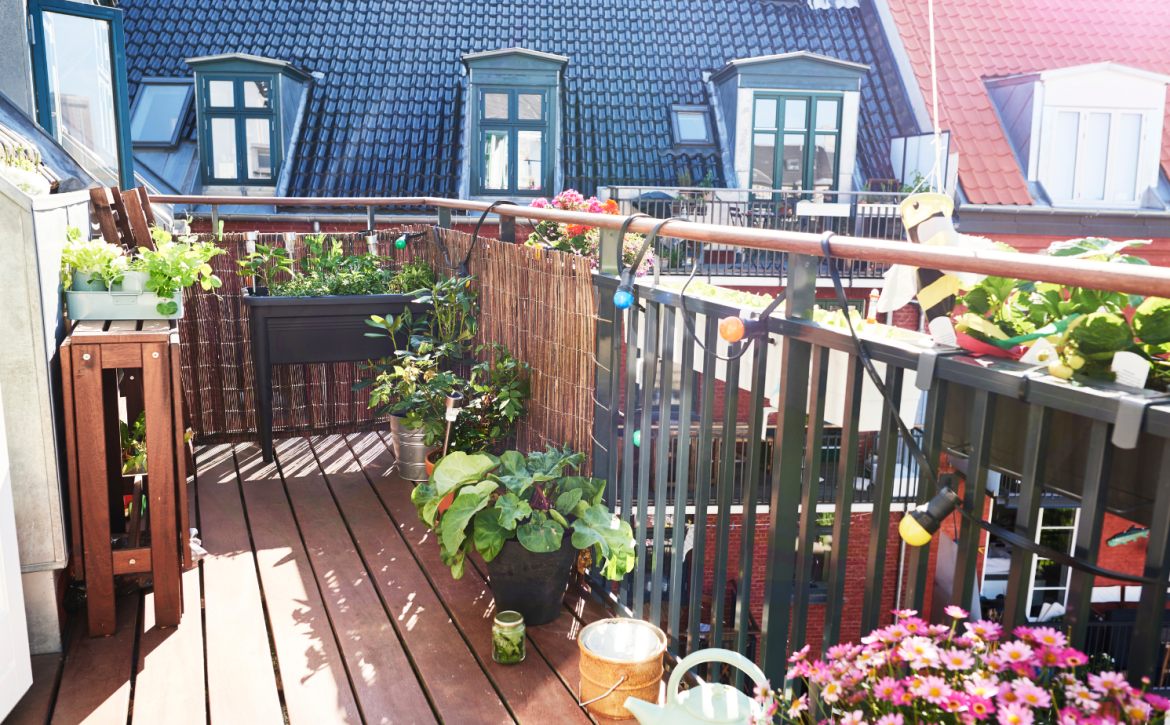
If you have a balcony, you know how valuable it is to have a little slice of outdoor space. Whether you’re in a bustling city or a quiet suburb, a balcony can be a great place to relax, entertain, and enjoy the fresh air. One way to make your balcony even more enjoyable is by adding some greenery. But with limited space and sunlight, it can be tough to know which plants will thrive. That’s why we’ve put together a list of the best plants for balconies.
When choosing plants for your balcony, there are a few things to keep in mind. First, consider the amount of sunlight your balcony gets. If it’s in full sun all day, you’ll need plants that can handle the heat and direct light. If it’s in shade for most of the day, you’ll need plants that can thrive without a lot of sun. Second, think about the amount of space you have. If your balcony is small, you’ll want to choose plants that won’t take up too much room. And finally, consider your own preferences and needs. Do you want plants that are easy to care for? Or do you want to grow your own herbs or vegetables?
With these factors in mind, we’ve compiled a list of the best plants for balconies. Whether you’re looking for something low-maintenance or something that will add a pop of color to your space, we’ve got you covered. From herbs and vegetables to flowers and succulents, there’s something for everyone on this list. So, let’s get started and find the perfect plants for your balcony!
If your balcony gets plenty of sunlight, there are many plants that can thrive in these conditions. Here are some of the best sun-loving plants to consider for your balcony:
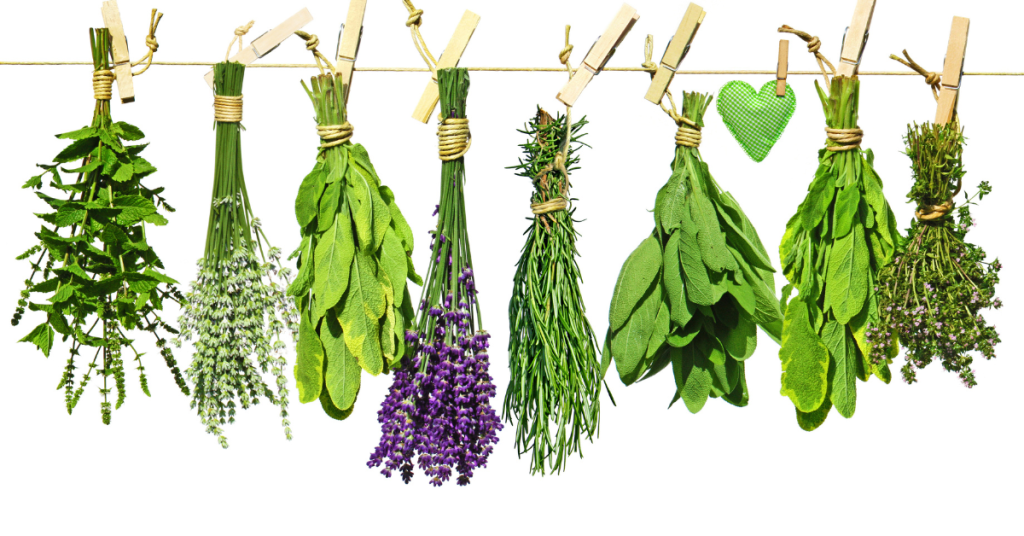
Overall, there are many great sun-loving plants to choose from when creating a balcony garden. Whether you prefer flowers, herbs, or vegetables, there are plenty of options to suit your space and your tastes.
If your balcony doesn’t get much direct sunlight, don’t worry! There are plenty of beautiful plants that thrive in the shade. Here are some of the best shade-tolerant plants for your balcony:

Ferns are a classic choice for shady balconies. They come in a variety of sizes and shapes, from delicate maidenhair ferns to large Boston ferns. They’re also easy to care for – just make sure they have enough water and don’t let them dry out completely. Ferns are great for adding texture and movement to your balcony, and they’re also known for their air-purifying qualities.
Begonias are another great choice for shady balconies. They come in a wide range of colors and textures, from the classic wax begonia with its shiny leaves and pink or white flowers, to the more exotic rex begonia with its colorful foliage. Begonias are easy to care for and can bloom all summer long with the right care. They’re also great for adding a pop of color to your balcony.
Pothos is a great choice for a low-maintenance, trailing plant on your balcony. It’s also known as devil’s ivy because it’s almost impossible to kill. Pothos can handle a range of lighting conditions, from bright indirect light to low light. It also grows quickly and can trail down the side of your balcony, adding a lush, tropical feel to your space.
When choosing shade-tolerant plants for your balcony, make sure to consider the lighting conditions and temperature. Most shade-tolerant plants prefer cooler temperatures and moist soil, so make sure to water them regularly and keep them out of direct sunlight. With the right care, these plants can thrive and add beauty to your balcony all summer long.
If you’re looking for the best plants for balconies, you’ll want to consider low-maintenance options. These plants require less attention and care, making them perfect for those with busy schedules or little gardening experience.
Succulents are a popular choice for low-maintenance plants. They come in a variety of shapes and sizes, and they’re easy to care for. Succulents store water in their leaves, which means they don’t need to be watered as often as other plants. They also prefer bright, indirect light, making them ideal for balconies.
Here are some popular succulents to consider for your balcony:
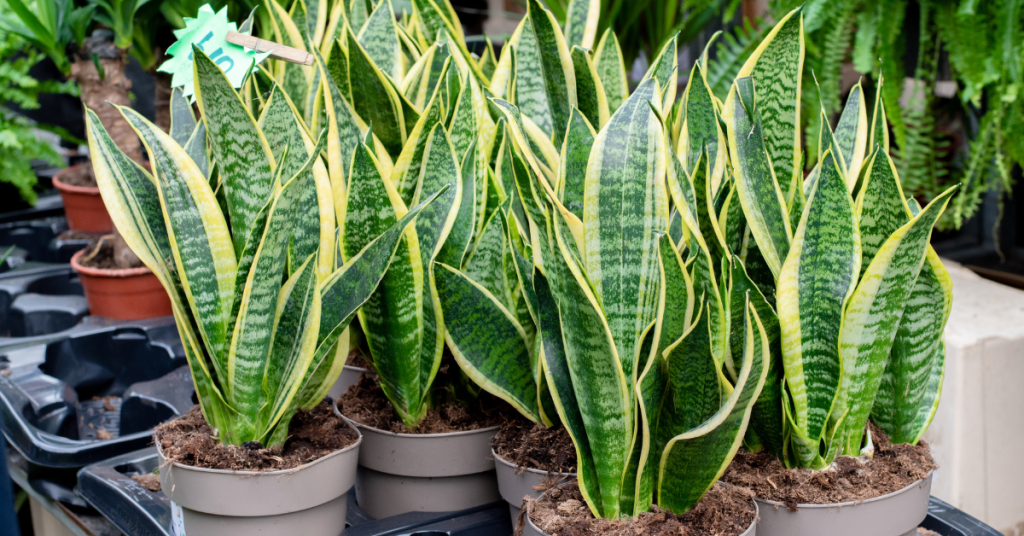
The Snake Plant, also known as Mother-in-Law’s Tongue, is another low-maintenance option for your balcony. It can tolerate a wide range of light conditions, from bright to low light, and it doesn’t need to be watered often. In fact, overwatering can harm this plant, so it’s best to let the soil dry out between waterings.
The ZZ Plant is a great choice for those who want a low-maintenance plant that can tolerate low light conditions. It’s also drought-tolerant, meaning it can go long periods without water. The ZZ Plant has glossy, dark green leaves that can add a pop of color to your balcony.
In conclusion, low-maintenance plants are a great option for those who want to add some greenery to their balcony without a lot of fuss. Succulents, Snake Plants, and ZZ Plants are all great choices that can thrive in a variety of light and water conditions. Consider adding one or more of these plants to your balcony for a touch of natural beauty.
When it comes to creating a beautiful green space on your balcony, vertical gardens are a great option. These gardens are perfect for small spaces, and they can add a lot of character to your outdoor area. Here are some of the best plants for balconies that can be grown in a vertical garden.
Climbing plants are a great choice for a vertical garden, as they can grow up trellises or other supports. They are perfect for adding a touch of greenery to a wall or fence. Some of the best climbing plants for balconies include:
Hanging plants are another great option for a vertical garden. They can be hung from hooks or other supports, and they add a lot of visual interest to your balcony. Some of the best hanging plants for balconies include:
Trellis plants are a great choice for a vertical garden, as they can grow up trellises or other supports. They are perfect for adding a touch of greenery to a wall or fence. Some of the best trellis plants for balconies include:

Are you looking to transform your balcony into a lush green oasis? Whether your balcony is in full sun or deep shade, here are some additional ideas all the way from Australia (unless you’re already there 🦘). From the colorful Kangaroo Paw (source: WWF). Some of these plants include the Bottlebrush, Gum tree (Eucalyptus), Kangaroo paw (Anigozanthos), and Wattle (Acacia) as well as some others.
Also, look to the low-maintenance Creeping Jenny or other beautiful hanging basket options in this article by Melanie Griffiths. (source: Homes and Gardens)
Start growing your own green retreat today with the best plants for balconies! There are so many great options for the best plants for balconies. Many can be grown in a vertical garden. Climbing plants, hanging plants, and trellis plants are all great options that can add a lot of character to your outdoor space. Choose the best plants for your balcony based on your personal style and the amount of sunlight your balcony receives. Refer to our article, “Types of Vertical Gardens: Guide to Creating a Stunning Green Wall” to learn more about trellis gardens.







 Lisa Woods
 welcome@balconygardenparadise.com