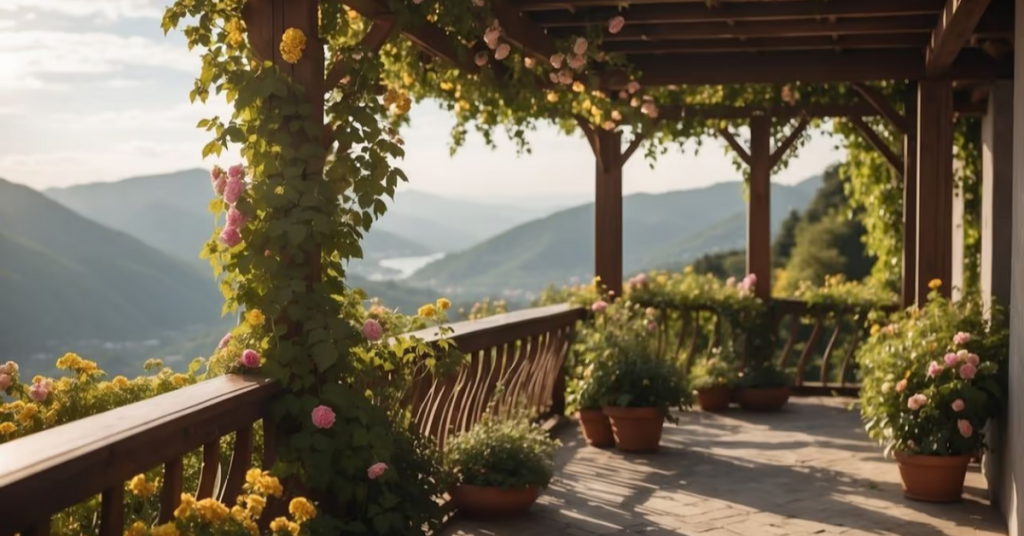
Learn how to grow and care for the African Milk Tree, a beautiful and easy-to-maintain houseplant. Our tips and tricks will help you keep your plant healthy and thriving.
Growing tomatoes in your balcony garden is a great way to add some greenery and visual interest. Not only do they add a pop of color to your space, but they’re also easy to grow and care for. With the right preparation and care, you can enjoy a bountiful harvest of juicy, ripe tomatoes all summer long. You can even incorporate tomatoes in a green wall: “Types of Vertical Gardens: Creating a Stunning Green Wall“.
One of the biggest benefits of growing tomatoes on your balcony is that you can control the growing environment. You can choose the right type of soil, fertilizer, and watering schedule to ensure your plants thrive. Plus, you don’t need a lot of space to get started – even a small balcony can accommodate a few tomato plants.
To get started, it’s important to choose the right tomato varieties for your balcony garden. You’ll want to select varieties that are well-suited to growing in containers and that produce a high yield. With the right preparation and care, you’ll be able to enjoy delicious, homegrown tomatoes all season long.
Key Takeaways
Growing tomatoes on your balcony is a great way to add greenery to your space and enjoy a bountiful harvest of juicy, ripe tomatoes.
By controlling the growing environment, you can ensure your tomato plants thrive and produce a high yield.
Choosing the right tomato varieties, preparing your balcony garden, and providing proper care are all essential for a successful harvest.
Benefits of Balcony Garden Tomatoes
Growing tomatoes in your balcony garden has many benefits. Here are some reasons why you should consider growing tomatoes in your balcony garden:
Fresh and Nutritious Produce: Homegrown tomatoes are fresh and packed with nutrients. They contain vitamins A, C, and K, potassium, and lycopene, which is a powerful antioxidant. When you grow tomatoes in your balcony garden, you can enjoy the benefits of fresh and nutritious produce right at home.
Cost-Effective: Growing tomatoes in your balcony garden is cost-effective. You don’t have to spend a lot of money on buying tomatoes from the grocery store. Instead, you can grow them at home and save money on your grocery bill.
Easy to Grow: Tomatoes are easy to grow, even in small spaces like balconies. They require minimal maintenance and can be grown in containers. You don’t need a lot of gardening experience to grow tomatoes in your balcony garden.
Versatile: Tomatoes are versatile and can be used in a variety of dishes. You can use them in salads, sandwiches, pasta dishes, and more. When you have a steady supply of fresh tomatoes from your balcony garden, you can experiment with different recipes and add fresh flavor to your meals.
Sustainable: Growing your own tomatoes is a sustainable practice. It reduces your carbon footprint by eliminating the need for transportation and packaging. It also reduces food waste because you only harvest what you need.
In summary, growing tomatoes in your balcony garden is a cost-effective, sustainable, and nutritious way to enjoy fresh produce at home. With minimal effort and space, you can enjoy the benefits of homegrown tomatoes and add fresh flavor to your meals.
Choosing the Right Tomato Varieties
When it comes to choosing the right tomato varieties for your balcony garden, there are a few things to consider. The right variety can make all the difference in terms of yield, taste, and ease of care. Here are some factors to keep in mind:
Size
First, consider the size of the tomato plant you want to grow. For balcony gardens, it’s best to choose varieties that are compact and don’t grow too tall. Determinate varieties are a good choice since they have a more bush-like growth habit and produce a concentrated crop over a shorter period. Some popular determinate varieties include Roma, Celebrity, and Bush Early Girl.
Flavor
Next, consider the flavor profile you’re looking for. Do you prefer a sweet, juicy tomato or a more acidic one? Some popular sweet varieties include Sungold, Sweet 100, and Cherry Gold. For a more acidic flavor, try San Marzano, Amish Paste, or Brandywine.
Disease Resistance
Disease resistance is another factor to consider when choosing tomato varieties. Some varieties are more resistant to common tomato diseases like blight and wilt, which can help ensure a healthy crop. Look for varieties labeled as disease-resistant, such as Mountain Merit, Defiant, and Iron Lady.
Container Size
Finally, consider the size of the container you’ll be planting your tomatoes in. Larger varieties will need more space and a larger container to grow in. A general rule of thumb is to choose a container that’s at least 18 inches in diameter and 24 inches deep for larger varieties. Smaller varieties can do well in containers as small as 12 inches in diameter.
By considering these factors, you can choose the right tomato varieties for your balcony garden and enjoy a bountiful harvest of delicious, homegrown tomatoes.
Preparing Your Balcony Garden for Tomatoes
Before you start growing tomatoes on your balcony, there are a few things you need to do to prepare your garden. Here are some tips to help you get started:
1. Choose the Right Container
Tomatoes require a lot of space to grow, so it’s important to choose the right container. A 5-7 gallon container is recommended at a minimum, but you can go bigger if you have the space. Make sure your container has drainage holes to prevent water from building up and drowning your plants.
2. Select the Right Soil
Tomatoes need well-draining soil that is rich in nutrients. You can buy pre-mixed potting soil or make your own by mixing equal parts of compost, peat moss, and vermiculite. Avoid using garden soil, as it can contain pests and diseases that can harm your plants.
3. Provide Adequate Sunlight
Tomatoes need at least 6-8 hours of sunlight per day to grow and produce fruit. Make sure your balcony receives enough sunlight, or consider using grow lights if you don’t have access to natural sunlight.
4. Choose the Right Tomato Variety
When selecting a tomato variety for your balcony garden, choose determinate varieties that don’t grow too tall and are more compact. Some good options include cherry tomatoes, patio tomatoes, and bush tomatoes.
5. Water Your Plants Regularly
Tomatoes need consistent moisture to grow and produce fruit. Water your plants regularly, making sure the soil stays moist but not waterlogged. Consider using a self-watering container or drip irrigation system to make watering easier.
By following these tips, you’ll be well on your way to growing delicious tomatoes on your balcony. With a little bit of care and attention, you can enjoy fresh, homegrown tomatoes all season long!
Planting and Caring for Your Tomato Plants
Tomatoes are a popular choice for balcony gardens as they are easy to grow and produce a bountiful harvest. However, to ensure that your tomato plants thrive, it is important to plant and care for them correctly.
Planting Your Tomato Plants
To plant your tomato plants, follow these simple steps:
Choose the right containers: Select containers that are at least 18 inches deep and wide, and have drainage holes. You can use plastic, clay, or ceramic pots.
Fill the containers with a high-quality potting mix: Use a mix that is specifically formulated for container gardening and is rich in nutrients.
Plant the tomato plants at the correct depth: Plant your tomato plants deep, burying the stem up to the first set of leaves. This will encourage strong root growth and a sturdy plant.
Water regularly, making sure the soil doesn’t dry out: Tomatoes need consistent moisture to grow well. Water your plants deeply once a week or more often if the weather is hot and dry.
Fertilize the plants every few weeks: Use a balanced fertilizer that is high in phosphorus and potassium to encourage healthy growth and fruit production.
Protect the plants from pests and diseases: Keep an eye out for common tomato pests like aphids, whiteflies, and hornworms, and treat them promptly with insecticidal soap or neem oil.
Caring for Your Tomato Plants
Once your tomato plants are established, it is important to care for them properly to ensure a healthy harvest. Here are some tips:
Provide support: Most tomato varieties need support to keep their heavy fruit off the ground. Use stakes, cages, or trellises to keep your plants upright.
Prune regularly: Remove the suckers that grow in the crotch between the main stem and the branches to encourage larger fruit and a healthier plant.
Water consistently: Keep the soil consistently moist, but not waterlogged. Tomatoes need about 1-2 inches of water per week.
Harvest regularly: Pick your tomatoes when they are fully ripe to encourage more fruit production. Regular harvesting also prevents overripe tomatoes from attracting pests.
By following these simple steps, you can enjoy a bountiful harvest of delicious, homegrown tomatoes from your balcony garden.
Harvesting and Storing Your Tomatoes
Harvesting your balcony garden tomatoes at the right time is crucial to ensure that they are sweet, juicy, and full of flavor. Here are some tips to help you harvest your tomatoes like a pro:
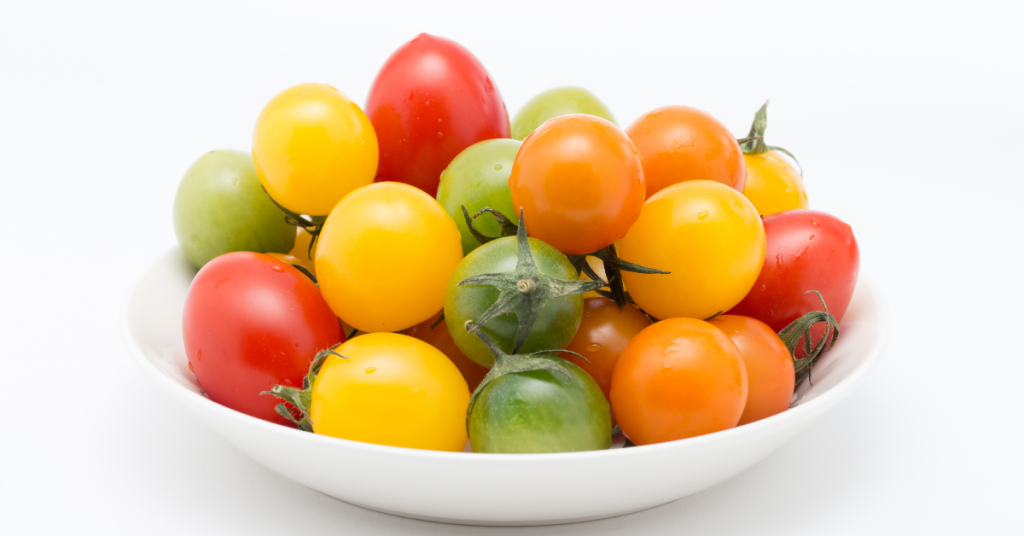
Pick your tomatoes when they are fully ripe. Ripe tomatoes are usually red, although some varieties may be yellow, orange, or green when ripe. They should be firm but slightly soft to the touch and should come off the vine easily when you gently tug on them.
Harvest your tomatoes in the morning when the fruit is cool and the sun is not too intense. This will help the tomatoes retain their flavor and texture.
Use a sharp pair of scissors or pruning shears to cut the tomato stem about 1/4 inch above the fruit. Do not twist or pull the fruit off the vine, as this can damage the stem and cause the fruit to spoil more quickly.
Once you have harvested your tomatoes, it’s important to store them properly to ensure that they stay fresh and flavorful for as long as possible. Here are some tips for storing your balcony garden tomatoes:
Store your tomatoes at room temperature, away from direct sunlight. Do not refrigerate them, as this can cause the fruit to lose flavor and texture.
If you have a lot of tomatoes, you can store them in a single layer in a shallow box or basket. Be sure to check them regularly and remove any that are starting to spoil.
If you only have a few tomatoes, you can store them in a paper bag with a ripe banana or apple. The ethylene gas produced by the banana or apple will help the tomatoes ripen more quickly.
By following these tips, you can enjoy delicious, homegrown tomatoes from your balcony garden all season long.
Frequently Asked Questions: Tomatoes in Your Balcony Garden
Can cherry tomatoes grow in pots?
Yes, cherry tomatoes can grow in pots. In fact, they are one of the best types of tomatoes to grow on a balcony because they are compact and do not require as much space as other tomato varieties. Cherry tomatoes also tend to be more disease-resistant than other types of tomatoes.
What is the best tomato plant for balcony gardens?
Determinate tomato plants are the best type of tomato plant for balcony gardens. They are compact and bushy, making them ideal for small spaces. Determinate tomato plants also produce their fruit all at once, which makes them easier to manage and harvest.
How do you choose the right size container for growing tomatoes?
The size of the container you need for growing tomatoes depends on the variety of tomato you are growing. A general rule of thumb is to choose a container that is at least 18 inches in diameter and 24 inches deep for most tomato varieties. However, if you are growing a larger tomato variety, you may need a container that is even larger.
What is the best fertilizer for tomatoes grown in pots?
Tomatoes grown in pots require regular fertilization to thrive. A balanced fertilizer that contains equal amounts of nitrogen, phosphorus, and potassium is the best option for growing tomatoes in pots. You can also use organic fertilizers, such as compost or fish emulsion, to provide your tomato plants with the nutrients they need.
How do you support tomato plants in containers?
Tomato plants grown in containers require support to prevent them from toppling over as they grow. You can use a tomato cage or a stake to support your tomato plants. Make sure you install the support system when you plant the tomato seedling, so you do not disturb the roots later on.
How often should you water tomatoes grown in pots?
Tomatoes grown in pots require regular watering to thrive. You should water your tomato plants deeply once or twice a week, depending on the weather conditions. Make sure the soil is moist but not waterlogged. Overwatering can lead to root rot, which can kill your tomato plants.
For some great information about a vertical tomato garden, take a look at this article, “How to Set Up a Gorgeous Vertical Tomato Garden”. (source: minnetonkaorchards.com).
Discover how to create a calming outdoor space with a DIY zen balcony garden. Our guide will show you how to transform your balcony into a peaceful oasis, perfect for relaxation and meditation.
Welcome to our article about splitting a Split Rock plant. If you’re a fan of succulents, you may be familiar with the Split Rock plant, also known as Pleiospilos nelii. This unique plant is named for its distinctive appearance, which resembles a small rock that has been split in half. The Split Rock plant is a popular choice for indoor gardens and is relatively easy to care for. They do like dry, arid, and semi-arid climates best. They are good for regions 9-11 or as indoor plants with plenty of indirect sunlight. Check out the USDA Plant Hardiness Zone Map (source: planthardiness.ars.usda.gov)
Splitting your Split Rock plant involves separating the plant into two or more sections, each of which can grow into a new plant. This process is relatively simple and can be done with just a few tools. However, it’s important to take care when splitting your plant to avoid damaging the roots or causing stress to the plant. With the right technique and a little bit of patience, you can split your Split Rock plant and create a beautiful new addition to your collection.
Splitting Your Split Rock Plant
If your Split Rock plant is outgrowing its current pot or you want to propagate it, splitting the plant can be a great option. Splitting your Split Rock plant involves dividing the plant into two or more sections and replanting them. Here are the steps to follow:
Preparing the Plant
Before you start splitting your Split Rock plant, you need to prepare it. Here are the steps to follow:
Water the plant a few days before splitting it. This will make it easier to remove from the pot and less likely to break during the process.
Choose a pot that is at least 3.5 to 4 inches deep with a hole in the bottom for proper drainage.
Prepare the soil: a) by blending a 25% cactus mix and 75% pumice or perlite. This will provide good drainage for the plant; b) is a mix of 1 part peat moss to 1 part loam to 2 parts coarse sand with small pebbles added for drainage; c) another is a mineral mix that is low in organic matter.
Splitting the Plant
Once you have prepared the plant, it’s time to split it. Here are the steps to follow:
Remove the plant from its pot and gently remove any excess soil from the roots.
Look for natural splits or divisions in the plant. If there are none, create a split by carefully pulling the plant apart at its base.
Use a clean, sharp knife to cut the plant into sections. Each section should have its own roots and at least one set of leaves.
Be careful not to damage the roots or leaves during the process.
Replanting the Divisions
After you have split the plant, it’s time to replant the divisions. Here are the steps to follow:
Fill the new pot with the prepared soil and make a hole in the center.
Place each division in its own hole and gently pack the soil around it.
Water the plant lightly and place it in a bright, sunny spot.
Wait a few days before watering the plant again to allow it to adjust to its new environment.
When Not to Split Your Split Rock Plant
It is generally not recommended to split a split rock plant if it is not actively growing or if it is in poor health. Splitting a plant that is not actively growing or is unhealthy can cause additional stress to the plant and may not result in successful propagation. It is also not recommended to split a split rock plant during the winter months, as this is typically a period of dormancy for the plant.
Additionally, splitting a plant that is too small may not be advisable, as it may not have enough energy reserves to support multiple plants. It is important to assess the health and growth patterns of the plant before attempting to split it. If you are unsure whether your split rock plant is ready to be split, it may be best to consult a plant care expert or horticulturist for guidance.
Conclusion
Splitting your Split Rock plant can be a great way to propagate the plant or keep it from outgrowing its current pot. By following these steps, you can successfully split your plant and enjoy its unique beauty in multiple locations. For more information about the Split Rock Plant, see our Article, “Split Rock Plant: The Unique and Easy-to-Care-For Succulent“. It’s truly one of our favorites!
We thought it might be fun to create a focus post every week on one specific balcony garden plant. As with all of our articles, remember to think about conditions on your balcony or patio as well as verify whether it’s a good choice if you have a family pet friend. So, on to our first feature plant, the loveable Split Rock.
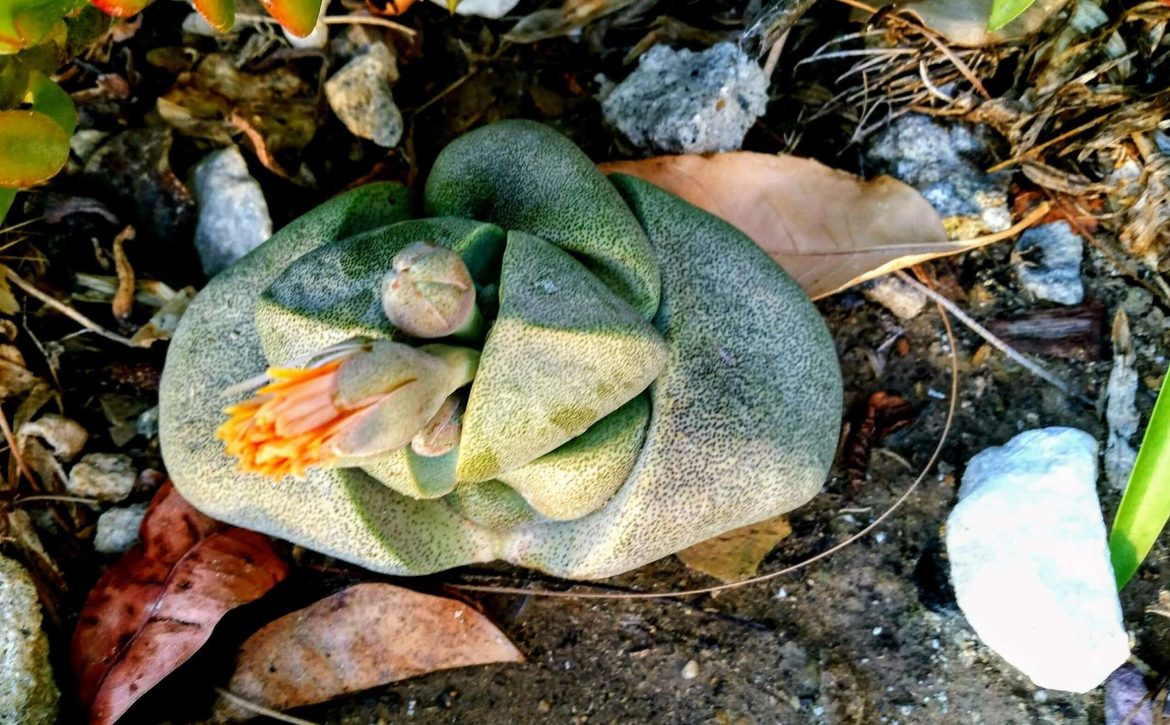
The Split rock plant, also known as Pleiospilos nelii, is a unique succulent native to South Africa. This plant is characterized by its gray-green stone-like leaves separated by a cleft down the center, giving it the appearance of a split rock. Split rocks are relatively small, growing only a few inches in height, making them perfect for indoor gardening.
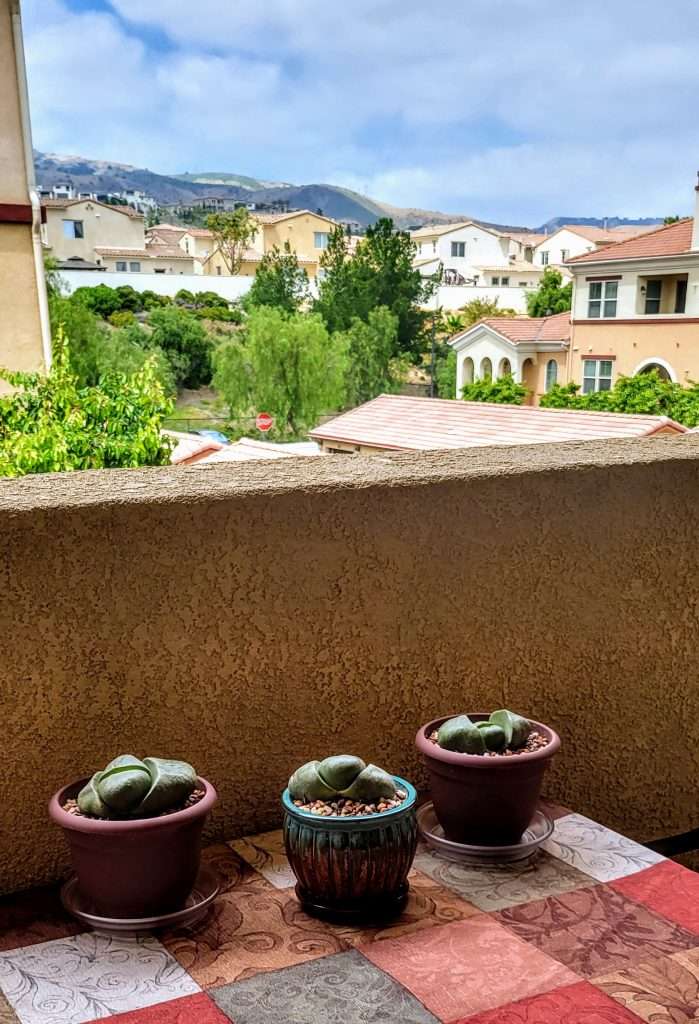
If you’re looking for a low-maintenance plant that is both visually striking and easy to care for, this plant is an excellent choice. These plants require minimal watering and can thrive in bright, indirect light. With proper care, split rock plants can produce beautiful yellow or white flowers that bloom in the summer months.
Whether you’re a seasoned gardener or a beginner, the split rock is a fascinating addition to any collection. In this article, we will explore everything you need to know about growing and caring for split rock plants, from their unique characteristics to their preferred growing conditions. So let’s dive in and discover the world of split rock plants together. If you have a chance, check out this video by “Sucs for You!” (source: youtube.com) for a brief overview.
Overview of the Split Rock Plant
Here at Balcony Garden Paradise, we are very fond of this unique and fascinating plant. In this section, we’ll provide an overview of this plant, including its description, habitat and range, and uses.
Description of Split Rock Plant
The split rock plant, also known as Pleiospilos nelii, is a small succulent that is native to South Africa. It is a perennial plant that has two to four gray-green leaves that are separated by a cleft down the center. The leaves are thick and fleshy, and have a stone-like appearance, which gives the plant its common name.
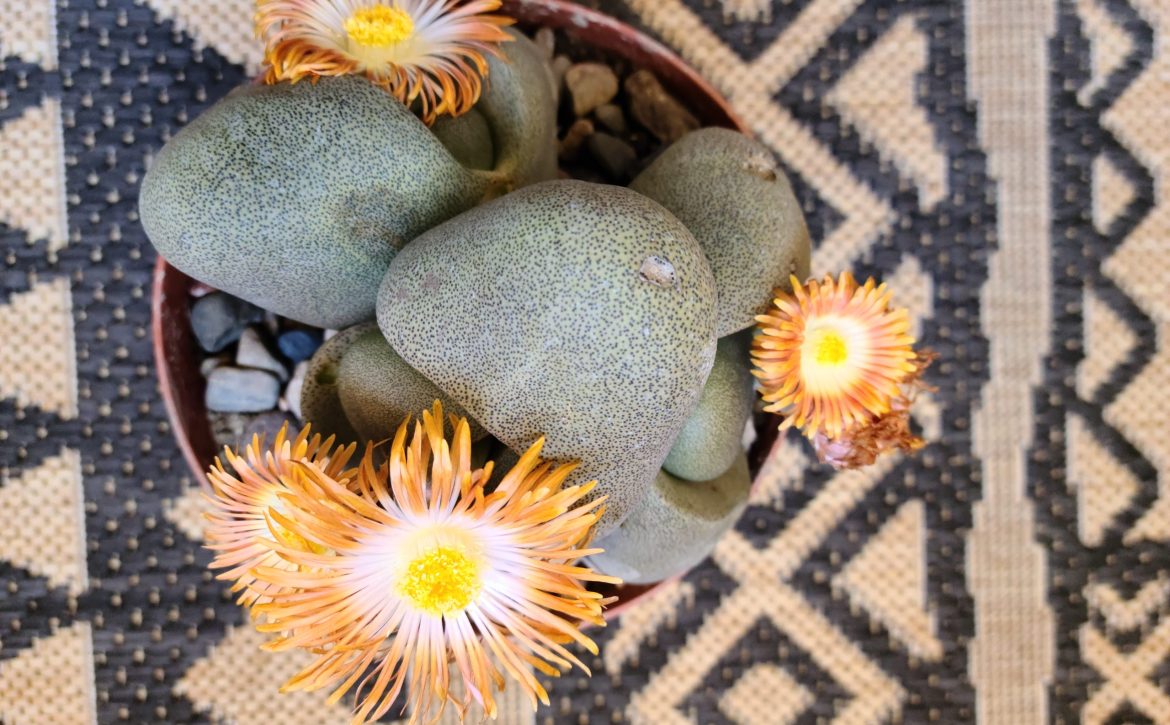
Split Rocks produce spectacular flowers that have a coconutty smell. The flowers are yellow or white, and they bloom in the fall or spring. The plant is easy to care for and can be a great addition to any succulent collection.
Habitat and Range
The split rock plant is native to South Africa and thrives in arid and semi-arid environments. It prefers bright, unmodified light and can be cultivated outdoors in warmer climates, in USDA regions 9-11.
Uses
The split rock plant is primarily grown as an ornamental plant. It is a popular choice among succulent enthusiasts due to its unique appearance and low maintenance requirements. The plant can be grown in pots or in rock gardens, and it can be used to create interesting and eye-catching displays.
In addition to its ornamental uses, this unique plant has some medicinal properties. It has been used in traditional medicine to treat a variety of ailments, including fever, headaches, and stomach problems. However, more research is needed to determine the effectiveness of these treatments.
The Split Rock is a fascinating succulent that can be a great addition to any collection. With its low maintenance requirements and interesting appearance, it is a great choice for both beginner and experienced succulent growers.
Cultivation of the Split Rock Plant
Propagation
The split rock plant can be propagated through seeds or by division. To propagate through seeds, collect the seeds from the plant after the flowering season. Soak the seeds in water for 24 hours before planting them in sandy soil. Keep the soil damp but not too wet until the seeds germinate.
To propagate through division, wait until the plant has produced offsets. Carefully remove the offsets and plant them in sandy soil. Water the offsets sparingly until they have established roots.
Growing Conditions
Split rock plants prefer bright, unmodified light and dry, arid, and semi-arid climates. They thrive in the spring and autumn seasons and detest cold weather. When cultivated outdoors, split rock plants perform best in warmer climates (in 9-11 USDA regions).
When dealing with a split rock plant, it is recommended to use a soil mix consisting of 1 part peat moss to 1 part loam to 2 parts coarse sand with small pebbles added to ensure good drainage. Very little water is needed during the growing season, and you do not fertilize the plants. Make sure NOT to water on the plant itself. Water directly in the soil.
Pests and Diseases
Split rock plants are generally pest and disease-free. However, they can be susceptible to mealybugs and spider mites. To prevent infestations, inspect the plant regularly and remove any affected areas immediately.
Overwatering can cause root rot, which can be fatal for the plant. To prevent root rot, make sure the soil is well-draining and avoid watering the plant too frequently.
In conclusion, split rock plants are relatively easy to propagate and care for. By following the proper growing conditions and taking preventative measures against pests and diseases, you can enjoy the beauty of this unique succulent for years to come.
Care and Maintenance of a Split Rock
Taking care of a split rock is easy, and it only requires minimal maintenance. Here are some tips on how to keep your plant healthy and thriving.
Watering
Split rock are drought-tolerant succulents that can survive long periods without water. Therefore, it’s essential to avoid overwatering your plant, as this can lead to root rot. We recommend watering your split rock plant once a month during the growing season (spring and summer) and once every two months during the dormant season (fall and winter).
When watering your split rock plant, make sure to soak the soil thoroughly and let the excess water drain out of the pot’s bottom. Avoid getting water on the plant’s leaves or stem, as this can cause rot. We also recommend using a well-draining soil mix that allows excess water to drain away quickly.
Fertilizing
Split rock do not require frequent fertilization, but you can give them a boost during the growing season (spring and summer) by applying a balanced, water-soluble fertilizer. We recommend diluting the fertilizer to half-strength and applying it once a month.
Avoid fertilizing your split rock plant during the dormant season (fall and winter), as this can cause the plant to grow too quickly and become weak and leggy.
Pruning
Split rock plants do not require pruning, but you can remove any dead or damaged leaves or stems to keep your plant looking neat and tidy. We recommend using clean, sharp scissors or pruning shears to avoid damaging the plant.
In conclusion, taking care of a split rock plant is easy and straightforward. By following these simple tips, you can keep your plant healthy and thriving for years to come.
Harvesting and Storage of Split Rock Plant
When to Harvest
You should harvest a Split rock when the flowers have dried up and the seed pods have turned brown. The timing of the harvest is crucial, as harvesting too early or too late can result in poor-quality seeds. You should aim to harvest the seed pods when they have turned brown and are starting to split open. You should also make sure to harvest the seed pods before they fall off the plant.
How to Harvest
To harvest Split Rock, carefully remove the seed pods from the plant using a pair of scissors or a sharp knife. Make sure to handle the seed pods gently to avoid damaging them. Once you have harvested the seed pods, place them in a dry, well-ventilated area to allow them to dry out completely. You should make sure to remove any debris or plant material from the seed pods before storing them.
Storage
To store Split rock seeds, you should place them in an airtight container, such as a glass jar or plastic bag. Make sure to label the container with the date of harvest and the variety of Split rock. Store the seeds in a cool, dry place, away from direct sunlight and moisture. Split rock seeds can remain viable for several years if stored properly.
Harvesting and storing Split rock seeds is a simple process that requires careful timing and handling. By following the guidelines outlined above, you can ensure that you harvest high-quality seeds that will produce healthy, vigorous plants.
Conclusion
As you can see, the split rock plant is aptly named!
In this article, we have learned that the split rock, also known as Pleiospilos Nelii, is a fascinating succulent plant native to South Africa. This plant is known for its unique appearance, with two to four gray-green stone-looking leaves separated by a cleft down the center.
We have also learned that the plant is a relatively easy plant to care for, making it an excellent choice for novice growers. It can thrive in semi-arid and arid areas, making it perfect for rock gardens or windowsill gardens.
To care for a split rock, we recommend providing it with well-draining soil, plenty of sunlight, and infrequent watering. Overwatering can be detrimental to the plant’s health, so it’s essential to allow the soil to dry out between watering sessions.
In addition, the split rock is a slow-growing plant that can take several years to reach its full size. However, once it reaches maturity, it can produce beautiful yellow or white flowers that are a sight to behold.
In summary, the split rock plant is an excellent addition to any succulent collection. Its unique appearance, easy care requirements, and beautiful flowers make it a plant that we highly recommend for both novice and experienced growers alike. To find out more about succulents and more sustainable plants, read our article “10 Best Water-Conserving Balcony Garden Plants“.
If you have a balcony, you know how valuable it is to have a little slice of outdoor space. Whether you’re in a bustling city or a quiet suburb, a balcony can be a great place to relax, entertain, and enjoy the fresh air. One way to make your balcony even more enjoyable is by adding some greenery. But with limited space and sunlight, it can be tough to know which plants will thrive. That’s why we’ve put together a list of the best plants for balconies.
When choosing plants for your balcony, there are a few things to keep in mind. First, consider the amount of sunlight your balcony gets. If it’s in full sun all day, you’ll need plants that can handle the heat and direct light. If it’s in shade for most of the day, you’ll need plants that can thrive without a lot of sun. Second, think about the amount of space you have. If your balcony is small, you’ll want to choose plants that won’t take up too much room. And finally, consider your own preferences and needs. Do you want plants that are easy to care for? Or do you want to grow your own herbs or vegetables?
With these factors in mind, we’ve compiled a list of the best plants for balconies. Whether you’re looking for something low-maintenance or something that will add a pop of color to your space, we’ve got you covered. From herbs and vegetables to flowers and succulents, there’s something for everyone on this list. So, let’s get started and find the perfect plants for your balcony!
Sun-Loving Plants
If your balcony gets plenty of sunlight, there are many plants that can thrive in these conditions. Here are some of the best sun-loving plants to consider for your balcony:
Flowers
Geraniums: These colorful flowers are a popular choice for balconies. They come in a range of colors and can bloom all summer long.
Petunias: Another popular choice for balcony gardens, petunias come in a variety of colors and can add a pop of color to your space.
Marigolds: These bright yellow or orange flowers are easy to grow and can help repel pests like mosquitoes and aphids.
Herbs
Basil: This fragrant herb is easy to grow and can be used in a variety of dishes. It also repels mosquitoes.
Rosemary: This hardy herb is perfect for sunny balconies and can be used in a variety of dishes.
Thyme: This low-maintenance herb is perfect for sunny balconies and can be used in a variety of dishes.
Vegetables
Tomatoes: If you have enough space, tomatoes can be a great addition to your balcony garden. They need plenty of sunlight and regular watering.
Peppers: Another great vegetable to grow on a sunny balcony, peppers come in a variety of colors and can add some spice to your cooking.
Cucumbers: These refreshing vegetables need plenty of sunlight and regular watering, but can be a great addition to your balcony garden.
Overall, there are many great sun-loving plants to choose from when creating a balcony garden. Whether you prefer flowers, herbs, or vegetables, there are plenty of options to suit your space and your tastes.
Shade-tolerant plants
If your balcony doesn’t get much direct sunlight, don’t worry! There are plenty of beautiful plants that thrive in the shade. Here are some of the best shade-tolerant plants for your balcony:
Ferns
Ferns are a classic choice for shady balconies. They come in a variety of sizes and shapes, from delicate maidenhair ferns to large Boston ferns. They’re also easy to care for – just make sure they have enough water and don’t let them dry out completely. Ferns are great for adding texture and movement to your balcony, and they’re also known for their air-purifying qualities.
Begonias
Begonias are another great choice for shady balconies. They come in a wide range of colors and textures, from the classic wax begonia with its shiny leaves and pink or white flowers, to the more exotic rex begonia with its colorful foliage. Begonias are easy to care for and can bloom all summer long with the right care. They’re also great for adding a pop of color to your balcony.
Pothos
Pothos is a great choice for a low-maintenance, trailing plant on your balcony. It’s also known as devil’s ivy because it’s almost impossible to kill. Pothos can handle a range of lighting conditions, from bright indirect light to low light. It also grows quickly and can trail down the side of your balcony, adding a lush, tropical feel to your space.
When choosing shade-tolerant plants for your balcony, make sure to consider the lighting conditions and temperature. Most shade-tolerant plants prefer cooler temperatures and moist soil, so make sure to water them regularly and keep them out of direct sunlight. With the right care, these plants can thrive and add beauty to your balcony all summer long.
Low-Maintenance Plants
If you’re looking for the best plants for balconies, you’ll want to consider low-maintenance options. These plants require less attention and care, making them perfect for those with busy schedules or little gardening experience.
Succulents
Succulents are a popular choice for low-maintenance plants. They come in a variety of shapes and sizes, and they’re easy to care for. Succulents store water in their leaves, which means they don’t need to be watered as often as other plants. They also prefer bright, indirect light, making them ideal for balconies.
Here are some popular succulents to consider for your balcony:
Aloe Vera
Echeveria
Jade Plant
Haworthia
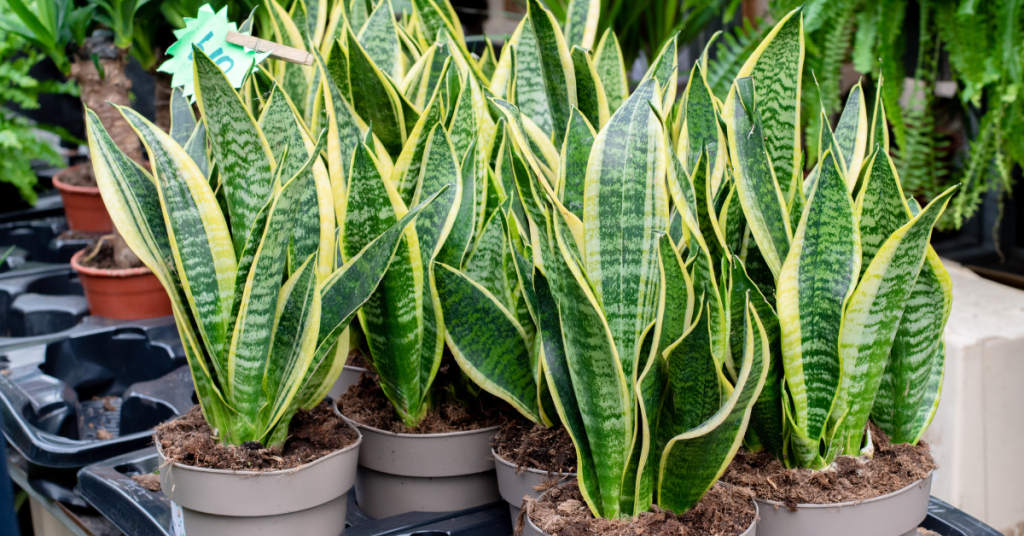
Snake Plant
The Snake Plant, also known as Mother-in-Law’s Tongue, is another low-maintenance option for your balcony. It can tolerate a wide range of light conditions, from bright to low light, and it doesn’t need to be watered often. In fact, overwatering can harm this plant, so it’s best to let the soil dry out between waterings.
ZZ Plant
The ZZ Plant is a great choice for those who want a low-maintenance plant that can tolerate low light conditions. It’s also drought-tolerant, meaning it can go long periods without water. The ZZ Plant has glossy, dark green leaves that can add a pop of color to your balcony.
In conclusion, low-maintenance plants are a great option for those who want to add some greenery to their balcony without a lot of fuss. Succulents, Snake Plants, and ZZ Plants are all great choices that can thrive in a variety of light and water conditions. Consider adding one or more of these plants to your balcony for a touch of natural beauty.
Vertical Garden Plants
When it comes to creating a beautiful green space on your balcony, vertical gardens are a great option. These gardens are perfect for small spaces, and they can add a lot of character to your outdoor area. Here are some of the best plants for balconies that can be grown in a vertical garden.
Climbing Plants
Climbing plants are a great choice for a vertical garden, as they can grow up trellises or other supports. They are perfect for adding a touch of greenery to a wall or fence. Some of the best climbing plants for balconies include:
Clematis: This plant produces beautiful flowers in a variety of colors, including purple, pink, and white.
Ivy: Ivy is a hardy plant that can grow in a variety of conditions. It is perfect for adding some greenery to a wall or fence.
Jasmine: Jasmine is a fragrant plant that produces beautiful white flowers. It is perfect for adding some scent to your balcony.
Hanging Plants
Hanging plants are another great option for a vertical garden. They can be hung from hooks or other supports, and they add a lot of visual interest to your balcony. Some of the best hanging plants for balconies include:
Boston Fern: This plant has beautiful, feathery fronds that look great hanging from a basket.
Spider Plant: Spider plants are easy to care for and produce small, white flowers.
String of Pearls: This plant has small, round leaves that look like pearls. It is perfect for adding some texture to your vertical garden.
Trellis Plants
Trellis plants are a great choice for a vertical garden, as they can grow up trellises or other supports. They are perfect for adding a touch of greenery to a wall or fence. Some of the best trellis plants for balconies include:
Morning Glory: This plant produces beautiful, trumpet-shaped flowers in a variety of colors, including purple, pink, and white.
Peas: Peas are a great choice for a vertical garden, as they can be grown up a trellis and produce edible pods.
Sweet Peas: Sweet peas produce beautiful, fragrant flowers in a variety of colors, including pink, purple, and white.
Bonus: Best Plants for Balconies
Balcony Plant Suggestions from Down Under
The Kangaroo Paw adds some lively color and would be a fantastic addition to your balcony garden.
Are you looking to transform your balcony into a lush green oasis? Whether your balcony is in full sun or deep shade, here are some additional ideas all the way from Australia (unless you’re already there 🦘). From the colorful Kangaroo Paw (source: WWF). Some of these plants include the Bottlebrush, Gum tree (Eucalyptus), Kangaroo paw (Anigozanthos), and Wattle (Acacia) as well as some others.
Hanging Plants for that touch of class
Also, look to the low-maintenance Creeping Jenny or other beautiful hanging basket options in this article by Melanie Griffiths. (source: Homes and Gardens)
Start growing your own green retreat today with the best plants for balconies! There are so many great options for the best plants for balconies. Many can be grown in a vertical garden. Climbing plants, hanging plants, and trellis plants are all great options that can add a lot of character to your outdoor space. Choose the best plants for your balcony based on your personal style and the amount of sunlight your balcony receives. Refer to our article, “Types of Vertical Gardens: Guide to Creating a Stunning Green Wall” to learn more about trellis gardens.
If you’re looking to maximize your growing space and add some greenery to your home or outdoor area, this information about the types of vertical gardens may be just what you need. Vertical gardening is a technique that involves growing plants upwards, using walls, trellises, containers, and other structures to create a living wall of vegetation. There are many different types of vertical gardens, each with its own unique benefits and challenges.
Another of the many different types of vertical gardens is the tower garden, which involves stacking planters on top of each other to create a multi-tiered growing system. Tower gardens are ideal for small spaces, as they allow you to grow a large number of plants in a small area. You can grow a variety of plants, from herbs and vegetables to flowering plants and succulents. Tower gardens can be made from a variety of materials, including recycled plastic, and can be designed to be weather-resistant and durable. (source: Easy Vertical Gardening)
Whether you’re an urban gardener looking to make the most of your small space, or simply want to add some greenery to your home or office, there are many types of vertical gardens to choose from. From living walls to tower gardens, each type has its own unique advantages and challenges. By choosing the right type of vertical garden for your needs and space, you can create a beautiful, efficient, and sustainable growing system that will provide you with fresh produce, beautiful flowers, and a healthier living environment.
Pocket Gardens
Another type of vertical garden that is perfect for small spaces is the pocket garden. Pocket gardens are essentially small, portable gardens. You can hang them on walls or fences. These gardens are perfect for those who want to add some greenery to their space but have limited space to work with.
Pocket gardens come in a variety of shapes and sizes, from small pouches that can hold a single plant to larger pockets that can hold multiple plants. They are also available in a variety of materials, including felt, canvas, and plastic.
One of the great things about pocket gardens is that they are easy to DIY. You can create your own pocket garden using materials you may already have at home. For example, you can create a pocket garden using an old shoe organizer or a hanging file folder. Simply fill each pocket with soil and plant your favorite plants.
Pocket gardens are also great for adding an aesthetic touch to your space. You can choose plants that complement your decor or create a statement piece by choosing bold, colorful plants. Additionally, you can arrange pocket gardens in a variety of patterns to create a unique and eye-catching display.
Overall, pocket gardens are a great option for those looking to add some greenery to their space without taking up too much room. With their DIY potential and aesthetic appeal, they are a versatile and practical addition to any type of vertical garden.
Living Walls
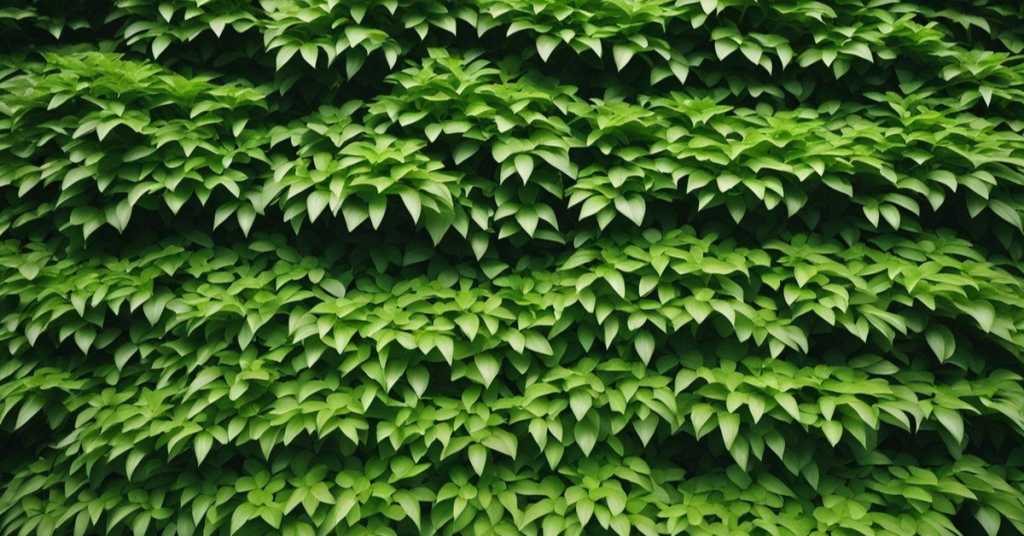
One popular type of vertical garden is the living wall, which involves growing plants directly on a wall or other vertical surface. Living walls range in size from a small frame to a large-scale installation. Some living walls use hydroponic systems to grow plants without soil, while others rely on soil-based growing mediums. Living walls improve air quality, reduce noise pollution, and add a beautiful, natural touch to any space. (source: Eartheasy) Living walls, also known as green walls, are a type of vertical garden that can be used both indoors and outdoors. They are an attractive and efficient way of growing plants in a limited space.
Different Systems
The cloth or felt system is one of the most popular living wall systems. This system uses a growing medium made of recycled plastic, which is then attached to a shallow frame. The frame is then attached to a wall, and the plants are grown in felt pockets. The felt system is an excellent choice for urban gardeners looking to create an efficient use of growing space.
Another popular system is the modular living wall system. This system is a multi-tier, wall-mounted structure. It can be arranged in different shapes to create a variety of vertical gardens. The system is weather-resistant and has drainage holes for efficient watering.
Living walls can also be grown in hydroponic systems, which allow for efficient use of water and carbon dioxide. Hydroponic living walls are an excellent choice for indoor environments, as they require less maintenance and provide excellent air circulation.
Plant Types
You can make them with different types of plants, including vines, flowering plants, and succulents. They can also be grown in various containers, such as planter boxes, mesh, and gutter gardens. When designing a living wall, consider the type of vegetation. Shade-loving plants are an excellent choice for indoor living walls while flowering plants and scrambling plants are ideal for outdoor living walls. You can also grow fruits, like strawberries or delicious veggies in living walls, provided they have enough space to grow.
Irrigation System
To ensure the success of a living wall, it is essential to have an efficient irrigation system in place. A standard rain gutter or zig-zag pattern can be used to create a water supply for the plants. An irrigation system will also help to ensure that the plants receive the necessary nutrients and water.
You can use living walls both indoors and outdoors. They are an excellent choice for urban gardeners looking to create an efficient use of growing space. It is essential to consider the type of vegetation that will be grown when designing your wall and to have an efficient irrigation system in place.
Trellis Gardens
Trellis gardens are a popular type of vertical garden that involves growing climbing plants on a trellis structure. This type of garden is perfect for those who want to grow vegetables or flowers in a small space. Trellises can be made from a variety of materials, including wood, metal, or plastic. They can come in different shapes and sizes, depending on the needs of the gardener.
When planning your trellis garden, it is important to consider the amount of sunlight and shade that your plants will need. Some climbing plants require full sun, while others prefer partial shade. It is also important to consider the spacing of your rows. Some plants require more room to grow than others.
One of the benefits of trellis gardens is that they can be used to grow a variety of vegetables, including tomatoes, cucumbers, and pole beans. These plants can be trained to grow up the trellis, which saves space and makes harvesting easier. Additionally, trellis gardens can be used to create a beautiful aesthetic in your yard or garden.
If you are interested in creating a trellis garden, there are a few DIY tips that you can follow. First, choose a location that receives plenty of sunlight and is easily accessible for watering and maintenance. Next, select the climbing plants that you want to grow and choose a trellis that is appropriate for their size and shape. Finally, plant your seeds or seedlings and train your plants to grow up the trellis as they mature.
Overall, trellis gardens are a great option for those who want to grow a variety of vegetables or flowers in a small space. With the right planning and care, you can create a beautiful and productive garden that will thrive for years to come.
Modular Systems
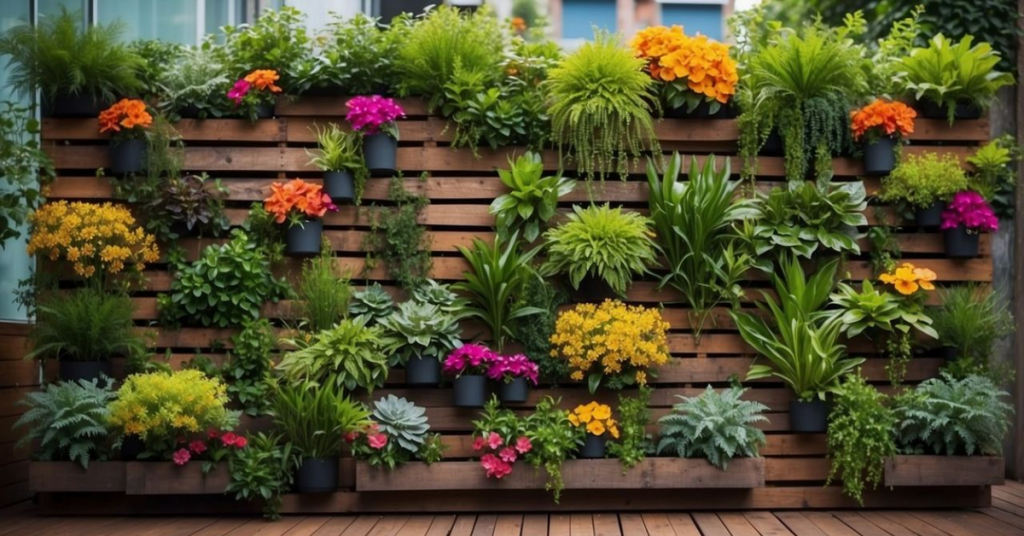
Modular systems are one of the most popular types of vertical gardens, and for good reason. These systems consist of pre-made panels or containers that can be easily attached to a wall or other structure. This allows you to create a living wall in no time. They are perfect if you are looking for an efficient use of growing space. They allow you to grow a variety of plants in a small area.
Advantages
One of the advantages of modular systems is that they can be customized to fit your needs. You can choose from a variety of panel sizes, shapes, and colors to create a unique and personalized look. Additionally, you can mix and match different types of vegetation, including flowering plants, herbs, and vegetables, to create a beautiful and functional garden.
Installation
When it comes to installation, modular systems are relatively easy to set up. Most systems come with detailed instructions and all the necessary hardware. You can usually install them yourself with a few basic tools. However, if you are not comfortable with DIY projects, you can always hire a professional.
Irrigation and Air Circulation
To ensure that your modular system thrives, it is important to consider factors such as irrigation and air circulation. Most systems come with built-in irrigation systems, which make it easy to water your plants. However, you may need to supplement the system with additional watering if you live in a particularly dry climate.
Air circulation is also important for the health of your plants. If your modular system is installed in a closed space, such as an indoor area, you may need to install a fan or other air circulation device to ensure that your plants receive enough fresh air.
Overall, modular systems are an excellent choice for anyone looking to create a vertical garden in a small space. They are easy to install, customizable, and can be used to grow a variety of plants. Whether you are looking to create an aesthetic feature in your home or grow your own vegetables, a modular system is a great choice.
Hydroponic Walls
Hydroponic walls are a type of vertical garden that uses a hydroponic system to grow plants. A hydroponic system is a method of growing plants without soil, using nutrient-rich water instead. Hydroponic walls are a great way to grow a variety of vegetation in a small space, making them an efficient use of growing space for those with limited indoor space, such as on balconies. Hydroponic walls are also an excellent choice for those who want to create an aesthetic and visually appealing space.
Shapes, Sizes, and Materials
These walls can be wall-mounted or freestanding, and they come in a variety of sizes and shapes. They can be made from a variety of materials, including planter boxes, shallow frames, or flower pots. Some hydroponic walls are multi-tiered, allowing you to grow a variety of plants in one space.
Irrigation and Air Circulation
When creating a hydroponic wall, it is essential to consider the irrigation system and air circulation. An efficient irrigation system is crucial to ensure that each plant receives the right amount of water and nutrients. Additionally, proper air circulation is essential to prevent the growth of mold and mildew.
Plant Types
Hydroponic walls are an excellent option for growing flowering plants. They provide an ideal environment for these plants to thrive. They are also a great choice for those who want to grow a variety of herbs and vegetables, making them a popular choice for those who want to create an indoor herb garden.
If you are interested in creating a hydroponic wall, there are many DIY tips available to help you get started. With research and planning, you can create a beautiful and functional hydroponic wall that will provide you with fresh produce.
In conclusion, hydroponic walls are a type of vertical garden that uses a hydroponic system to grow plants. They are an efficient use of growing space, making them an excellent choice for those with limited indoor space.
Pallet Gardens
Pallet gardens are a popular type of vertical garden that can be made from recycled wooden pallets. They are a great option for those who want to grow plants in a small space and can be used to create a beautiful and functional garden. Here are some tips for creating your own pallet garden.
Material Considerations
First, choose a pallet that is in good condition and has not been treated with any harmful chemicals. Look for pallets that have a stamp that indicates they are safe for use. Next, prepare the pallet by sanding it down and adding drainage holes to the bottom. This will ensure that excess water can drain out of the pallet and prevent root rot.
Preparation
Once your pallet is prepared, you can begin filling it with soil. Tilt the pallet so that it is almost vertical to let the soil settle, then add more soil until the rows are full. You can now start planting your plants between the slats of the pallet. Pallet gardens are great for growing vegetables, herbs, and flowers.
One of the benefits of pallet gardens is that they can be made in different shapes and sizes to fit your space and aesthetic preferences. They can also be placed in areas with different amounts of sunlight or shade, depending on the plants you want to grow.
If you want to make your pallet garden weather-resistant, you can add a sealant or paint to the pallet. This will help protect it from the elements and ensure that it lasts longer. Pallet gardens are also a great DIY project, and there are many tutorials available online that can help you create your own.
In summary, pallet gardens are a great option for those who want to create a vegetable garden in a small space. They are easy to make, versatile, and can be made weather-resistant with a little bit of effort. With the right preparation and care, your pallet garden can be a beautiful and functional addition to your home.
Succulent Walls
If you’re looking for a low-maintenance, visually stunning way to spruce up your small space, consider succulent walls. Succulent walls are a type of vertical garden that is perfect for those who want to add some greenery to their walls without needing a lot of sunlight or space.
Succulents are a type of vegetation that are known for their ability to store water in their leaves, making them perfect for dry environments. This means that they can thrive in a variety of conditions, including low-light and indoor spaces.
One of the benefits of succulent walls is that they can be customized to fit any aesthetic. Whether you prefer a modern, minimalist look or a more natural, rustic feel, there are plenty of options for you to choose from. You can create a succulent wall using a variety of materials, including wood, metal, and even recycled materials like pallets.
When it comes to sunlight, succulent walls are fairly flexible. While they do require some sunlight, they can also thrive in shaded areas. This makes them a great option for those who have limited access to natural light.
If you’re interested in creating your own succulent wall, there are plenty of DIY tips available online. You can find step-by-step instructions and materials lists to help you get started.
Overall, succulent walls are a great option for those who want to add some greenery to their small space without needing a lot of sunlight or space. With a variety of options available and plenty of DIY resources, it’s easy to create a succulent wall that fits your unique style and needs.
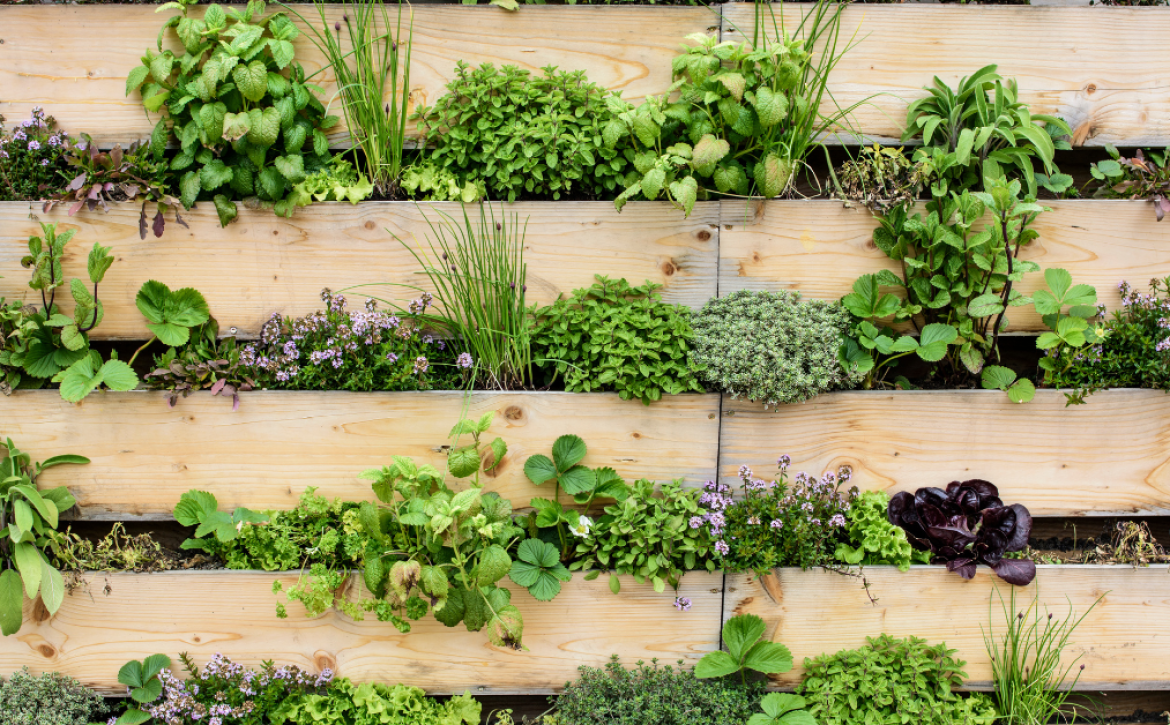
Herb Gardens
When it comes to types of vertical gardens, herb gardens are a popular choice. They are perfect for those who love to cook with fresh herbs, but may not have the space for a traditional vegetable garden. Vertical herb gardens can also be a great solution for those who live in small spaces.
To create a successful herb garden, it is important to consider the amount of sunlight the plants will receive. Most herbs prefer a sunny location, so be sure to choose a spot that gets at least six hours of direct sunlight per day.
When it comes to choosing which herbs to plant, consider what you like to cook with and what will thrive in your climate. Some popular herbs for vertical gardens include basil, thyme, rosemary, and mint.
There are many DIY tips and tricks for creating a vertical herb garden. One option is to use a hanging planter with multiple pockets, which allows you to grow several herbs in a small space. Another option is to create a ladder-style garden with multiple tiers of planters.
In terms of aesthetics, vertical herb gardens can be both functional and beautiful. You can choose planters in a variety of colors and materials to match your style and decor.
Overall, herb gardens are a great option for those looking to create a types of vertical gardens. With a little bit of planning and care, you can have a bountiful supply of fresh herbs right at your fingertips.
Tower Gardens
Tower gardens are a popular type of vertical garden that can be used to grow vegetables, herbs, and flowers. These gardens are designed to be space-saving and can be used in small spaces, such as balconies or patios. Tower gardens come in different shapes and sizes, making them a versatile option for any garden.
Advantages
One of the advantages of tower gardens is that they can be used to grow vegetables in rows. This is a great way to maximize space. This type of garden is also great for those who live in areas with limited sunlight. Tower gardens can be placed in areas that receive partial shade.
When it comes to DIY tips for building your own tower garden, there are many resources available online. Some popular options include using PVC pipes or recycled materials to create a tower structure. It is important to make sure that the tower is stable and can support the weight of the plants.
Aesthetics
In terms of aesthetics, tower gardens can be a great addition to any outdoor space. They can be designed to match the style of your home or garden and can be decorated with flowers or other decorative elements.
Different Types of Tower Gardens
If you are interested in creating your own tower garden, there are many different types of vertical gardens to choose from. Some popular options include the Garden Tower 2, which is a fully integrated vermicomposting unit, and the Hydroponic Tower Garden, which uses a water-based system to grow plants.
When choosing a tower garden, it is important to consider the amount of sunlight your garden receives, as well as the types of plants you want to grow. With the right care and attention, a tower garden can be a great way to grow fresh produce and add a touch of green to your outdoor space.
Obelisks, Pergolas, and Arbors
If you’re looking for a vertical gardening system that adds height and dimension to your garden, obelisks, pergolas, and arbors are excellent choices. These structures come in different shapes, sizes, and materials, and can be used to support climbing plants, vegetables, or flowers.
Obelisks
Obelisks are pyramid-shaped structures with four sides that are traditionally found in formal gardens. They can be made out of any type of material, including wood, metal, or plastic. Some gardeners even fashion obelisks out of rustic materials like twigs and grapevines. Obelisks are perfect for climbing plants like roses, clematis, and morning glories. You can place them in rows or groups to create a stunning focal point in your garden.
Pergolas
Pergolas are larger structures that provide shade and support for climbing plants. They are often made of wood or metal and can be designed in different shapes and styles. Pergolas are perfect for creating an outdoor living space in your garden. They can be used to grow grapevines, wisteria, or other climbing plants that prefer partial shade.
Arbors
Arbors are similar to pergolas but are smaller and often have an arched or curved shape. They can be made of wood, metal, or vinyl and can be used to create a beautiful entrance to your garden or to frame a particular view. Arbors are perfect for climbing roses, honeysuckle, or other fragrant flowers that create a romantic and whimsical atmosphere.
When choosing a vertical gardening system, make sure to consider the amount of sunlight and shade in your garden. Also, consider the size and shape of the structure. You can also find many DIY tips and tutorials online to help you build your own obelisks, pergolas, or arbors. With these types of vertical gardens, you can create a stunning and functional garden even in small spaces.
Tiered Gardens
If you have limited space but still want to grow a variety of plants, a tiered garden might be the perfect solution for you. Tiered gardens are a simple form of vertical gardening where tiered planters are used to grow layers of plants, herbs, and vegetables in a small area. They are perfect for urban apartment living or for anyone who wants to maximize their growing space.
Shapes, Sizes, and Materials
One of the great things about tiered gardens is that they can be made in different shapes and sizes. You can create a tiered garden using wooden stands and makeshift planters or purchase pre-made tiered garden kits.
Plant Types
When it comes to the types of plants you can grow in a tiered garden, the possibilities are endless. You can grow anything from herbs and vegetables to flowers and succulents. Just make sure to choose plants that are suitable for the amount of sunlight or shade your garden receives.
If you’re looking to create a vegetable garden, a tiered garden is a great option. You can plant different vegetables in each tier and create rows for easy access and maintenance. Some popular vegetables to grow in a tiered garden include lettuce, spinach, and tomatoes.
Containers
When designing your tiered garden, consider the aesthetic you want to achieve. You can choose planters in different colors and materials to create a unique and visually appealing garden.
If you’re interested in DIY tips for creating a tiered garden, there are plenty of resources available online. You can find tutorials on how to build your own tiered garden using materials like pallets or cinder blocks.
Tiered gardens are another of the types of vertical gardens that are available to you. They are a great option for anyone looking to grow a variety of plants in a small space. They can be made in different shapes and sizes, and are suitable for growing vegetables, herbs, flowers, and succulents. With a little creativity and DIY know-how, you can create a beautiful and functional tiered garden in no time.
Gutter Gardens
A gutter garden might be the perfect solution for you if you’re looking for an efficient way to grow plants. They use standard rain gutters to create rows of plants in a zig-zag pattern. Gutter gardens are perfect for small spaces. They can be used to grow a variety of plants, including vegetables, herbs, and flowers.
Shapes, Sizes, and Materials
With a gutter garden, you can create different shapes and designs, depending on your space. You can also adjust the amount of sunlight and shade by positioning the gutter garden in different locations.
To create a gutter garden, you will need to follow a few DIY tips. First, you will need to purchase standard rain gutters and mounting brackets. You will also need to drill holes in the bottom of the gutters for drainage. Once you have your gutters, you can mount them on a wall or fence in a zig-zag pattern.
Plant Types
When it comes to choosing plants for your gutter garden, there are a few things to keep in mind. You will want to choose plants that are well-suited to vertical gardening and that can thrive in small spaces. Some good options include lettuce, spinach, strawberries, and herbs like basil and parsley.
In conclusion, gutter gardens are a great option for anyone looking to grow plants in a small space. With a little bit of know-how and some careful plant selection, you can create a beautiful and functional vertical garden. that will provide you with fresh produce and a beautiful aesthetic.
Flower Pot Window Gardens
One of the simplest types of vertical gardens is the flower pot window garden. They are versatile, easy to maintain, and can be used to grow a variety of plants. This type of garden is ideal for people who have limited space but still want to enjoy the benefits of gardening. WithFlower pots are attached to a window frame or hung from a rod, allowing plants to grow vertically.
Plant Types
Flower pot window gardens are versatile and can be used to grow a variety of plants, including herbs, flowers, and small vegetables. They are also easy to maintain and can be watered using a simple watering can or spray bottle.
According to an article by Better Homes & Gardens, flower pot window gardens are perfect for people who live in apartments or have limited outdoor space. Another article by The Spruce suggests using flower pot window gardens to grow plants that require a lot of sunlight. These plants can thrive in the bright light provided by a window and do not require a lot of water.
Conclusion
If you’re looking for a way to grow plants in a limited space, vertical gardens are an excellent option. Each of the types of vertical gardens comes with its own unique advantages and disadvantages. In this article, we will discuss some of the most popular types of vertical gardens and provide article citations for each. By using the right soil and providing adequate sunlight and water, you can create a beautiful and thriving vertical garden. For more information about different types of plants that can best be used in vertical gardening, please check out of article, “20 Best Plants for Balconies: Thriving in Sun and Shade“.

 Lisa Woods

 welcome@balconygardenparadise.com