Find Your Inner Peace With A DIY Zen Balcony Garden
Discover how to create a calming outdoor space with a DIY zen balcony garden. Our guide will show you how to transform your balcony into a peaceful oasis, perfect for relaxation and meditation.

Discover how to create a calming outdoor space with a DIY zen balcony garden. Our guide will show you how to transform your balcony into a peaceful oasis, perfect for relaxation and meditation.

If you’re lucky enough to have a balcony garden, you have a perfect space for outdoor entertaining. Balcony gardens may be small, but they can be transformed into an intimate and cozy setting for entertaining guests. With a little creativity and planning, you can make the most of your balcony garden and host memorable gatherings with family and friends.
Whether you’re looking to host a dinner party, a cocktail hour, or a casual get-together, your balcony garden can be the perfect venue. With the right furniture, lighting, and decor, you can create a warm and inviting atmosphere that your guests will love. Plus, the fresh air and greenery will add to the ambiance and make your balcony garden feel like an oasis in the city. So, get ready to start planning your next outdoor entertaining in your balcony garden event and make the most of your outdoor space!
Before you start planning your outdoor entertaining in your balcony garden, it’s important to assess the space you have available. Here are some factors to consider:
The size and layout of your balcony garden will determine how many guests you can comfortably accommodate. Take measurements of your balcony and consider the following:
Consider the flow of your balcony garden and how guests will move around the space. You want to ensure that there is enough room for everyone to move around comfortably.
The amount of sunlight and shade your balcony garden receives will determine what types of plants you can grow and how comfortable your guests will be. Consider the following:
If your balcony garden receives a lot of direct sunlight, you may want to provide some shade for your guests. Consider using a canopy or umbrella. If your balcony garden is mostly shaded, you may want to add some lighting to create a cozy atmosphere.
The climate and weather in your area will also affect your outdoor entertaining in your balcony garden. Consider the following:
If you live in an area with a lot of rain or wind, you may want to invest in some weather-resistant furniture or add some windbreaks to your balcony garden. If you live in an area with extreme temperatures, you may want to consider adding some fans or heaters to keep your guests comfortable.
By assessing your balcony garden, you can create a comfortable and inviting space for outdoor entertaining. Consider the size and layout, the amount of sunlight and shade, and the climate and weather in your area to create the perfect space for your guests.
When it comes to outdoor entertaining in your balcony garden, designing your space is key to creating a comfortable and inviting atmosphere for your guests. Here are some tips for designing your outdoor entertaining space:
The right furniture and seating can make all the difference in creating a comfortable and functional outdoor entertaining space. Consider the size of your balcony and the number of guests you plan to host. Opt for furniture that is both stylish and practical, such as a small dining table and chairs or a cozy outdoor sofa and chairs.
If space is limited, consider multi-functional furniture such as a storage bench that doubles as seating. Additionally, choose materials that are weather-resistant and easy to clean, such as metal, wicker, or plastic.
Lighting is an essential element in creating a warm and inviting atmosphere for your outdoor entertaining space. Consider adding string lights, lanterns, or candles to create a cozy and intimate ambiance. You can also incorporate functional lighting, such as spotlights or path lights to ensure safety and visibility.
Decorations can add personality and style to your outdoor entertaining space. Consider adding potted plants, colorful throw pillows, and outdoor rugs to create a cozy and inviting atmosphere. You can also incorporate decorative elements such as wall art or hanging planters to add visual interest.
Remember to keep your decorations cohesive and in line with your overall design aesthetic. Don’t overcrowd your space with too many decorations, as this can make it feel cluttered and overwhelming.
By following these tips for designing your outdoor entertaining space, you can create a comfortable and inviting atmosphere for your guests to enjoy.
When it comes to outdoor entertaining in your balcony garden, choosing the right menu can make all the difference. You want to create a memorable experience for your guests, but you also want to keep things simple and stress-free for yourself. Here are some tips for choosing the perfect menu for your balcony garden party.

Start your party off right with some delicious appetizers and finger foods. These are perfect for snacking on while guests mingle and get settled. Consider serving a mix of sweet and savory options, like fresh fruit skewers, bruschetta, or mini quiches. You can also set out a cheese and charcuterie board with a variety of cheeses, meats, and crackers.
For the main course, keep things simple and easy to prepare. Grilling is a great option for balcony gardens, as it doesn’t take up much space and adds a fun, outdoor element to your party. Consider grilling up some burgers or kebabs, or try a grilled vegetable platter for your vegetarian guests. Another option is to order in some pizzas or sushi rolls for a fuss-free meal.
No party is complete without dessert! Keep things light and refreshing with a fruit salad or sorbet, or indulge in some sweet treats like cupcakes or brownies. You can also set up a DIY s’mores station for a fun, interactive dessert option.
Finally, don’t forget about drinks! Keep a variety of options on hand, including water, soda, beer, and wine. You can also create a signature cocktail or mocktail for your guests to enjoy. Consider serving a refreshing sangria or a fruity spritzer for a summery touch.
By following these tips, you can create a delicious and stress-free menu for your outdoor entertaining on your balcony garden. Remember to keep things simple and easy to prepare, and don’t be afraid to get creative with your menu options.
When it comes to outdoor entertaining in your balcony garden, preparation is key. Whether you’re hosting a small gathering or a big celebration, you’ll want to make sure that your space is clean, organized, and welcoming. Here are some tips to help you get started.
The first step in preparing for your outdoor event is to clean and organize your space. This includes:
By taking the time to clean and organize your balcony garden, you’ll create a welcoming and inviting space for your guests to enjoy.
When it comes to outdoor entertaining in your balcony garden, setting the table is an important part of the process. Here are some tips to help you create a beautiful and functional table setting:
By putting some thought into your table setting, you’ll create a beautiful and inviting space for your guests to gather.
Finally, don’t forget to think about music and entertainment when preparing for your outdoor event. Here are some ideas to help you create a fun and festive atmosphere:
By incorporating music and entertainment into your event, you’ll create a lively and enjoyable atmosphere for your guests to enjoy.
Overall, preparing for outdoor entertaining in your balcony garden can be a fun and rewarding experience. By following these tips and putting some thought into your preparations, you’ll create a beautiful and memorable event that your guests will love.
Hosting outdoor entertaining in your balcony garden can be a great way to enjoy the fresh air and sunshine while spending time with friends and family. Whether you’re planning a small gathering or a larger party, there are a few things to keep in mind to ensure that your event is a success.
When your guests arrive, it’s important to make them feel welcome and comfortable. Consider setting up a small table near the entrance with some snacks and drinks to help them settle in. You might also want to provide some seating options, such as chairs or cushions, to make sure everyone has a place to sit and relax.
One of the best parts of any outdoor event is the food and drinks! When planning your menu, consider dishes that are easy to prepare and serve, such as finger foods and appetizers. You might also want to set up a self-serve bar area with a variety of drinks, including water, soda, and alcoholic beverages.
To make serving and cleanup easier, consider using disposable plates, cups, and utensils. You can find eco-friendly options made from biodegradable materials that are better for the environment.
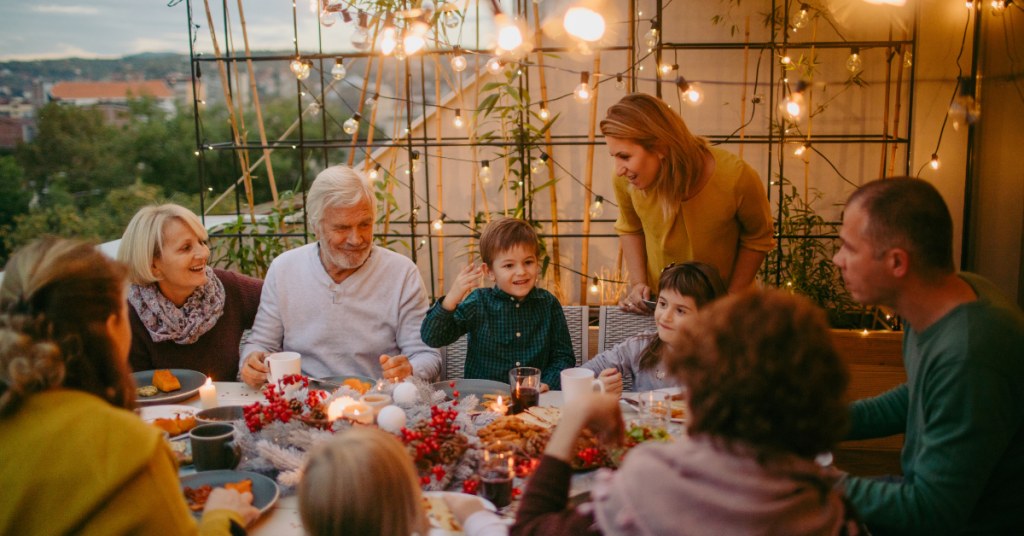
Your balcony garden can be a beautiful backdrop for your outdoor event, so make sure to show it off! Consider adding some extra decorations, such as string lights or lanterns, to create a cozy and inviting atmosphere. You might also want to provide some information about the plants and flowers in your garden to help your guests appreciate its beauty.
During the event, take some time to enjoy your balcony garden yourself. Take a stroll around the space, point out some of your favorite plants, and enjoy the fresh air and sunshine. After all, your balcony garden is the perfect place to relax and unwind with friends and family.
In conclusion, outdoor entertaining in your balcony garden can be a fun and exciting way to enjoy the outdoors while still being in the comfort of your own home. With a little planning and creativity, you can turn your small outdoor space into a welcoming and inviting area for hosting guests.
Some key takeaways to keep in mind when planning your balcony garden include:
Remember, the key to successful outdoor entertaining in your balcony garden is to make the most of your available space while still creating a comfortable and inviting atmosphere for your guests. With a little creativity and planning, you can transform your small outdoor space into a beautiful and functional area for hosting gatherings and enjoying the beauty of nature. For some additional ideas, check out these sites:
🌱🎉🌞🍹
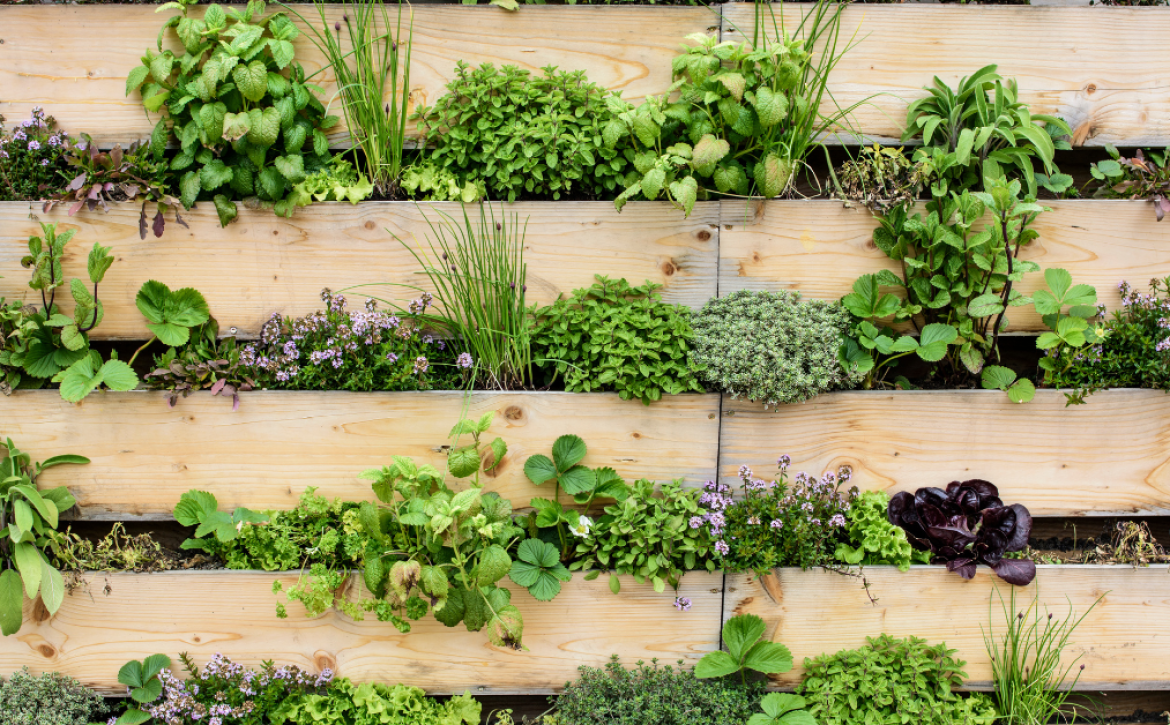
If you’re looking to maximize your growing space and add some greenery to your home or outdoor area, this information about the types of vertical gardens may be just what you need. Vertical gardening is a technique that involves growing plants upwards, using walls, trellises, containers, and other structures to create a living wall of vegetation. There are many different types of vertical gardens, each with its own unique benefits and challenges.
Another of the many different types of vertical gardens is the tower garden, which involves stacking planters on top of each other to create a multi-tiered growing system. Tower gardens are ideal for small spaces, as they allow you to grow a large number of plants in a small area. You can grow a variety of plants, from herbs and vegetables to flowering plants and succulents. Tower gardens can be made from a variety of materials, including recycled plastic, and can be designed to be weather-resistant and durable. (source: Easy Vertical Gardening)
Whether you’re an urban gardener looking to make the most of your small space, or simply want to add some greenery to your home or office, there are many types of vertical gardens to choose from. From living walls to tower gardens, each type has its own unique advantages and challenges. By choosing the right type of vertical garden for your needs and space, you can create a beautiful, efficient, and sustainable growing system that will provide you with fresh produce, beautiful flowers, and a healthier living environment.
Another type of vertical garden that is perfect for small spaces is the pocket garden. Pocket gardens are essentially small, portable gardens. You can hang them on walls or fences. These gardens are perfect for those who want to add some greenery to their space but have limited space to work with.
Pocket gardens come in a variety of shapes and sizes, from small pouches that can hold a single plant to larger pockets that can hold multiple plants. They are also available in a variety of materials, including felt, canvas, and plastic.
One of the great things about pocket gardens is that they are easy to DIY. You can create your own pocket garden using materials you may already have at home. For example, you can create a pocket garden using an old shoe organizer or a hanging file folder. Simply fill each pocket with soil and plant your favorite plants.
Pocket gardens are also great for adding an aesthetic touch to your space. You can choose plants that complement your decor or create a statement piece by choosing bold, colorful plants. Additionally, you can arrange pocket gardens in a variety of patterns to create a unique and eye-catching display.
Overall, pocket gardens are a great option for those looking to add some greenery to their space without taking up too much room. With their DIY potential and aesthetic appeal, they are a versatile and practical addition to any type of vertical garden.

One popular type of vertical garden is the living wall, which involves growing plants directly on a wall or other vertical surface. Living walls range in size from a small frame to a large-scale installation. Some living walls use hydroponic systems to grow plants without soil, while others rely on soil-based growing mediums. Living walls improve air quality, reduce noise pollution, and add a beautiful, natural touch to any space. (source: Eartheasy) Living walls, also known as green walls, are a type of vertical garden that can be used both indoors and outdoors. They are an attractive and efficient way of growing plants in a limited space.
The cloth or felt system is one of the most popular living wall systems. This system uses a growing medium made of recycled plastic, which is then attached to a shallow frame. The frame is then attached to a wall, and the plants are grown in felt pockets. The felt system is an excellent choice for urban gardeners looking to create an efficient use of growing space.
Another popular system is the modular living wall system. This system is a multi-tier, wall-mounted structure. It can be arranged in different shapes to create a variety of vertical gardens. The system is weather-resistant and has drainage holes for efficient watering.
Living walls can also be grown in hydroponic systems, which allow for efficient use of water and carbon dioxide. Hydroponic living walls are an excellent choice for indoor environments, as they require less maintenance and provide excellent air circulation.
You can make them with different types of plants, including vines, flowering plants, and succulents. They can also be grown in various containers, such as planter boxes, mesh, and gutter gardens. When designing a living wall, consider the type of vegetation. Shade-loving plants are an excellent choice for indoor living walls while flowering plants and scrambling plants are ideal for outdoor living walls. You can also grow fruits, like strawberries or delicious veggies in living walls, provided they have enough space to grow.
To ensure the success of a living wall, it is essential to have an efficient irrigation system in place. A standard rain gutter or zig-zag pattern can be used to create a water supply for the plants. An irrigation system will also help to ensure that the plants receive the necessary nutrients and water.
You can use living walls both indoors and outdoors. They are an excellent choice for urban gardeners looking to create an efficient use of growing space. It is essential to consider the type of vegetation that will be grown when designing your wall and to have an efficient irrigation system in place.

Trellis gardens are a popular type of vertical garden that involves growing climbing plants on a trellis structure. This type of garden is perfect for those who want to grow vegetables or flowers in a small space. Trellises can be made from a variety of materials, including wood, metal, or plastic. They can come in different shapes and sizes, depending on the needs of the gardener.
When planning your trellis garden, it is important to consider the amount of sunlight and shade that your plants will need. Some climbing plants require full sun, while others prefer partial shade. It is also important to consider the spacing of your rows. Some plants require more room to grow than others.
One of the benefits of trellis gardens is that they can be used to grow a variety of vegetables, including tomatoes, cucumbers, and pole beans. These plants can be trained to grow up the trellis, which saves space and makes harvesting easier. Additionally, trellis gardens can be used to create a beautiful aesthetic in your yard or garden.
If you are interested in creating a trellis garden, there are a few DIY tips that you can follow. First, choose a location that receives plenty of sunlight and is easily accessible for watering and maintenance. Next, select the climbing plants that you want to grow and choose a trellis that is appropriate for their size and shape. Finally, plant your seeds or seedlings and train your plants to grow up the trellis as they mature.
Overall, trellis gardens are a great option for those who want to grow a variety of vegetables or flowers in a small space. With the right planning and care, you can create a beautiful and productive garden that will thrive for years to come.
Modular systems are one of the most popular types of vertical gardens, and for good reason. These systems consist of pre-made panels or containers that can be easily attached to a wall or other structure. This allows you to create a living wall in no time. They are perfect if you are looking for an efficient use of growing space. They allow you to grow a variety of plants in a small area.
One of the advantages of modular systems is that they can be customized to fit your needs. You can choose from a variety of panel sizes, shapes, and colors to create a unique and personalized look. Additionally, you can mix and match different types of vegetation, including flowering plants, herbs, and vegetables, to create a beautiful and functional garden.
When it comes to installation, modular systems are relatively easy to set up. Most systems come with detailed instructions and all the necessary hardware. You can usually install them yourself with a few basic tools. However, if you are not comfortable with DIY projects, you can always hire a professional.
To ensure that your modular system thrives, it is important to consider factors such as irrigation and air circulation. Most systems come with built-in irrigation systems, which make it easy to water your plants. However, you may need to supplement the system with additional watering if you live in a particularly dry climate.
Air circulation is also important for the health of your plants. If your modular system is installed in a closed space, such as an indoor area, you may need to install a fan or other air circulation device to ensure that your plants receive enough fresh air.
Overall, modular systems are an excellent choice for anyone looking to create a vertical garden in a small space. They are easy to install, customizable, and can be used to grow a variety of plants. Whether you are looking to create an aesthetic feature in your home or grow your own vegetables, a modular system is a great choice.

Hydroponic walls are a type of vertical garden that uses a hydroponic system to grow plants. A hydroponic system is a method of growing plants without soil, using nutrient-rich water instead. Hydroponic walls are a great way to grow a variety of vegetation in a small space, making them an efficient use of growing space for those with limited indoor space, such as on balconies. Hydroponic walls are also an excellent choice for those who want to create an aesthetic and visually appealing space.
These walls can be wall-mounted or freestanding, and they come in a variety of sizes and shapes. They can be made from a variety of materials, including planter boxes, shallow frames, or flower pots. Some hydroponic walls are multi-tiered, allowing you to grow a variety of plants in one space.
When creating a hydroponic wall, it is essential to consider the irrigation system and air circulation. An efficient irrigation system is crucial to ensure that each plant receives the right amount of water and nutrients. Additionally, proper air circulation is essential to prevent the growth of mold and mildew.
Hydroponic walls are an excellent option for growing flowering plants. They provide an ideal environment for these plants to thrive. They are also a great choice for those who want to grow a variety of herbs and vegetables, making them a popular choice for those who want to create an indoor herb garden.
If you are interested in creating a hydroponic wall, there are many DIY tips available to help you get started. With research and planning, you can create a beautiful and functional hydroponic wall that will provide you with fresh produce.
In conclusion, hydroponic walls are a type of vertical garden that uses a hydroponic system to grow plants. They are an efficient use of growing space, making them an excellent choice for those with limited indoor space.
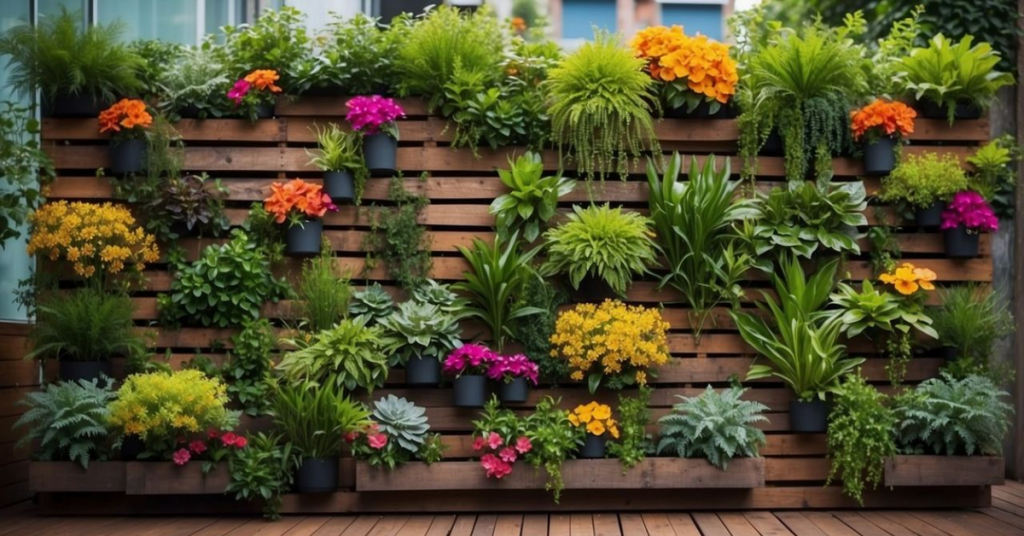
Pallet gardens are a popular type of vertical garden that can be made from recycled wooden pallets. They are a great option for those who want to grow plants in a small space and can be used to create a beautiful and functional garden. Here are some tips for creating your own pallet garden.
First, choose a pallet that is in good condition and has not been treated with any harmful chemicals. Look for pallets that have a stamp that indicates they are safe for use. Next, prepare the pallet by sanding it down and adding drainage holes to the bottom. This will ensure that excess water can drain out of the pallet and prevent root rot.
Once your pallet is prepared, you can begin filling it with soil. Tilt the pallet so that it is almost vertical to let the soil settle, then add more soil until the rows are full. You can now start planting your plants between the slats of the pallet. Pallet gardens are great for growing vegetables, herbs, and flowers.
One of the benefits of pallet gardens is that they can be made in different shapes and sizes to fit your space and aesthetic preferences. They can also be placed in areas with different amounts of sunlight or shade, depending on the plants you want to grow.
If you want to make your pallet garden weather-resistant, you can add a sealant or paint to the pallet. This will help protect it from the elements and ensure that it lasts longer. Pallet gardens are also a great DIY project, and there are many tutorials available online that can help you create your own.
In summary, pallet gardens are a great option for those who want to create a vegetable garden in a small space. They are easy to make, versatile, and can be made weather-resistant with a little bit of effort. With the right preparation and care, your pallet garden can be a beautiful and functional addition to your home.
If you’re looking for a low-maintenance, visually stunning way to spruce up your small space, consider succulent walls. Succulent walls are a type of vertical garden that is perfect for those who want to add some greenery to their walls without needing a lot of sunlight or space.
Succulents are a type of vegetation that are known for their ability to store water in their leaves, making them perfect for dry environments. This means that they can thrive in a variety of conditions, including low-light and indoor spaces.
One of the benefits of succulent walls is that they can be customized to fit any aesthetic. Whether you prefer a modern, minimalist look or a more natural, rustic feel, there are plenty of options for you to choose from. You can create a succulent wall using a variety of materials, including wood, metal, and even recycled materials like pallets.
When it comes to sunlight, succulent walls are fairly flexible. While they do require some sunlight, they can also thrive in shaded areas. This makes them a great option for those who have limited access to natural light.
If you’re interested in creating your own succulent wall, there are plenty of DIY tips available online. You can find step-by-step instructions and materials lists to help you get started.
Overall, succulent walls are a great option for those who want to add some greenery to their small space without needing a lot of sunlight or space. With a variety of options available and plenty of DIY resources, it’s easy to create a succulent wall that fits your unique style and needs.
When it comes to types of vertical gardens, herb gardens are a popular choice. They are perfect for those who love to cook with fresh herbs, but may not have the space for a traditional vegetable garden. Vertical herb gardens can also be a great solution for those who live in small spaces.
To create a successful herb garden, it is important to consider the amount of sunlight the plants will receive. Most herbs prefer a sunny location, so be sure to choose a spot that gets at least six hours of direct sunlight per day.
When it comes to choosing which herbs to plant, consider what you like to cook with and what will thrive in your climate. Some popular herbs for vertical gardens include basil, thyme, rosemary, and mint.
There are many DIY tips and tricks for creating a vertical herb garden. One option is to use a hanging planter with multiple pockets, which allows you to grow several herbs in a small space. Another option is to create a ladder-style garden with multiple tiers of planters.
In terms of aesthetics, vertical herb gardens can be both functional and beautiful. You can choose planters in a variety of colors and materials to match your style and decor.
Overall, herb gardens are a great option for those looking to create a types of vertical gardens. With a little bit of planning and care, you can have a bountiful supply of fresh herbs right at your fingertips.
Tower gardens are a popular type of vertical garden that can be used to grow vegetables, herbs, and flowers. These gardens are designed to be space-saving and can be used in small spaces, such as balconies or patios. Tower gardens come in different shapes and sizes, making them a versatile option for any garden.
One of the advantages of tower gardens is that they can be used to grow vegetables in rows. This is a great way to maximize space. This type of garden is also great for those who live in areas with limited sunlight. Tower gardens can be placed in areas that receive partial shade.
When it comes to DIY tips for building your own tower garden, there are many resources available online. Some popular options include using PVC pipes or recycled materials to create a tower structure. It is important to make sure that the tower is stable and can support the weight of the plants.
In terms of aesthetics, tower gardens can be a great addition to any outdoor space. They can be designed to match the style of your home or garden and can be decorated with flowers or other decorative elements.
If you are interested in creating your own tower garden, there are many different types of vertical gardens to choose from. Some popular options include the Garden Tower 2, which is a fully integrated vermicomposting unit, and the Hydroponic Tower Garden, which uses a water-based system to grow plants.
When choosing a tower garden, it is important to consider the amount of sunlight your garden receives, as well as the types of plants you want to grow. With the right care and attention, a tower garden can be a great way to grow fresh produce and add a touch of green to your outdoor space.
If you’re looking for a vertical gardening system that adds height and dimension to your garden, obelisks, pergolas, and arbors are excellent choices. These structures come in different shapes, sizes, and materials, and can be used to support climbing plants, vegetables, or flowers.
Obelisks are pyramid-shaped structures with four sides that are traditionally found in formal gardens. They can be made out of any type of material, including wood, metal, or plastic. Some gardeners even fashion obelisks out of rustic materials like twigs and grapevines. Obelisks are perfect for climbing plants like roses, clematis, and morning glories. You can place them in rows or groups to create a stunning focal point in your garden.
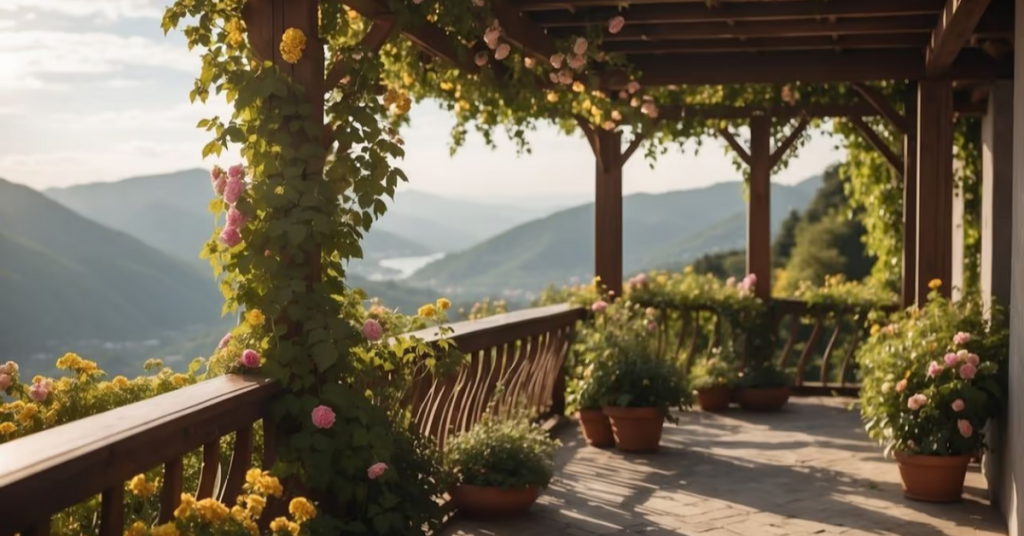
Pergolas are larger structures that provide shade and support for climbing plants. They are often made of wood or metal and can be designed in different shapes and styles. Pergolas are perfect for creating an outdoor living space in your garden. They can be used to grow grapevines, wisteria, or other climbing plants that prefer partial shade.
Arbors are similar to pergolas but are smaller and often have an arched or curved shape. They can be made of wood, metal, or vinyl and can be used to create a beautiful entrance to your garden or to frame a particular view. Arbors are perfect for climbing roses, honeysuckle, or other fragrant flowers that create a romantic and whimsical atmosphere.
When choosing a vertical gardening system, make sure to consider the amount of sunlight and shade in your garden. Also, consider the size and shape of the structure. You can also find many DIY tips and tutorials online to help you build your own obelisks, pergolas, or arbors. With these types of vertical gardens, you can create a stunning and functional garden even in small spaces.
If you have limited space but still want to grow a variety of plants, a tiered garden might be the perfect solution for you. Tiered gardens are a simple form of vertical gardening where tiered planters are used to grow layers of plants, herbs, and vegetables in a small area. They are perfect for urban apartment living or for anyone who wants to maximize their growing space.
One of the great things about tiered gardens is that they can be made in different shapes and sizes. You can create a tiered garden using wooden stands and makeshift planters or purchase pre-made tiered garden kits.
When it comes to the types of plants you can grow in a tiered garden, the possibilities are endless. You can grow anything from herbs and vegetables to flowers and succulents. Just make sure to choose plants that are suitable for the amount of sunlight or shade your garden receives.
If you’re looking to create a vegetable garden, a tiered garden is a great option. You can plant different vegetables in each tier and create rows for easy access and maintenance. Some popular vegetables to grow in a tiered garden include lettuce, spinach, and tomatoes.
When designing your tiered garden, consider the aesthetic you want to achieve. You can choose planters in different colors and materials to create a unique and visually appealing garden.
If you’re interested in DIY tips for creating a tiered garden, there are plenty of resources available online. You can find tutorials on how to build your own tiered garden using materials like pallets or cinder blocks.
Tiered gardens are another of the types of vertical gardens that are available to you. They are a great option for anyone looking to grow a variety of plants in a small space. They can be made in different shapes and sizes, and are suitable for growing vegetables, herbs, flowers, and succulents. With a little creativity and DIY know-how, you can create a beautiful and functional tiered garden in no time.
A gutter garden might be the perfect solution for you if you’re looking for an efficient way to grow plants. They use standard rain gutters to create rows of plants in a zig-zag pattern. Gutter gardens are perfect for small spaces. They can be used to grow a variety of plants, including vegetables, herbs, and flowers.
With a gutter garden, you can create different shapes and designs, depending on your space. You can also adjust the amount of sunlight and shade by positioning the gutter garden in different locations.
To create a gutter garden, you will need to follow a few DIY tips. First, you will need to purchase standard rain gutters and mounting brackets. You will also need to drill holes in the bottom of the gutters for drainage. Once you have your gutters, you can mount them on a wall or fence in a zig-zag pattern.
When it comes to choosing plants for your gutter garden, there are a few things to keep in mind. You will want to choose plants that are well-suited to vertical gardening and that can thrive in small spaces. Some good options include lettuce, spinach, strawberries, and herbs like basil and parsley.
In conclusion, gutter gardens are a great option for anyone looking to grow plants in a small space. With a little bit of know-how and some careful plant selection, you can create a beautiful and functional vertical garden. that will provide you with fresh produce and a beautiful aesthetic.
One of the simplest types of vertical gardens is the flower pot window garden. They are versatile, easy to maintain, and can be used to grow a variety of plants. This type of garden is ideal for people who have limited space but still want to enjoy the benefits of gardening. WithFlower pots are attached to a window frame or hung from a rod, allowing plants to grow vertically.
Flower pot window gardens are versatile and can be used to grow a variety of plants, including herbs, flowers, and small vegetables. They are also easy to maintain and can be watered using a simple watering can or spray bottle.
According to an article by Better Homes & Gardens, flower pot window gardens are perfect for people who live in apartments or have limited outdoor space. Another article by The Spruce suggests using flower pot window gardens to grow plants that require a lot of sunlight. These plants can thrive in the bright light provided by a window and do not require a lot of water.
If you’re looking for a way to grow plants in a limited space, vertical gardens are an excellent option. Each of the types of vertical gardens comes with its own unique advantages and disadvantages. In this article, we will discuss some of the most popular types of vertical gardens and provide article citations for each. By using the right soil and providing adequate sunlight and water, you can create a beautiful and thriving vertical garden. For more information about different types of plants that can best be used in vertical gardening, please check out of article, “20 Best Plants for Balconies: Thriving in Sun and Shade“.
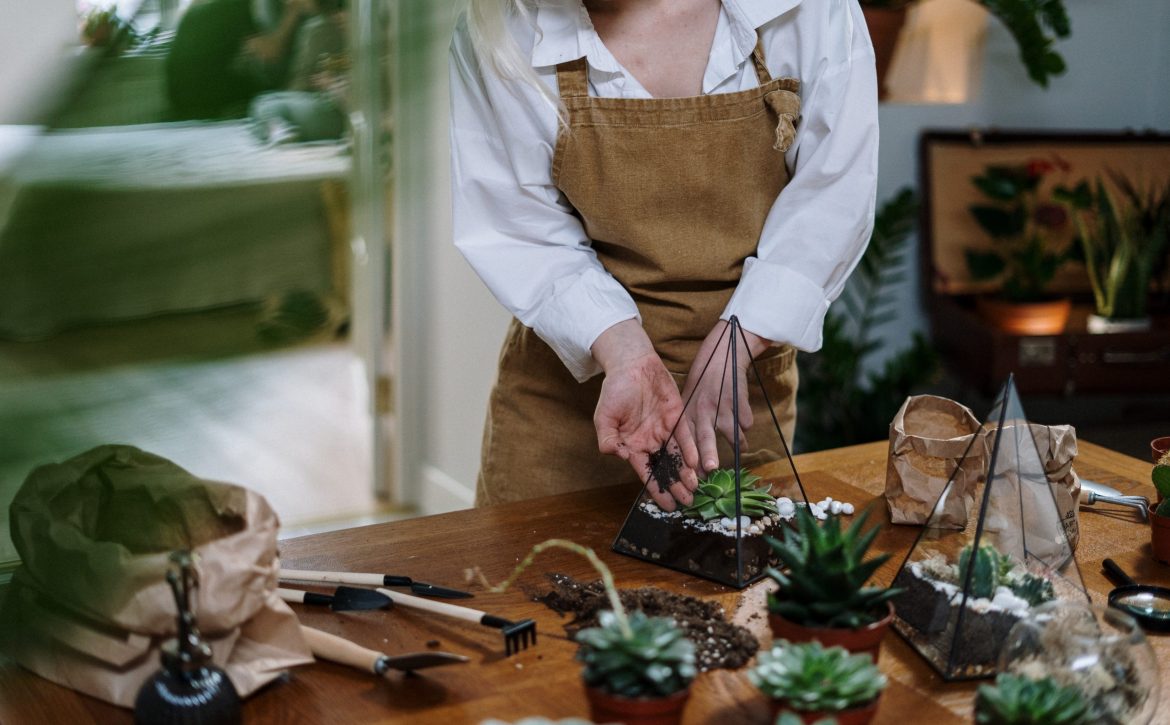
Are you looking for a way to add some greenery to your balcony garden? A DIY florarium may be just what you need. Florariums are miniature gardens that can be created in glass containers, and they’re perfect for small spaces like balconies. Not only are they aesthetically pleasing, but they’re also easy to care for and can help purify the air in your home. You might want to check out our article here entitled, “10 Best Water-Conserving Balcony Garden Plants“.
To create a florarium for your balcony garden, you’ll need a few basic supplies. According to Faterra, a florarium should be created by pouring pebbles or stones onto the bottom, followed by a layer of charcoal and a large layer of soil. You can use a decorative jar as your container, and introduce plants with tweezers. You can use a glass container with or without a lid, soil that matches the preferences of your chosen plants, drainage materials like sand or small pebbles, activated charcoal, and of course, plants and decorative elements of your choice. With these supplies, you’ll be able to create a beautiful and low-maintenance florarium for your balcony garden.

When creating a florarium for your balcony garden, it’s important to choose the right plants. The plants you select will depend on several factors, including the amount of sunlight your balcony receives, the size of your container, and your personal preferences. In this section, we’ll discuss how to research and select the best plants for your florarium. Check out the following article for some combination ideas: “29 Pretty Plant Combinations for Creating Stunning Container Gardens”. [source: Better Homes and Gardens]
Before you start selecting plants for your DIY florarium, it’s important to do some research. Look for plants that are well-suited to the conditions on your balcony. Consider factors such as the amount of sunlight your balcony receives, the temperature, and the humidity levels. You can also research the different types of plants that are commonly used in florariums, such as mosses, ferns, orchids, and succulents.
When researching plants, be sure to look for reputable sources. You can find information about plants on gardening websites, in books about indoor gardening, and from experts at your local nursery. Some good sources of information on florarium plants include the Royal Horticultural Society and the American Horticultural Society.
Once you’ve done your research, it’s time to start selecting plants for your florarium. When selecting plants, consider their size, shape, and color. You’ll want to choose plants that complement each other and create a balanced, visually appealing arrangement. Discover more about this special type of planting here:
Some good plants to consider for your florarium include:
When selecting plants for your florarium, be sure to read the care instructions carefully. Some plants require more water than others, while others prefer a drier environment. By selecting plants that are well-suited to your balcony garden, you’ll be able to create a beautiful, thriving florarium that you can enjoy for years to come.
Creating a florarium for your balcony garden can be a fun and rewarding DIY project. With a few basic supplies and some carefully chosen plants, you can create a beautiful mini greenhouse that will add a touch of greenery to your outdoor space. Here are some tips on how to prepare your DIY florarium.
The first step in preparing your florarium is to choose a container. You can use any clear, glass container that is large enough to hold your plants and soil. Some popular choices include fish tanks, jars, and vases. You can also find special florarium containers at garden centers or online.
When choosing your container, consider the size and shape of the plants you want to use. If you plan to use tall or trailing plants, look for a container with a narrow neck or a tall, cylindrical shape. If you want to create a more compact arrangement, choose a shorter, wider container.
Once you have your container, it’s time to add the layers of gravel and soil that will create a stable environment for your plants. Start by adding a layer of gravel or small stones to the bottom of the container. This will help with drainage and prevent the roots of your plants from sitting in water.
Next, add a layer of activated charcoal. This will help keep the soil fresh and prevent mold and bacteria from growing. You can find activated charcoal at most garden centers or online.
Finally, add a layer of soil. Choose a soil that is appropriate for the types of plants you want to use. For example, succulents and cacti require a well-draining soil, while ferns and other moisture-loving plants prefer a soil that retains more water.
When adding the soil, be sure to leave enough room for your plants. You may need to add more soil after you have placed your plants to ensure they are firmly anchored in place.
Overall, preparing a florarium for your balcony garden is a fun and easy DIY project. With the right container, layers of gravel and soil, and carefully chosen plants, you can create a beautiful and low-maintenance mini greenhouse that will thrive in your outdoor space.

Creating a beautiful DIY florarium for your balcony garden is a great way to add a touch of greenery to your outdoor space. Planting your florarium is an important step in the process, and it’s important to make sure you do it correctly to ensure the health and longevity of your plants. In this section, we’ll discuss how to arrange and care for your plants in your new florarium.
When it comes to arranging your plants in your florarium, it’s important to consider the size and shape of your container. You want to make sure that you have enough space for all of your plants to grow and thrive, but you also want to create a visually appealing arrangement.
Start by adding a layer of drainage material to the bottom of your container, such as small rocks or gravel. This will help to prevent water from accumulating at the bottom of the container and causing root rot.
Next, add a layer of soil that matches the preferences of your chosen plants. Be sure to leave enough space between each plant to allow for growth. You can use a small trowel or your fingers to create small holes in the soil for each plant.
Once you have your plants in place, you can add decorative elements such as rocks, moss, or figurines to enhance the visual appeal of your florarium.
Caring for your plants in your new florarium is essential to ensure their health and longevity. Here are a few tips to keep in mind:
By following these tips and arranging your plants carefully, you can create a beautiful and healthy florarium for your balcony garden.
A florarium is a beautiful addition to any balcony garden. Not only do they add a touch of greenery to your space, but they also create a calming and relaxing atmosphere. Decorating your florarium can be a fun and creative process that allows you to express your personal style. Here are a few tips on how to decorate your florarium:
Adding decorative elements to your DIY florarium can help to enhance its overall aesthetic appeal. There are many different decorative elements that you can choose from, including:
Choosing the right lighting is an important part of decorating your florarium. You want to make sure that your plants are getting enough light to thrive, but you also want to create a warm and inviting atmosphere. Here are a few tips on how to choose the right lighting for your florarium:
In conclusion, decorating your florarium is a fun and creative process that allows you to express your personal style. By adding decorative elements and choosing the right lighting, you can create a beautiful and calming space that will bring joy to your balcony garden.







 welcome@balconygardenparadise.com