Creating a Stunning Balcony Garden with Japanese Maples
Learn how to create a stunning balcony garden with Japanese maples. Discover the best tips and tricks for growing these beautiful trees in containers.

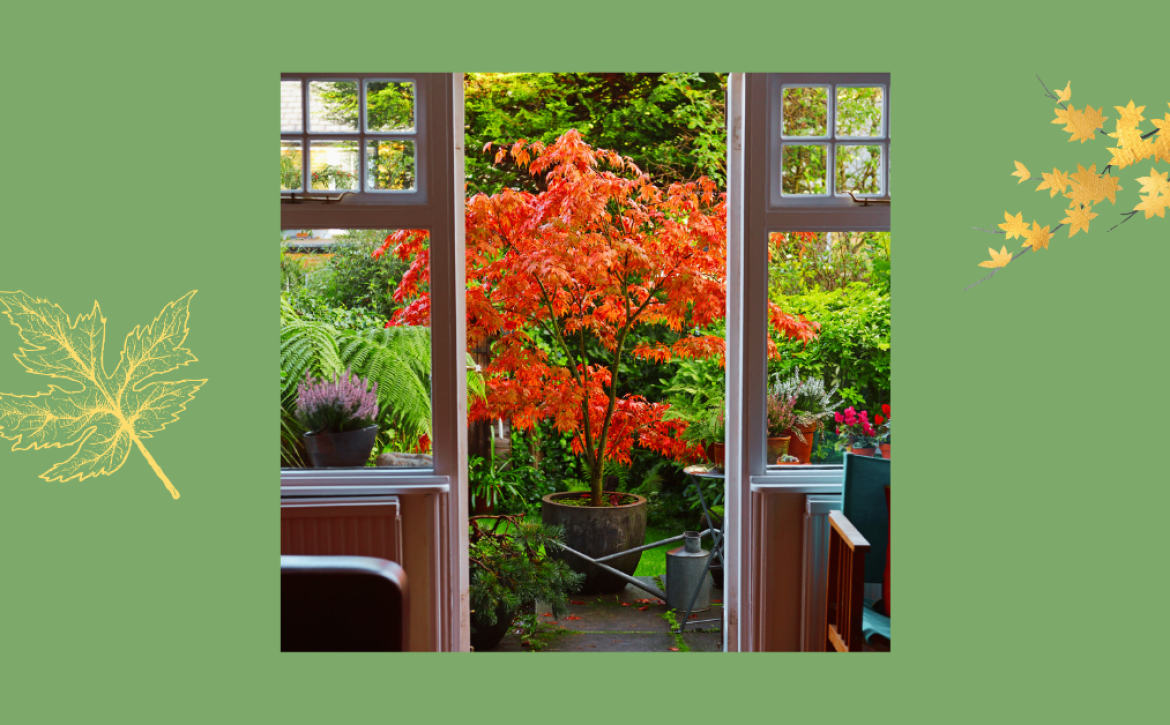
Learn how to create a stunning balcony garden with Japanese maples. Discover the best tips and tricks for growing these beautiful trees in containers.
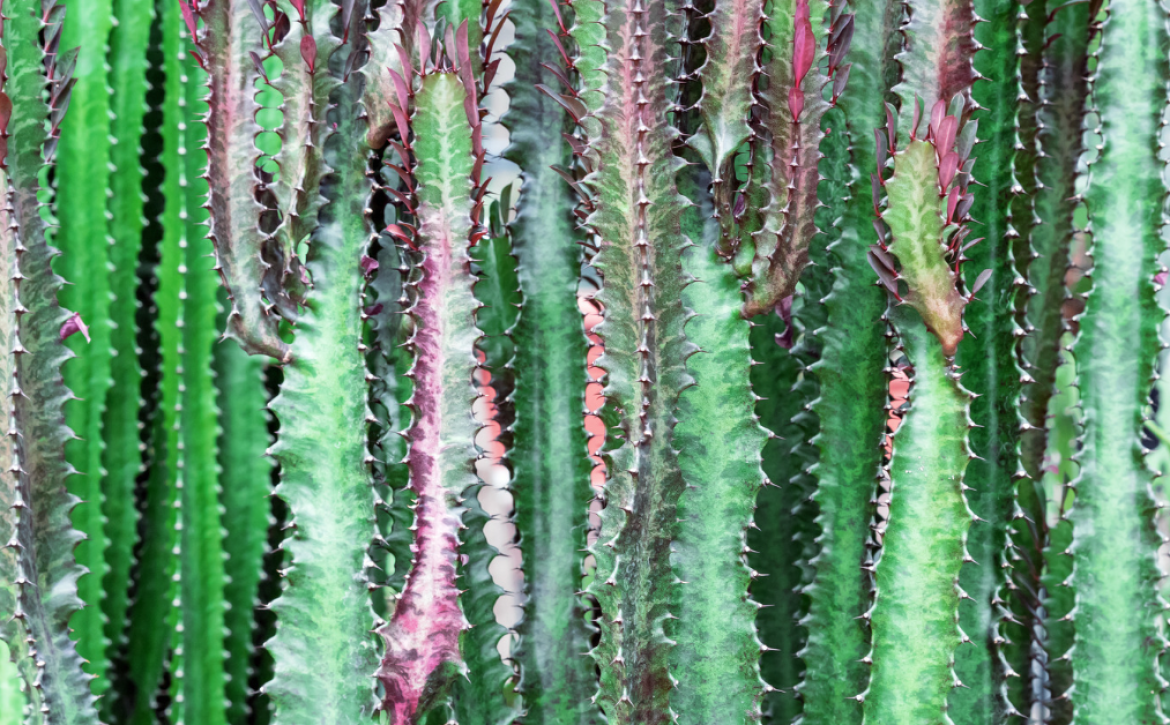
Learn how to grow and care for the African Milk Tree, a beautiful and easy-to-maintain houseplant. Our tips and tricks will help you keep your plant healthy and thriving.
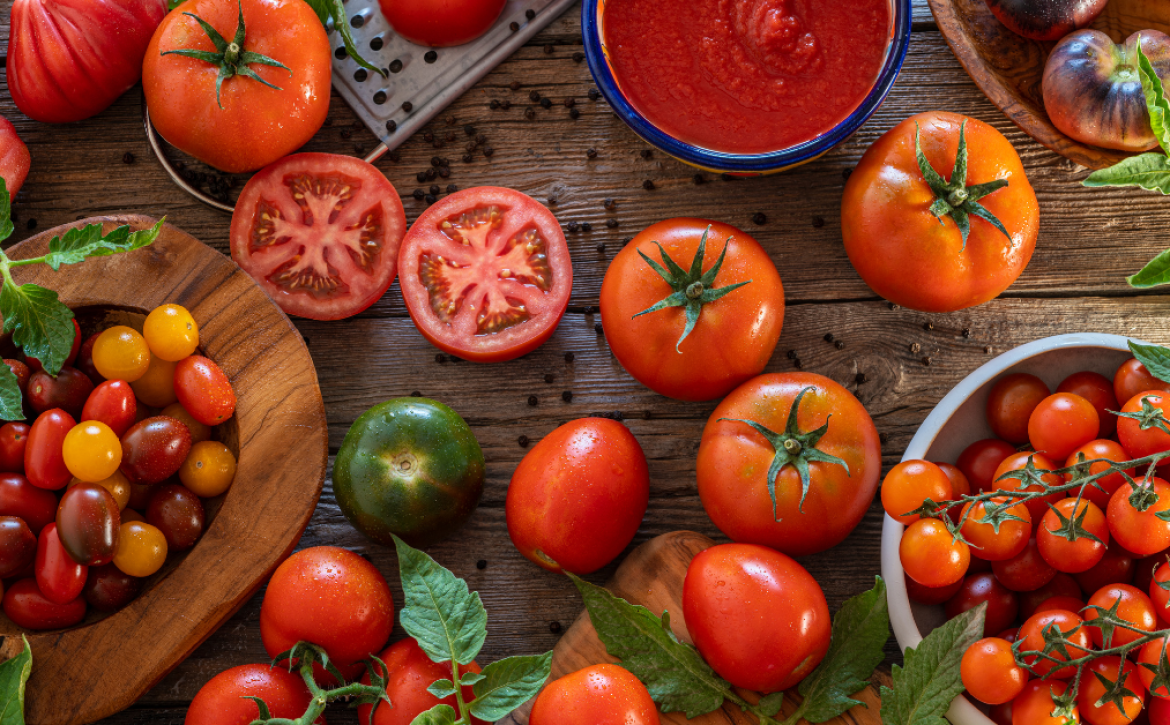
Growing tomatoes in your balcony garden is a great way to add some greenery and visual interest. Not only do they add a pop of color to your space, but they’re also easy to grow and care for. With the right preparation and care, you can enjoy a bountiful harvest of juicy, ripe tomatoes all summer long. You can even incorporate tomatoes in a green wall: “Types of Vertical Gardens: Creating a Stunning Green Wall“.

One of the biggest benefits of growing tomatoes on your balcony is that you can control the growing environment. You can choose the right type of soil, fertilizer, and watering schedule to ensure your plants thrive. Plus, you don’t need a lot of space to get started – even a small balcony can accommodate a few tomato plants.
To get started, it’s important to choose the right tomato varieties for your balcony garden. You’ll want to select varieties that are well-suited to growing in containers and that produce a high yield. With the right preparation and care, you’ll be able to enjoy delicious, homegrown tomatoes all season long.
Growing tomatoes in your balcony garden has many benefits. Here are some reasons why you should consider growing tomatoes in your balcony garden:
In summary, growing tomatoes in your balcony garden is a cost-effective, sustainable, and nutritious way to enjoy fresh produce at home. With minimal effort and space, you can enjoy the benefits of homegrown tomatoes and add fresh flavor to your meals.
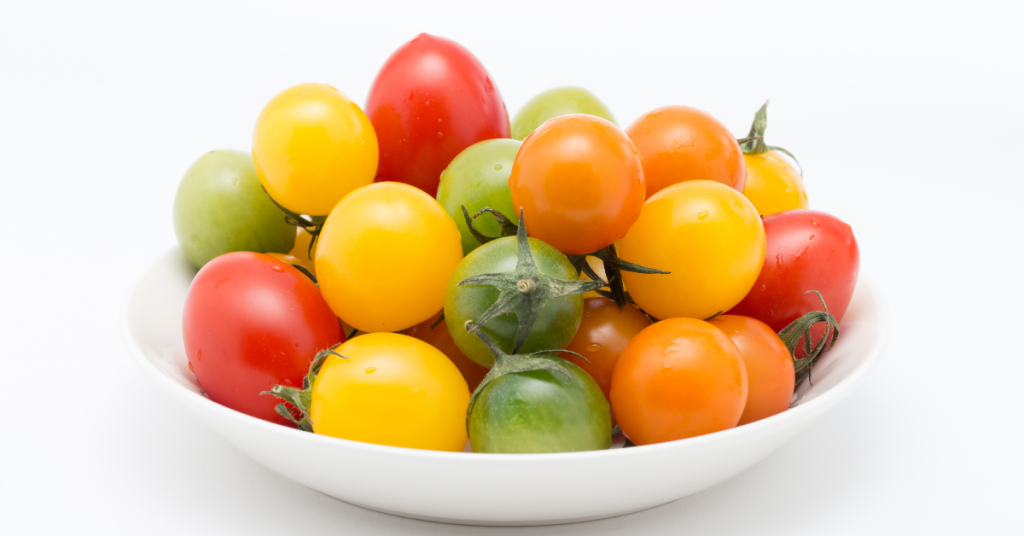
When it comes to choosing the right tomato varieties for your balcony garden, there are a few things to consider. The right variety can make all the difference in terms of yield, taste, and ease of care. Here are some factors to keep in mind:
First, consider the size of the tomato plant you want to grow. For balcony gardens, it’s best to choose varieties that are compact and don’t grow too tall. Determinate varieties are a good choice since they have a more bush-like growth habit and produce a concentrated crop over a shorter period. Some popular determinate varieties include Roma, Celebrity, and Bush Early Girl.
Next, consider the flavor profile you’re looking for. Do you prefer a sweet, juicy tomato or a more acidic one? Some popular sweet varieties include Sungold, Sweet 100, and Cherry Gold. For a more acidic flavor, try San Marzano, Amish Paste, or Brandywine.
Disease resistance is another factor to consider when choosing tomato varieties. Some varieties are more resistant to common tomato diseases like blight and wilt, which can help ensure a healthy crop. Look for varieties labeled as disease-resistant, such as Mountain Merit, Defiant, and Iron Lady.
Finally, consider the size of the container you’ll be planting your tomatoes in. Larger varieties will need more space and a larger container to grow in. A general rule of thumb is to choose a container that’s at least 18 inches in diameter and 24 inches deep for larger varieties. Smaller varieties can do well in containers as small as 12 inches in diameter.
By considering these factors, you can choose the right tomato varieties for your balcony garden and enjoy a bountiful harvest of delicious, homegrown tomatoes.
Before you start growing tomatoes on your balcony, there are a few things you need to do to prepare your garden. Here are some tips to help you get started:
Tomatoes require a lot of space to grow, so it’s important to choose the right container. A 5-7 gallon container is recommended at a minimum, but you can go bigger if you have the space. Make sure your container has drainage holes to prevent water from building up and drowning your plants.
Tomatoes need well-draining soil that is rich in nutrients. You can buy pre-mixed potting soil or make your own by mixing equal parts of compost, peat moss, and vermiculite. Avoid using garden soil, as it can contain pests and diseases that can harm your plants.
Tomatoes need at least 6-8 hours of sunlight per day to grow and produce fruit. Make sure your balcony receives enough sunlight, or consider using grow lights if you don’t have access to natural sunlight.
When selecting a tomato variety for your balcony garden, choose determinate varieties that don’t grow too tall and are more compact. Some good options include cherry tomatoes, patio tomatoes, and bush tomatoes.
Tomatoes need consistent moisture to grow and produce fruit. Water your plants regularly, making sure the soil stays moist but not waterlogged. Consider using a self-watering container or drip irrigation system to make watering easier.
By following these tips, you’ll be well on your way to growing delicious tomatoes on your balcony. With a little bit of care and attention, you can enjoy fresh, homegrown tomatoes all season long!
Tomatoes are a popular choice for balcony gardens as they are easy to grow and produce a bountiful harvest. However, to ensure that your tomato plants thrive, it is important to plant and care for them correctly.
To plant your tomato plants, follow these simple steps:
Once your tomato plants are established, it is important to care for them properly to ensure a healthy harvest. Here are some tips:
By following these simple steps, you can enjoy a bountiful harvest of delicious, homegrown tomatoes from your balcony garden.
Harvesting your balcony garden tomatoes at the right time is crucial to ensure that they are sweet, juicy, and full of flavor. Here are some tips to help you harvest your tomatoes like a pro:
Once you have harvested your tomatoes, it’s important to store them properly to ensure that they stay fresh and flavorful for as long as possible. Here are some tips for storing your balcony garden tomatoes:
By following these tips, you can enjoy delicious, homegrown tomatoes from your balcony garden all season long.
Yes, cherry tomatoes can grow in pots. In fact, they are one of the best types of tomatoes to grow on a balcony because they are compact and do not require as much space as other tomato varieties. Cherry tomatoes also tend to be more disease-resistant than other types of tomatoes.
Determinate tomato plants are the best type of tomato plant for balcony gardens. They are compact and bushy, making them ideal for small spaces. Determinate tomato plants also produce their fruit all at once, which makes them easier to manage and harvest.
The size of the container you need for growing tomatoes depends on the variety of tomato you are growing. A general rule of thumb is to choose a container that is at least 18 inches in diameter and 24 inches deep for most tomato varieties. However, if you are growing a larger tomato variety, you may need a container that is even larger.
Tomatoes grown in pots require regular fertilization to thrive. A balanced fertilizer that contains equal amounts of nitrogen, phosphorus, and potassium is the best option for growing tomatoes in pots. You can also use organic fertilizers, such as compost or fish emulsion, to provide your tomato plants with the nutrients they need.
Tomato plants grown in containers require support to prevent them from toppling over as they grow. You can use a tomato cage or a stake to support your tomato plants. Make sure you install the support system when you plant the tomato seedling, so you do not disturb the roots later on.
Tomatoes grown in pots require regular watering to thrive. You should water your tomato plants deeply once or twice a week, depending on the weather conditions. Make sure the soil is moist but not waterlogged. Overwatering can lead to root rot, which can kill your tomato plants.
For some great information about a vertical tomato garden, take a look at this article, “How to Set Up a Gorgeous Vertical Tomato Garden”. (source: minnetonkaorchards.com).










 Lisa Woods